Diwali 2025: 7 timeless traditional customs that keep the festival of lights glowing

Diwali is a festival of light which is celebrated by Hindus, Jains, Sikhs, and some Buddhists as it symbolises the victory of light over darkness and good over evil. From lighting a diya to worshipping Lakshmi, here are some important Diwali customs that are followed.

1. Decorating homes
As part of Diwali preparations, people thoroughly clean their homes and embellish them with vibrant decorations, flower garlands, and strings of lights to create a joyful ambience. It is believed that Goddess Lakshmi blesses only clean and well-lit homes.
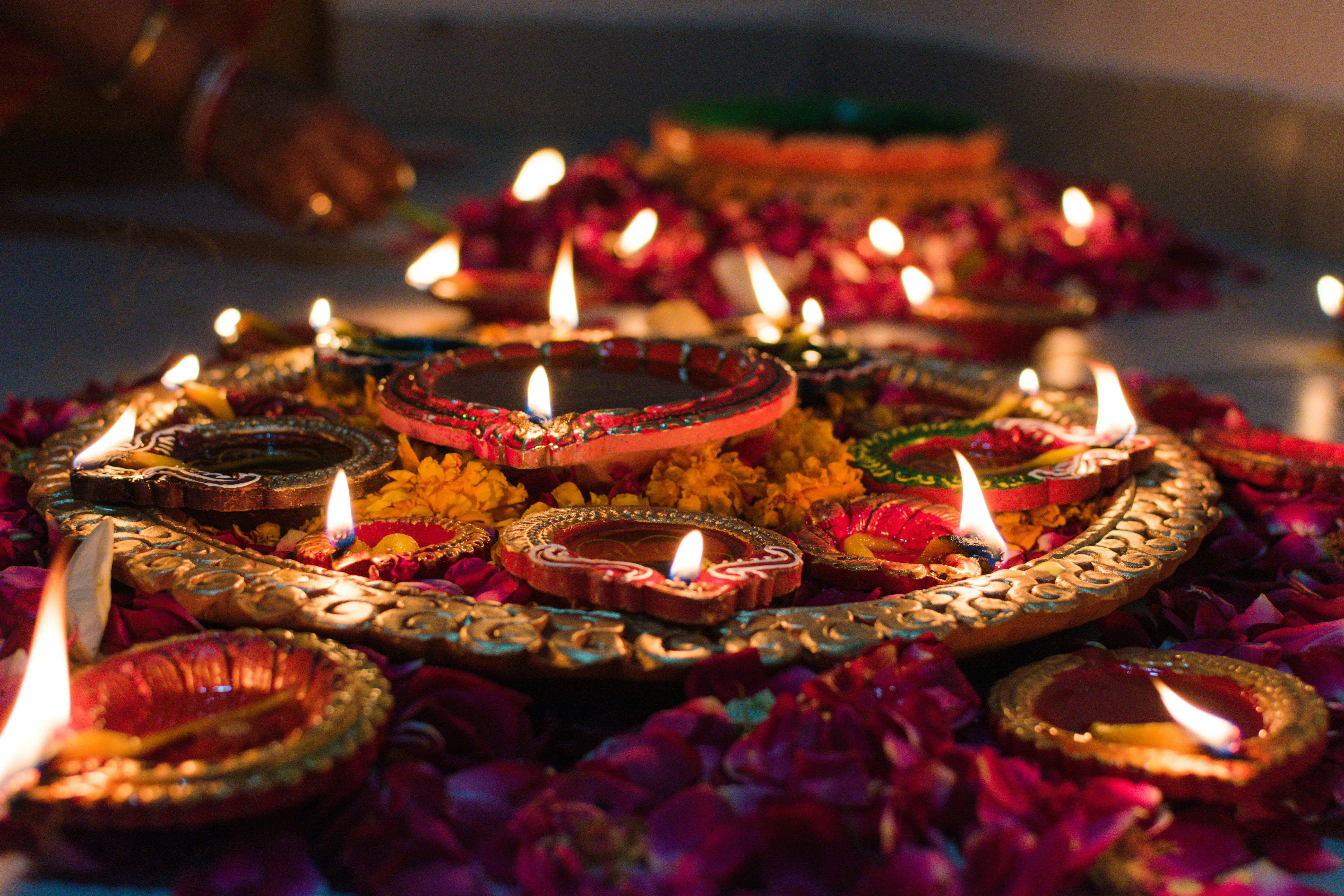
2. Lighting diyas and candles
Lighting a lamp marks the victory of light over darkness and good over evil. Placing diyas around the home during the festival of lights, particularly near entrances and dark areas of the home, is believed to attract positive energy, prosperity, and good fortune.
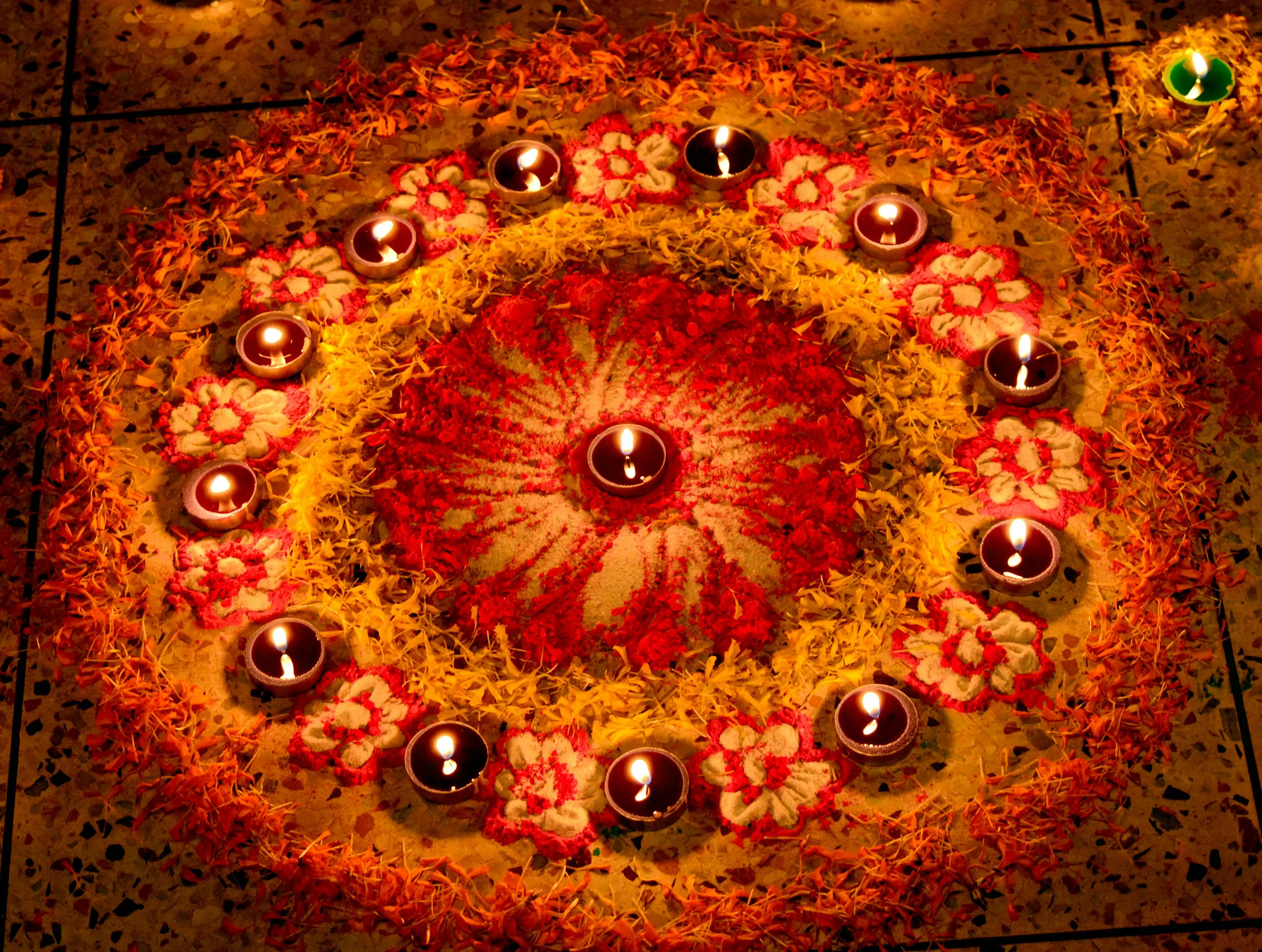
3. Rangoli art
To welcome guests and enhance the festive spirit, intricate rangoli patterns are crafted on the floor using colourful powders, rice, or flower petals. The bright hues of rangoli are considered an essential part of Diwali celebrations.
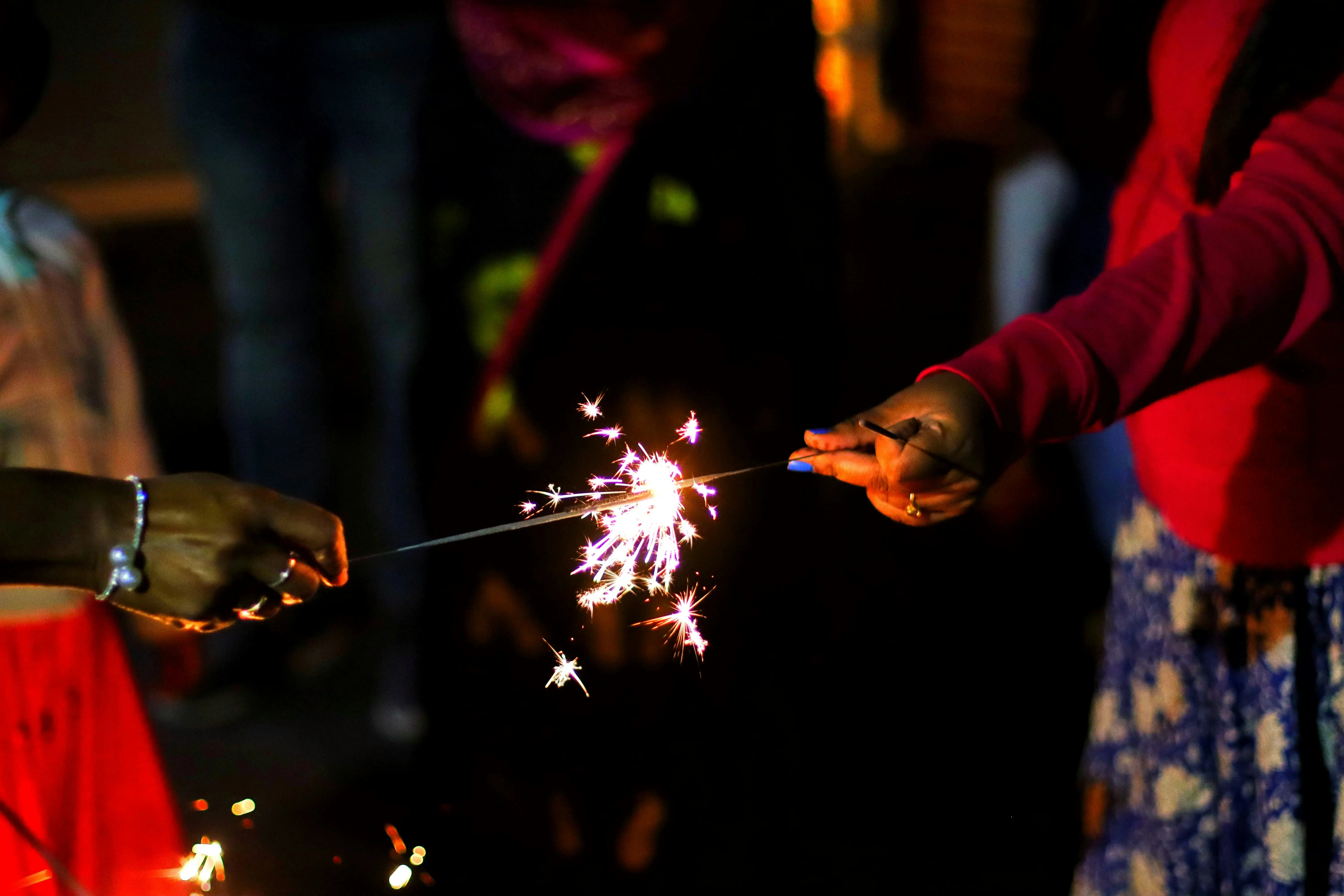
4. Bursting firecrackers
To represent the triumph of light over darkness, fireworks and crackers are used during Diwali celebrations. It is the most awaited custom of Diwali in which people of every age and gender burst the firecrackers. Without this, Diwali seems incomplete for children and people of a young age.
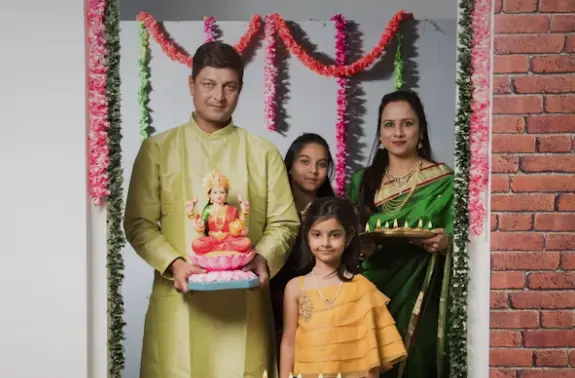
5. Exchange of gifts
During Diwali, families, relatives and friends visit each other's houses, exchanging sweets and gifts as symbols of love, happiness, and goodwill.
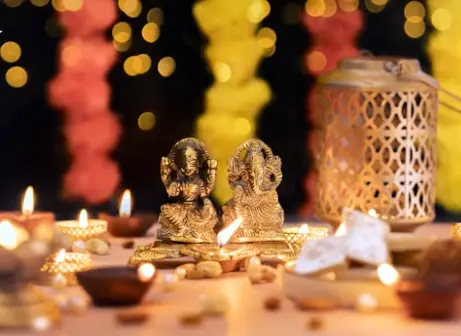
6. Worship of Lakshmi
To welcome wealth, prosperity, and good fortune into their lives for the coming year, devotees offer prayers or pujas to Lakshmi, which is performed in homes, workplaces and shops.
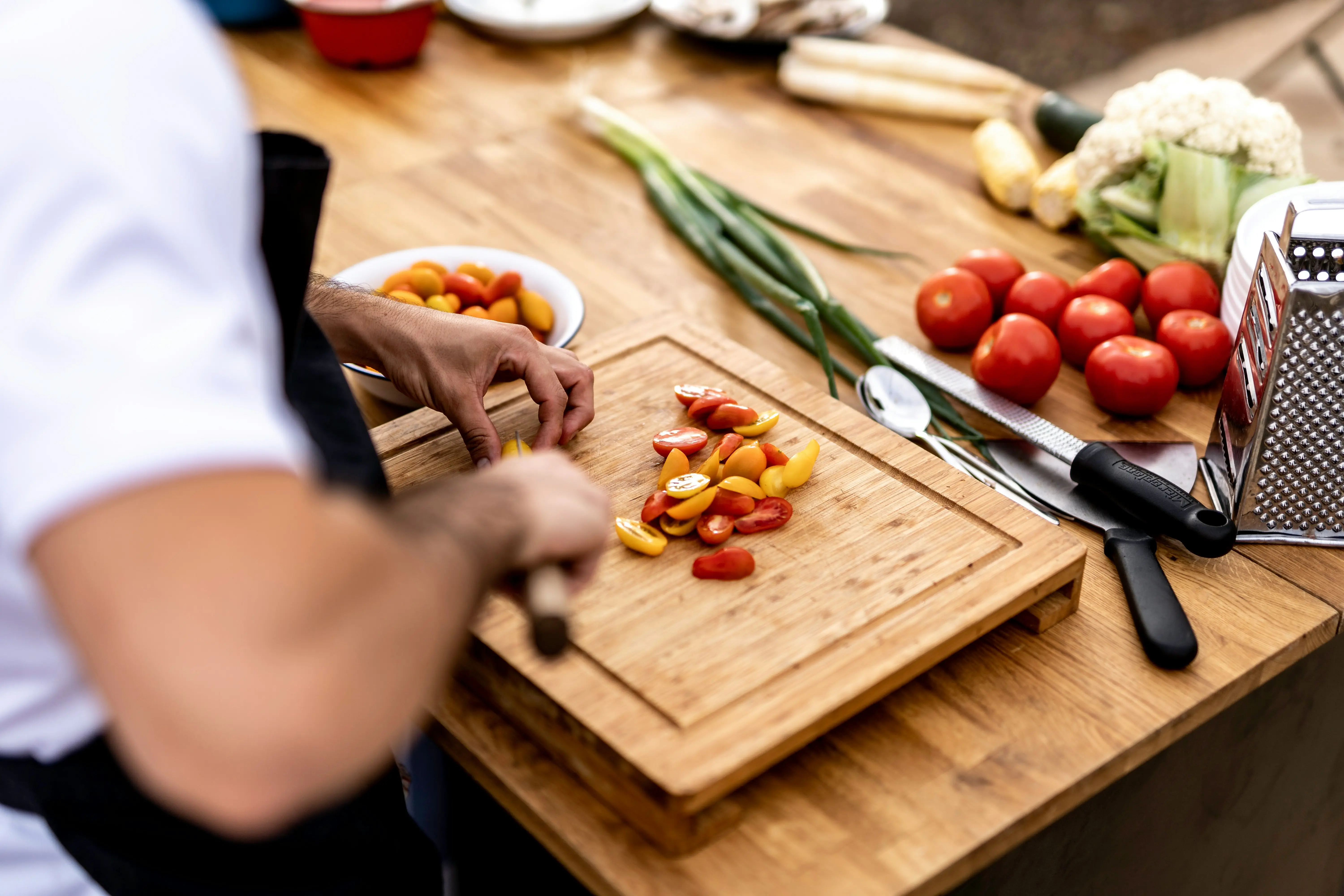
7. Feasting
During Diwali, the feasting includes a lavish spread of sweet and savoury dishes, known as mithai and namkeen. People also cook several dishes along with sweets and share it with their families, relatives and friends.
)
)
)
)
)