Why Russian fighter jets use heavy framed canopies compared to US jets

US fighter jets use seamless bubble canopies for 360-degree visibility and stealth. Russian jets prioritise reinforced framed cockpits to ensure structural strength and dependable optical clarity.
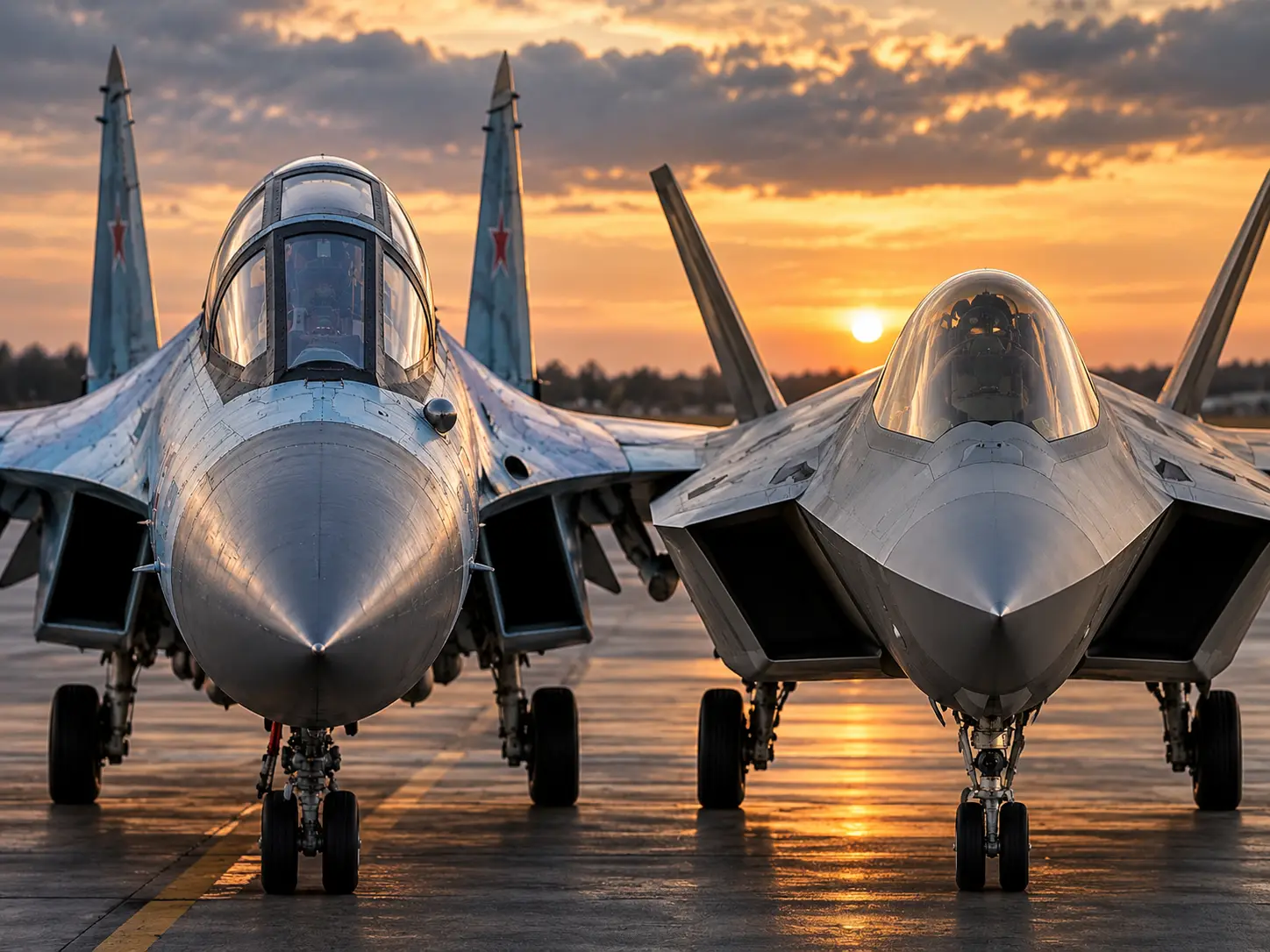
360-Degree Visibility Contrast
Leading American fighters like the F-16 and F-22 utilise seamless, single-piece bubble canopies to give pilots an unobstructed, 360-degree field of view. In contrast, Russian combat aircraft like the Su-35 retain a dedicated, fixed forward windscreen supported by a heavy structural arch frame. This fundamental engineering split directly impacts visual situational awareness during close-range aerial dogfights.
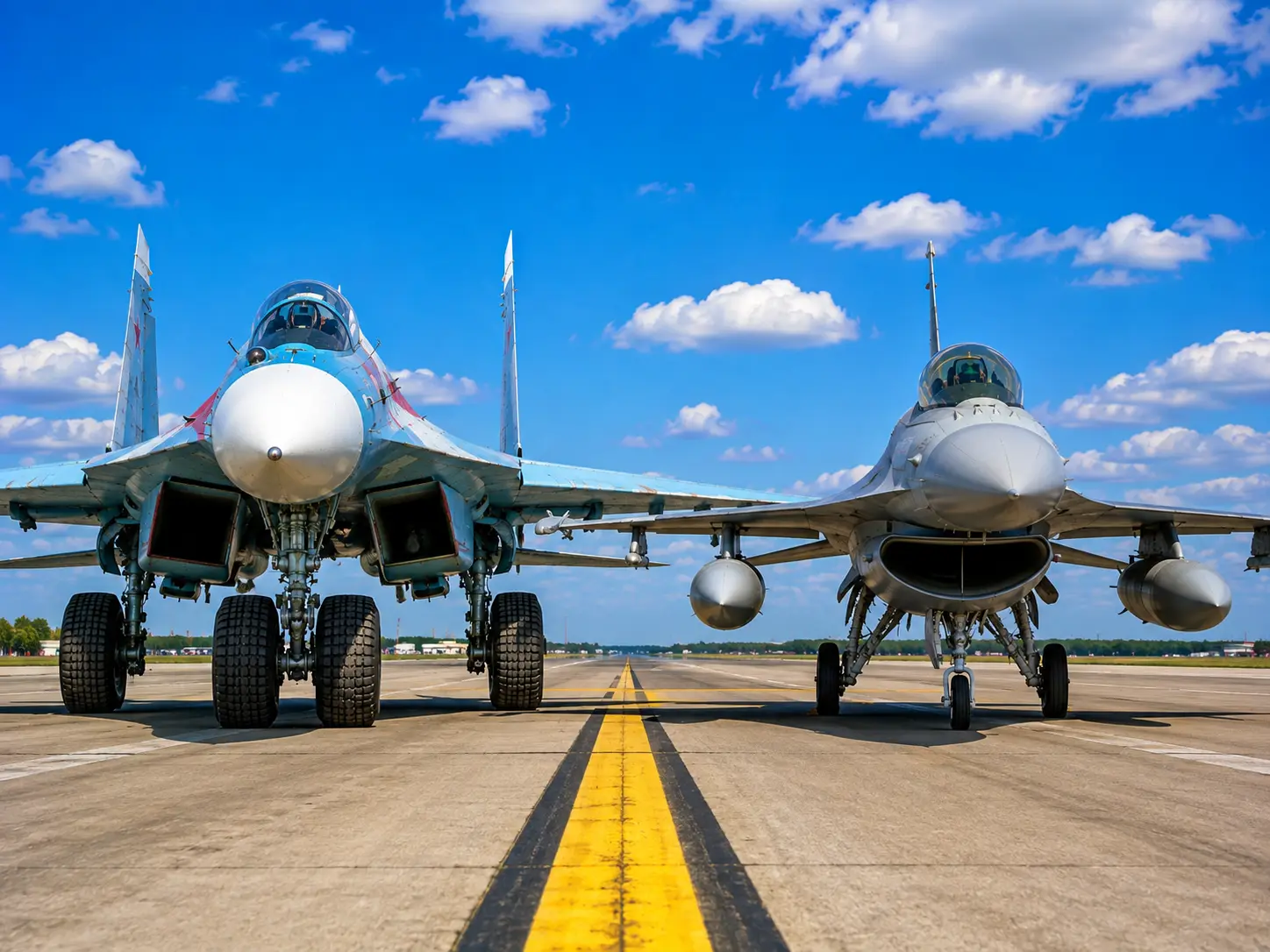
F-16 Bubble Canopy Design
The F-16 canopy is engineered from a thick, laminated composite of impact-resistant polycarbonate and scratch-resistant acrylic, eliminating metal framing to achieve an uninterrupted line of sight. Instead of vacuum-forming—which causes optical distortion in thick transparencies—the canopy is drape-moulded under heat and gravity over precision forms to ensure crystal-clear visual accuracy in combat.
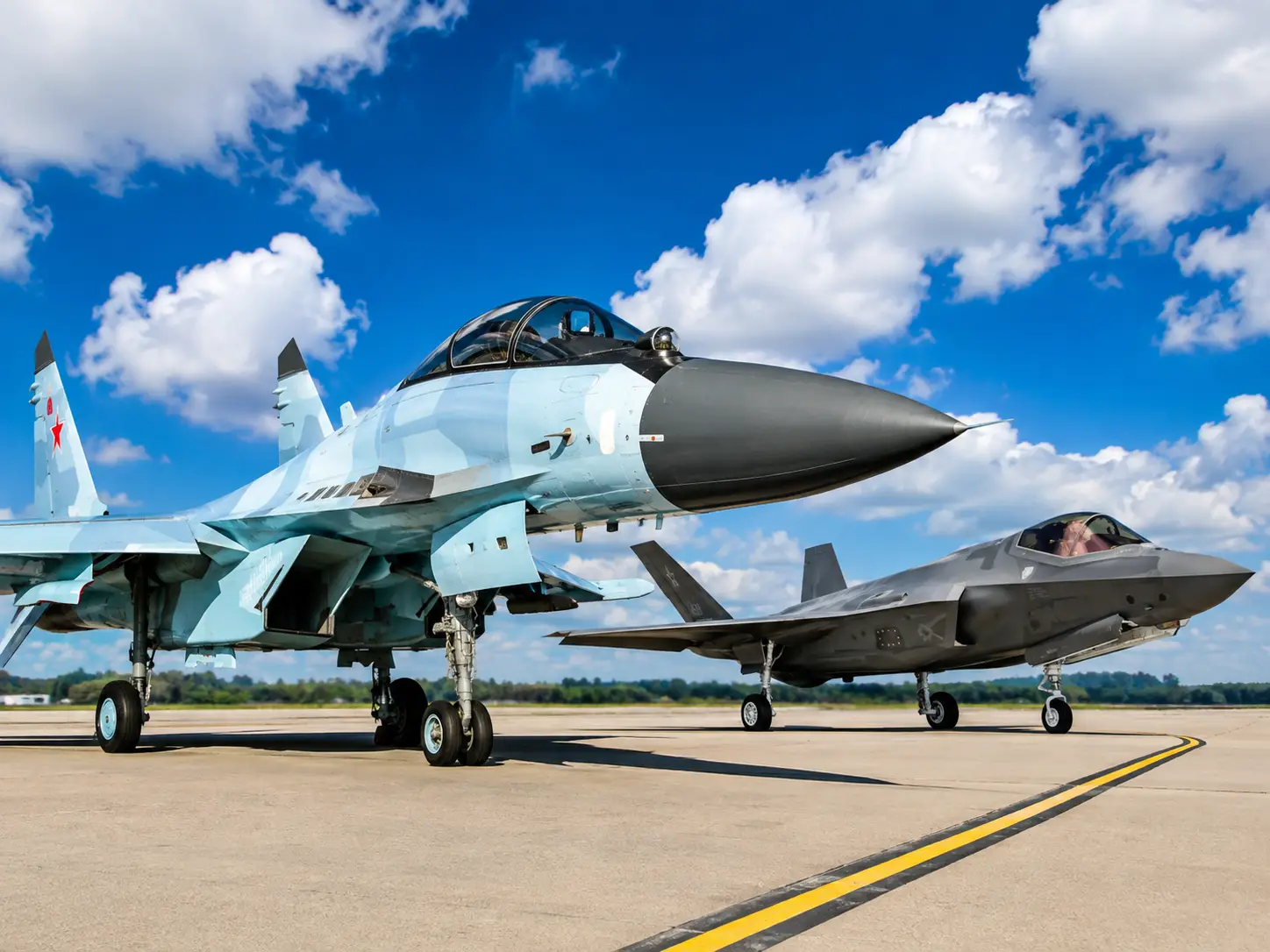
Withstands 160 Degrees Celsius
Russian aerospace engineers prioritise dependable optical performance under extreme conditions. Recent developments include high-tech fighter jet glass capable of withstanding temperatures up to 160 degrees Celsius. These robust framed structures ensure pilot safety during intense high-speed manoeuvres and combat operations.
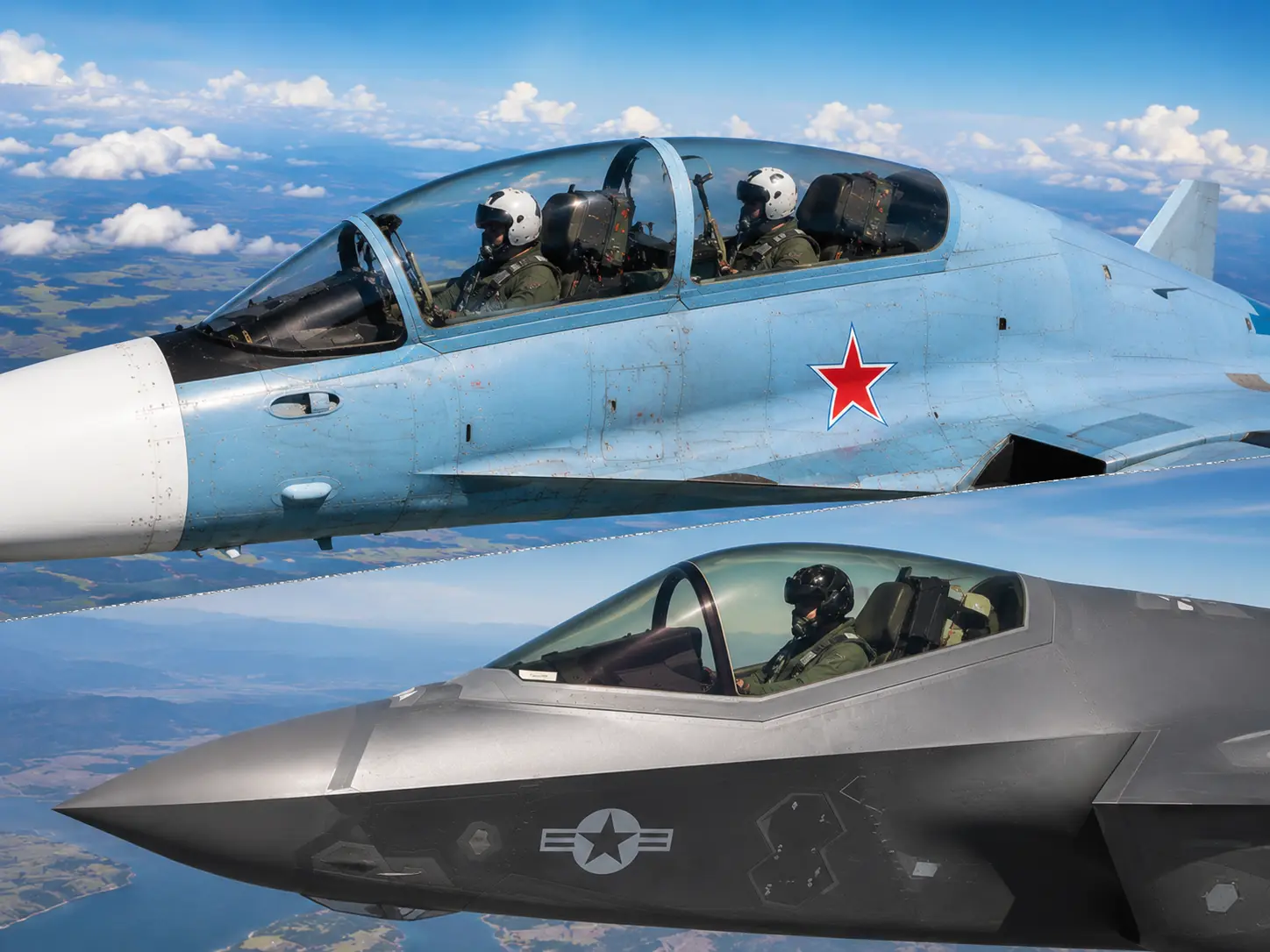
15% Radar Signature Drop
American stealth fighters incorporate specialised coatings on their bubble canopies to evade enemy detection. The F-16 uses an indium-tin-oxide layer that dissipates incoming signals, reducing its radar cross-section by 15 per cent. This advanced material also helps reduce solar glare for the pilot.
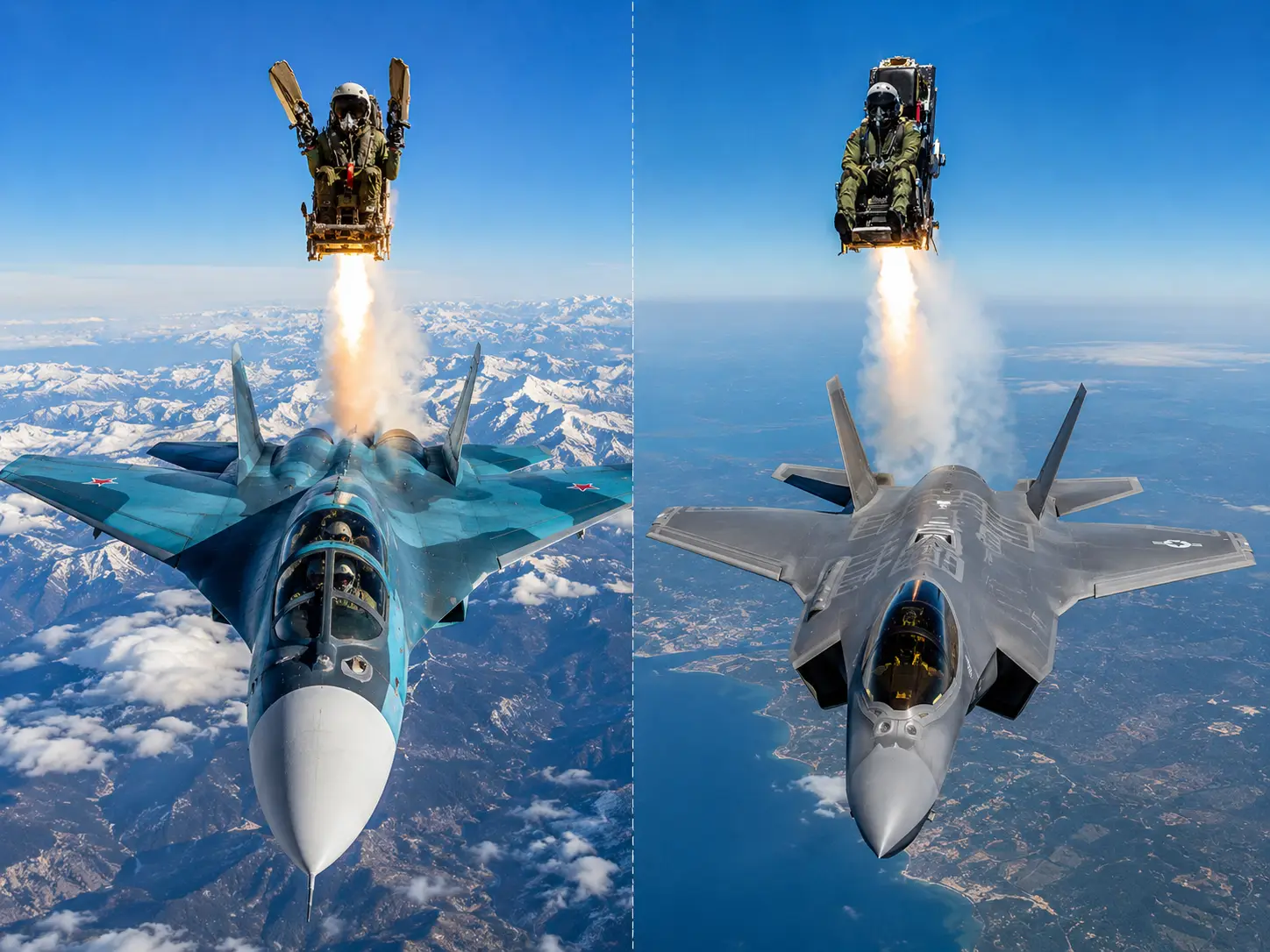
Su-35 Reinforced Canopy Design
Russian jets like the Su-35 reflect a completely different aviation philosophy by retaining strong windshield frames. This heavy framing provides natural structural reinforcement against high-speed impacts and bird strikes. The robust design ensures the airframe can endure the most severe operational environments.
)
)
)
)
)