Nithari case accused Surendra Koli dies by alleged suicide: A timeline of the infamous 2006 serial murders

&imwidth=600&imheight=450&format=webp&quality=medium "Nithari case accused Surendra Koli dies by alleged suicide: A timeline of the infamous 2006 serial murders")
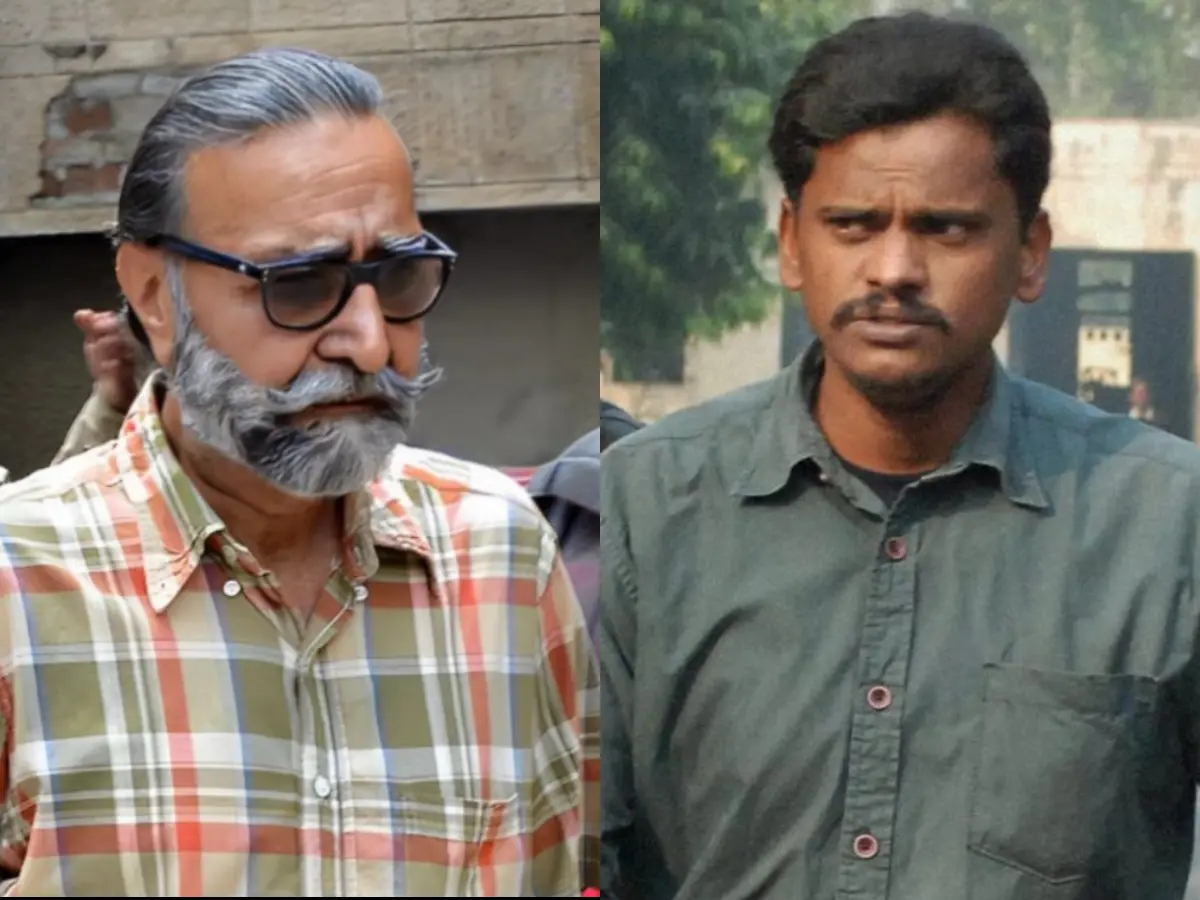
Accused Moninder Singh Pandher Surendra Koli in Nithari case, later acquitted Photograph: (Credit: PTI/X)
Surendra Koli, acquitted in the 2006 Nithari serial killings case, has died by alleged suicide in Haridwar. Here is the full timeline of the infamous case.
Ten months after the Supreme Court acquitted Surendra Koli in the Nithari killings case, the prime accused allegedly died by suicide in Uttarakhand’s Haridwar on Friday (Sep 18). The infamous Nithari serial murder case, involving the horrific disappearances and killings of children and young women in Noida, spanned nearly two decades of complex legal battles before reaching a dramatic conclusion.
Here’s a timeline:
- Disappearances and inaction | 2005 – 2006
Several children and young women mysteriously disappear from Nithari village in Noida. Families approached local authorities repeatedly, alleging systemic police negligence and delay.
- Discovery of mortal remains | December 2006
Following a persistent search by a missing girl's family, human skeletal remains, skulls, and clothing were discovered in a drain behind house D-5 in Sector 31, Noida. House owner Moninder Singh Pandher and his domestic help, Surindra Koli, were arrested.
Trending Stories
)
)
&im=FitAndFill=(700,400))
)
)
)
)
)
)
)
)
)
)
)
)
)
&im=FitAndFill=(700,400))
)
)
)
)
)
)
)
)
)
)
)
)
)
)
)
)
)
)
- CBI takes over probe | January 2007
Amid public outrage over local police misconduct, the investigation is handed over to the Central Bureau of Investigation (CBI). The agency filed chargesheets across 16 separate cases involving abduction, rape, and murder.
- First convictions and death sentences | February 2009
A Special CBI court convicts Pandher and Koli in the Rimpa Haldar murder case, sentencing both to death. Over the subsequent years, trial courts convict Koli in 13 cases, handing down multiple capital sentences.
- Execution delays | 2010 – 2015
Koli receives death sentences in four separate cases. The then President Pranab Mukherjee rejects Koli's mercy plea. Supreme Court and the Allahabad High Court commute Koli’s death sentence to life imprisonment in specific cases, citing constitutional violations caused by extreme executive delays in deciding his mercy petitions.
- High Court mass acquittals | October 2023
The Allahabad High Court acquits prime accused Pandher and Koli in nearly all remaining cases. The bench slams investigating agencies for a "casual and perfunctory" probe, noting a complete failure to prove guilt beyond reasonable doubt and highlighting unprobed angles such as illegal organ trading.
- Supreme Court acquittal | November 2025
In a landmark verdict on a curative petition, the Supreme Court acquits Koli in his final remaining case, citing grave evidentiary flaws and procedural lapses. The apex court orders his immediate release, officially ending the long-standing judicial proceedings.
The judicial closure brought an end to one of India's most high-profile criminal investigations, leaving lingering questions regarding procedural flaws and investigative failures in the prosecution of major crimes.

