Major relief for Eknath Shinde as Supreme Court refuses to stay merger of 6 UBT MPs with Shiv Sena

&imwidth=600&imheight=450&format=webp&quality=medium "Major relief for Eknath Shinde as Supreme Court refuses to stay merger of 6 UBT MPs with Shiv Sena")
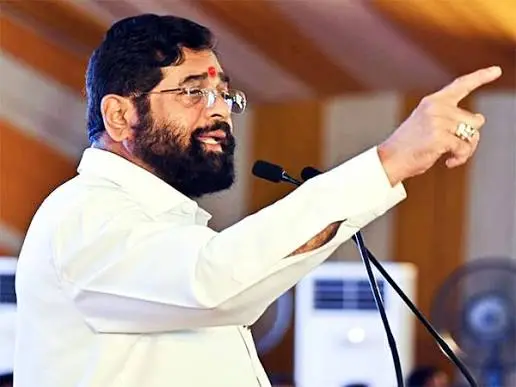
Maharashtra Deputy Chief Minister Eknath Shinde Photograph: (ANI)
The Supreme Court refused to stay Lok Sabha Speaker Om Birla’s decision recognising the merger of six Shiv Sena (UBT) MPs with Eknath Shinde’s faction. The court sought responses from the Speaker and others, while the UBT’s legal challenge against the merger continues.
In a major relief for Maharashtra Deputy Chief Minister Eknath Shinde, the Supreme Court has refused to grant an interim stay on the Lok Sabha Speaker’s decision recognising the merger of six Shiv Sena (UBT) MPs with the Shinde-led Shiv Sena. The Supreme Court’s decision means that the Speaker’s order remains operative for now, while the legal challenge filed by the Uddhav Thackeray-led Shiv Sena (UBT) continues.
The court has sought responses from Lok Sabha Speaker Om Birla and other respondents and has adjourned the matter for two weeks. The case is likely to be closely watched as it raises questions over the authority of the Lok Sabha Speaker in recognising the merger of elected MPs with another faction of the same political party.
What is the dispute?
The controversy began after Lok Sabha Speaker Om Birla, on July 18, recognised the merger of six Shiv Sena (UBT) MPs with the Eknath Shinde-led Shiv Sena, just ahead of the Monsoon Session of Parliament. The six MPs are Sanjay Jadhav, Sanjay Dina Patil, Sanjay Deshmukh, Omraje Nimbalkar, Nagesh Patil Ashtikar and Bhausaheb Wakchaure.
Following the Speaker’s decision, the Shiv Sena (UBT) approached the Supreme Court, arguing that the merger was unconstitutional and challenging the manner in which the Speaker recognised it. The UBT camp has also questioned how MPs elected on the Shiv Sena (UBT) ticket in the 2024 Lok Sabha elections could subsequently merge with the rival Shinde faction.
Trending Stories
)
)
)
)
)
)
)
)
)
)
)
)
)
)
)
)
)
)
)
)
)
)
)
&im=FitAndFill=(700,400))
)
)
)
)
)
)
)
)
)
&im=FitAndFill=(700,400))
)
)
&im=FitAndFill=(700,400))
)
Shinde camp's strength rises
The development has significantly altered the balance between the two Shiv Sena factions in the Lok Sabha. Before the merger, the Shinde-led Shiv Sena had seven MPs, while the Uddhav Thackeray-led faction had nine MPs. Following the recognition of the six-member merger, the Shinde faction's strength increased to 13 MPs, while the UBT's parliamentary strength was reduced to three. The change is politically significant because the two factions have been locked in a prolonged battle over the Shiv Sena’s political legacy, organisational control and representation in Parliament.
UBT challenges Speaker's decision
The Shiv Sena (UBT) has argued before the Supreme Court that the Speaker’s decision raises important questions of constitutional propriety.
The UBT has maintained that the six MPs were elected on its ticket and that their subsequent move to the Shinde-led party cannot simply be treated as a merger without examining the constitutional and legal requirements involved.
The petition also comes against the backdrop of the larger Shiv Sena split of 2022, when Eknath Shinde and a large group of MLAs rebelled against Uddhav Thackeray, eventually leading to the fall of the Maha Vikas Aghadi government in Maharashtra. The legal battle over the split subsequently moved to the courts and continues to have major political implications for Maharashtra.
No final verdict yet
Importantly, the Supreme Court’s refusal to grant a stay does not amount to a final judicial endorsement of the merger.
The court has only declined to put the Speaker’s decision on hold at this stage. The constitutional validity and other legal questions surrounding the Speaker’s recognition of the merger remain before the Supreme Court.
The Lok Sabha Speaker and the other respondents have been asked to respond to the UBT plea within two weeks. The matter will then be taken up for further consideration. For the Shinde camp, however, the immediate outcome is a significant relief. The merger remains recognised in the Lok Sabha, giving the faction a substantially larger parliamentary presence while the UBT’s legal challenge continues.
