Indian Space agency ISRO has procured and operationalised a Russian-origin ‘RusBeam 2800’ industrial 3D printer that is capable of producing large-scale parts up to 2.8 metres in height and weighing up to four tonnes (4,000kg), including components with complex geometries. This 3-D printer, based on Electron Beam Additive Manufacturing technology (EBAM), will be used to manufacture metal parts for India’s aerospace industry. This machine uses high-energy electron beams to completely melt metal powder layer-by-layer to produce fully dense, high-strength metal parts. The advanced 3-D printer was supplied by the Fuel Division of the Russian Nuclear Power agency Rosatom, following an international tender process.
Typical manufacturing is subtractive in nature, which means that the end product is obtained by using sophisticated cutting tools to chisel out a large block of metal into the desired shape and size. This method is best suited for high-volume mass production, high precision, and large parts. However, this process generates a lot of waste, as excess material is cut away.
As the name suggests, Additive Manufacturing (3-D printing) is a process where objects are built layer-by-layer to minimize waste. This ensures that only the necessary amount of material is consumed for putting together the end product. Additive manufacturing is suitable for prototyping, creating objects with complex geometries, and low-volume production.

“Rosatom is making a pivotal contribution to the strategic technological partnership between Russia and India. Following the December 2025 summit of our leaders, Vladimir Putin and Narendra Modi, their joint statement highlighted the prospects of cooperation in peaceful nuclear energy and space, including plans to deepen cooperation on non-energy nuclear applications and new non-nuclear products. We won this tender offering not only cutting-edge Russian hardware but also our technological expertise, materials, and service, all tailored to the customer’s requirements. We are already in discussions with our Indian partners regarding further supplies, joint R&D in additive technologies, as well as potential localisation of equipment manufacturing in India,” said Alexey Likhachev, Director General of Rosatom.
The Russian Government firm touted that the ‘RusBeam 2800’ is now India’s largest electron-beam wire deposition 3-D printer operating under vacuum. It added that the 3-D printer was custom built for the Indian space agency. The system’s productivity is a key advantage: with a print speed of up to 50 mm/s, it can fabricate a 50 kg part within just five hours. The printer is compatible with a wide range of refractory and reactive materials, including titanium-, nickel-, and cobalt-chrome-based alloys, Rosatom said about the capabilities of its industrial 3-D printer.
“The high deposition rate and vacuum-controlled environment of the EBAM machine from Rosatom, Russia represents a significant leap in ISRO’s capability to fabricate large-scale, near-net-shape components from advanced titanium alloys, superalloys and refractory alloys. By integrating this critical technology, we can drastically reduce lead times for aerospace structures while ensuring the material integrity required for the extreme conditions of space. This strategic addition to our additive manufacturing portfolio will be a cornerstone in achieving the rapid prototyping and production goals essential for our future orbital infrastructure and deep-space missions like Gaganyaan, Bharatiya Antariksh Space Station and Chandrayaan missions,” said an official from the Vikram Sarabhai Space Centre.
Trending Stories
)
Did India risk its US trade deal despite softer stance at BRICS?
&im=FitAndFill=(700,400))
How 2nm technology improves iPhone performance
&im=FitAndFill=(700,400))
Shahid Kapoor to Rajkummar Rao: Actors who rule both theatres and OTT
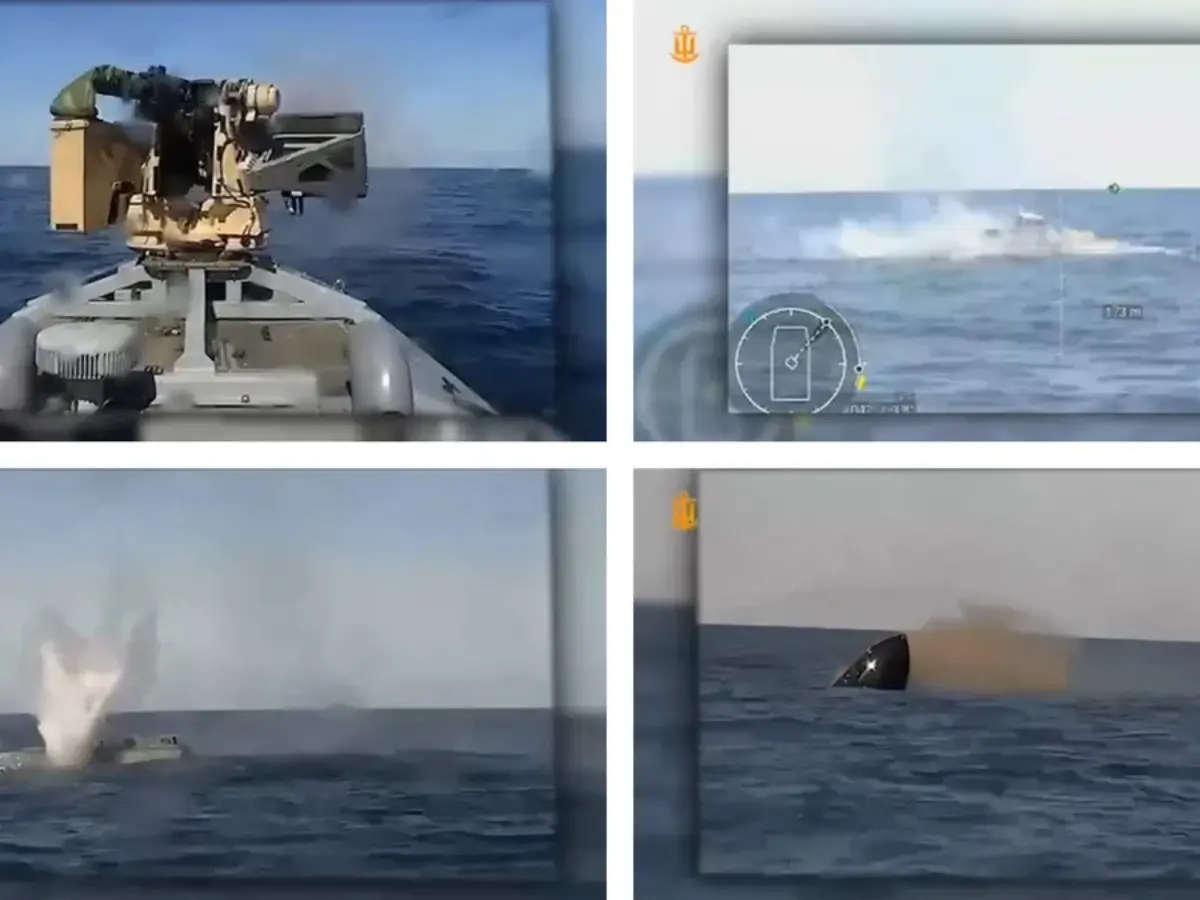)
First naval drone battle? Ukraine says Sargan 3000 sank Russian unmanned boat
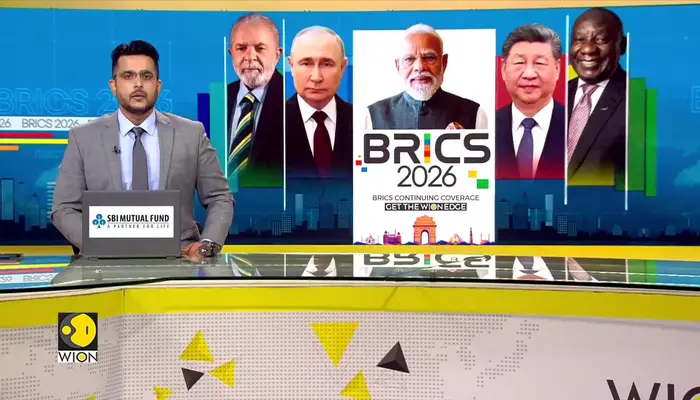)
BRICS Summit 2026: Trump wants to weaken BRICS, but maybe doing the opposite
&im=FitAndFill=(700,400))
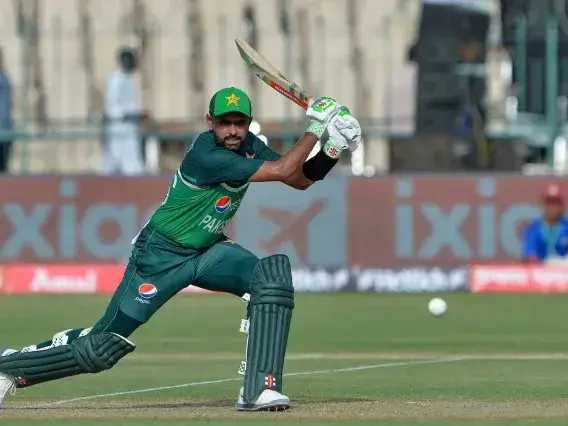
Meet top 5 batters fastest to 3000 runs in T20Is
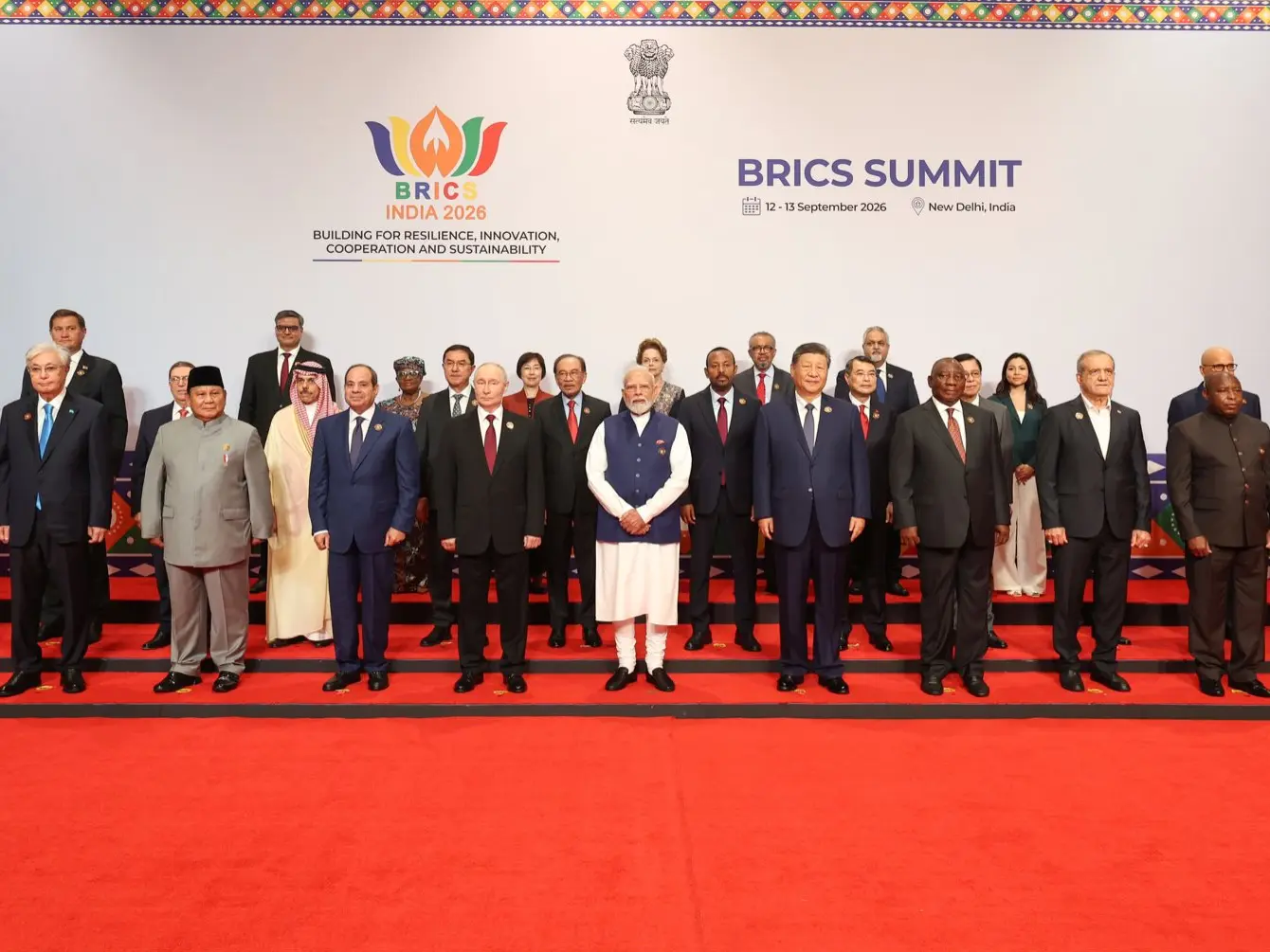)
Did BRICS Summit 2026 prove that an 11-member bloc with India and China in it can still agree on key issues?
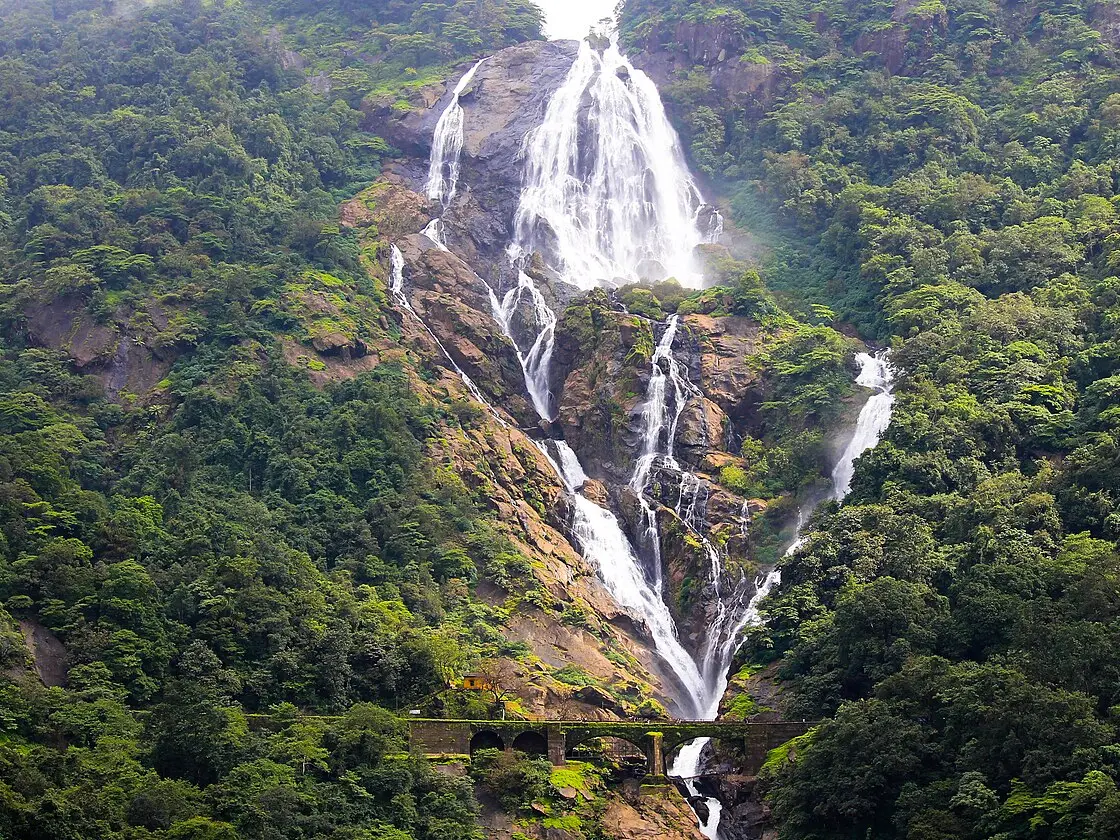)
Top 5 places to visit in Goa beyond its famous beaches
)
Delhi’s balancing act: BRICS serves as a stage for West Asia diplomacy
&im=FitAndFill=(700,400))
Why European Meteor missiles use ramjet engines compared to standard US solid rockets
)
'He is popular...': Malaysian PM Anwar Ibrahim's praise for PM Modi during bilateral meeting | WATCH
)
Iran, India agree to deepen humanitarian and political ties, President Pezeshkian says
)
‘Want to reset ties with India, have engagement based on mutual interests,’ says Bangladesh minister
)
BRICS Summit 2026: PM Modi, Xi reach key consensus on ties, China to assume BRICS chairmanship in 2027
)
UK breakup on the cards? Scotland, Wales and Northern Ireland push for independence
)
Russia-Ukraine-US talks in October? Kremlin says not ruling out possibility of trilateral
)
Trump says Canada eager to reach a deal, it could come ‘fairly soon’ if Ottawa treats US farmers better
)
The Verdict | Africa is too big to remain a guest at the BRICS table
)
‘Partners, not rivals’: Xi outlines four point plan for stronger India-China ties
&im=FitAndFill=(700,400))
Why Chinese PL-15 air-to-air missiles use dual-pulse motors compared to European interceptors
)
NATO under Russian threat? Drone strikes just 2 km from Poland, narrow escape for former UK PM, CIA chief
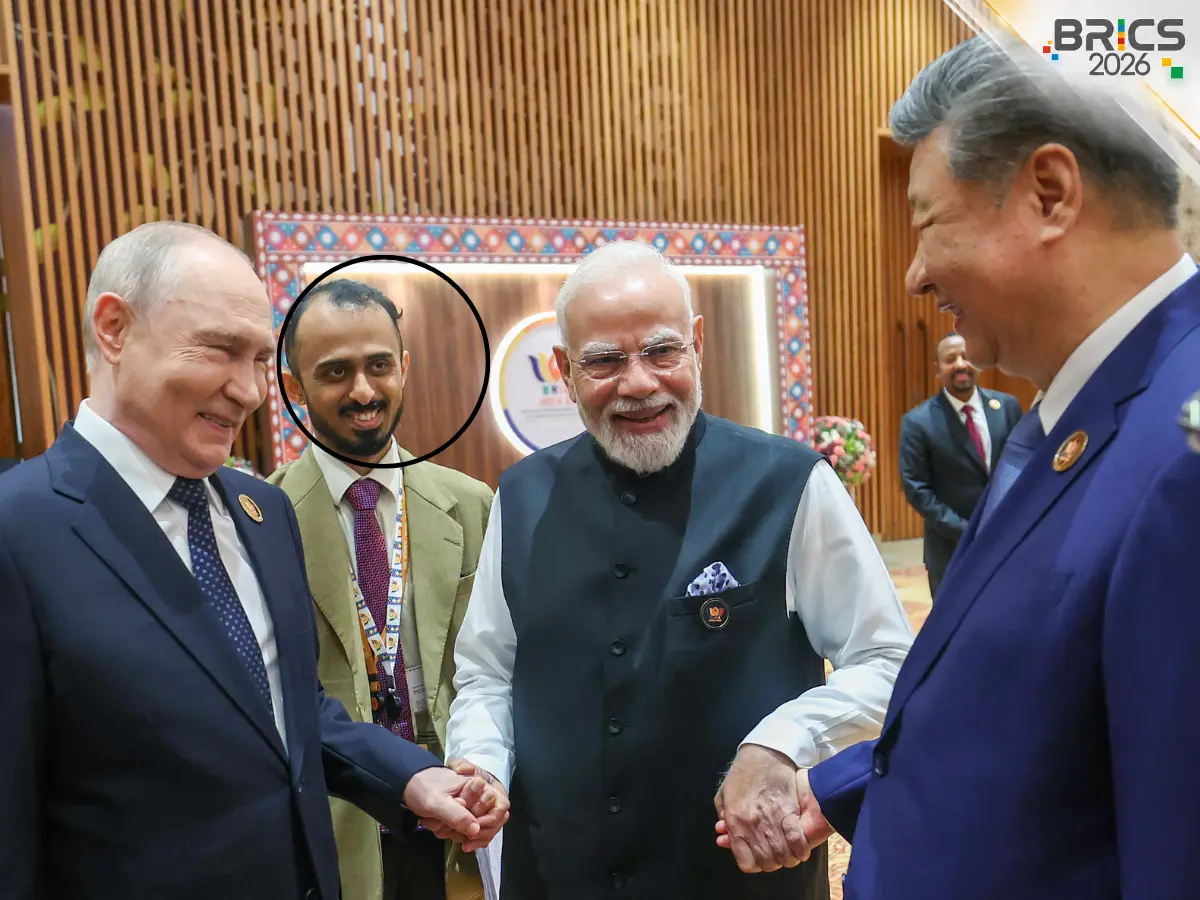)
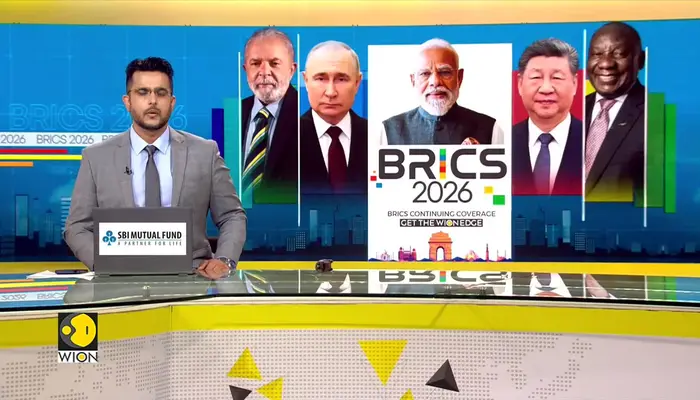
Who is the smiling man beside Modi, Putin and Xi at BRICS Summit 2026?
)
BRICS Summit: New Delhi declaration adopted with full consensus, big diplomatic win for India
)
800 million years old - Scientists discover 'fingerprints' of supercontinent Gondwana in ancient rocks
)
Russian drone hits Warsaw-bound train near Polish border, Zelensky accuses Moscow of ‘deliberate’ targeting
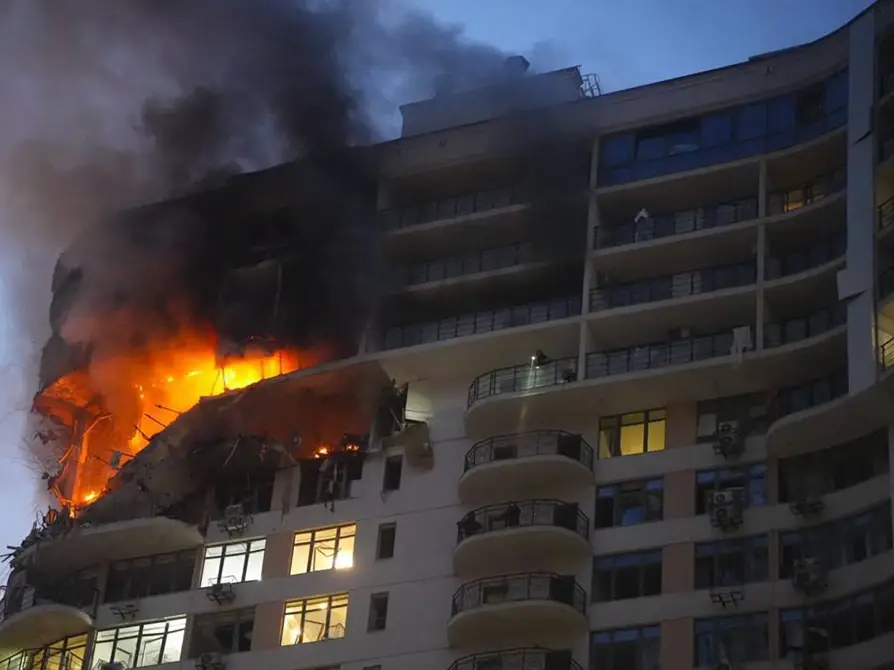)
War is making Russia stronger? How Ukraine is shaping Moscow’s next generation of weapons
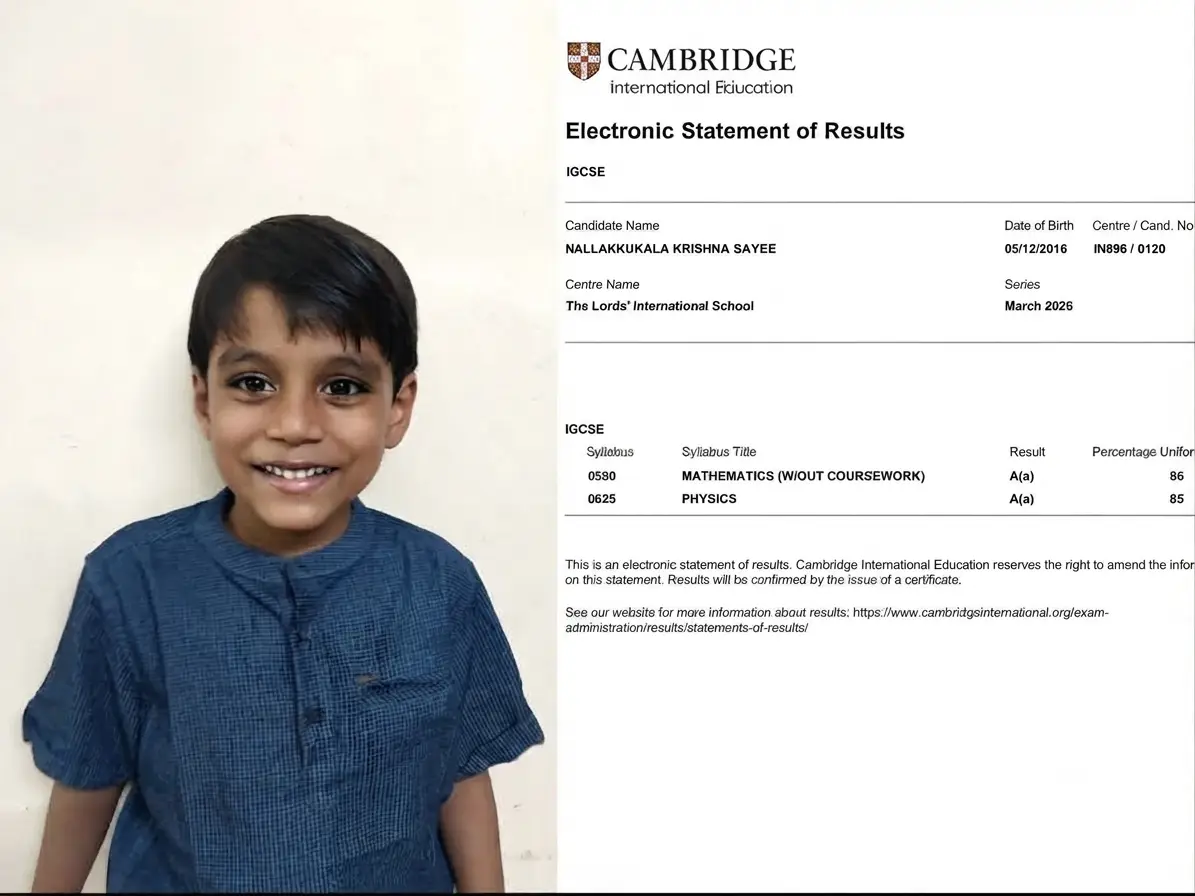)
9-year-old Chennai prodigy clears Cambridge IGCSE grade 10 exams
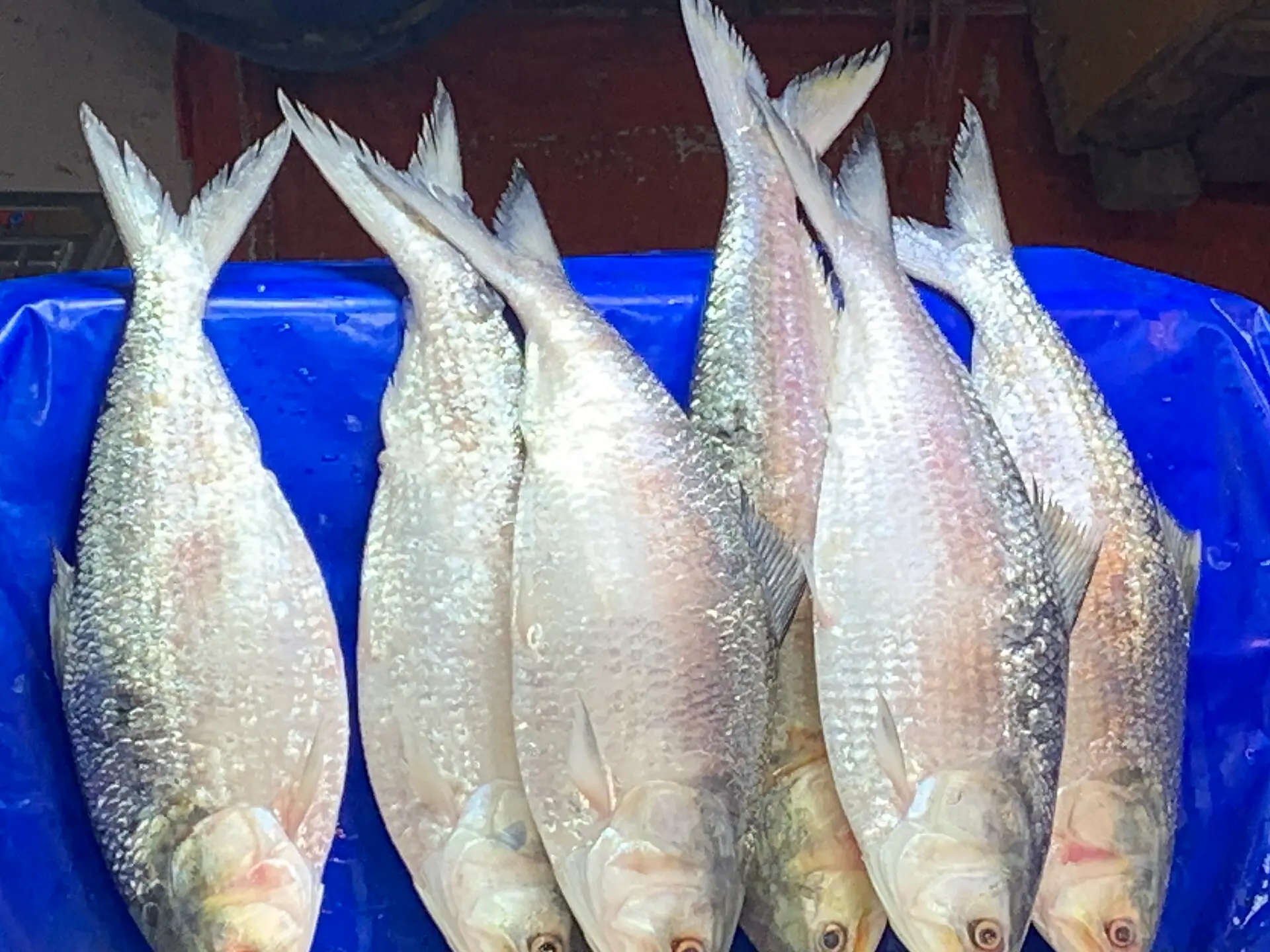)
Indian importers urge Bangladesh to lift export ban on 'Hilsa' fish ahead of Durga Puja
)
Humans may lose control of AI: Anthropic CEO calls for slowdown, Altman, Musk back him
)
US diplomat accused of possessing child abuse images secretly flown out of UK by US Marines
)
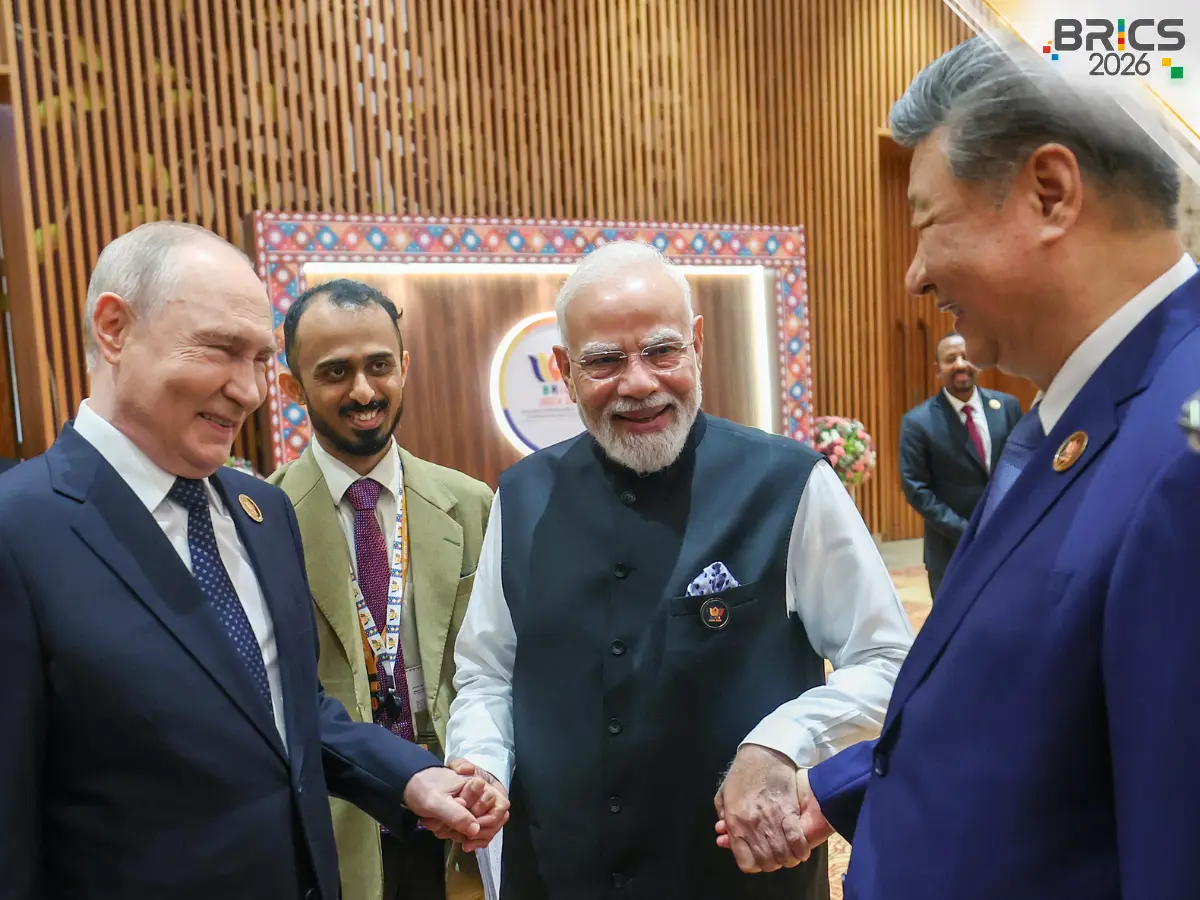
BRICS Summit 2026: Modi-Xi moment highlights India-China thaw at BRICS
&im=FitAndFill=(700,400))
From Rinku Singh to Mayank Yadav, 5 players dropped from India’s squad for Afghanistan T20Is
)
PM Modi and China's Xi offered to help resolve Russia-Ukraine war: Kremlin
)
Akram, Afridi, Mushtaq tear into PCB after Pakistan’s Test series collapse in UK
ISRO’s Thiruvananthapuram-based Vikram Sarabhai Space Centre is the agency’s lead facility. VSSC pioneers in rocket research and launch vehicle projects of ISRO. The Centre also pursues research and development activities in associated areas like propellants, solid propulsion technology, aerodynamics, aero structural and aero thermal fields, avionics, polymers and composites, guidance, control & simulation, computers and information, mechanical engineering, aerospace mechanisms, vehicle integration and testing, stage separation systems, and chemicals and materials.