India's free seat selection plan can backfire! Airlines warn passengers may end up paying more. Here's how

&imwidth=600&imheight=450&format=webp&quality=medium "India's free seat selection plan can backfire! Airlines warn passengers may end up paying more. Here's how")
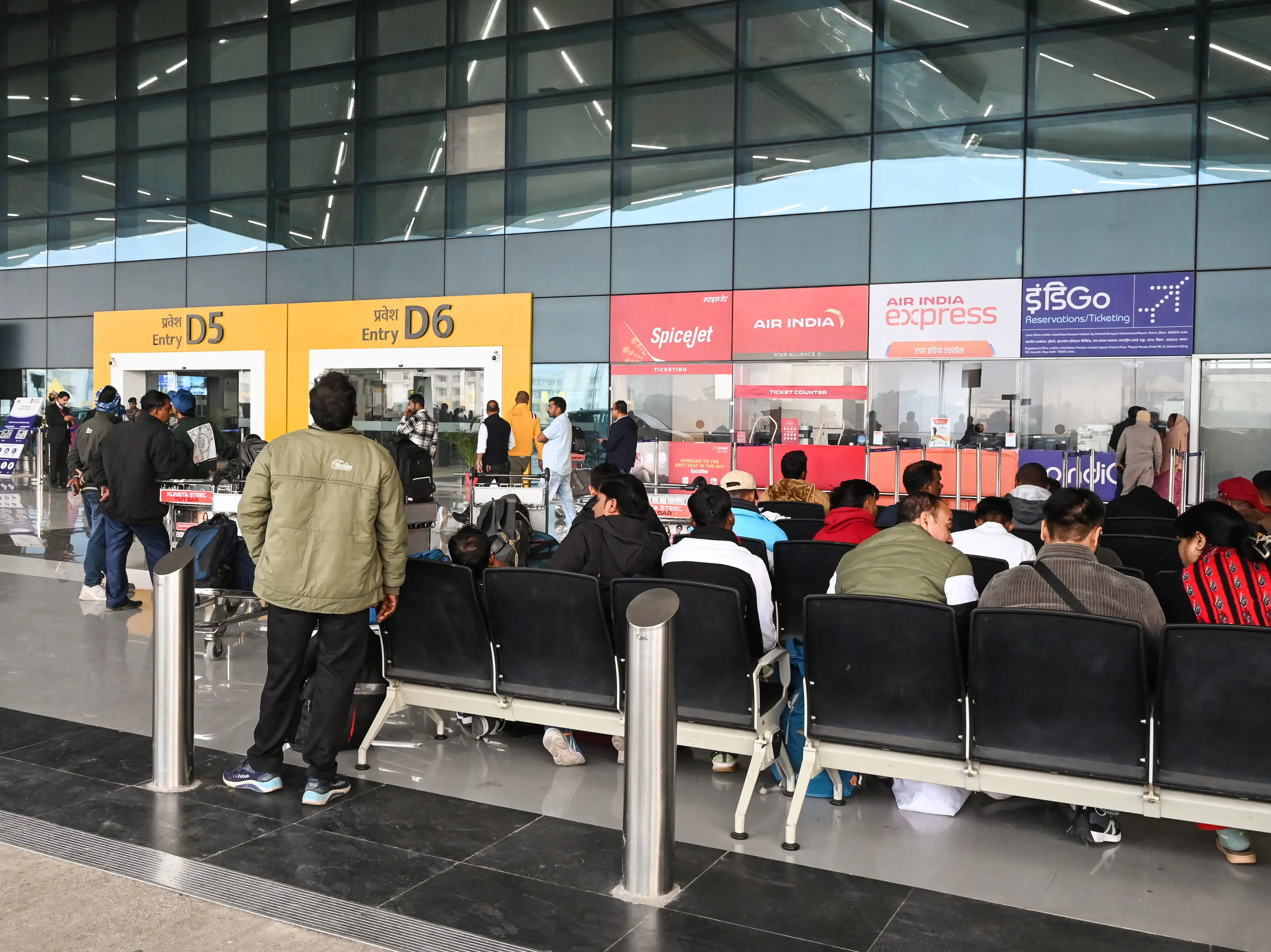
Passengers wait at Jai Prakash Narayan International Airport, Patna, December 2025. Photograph: (ANI)
Airlines vs GOI: India orders 60% free seat selection, but carriers warn it could backfire. With fuel costs rising amid the Iran war, airlines say lost revenue may mean higher ticket prices for everyone. Relief for flyers or costlier travel ahead? Scroll to see
India’s top carriers are pushing back against a new Government of India (GOI) directive on seat selection. Generally, airlines charge anywhere from ₹200 to ₹2,100 to passengers for choosing seats according to their preference. The price depends on a number of factors, including front rows and extra legroom. However, amid the ongoing energy crisis due to the war between the United States, Israel and Iran in West Asia, the GOI has stepped up to ensure transparency and ease for the flyers. In a mandate issued this week, the Union Ministry of Civil Aviation has directed airline operators to keep at least 60 per cent of seats on any flight free of charge for selection. However, airlines warned that the move could actually lead to a fare hike. Here's all you need to know.
Ease of flying or expensive tickets?
Air India and SpiceJet, along with the Federation of Indian Airlines (FIA), have opposed a move that would make at least 60 per cent of seats on every flight free for selection.
In a letter to Civil Aviation Secretary Samir Kumar Sinha, the FIA warned the decision could have unintended consequences, not for airlines alone, but for passengers as well. It warned that, faced with significant revenue loss, airlines would be forced to raise fares. "The financial impact of the directive on airlines will be significant, compelling airlines to recover the lost revenues through increases in fares. As a result, all passengers, including those who may not wish to preselect seats, will end up paying higher fares," it said.
Seat selection fees, it said, are not a bonus; they are part of how the business stays afloat. "Airlines operate on thin margins and rely on ancillary revenues to offset rising operational costs, including fuel, maintenance, airport charges, etc. Imposing a uniform restriction on ancillary revenue undermines commercial flexibility and interferes with market-driven pricing mechanisms," noted the FIA.
Trending Stories
)
)
)
)
)
)
)
)
)
)
)
)
)
)
)
)
)
)
)
)
)
)
)
&im=FitAndFill=(700,400))
)
)
)
)
)
)
&im=FitAndFill=(700,400))
)
)
&im=FitAndFill=(700,400))
)
)
Also read | IRGC warns Ras Al-Khaimah residents to evacuate — why is Iran threatening UAE and what happens next?
What the rule says
The Civil Aviation Ministry recently directed the Directorate General of Civil Aviation (DGCA) to ensure that a majority of seats are available for free selection. The idea is straightforward. Give passengers fair access, especially as complaints grow over high charges for basic services, including choosing seats.
FIA also said that it will "set a precedent for excessive intervention in ancillary pricing with heavy loss of revenues for the airlines, apart from creating uncertainty for airlines regarding future regulatory constraints".
Airlines have also flagged rising fuel costs. With tensions in West Asia pushing up jet fuel prices and disrupting routes, airlines say they are already operating under strain.

