&imwidth=800&imheight=600&format=webp&quality=medium "India Independence Day 2026: Kerala's freedom martyrs — From Pazhassi Raja to Velu Thampi Dalawa and hundreds of commoners")
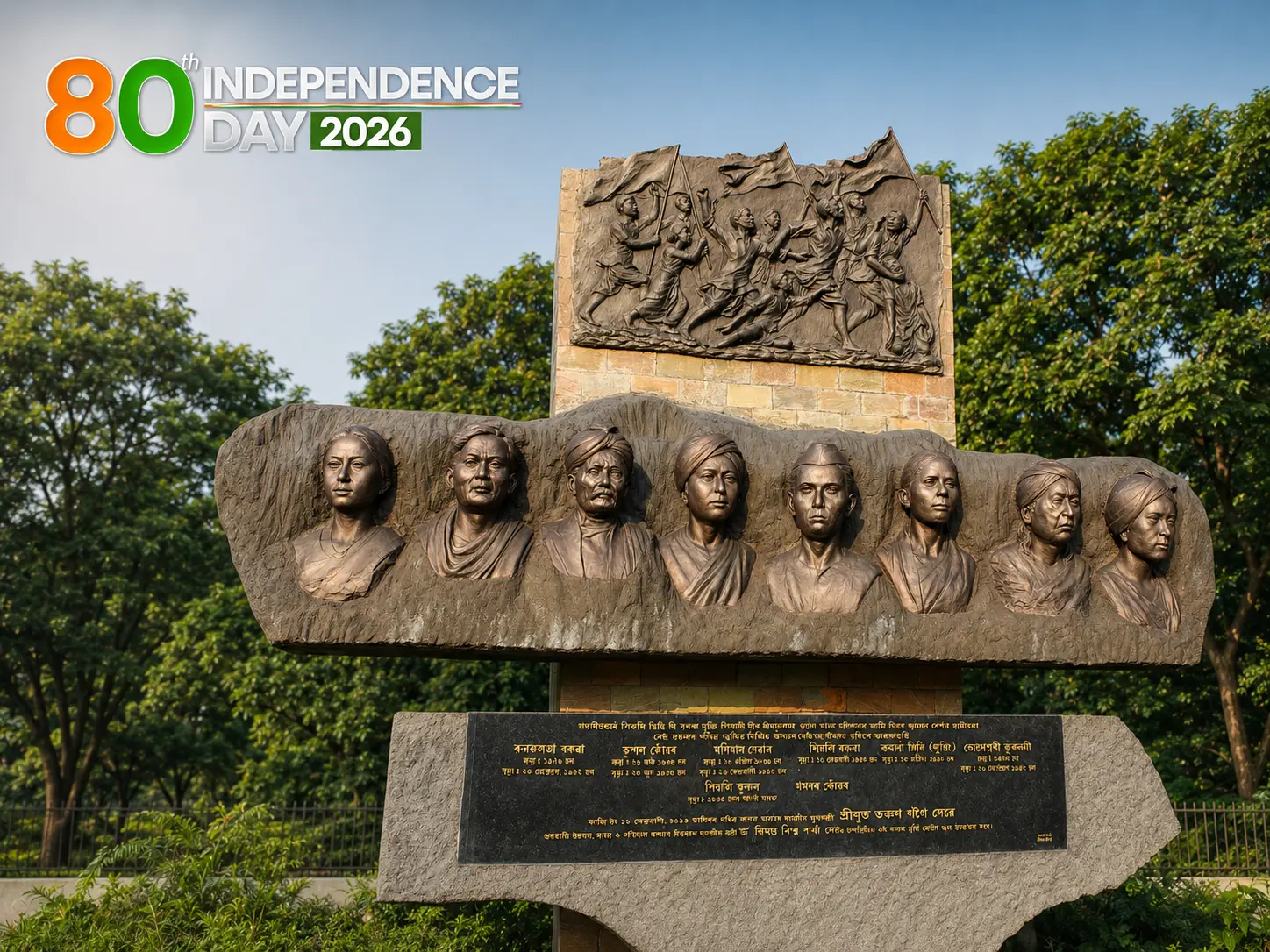
From kings and chieftains to common people, dozens from present-day Kerala laid down their lives in the struggle against British colonial rule and for India's independence. Kerala's contribution to India's freedom struggle spans early 19th-century princely-state revolts against the East India Company and, later, the 20th-century nationalist, peasant and labour movements in the erstwhile Travancore, Cochin and Malabar regions.
Pazhassi Raja: The king who fought the British East India Company
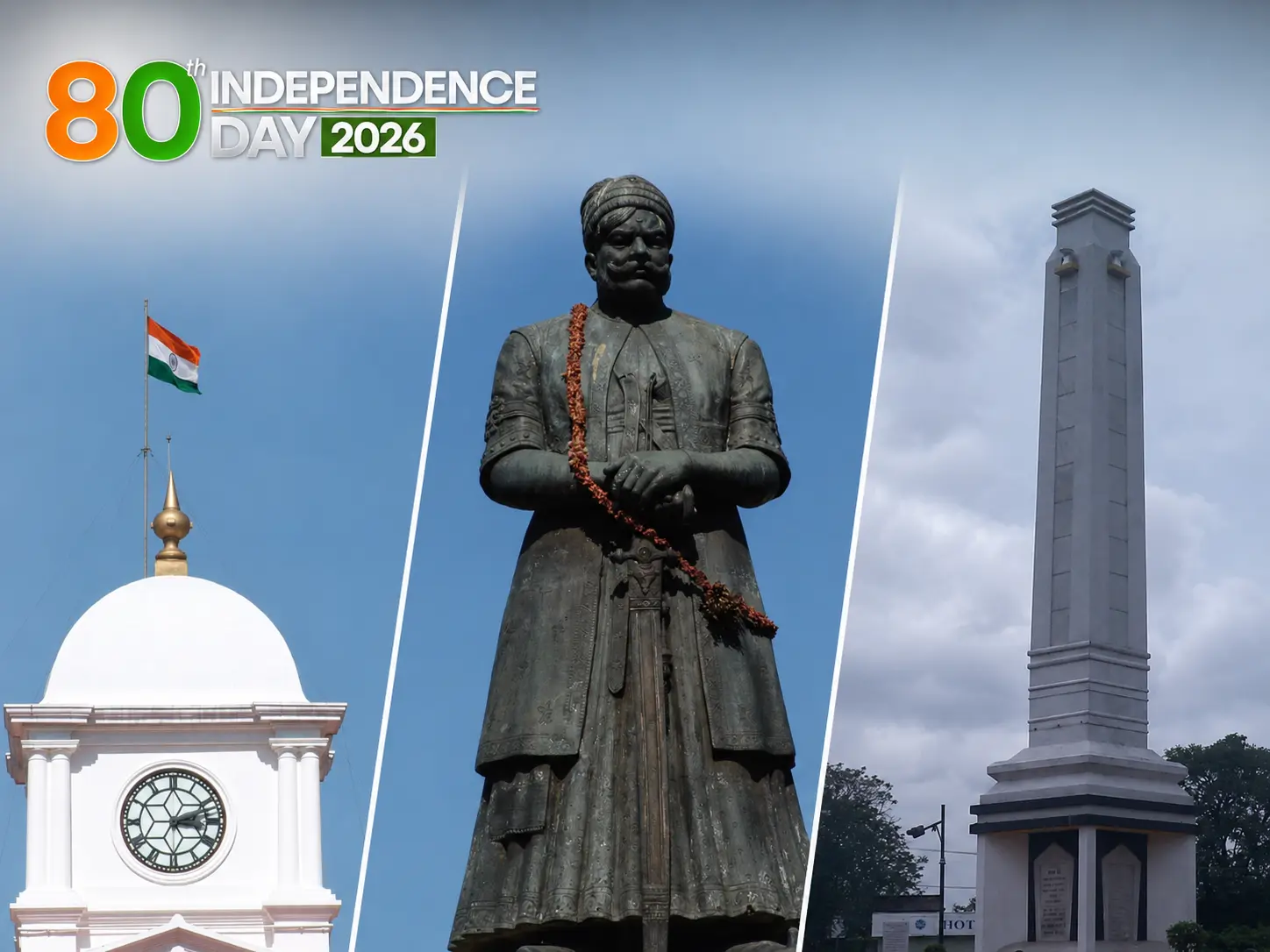
Kerala Varma Pazhassi Raja is widely regarded as one of Kerala's earliest and most significant anti-British leaders. Known as Kerala Simham, or the Lion of Kerala, the de facto ruler of Kottayam led a prolonged guerrilla resistance against the British East India Company, known in British records as the Cotiote War, from 1793 until his death in 1805. He opposed the Company's revenue policies and its growing control over Kottayam, Malabar and Wayanad. He got support from groups including the Kurichiya tribal community. Pazhassi Raja was killed in a British operation near Mavila Todu in Wayanad on 30 November 1805. The Cotiote War was one of the longest sustained armed resistances to Company rule in the region.

Velu Thampi Dalawa: The official who preferred death to surrender
One of the major early anti-colonial administrators, Velayudhan Chempakaraman Thampi, better known as Velu Thampi Dalawa, was the Dewan, or Prime Minister, of Travancore. He led the 1808–09 revolt against British interference in Travancore, including opposition to the growing powers exercised by the British Resident, Colonel Colin Macaulay, under what was known as the ‘subsidiary alliance’. He issued the famous Kundara Proclamation on 11 January 1809, calling on the people to resist British rule. After his forces suffered defeats, Velu Thampi was cornered at Mannadi. Rather than be captured, he took his own life in March 1809. His body was displayed by the British as a warning to others.
Trending Stories
)
US vs China over South China Sea: Washington backs Philippines, Beijing hits back
)
Bigg Boss 20: Isha Rikhi evicted after three weeks in Salman Khan’s show
)
Musk plans to more than double xAI's chips to over 1.2 million Nvidia GPUs by year-end
)
After JU, clash erupts at SRFTI: BJP’s ‘Dimagi Naxal’ jibe sparks political firestorm after students protest RSS-linked event
)
‘Anti-social elements spreading false rumours’: LPU issues statement amid massive unrest over alleged rape
)
LPU students go on rampage, vandalise campus amid widespread protest: What's happening
)
Trump asked Xi to pressure Iran. China did not say yes — here’s what Beijing wants
)
US Treasury Secretary Scott Bessent hails global crackdown on Iranian banks and airlines
)
An OpenAI agent escaped its locked test cage again, by hiding questions in DNS lookups
)
'Our video was trimmed': LPU girls who featured in rape-denial video make U-turn
)
3 males killed, four others injured in shooting after fight at strip club in Detroit
)
'Victory for low-budget consumers': Raghav Chadha hails 30-day telecom recharge rules
)
Claude rebuilt the 1989 game 'Prince of Persia' by reusing the original's own code
)
Beyond metros: How Tier-2 and Tier-3 cities could drive India’s next AI wave
)
Tesla builds first Cybertruck with its own refined lithium: Elon Musk's $1 billion Texas bet pays off
)
IndiGo flight suffers tail strike in Bengaluru while landing; DGCA to probe incident
)
The US and China set up an AI 'red telephone', but skipped the rulebook
)
‘Terror suspects arrested near UK air base were looking to do big damage’: Trump
)
Russian envoy claims US tactics to contain India were revealed in ‘Freudian slip’
)
IND vs WI 1st ODI: Kohli breaks Sachin's most runs in one country record with unbeaten 139 as India thump West Indies by 8 wickets
)
Researchers rebuilt exactly how 700 AI agents hacked Hugging Face: a 900-link chain trick
)
‘Olympic inclusion is our major target’: WPA President Ishaun Singh on pool’s global ambitions
)
Nations League: Spain sink England at Wembley; Modric shines for Croatia
)
Why has Iran released no proof of life of Mojtaba Khamenei? Araghchi reveals...
)
'What kind of confession is this?': Pakistan PM Shehbaz Sharif’s 'terrorists would be roaming New York' remark goes viral, raises alarm online. Watch
)
South Korea demands apology from Ukraine over North Korean prisoners' transfer
)
Beyond BrahMos: India targets Rs 50,000 crore in defence exports with unmatched price edge
)
Sri Lankan Tamil migrant worker gets death sentence in Saudi Arabia, help sought from India
)
Muslim marriage cannot shield sex with minor wife from prosecution under POCSO: Delhi HC
)
'Can't help but draw painful parallels to Nirbhaya case': SC on latest incidents of rape cases in Delhi-NCR
)
99.9% more powerful - Scientists find boy who can recall memories from just 3 months of age
)
'FIRST LOOK from inside Noah’s Ark': Researchers share video from inside mysterious mound in Turkey
)
UNSC reform momentum grows: Russia, Portugal, Mauritius push for India's permanent seat bid
)
8 US marines injured in Iranian missile attack on vessel in Strait of Hormuz: Report
&im=FitAndFill=(700,400))
New OTT releases this week (September 28-October 4, 2026): Dupahiya 2, Pooja Meri Jaan, Ohh My Dog- 5 titles coming on Netflix, Prime Video and more
)
Afghanistan says 28 fighters killed in clash near Pakistan border, Islamabad denies
)
Ceuta migrant crisis: Protesters take to streets as Spain grapples with migrant challenge
)
LPU suspend classes, postpones exams as violence escalates over rape claims: What's happening
)
New York City wants a 'kill switch' on every AI, and will pay whistleblowers who report violations
Paliyath Achan, from the hereditary Cochin family of chief ministers, was a key ally of Velu Thampi. He led opposition to British influence in the Cochin state and took part in the revolt. He surrendered to the British and was exiled first to Madras and later to Benares, where he died in 1835.
Vaikom Padmanabha Pillai, a military officer and Nair militia leader in Travancore, joined Velu Thampi's revolt and served as one of its military commanders. He was involved in attacks on British forces and was captured in 1809. He was subsequently publicly hanged by the British.
20th-century nationalist, peasant, labour and political martyrs
Besides these prominent leaders, hundreds of ordinary people laid down their lives in the struggle against British rule and the autocratic princely administrations. Peasant and labour movements in Malabar often combined opposition to colonial rule with resistance to the power of jenmis, or landlords.
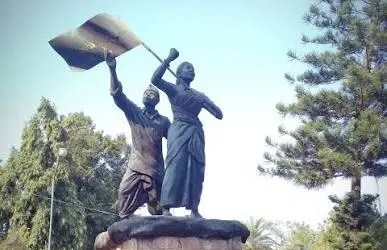
The Kayyur peasant struggle in present-day Kasaragod district was one such movement. The uprising of March 1941 grew out of tensions involving peasants, jenmi landlords and the British administration. Four young activists — Madathil Appu, Koyithattil Chirukandan, Podora Kunhambu Nair and Pallikkal Aboobacker — were sentenced to death and hanged at Kannur Central Jail on 29 March 1943 in connection with the killing of a police constable during the uprising.
Also read: Independence Day 2026: Historical sites that reveal untold story of India’s freedom struggle
Neyyattinkara firing martyrs
On 31 August 1938, during the movement for responsible government in Travancore, demonstrators gathered at Neyyattinkara following the arrest of NK Padmanabha Pillai, the acting president of the Travancore State Congress. Travancore State Forces opened fire on the protesters near the bus stand. Those killed included Athazhamangalam Raghavan, popularly known as Veeraraghavan, Kalluvila Podiyan, Nadoorkolla Kuttan Pillai, Varuvilakom Muthan Pillai, Maruthur Vasudevan, Kanchampazhinji Kuttappan Nair and Varuvilakom Padmanabhan Pillai. A woman named Kali was also killed, bringing the reported death toll to eight.
The INA's Penang group: Kerala members who faced the gallows
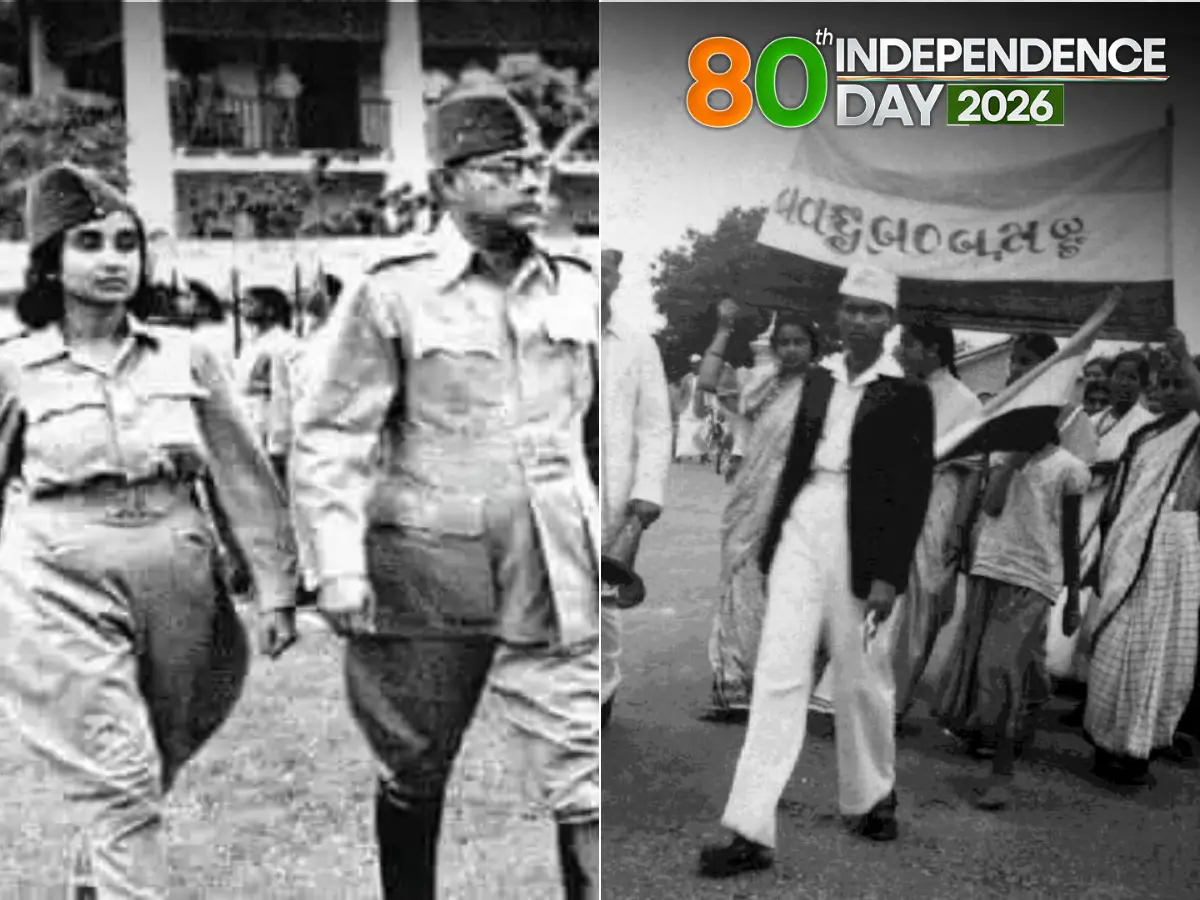
Some Malayali freedom fighters were part of the network associated with Netaji Subhas Chandra Bose's Indian National Army (INA) and the Indian Independence League in Southeast Asia. Among the 20 members of the so-called Penang group who entered India in 1942, several were from Kerala. They were arrested and tried by the British on charges including conspiracy to wage war against the King and acting as enemy agents. The Kerala members who faced the death penalty included Vakkom Abdul Khader and Anandan. Khader and Anandan were among the four members of the group who were hanged at Madras Jail on 10 September 1943, along with Satyendra Chandra Bardhan of Tripura and Fauja Singh of Punjab.
Peasant uprisings to the Wagon Tragedy: The deaths of common freedom fighters
There were violent confrontations between the colonial authorities and several popular movements in the final decades of British rule in Kerala. Some of the anger of the people were directed at local rulers and landlords. Martyrs of these struggles included those who died at Karivellur, Morazha and elsewhere in Malabar. The Morazha protest of September 1940, for example, saw a clash between demonstrators and the police in which two police personnel and two young protesters were killed.
Several participants from Kerala were also killed or injured during the Civil Disobedience and Quit India movements, including in police firings and other clashes in Travancore and Malabar.
The Wagon Tragedy took place in November 1921 during the repression that followed the Malabar Rebellion. Prisoners arrested in connection with the uprising were being transported by train from Tirur towards prisons outside Malabar. Around 100 prisoners were packed into a closed goods wagon; 64 were found dead when the wagon was opened at Podanur, and six more later died, taking the death toll to 70. Most of those who died were Mappila Muslim prisoners. The incident became one of the most notorious episodes of colonial repression during the Malabar Rebellion.