Independence Day 2026: 9 lesser-known facts about India’s freedom struggle

As India marks its 80th Independence Day, revisit forgotten chapters of the freedom struggle that reveal hidden stories of resistance, courage and sacrifice from across the country in a fresh perspective.
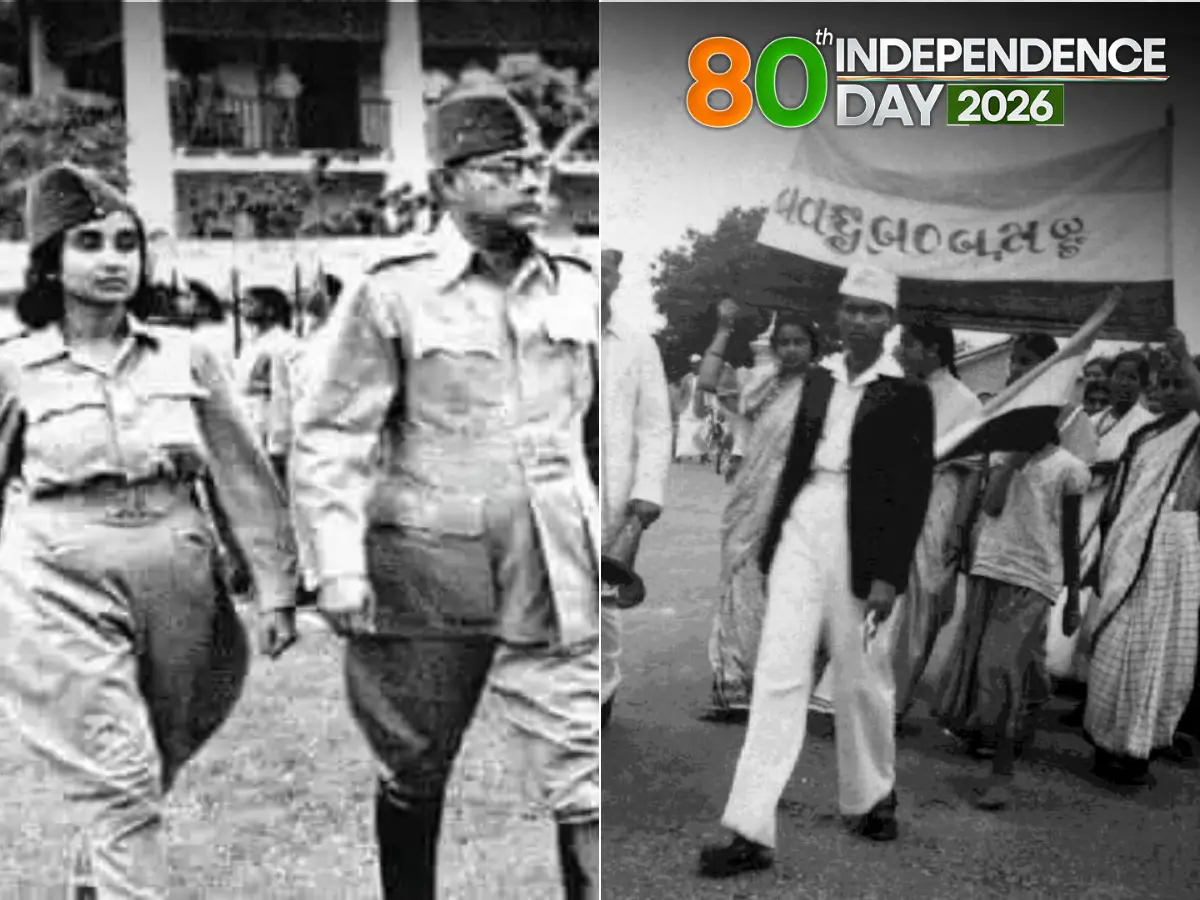
India’s 80th Independence Day
India’s freedom struggle is often remembered through iconic figures such as Mahatma Gandhi, Bhagat Singh and Subhas Chandra Bose. But the movement was far more diverse than most textbooks suggest. Across forests, villages, princely states and coastal towns, thousands of ordinary people led revolts, ran underground networks and challenged British authority in ways that remain largely forgotten. As India marks its 80th Independence Day on August 15, 2026, these lesser-known stories offer a deeper look at the many battles that shaped the nation’s path to freedom.
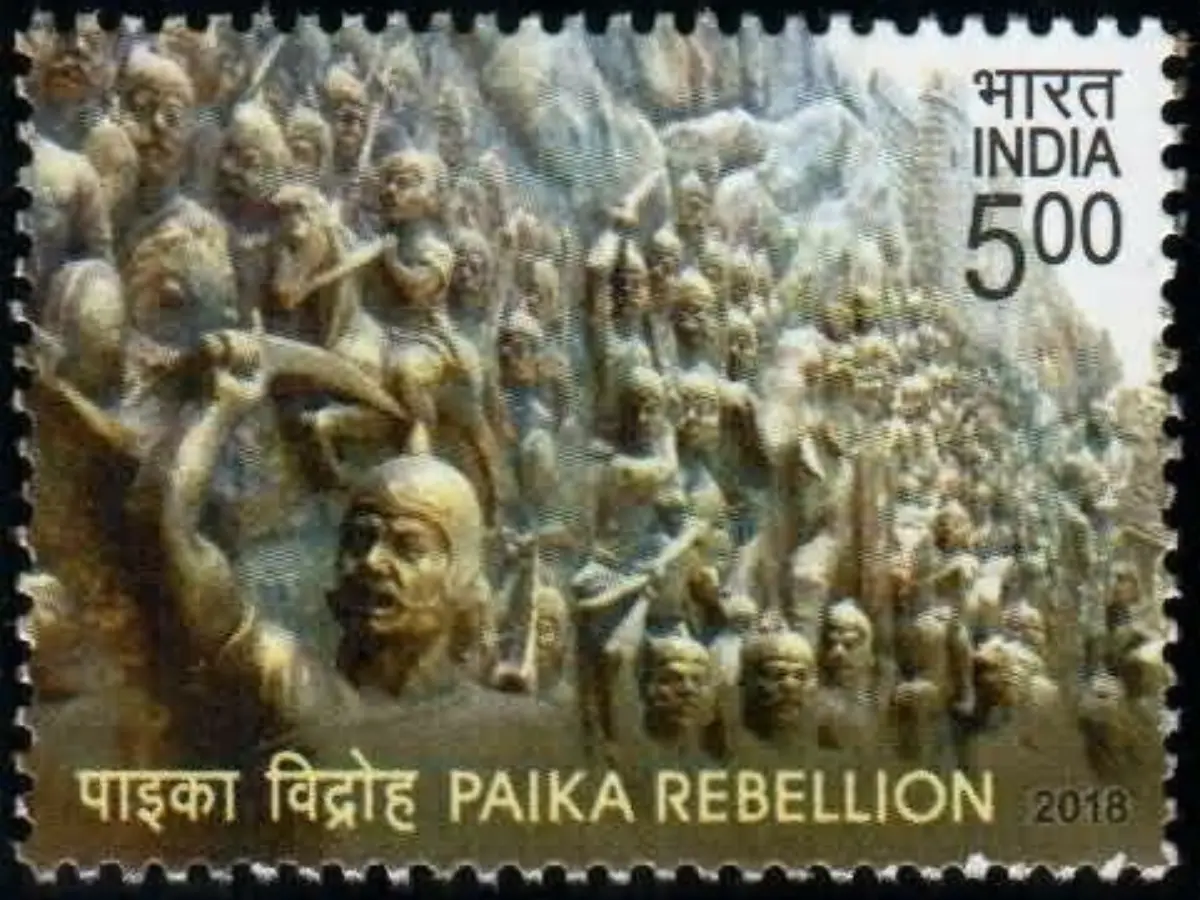
The Paika Rebellion came before 1857
Long before the Revolt of 1857, the Paikas of Odisha launched a major uprising against the British in 1817. The rebellion began in the Khurda region and involved local militia, peasants and traditional landholders who resisted colonial policies and revenue demands.
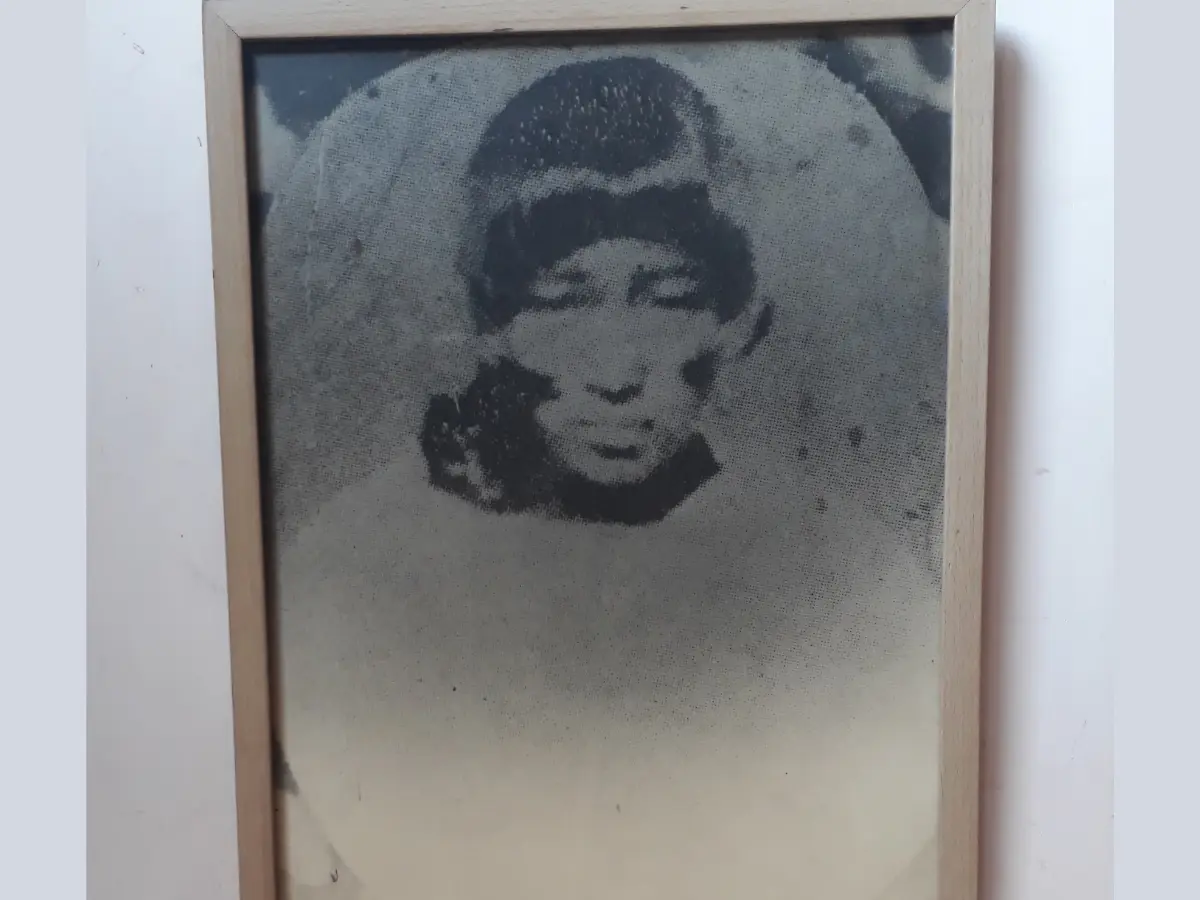
A teenage leader defied the British
Rani Gaidinliu, a Naga leader, joined the anti-colonial movement while still in her teens. She was arrested in 1932 and spent years in prison. Her resistance in the Northeast highlighted that the freedom struggle extended far beyond the major political centres.
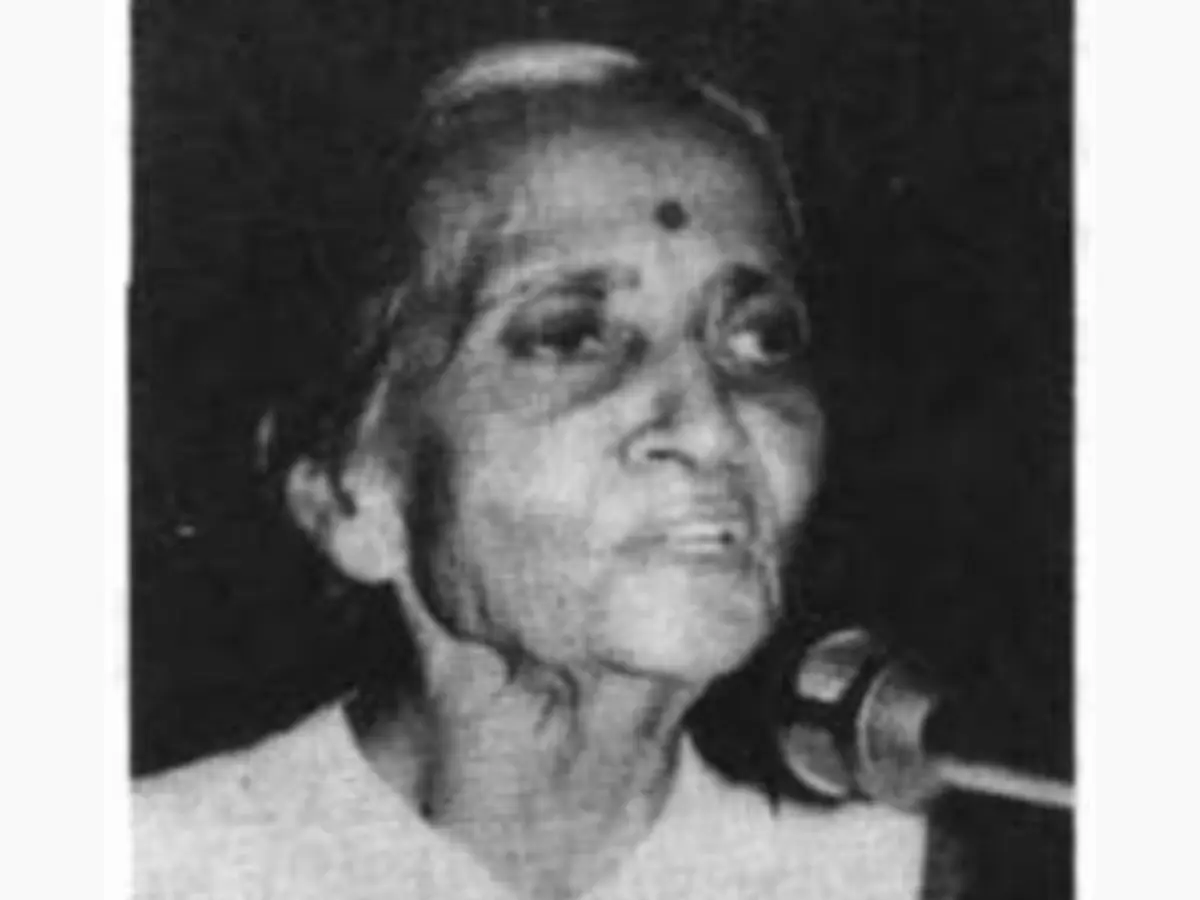
Women operated secret radio networks
During the Quit India Movement, Usha Mehta, a 22-year-old freedom fighter, ran an underground radio station that broadcast messages across the country. The secret transmissions became a vital communication link after many national leaders were imprisoned by the British.
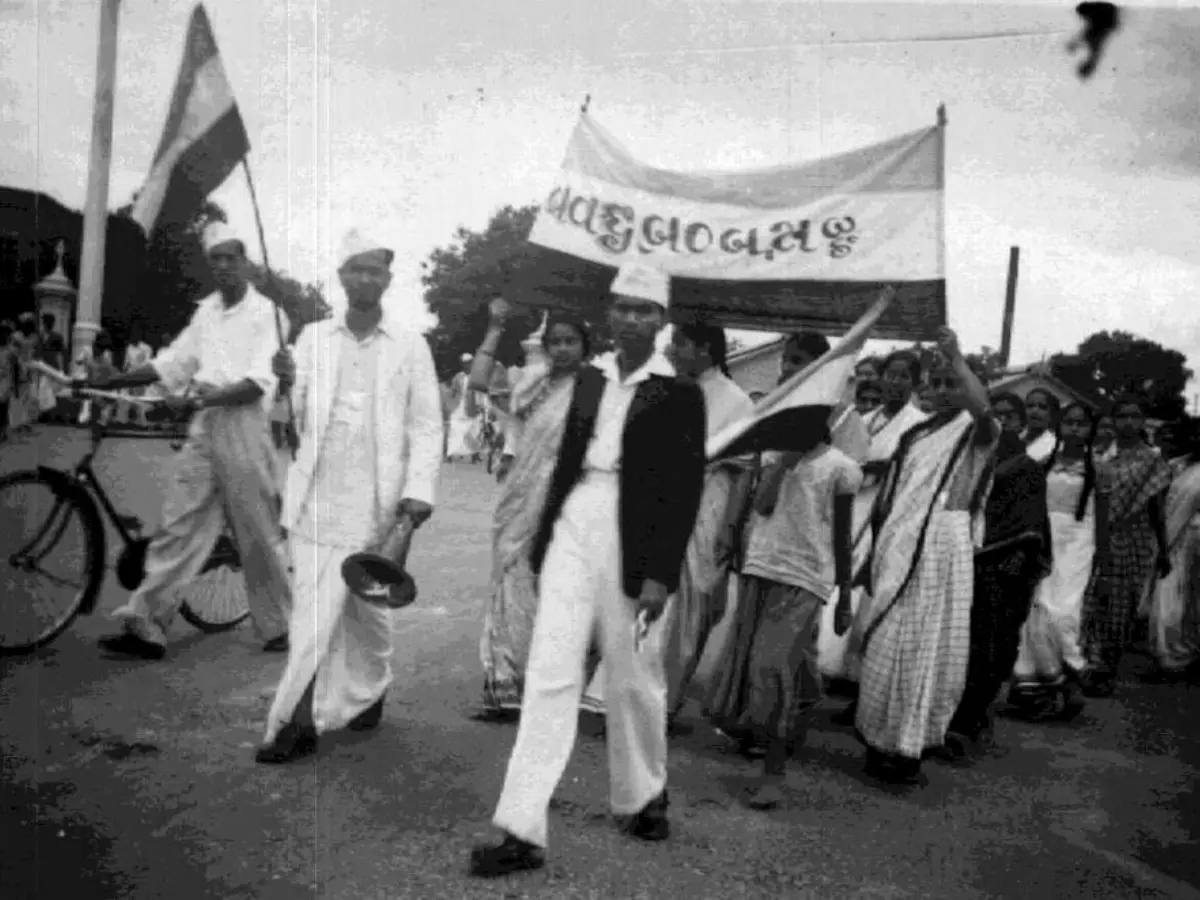
Parallel governments challenged colonial rule
In places such as Tamluk in Bengal, Satara in Maharashtra and Ballia in Uttar Pradesh, local leaders briefly established parallel governments. These administrations collected revenue, ran local services and symbolically replaced British authority during the Quit India Movement.
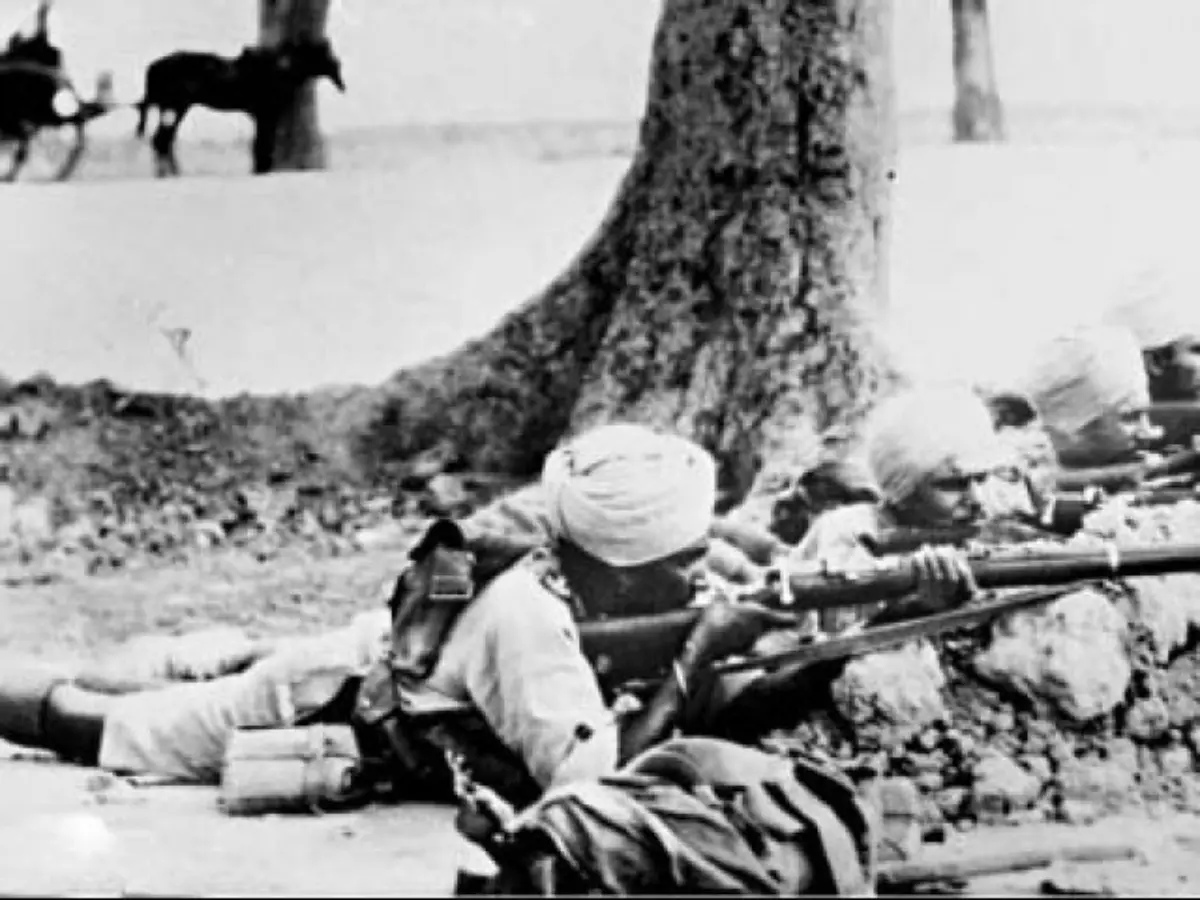
Indian soldiers refused to fire on protesters
In 1930, soldiers of the Garhwal Rifles refused British orders to shoot unarmed protesters in Peshawar (now in Pakistan). Their decision was one of the rare instances of military defiance against colonial authority and became a powerful example of moral resistance.
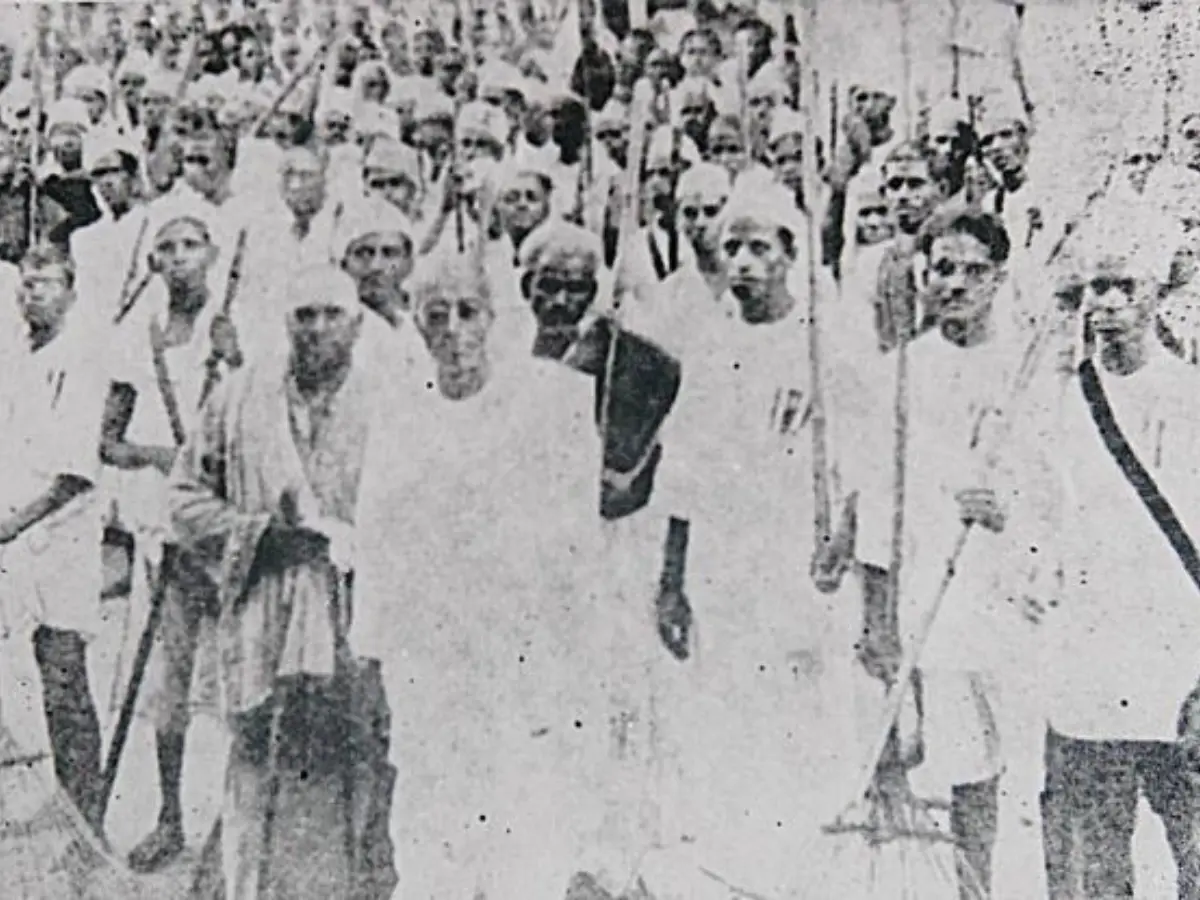
The Salt Satyagraha spread far beyond Dandi
While Gandhi’s march to Dandi is the most famous chapter of the Salt Satyagraha, parallel marches took place across India. In Tamil Nadu, C. Rajagopalachari led the Vedaranyam Salt March, turning the campaign into a truly national movement.
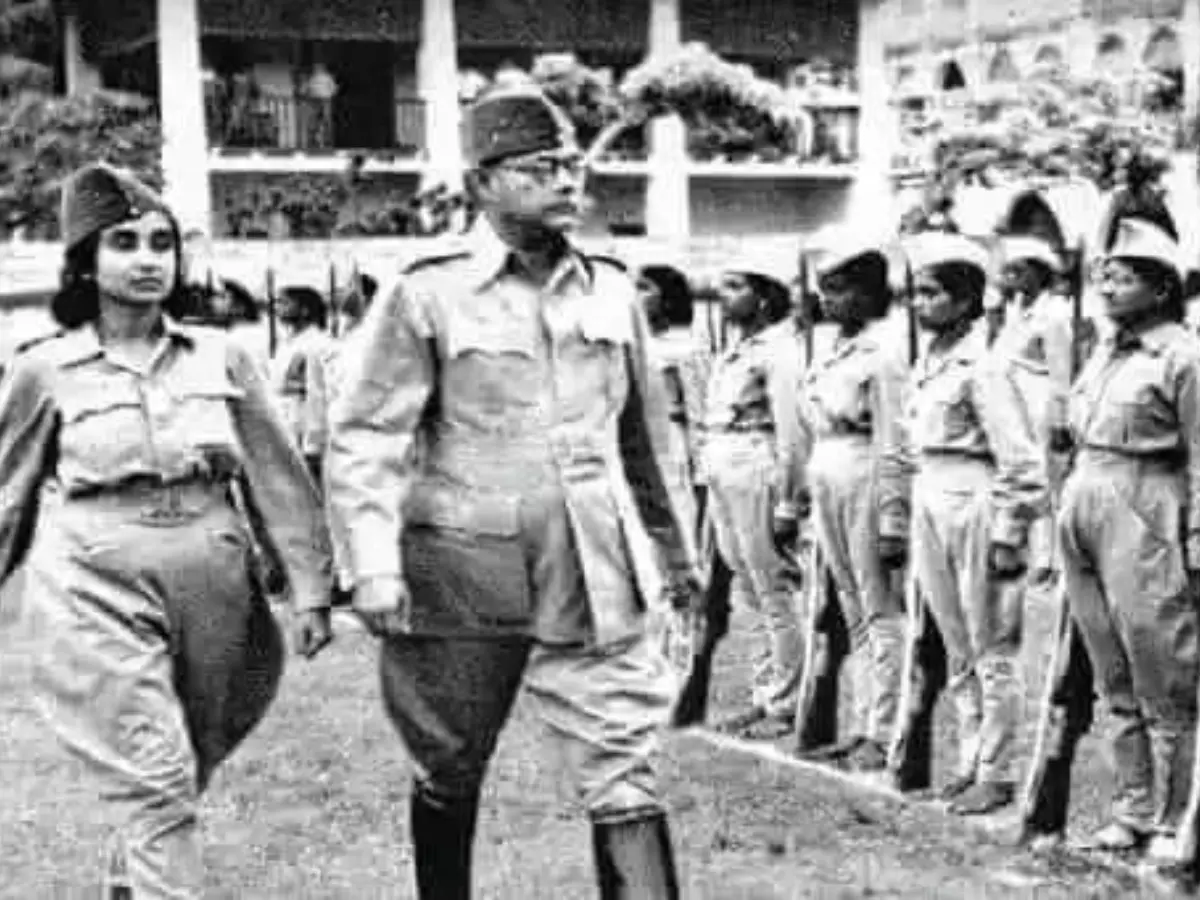
The Indian National Army had a women’s regiment
Subhas Chandra Bose’s Indian National Army formed the Rani of Jhansi Regiment, an all-women military unit named after Rani Lakshmibai. The regiment challenged both British rule and prevailing gender norms of the time.
Secret codes kept the movement alive
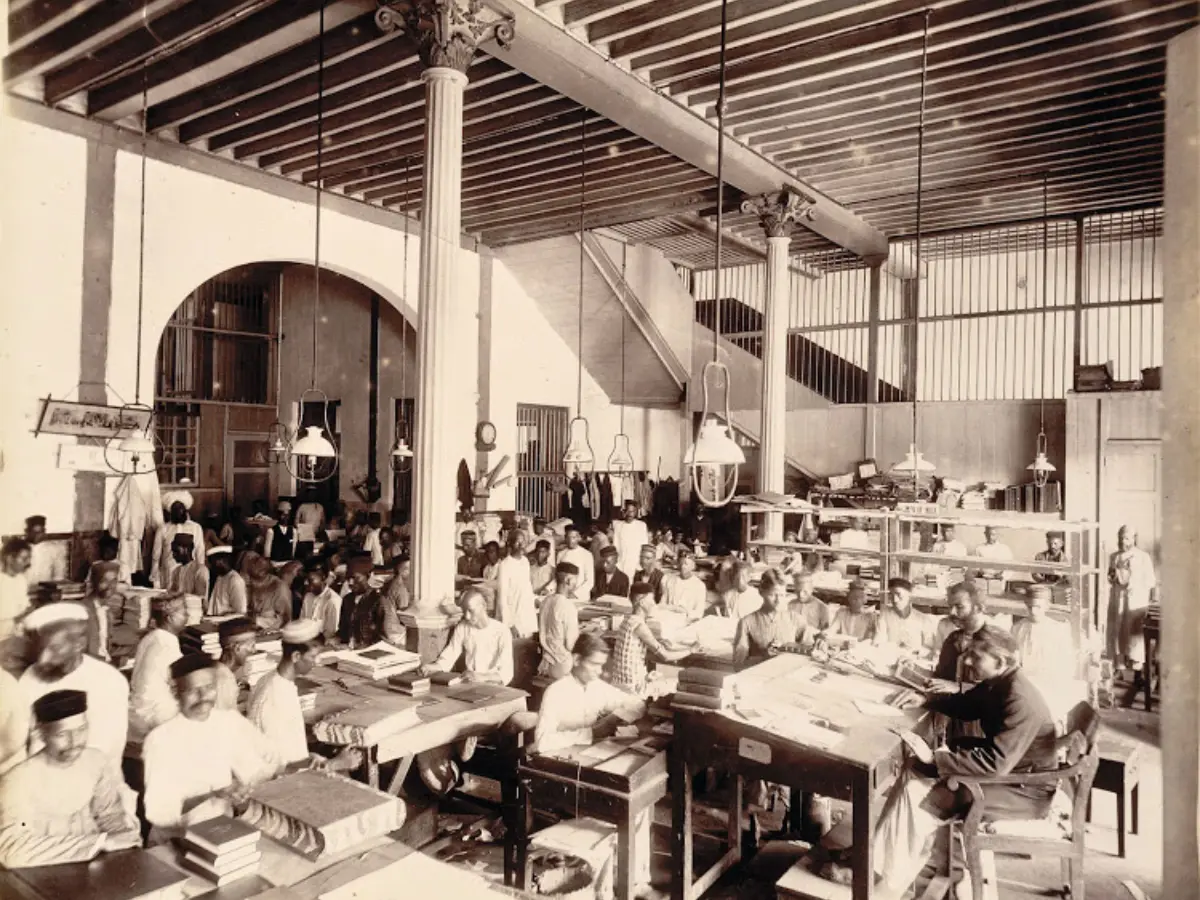
Revolutionary groups relied on coded letters, invisible ink and underground printing presses to avoid British surveillance. Hidden networks circulated banned pamphlets, political literature and messages that helped sustain resistance across different regions.
The 1946 naval mutiny rattled the Empire
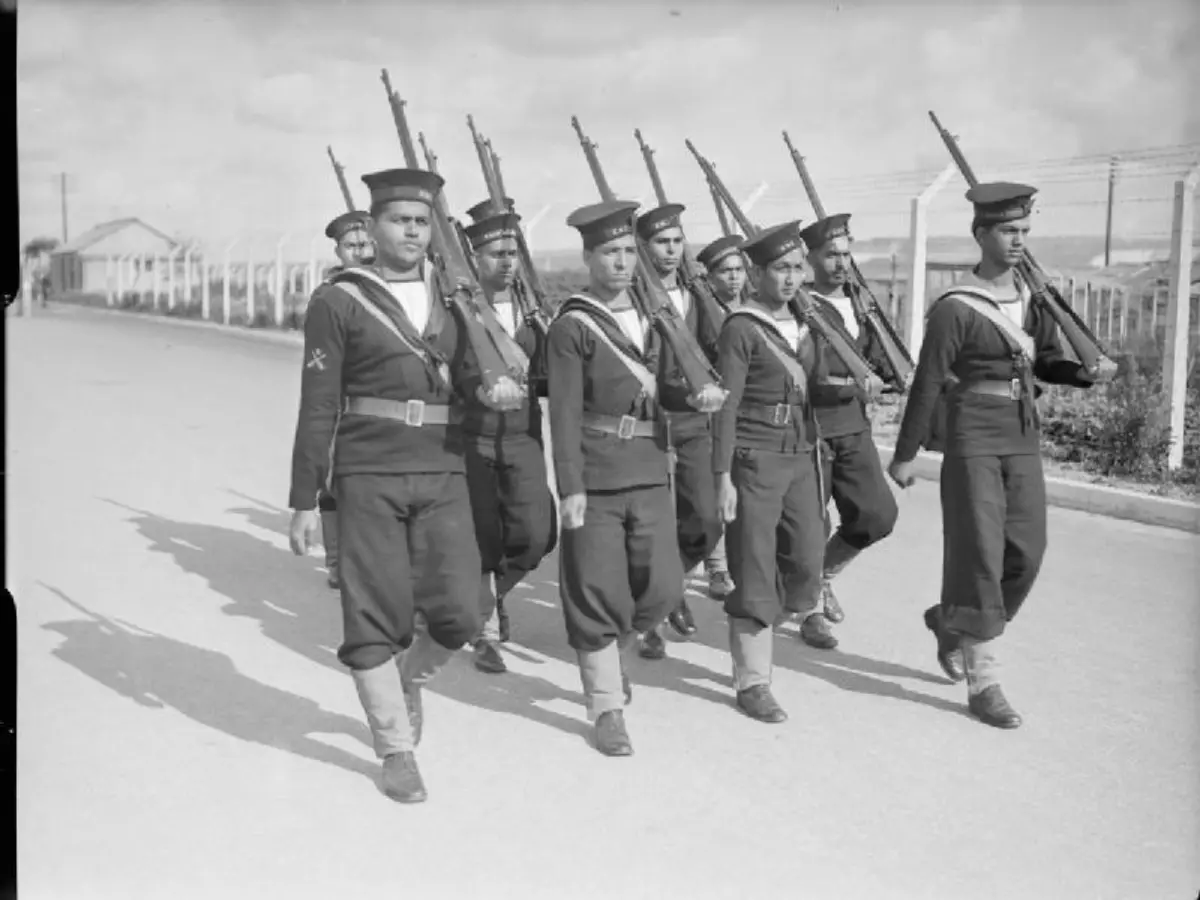
The Royal Indian Navy mutiny began in Bombay and spread to several ports, with sailors protesting discrimination and colonial rule. The unrest received support from workers and civilians, and many historians believe it seriously weakened British confidence in holding India.
)
)
)
)
)