Can the S-400 detect drones the size of a suitcase?

The S-400 easily detects suitcase-sized drones using its powerful 91N6E and 96L6E radars, tracking radar cross-sections under 0.1 square metres at 150 kilometres. However, to save costly missiles, it hands these targets to the Pantsir-S1 system.
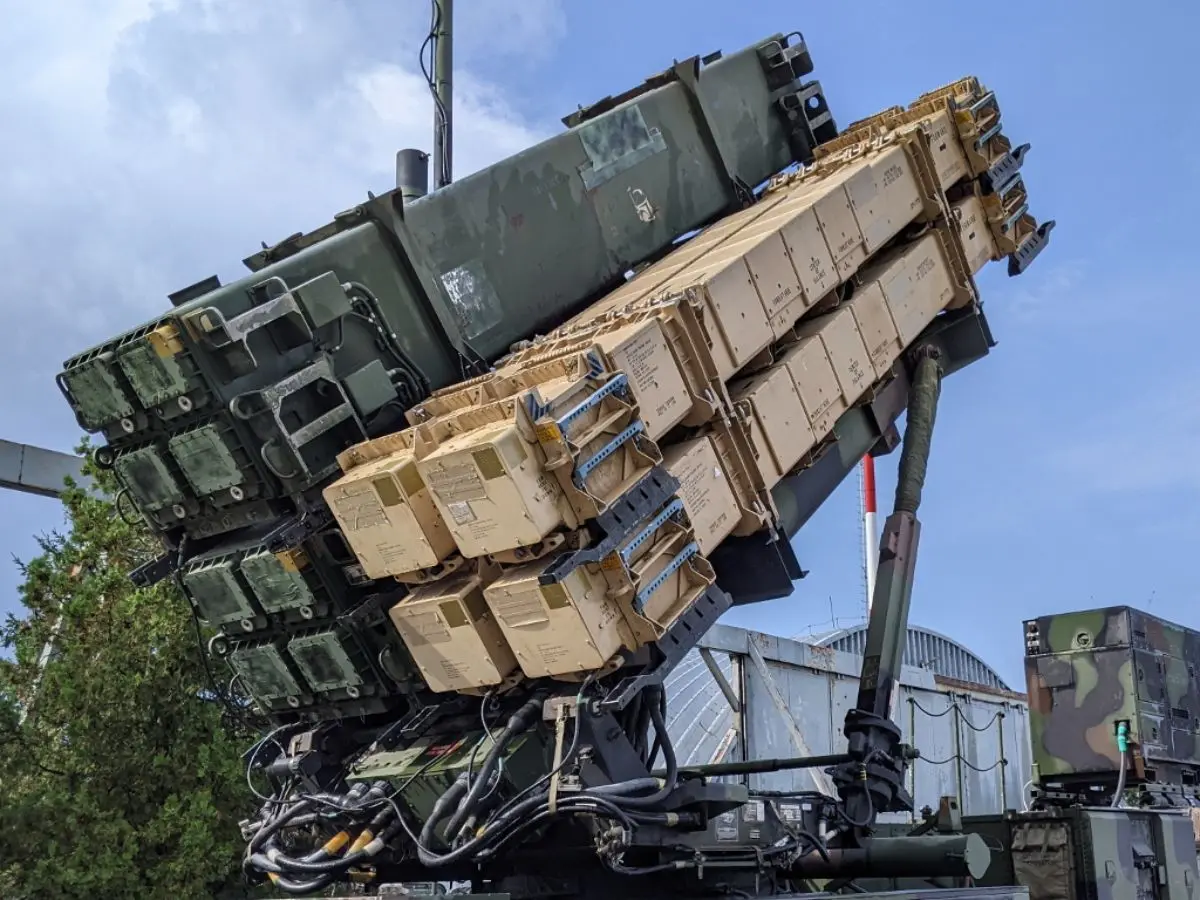
The Micro-Drone Threat
A suitcase-sized drone represents one of the most challenging targets for modern air defence systems. Because it is physically tiny and constructed from plastics or composites, it possesses an exceptionally small radar cross-section.
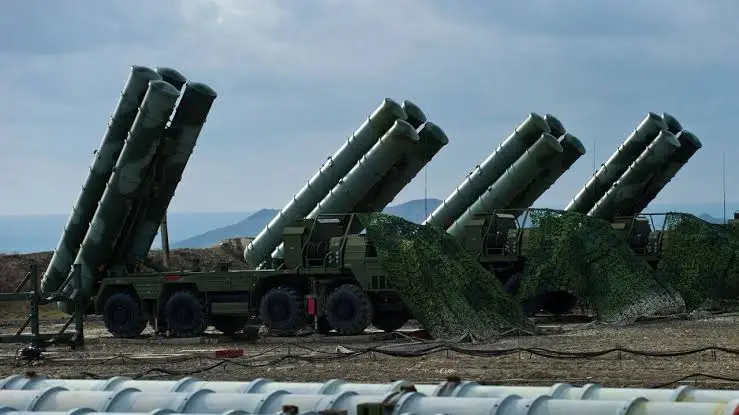
The S-400's Sensitivity
Despite the drone's microscopic signature, the USD 1.25 billion S-400 Triumf possesses the raw sensor power to detect it. Official specifications indicate its massive 91N6E panoramic radar can track low-visibility targets with a radar cross-section under 0.1 square metres at roughly 150 kilometres.
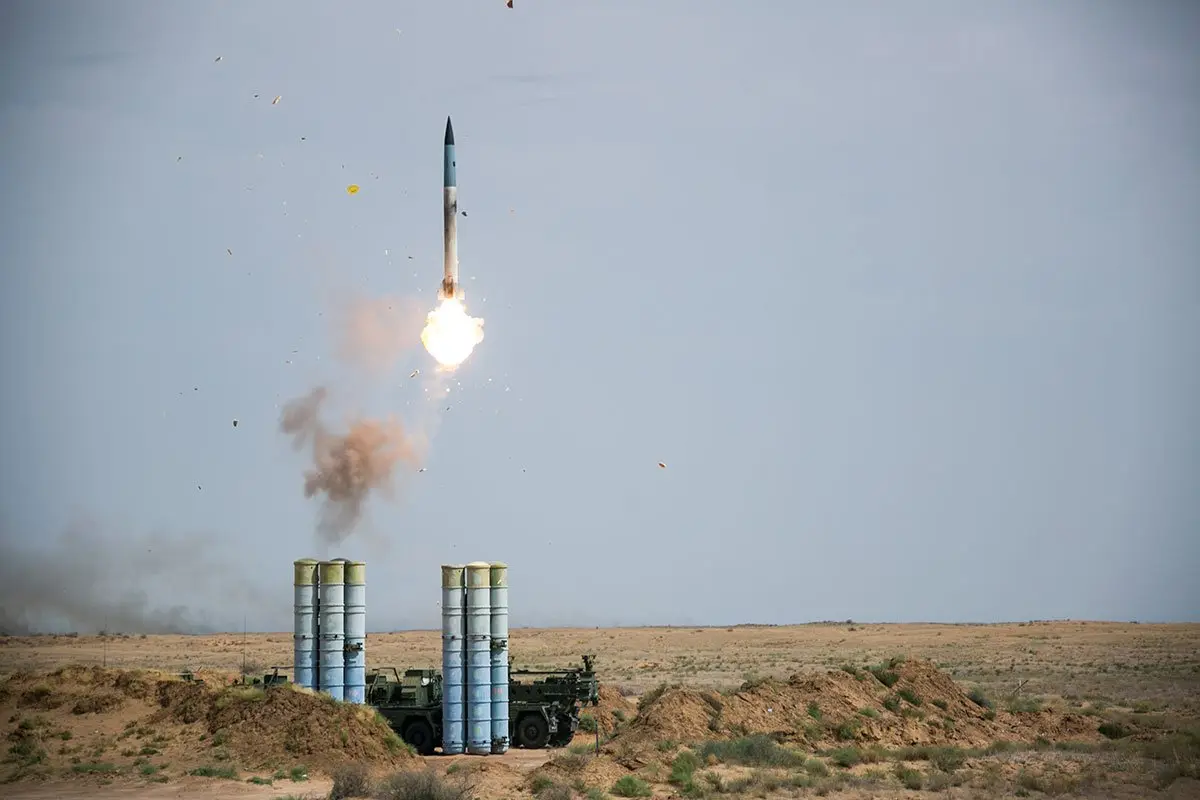
Seeing Through the Clutter
Small drones typically fly at extremely low altitudes, attempting to hide among the radar reflections of trees, buildings, and terrain. To counter this, the battery deploys the specialised 96L6E all-altitude radar to look down and digitally filter out this heavy ground clutter.
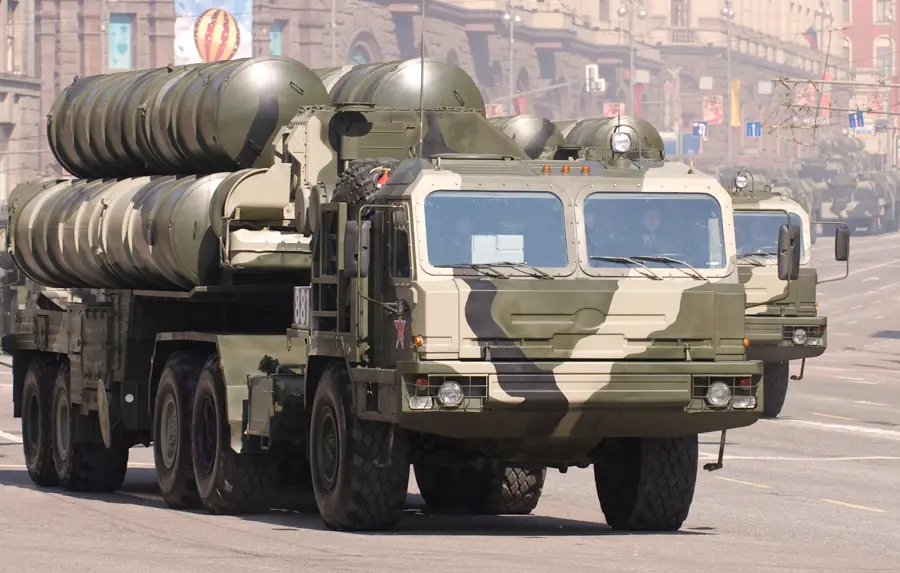
The X-Band Target Lock
Once the primary search radar spots the drone, the 92N6E engagement radar officially takes over the kill chain. Operating in the high-frequency X-band, it focuses a narrow beam of electromagnetic energy to secure a high-precision lock on the slow-moving object.

The Economic Dilemma
While the S-400 is technologically fully capable of targeting a suitcase-sized drone, destroying it presents a massive economic problem. Firing a highly advanced, multi-million dollar interceptor missile to destroy a cheap, commercial-grade quadcopter is fundamentally unsustainable during a conflict.
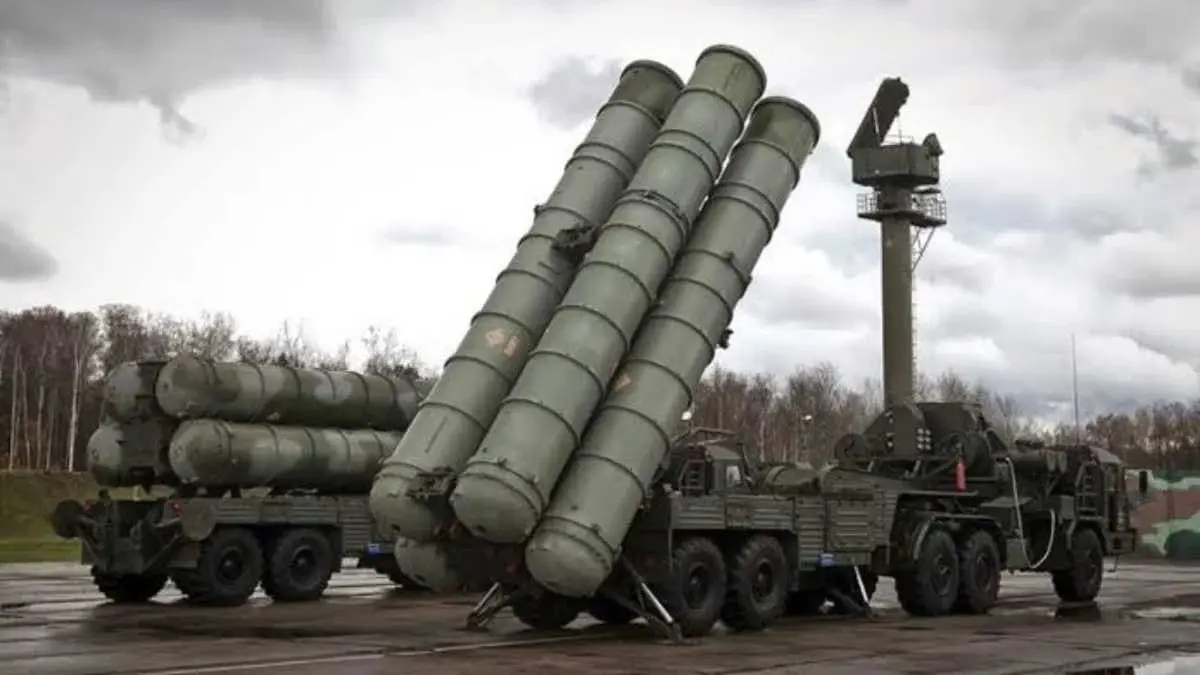
The Pantsir Solution
To resolve this imbalance, Russian military doctrine dictates that the S-400 should rarely be used to physically shoot down micro-drones. Instead, the system acts as a digital brain, handing the target's exact telemetry off to the shorter-ranged Pantsir-S1 platform.
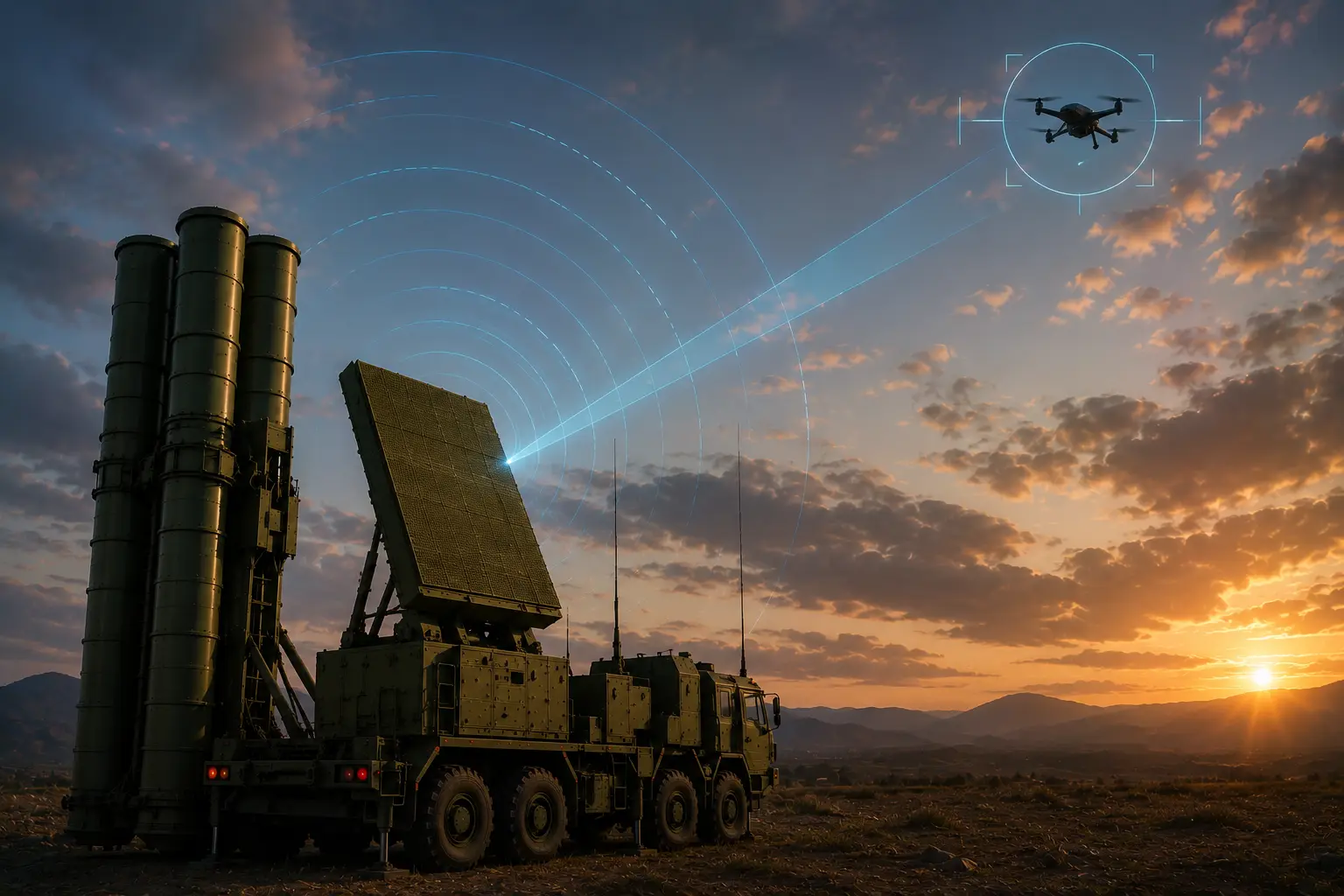
A Layered Defence
By networking with the Pantsir-S1, the S-400 leverages its massive radars to expose the hidden drone from kilometres away. The Pantsir then physically neutralises the threat using highly economical short-range missiles or its twin 30mm auto-cannons, preserving the heavy interceptors.
)
)
)
)
)