What happens if the S-400 radar loses power?

If the S-400 radar loses power, its 600-km surveillance bubble instantly collapses. To prevent this, the system uses 63T6A grid converters and autonomous 5I57A mobile diesel generators to ensure the radars never go offline during an active battle.
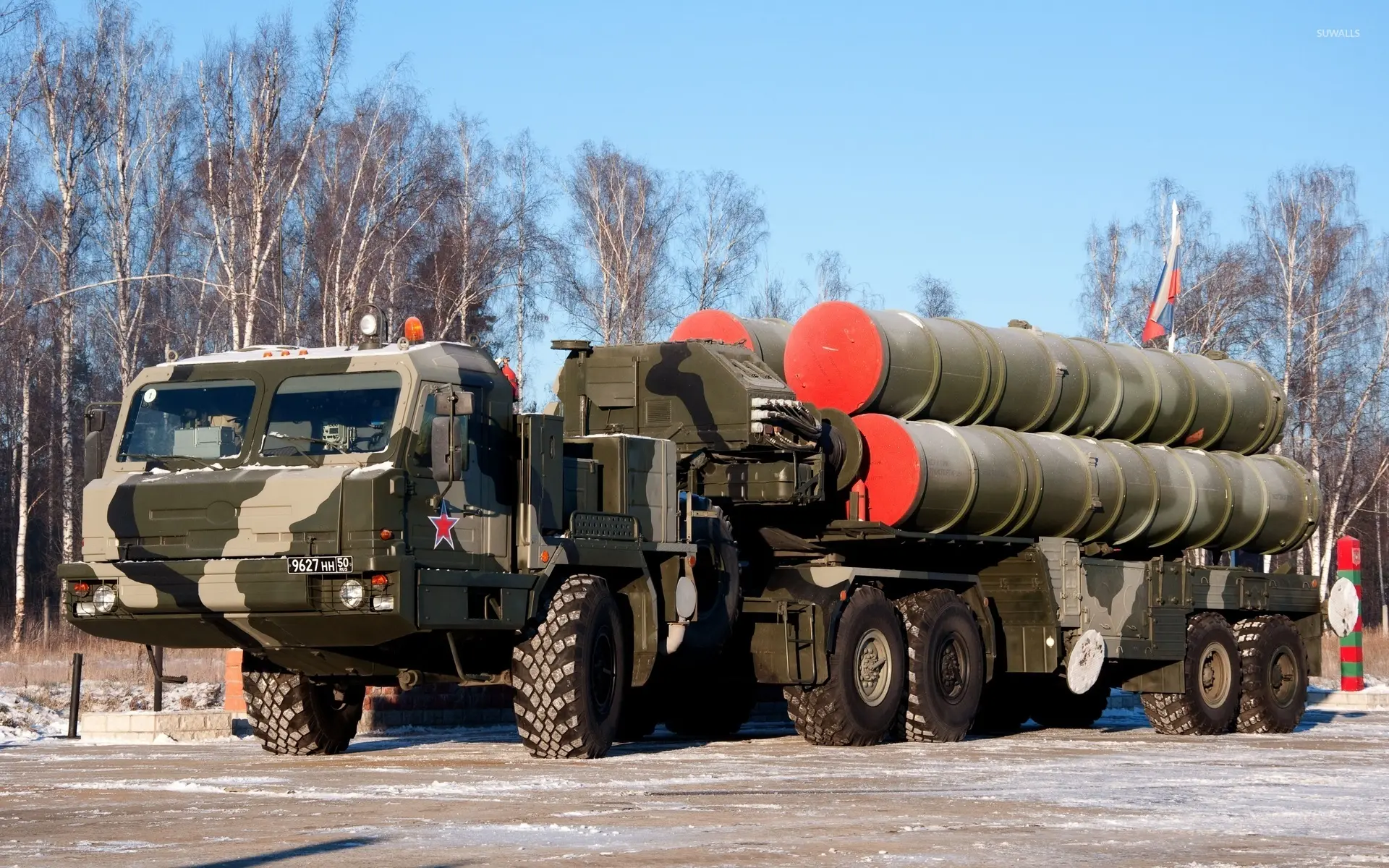
The Catastrophic Blind Spot
If the primary 91N6E panoramic radar suddenly loses all electrical power, the S-400's massive 600-kilometre surveillance bubble instantly collapses. Without this raw telemetry, the command post goes completely blind and cannot authorise any new missile launches.
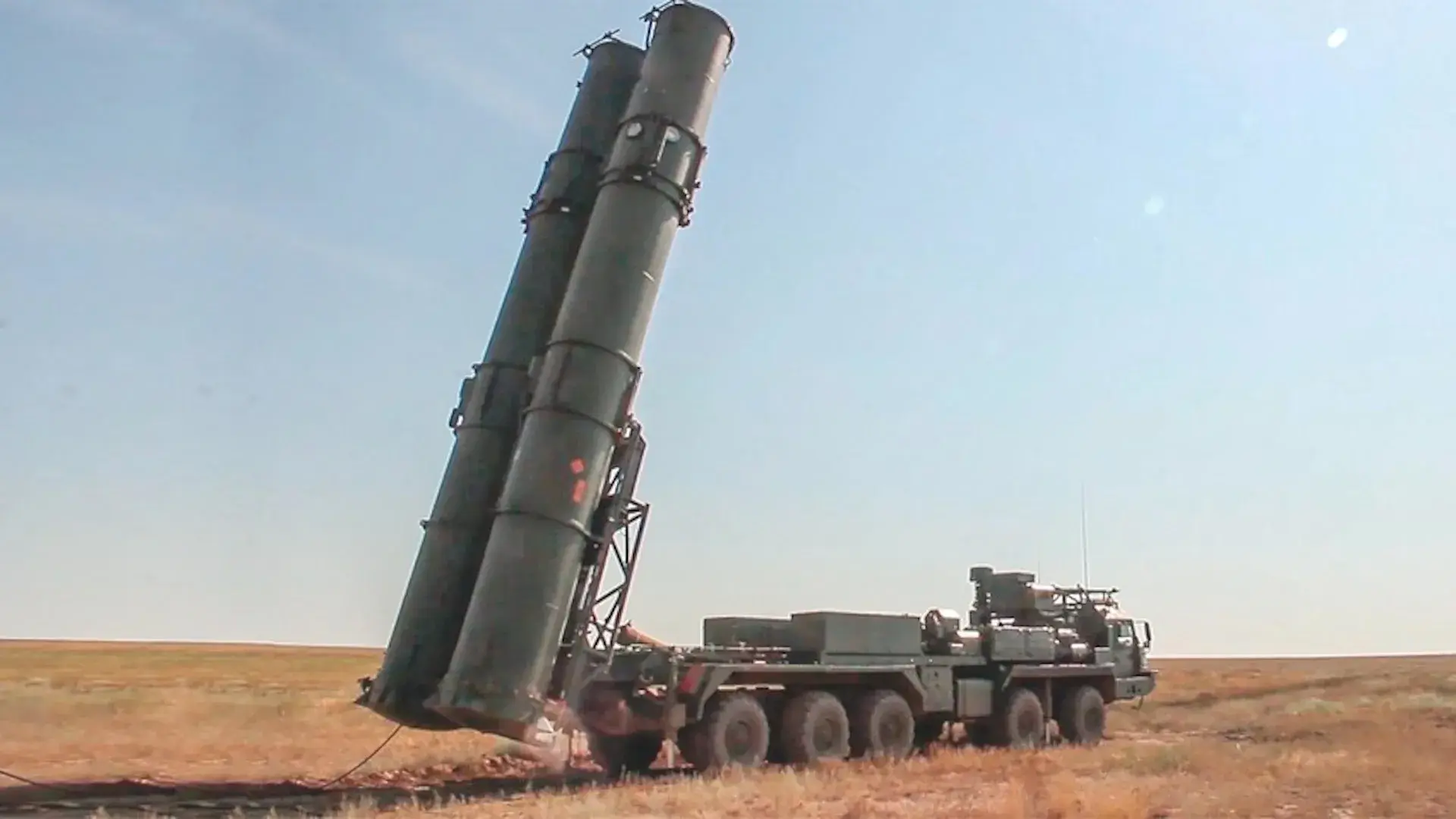
Autonomous Power Design
To prevent this fatal vulnerability, the USD 1.25 billion system is engineered to operate completely independently of civilian infrastructure. Every single radar and command vehicle is equipped with its own autonomous power supply and heavy-duty life support equipment.
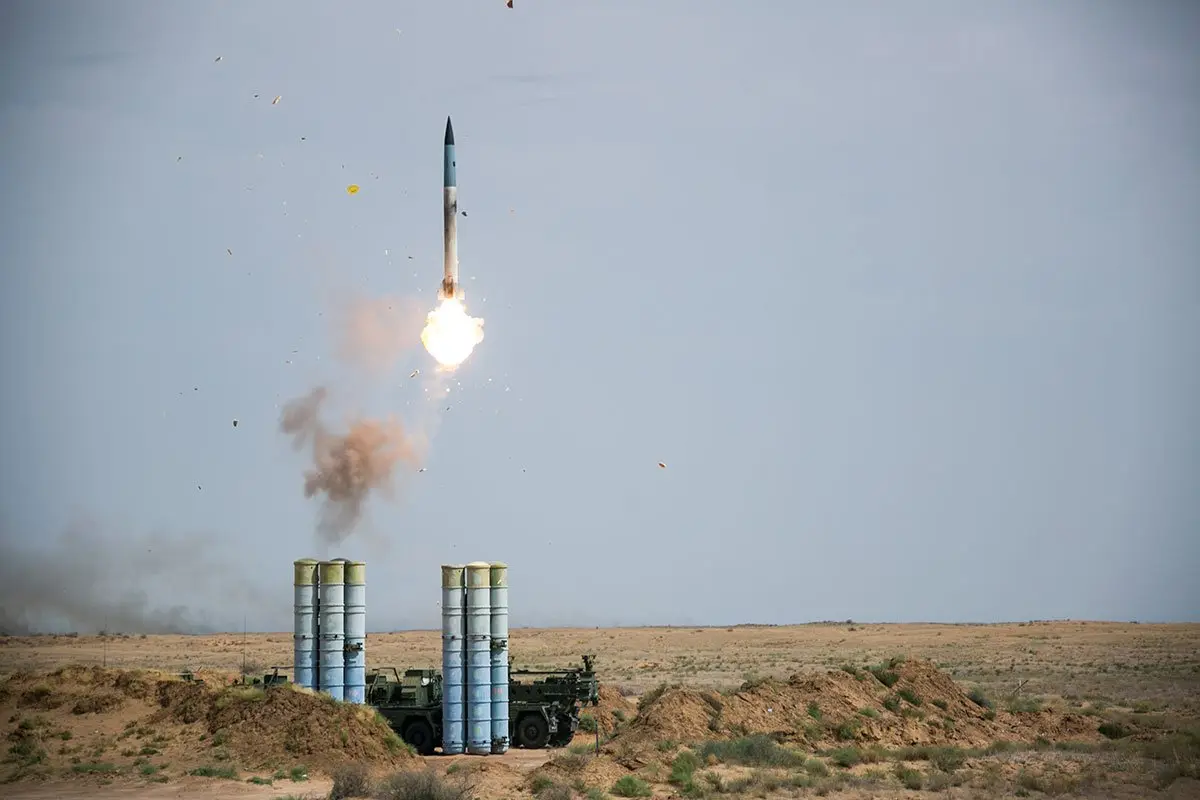
The Heavy-Duty Generators
The massive phased-array radars draw immense electrical loads, requiring highly specialised industrial generators. The system heavily relies on the 5I57A mobile diesel power generator, which is towed directly into the field to guarantee continuous energy in isolated environments.
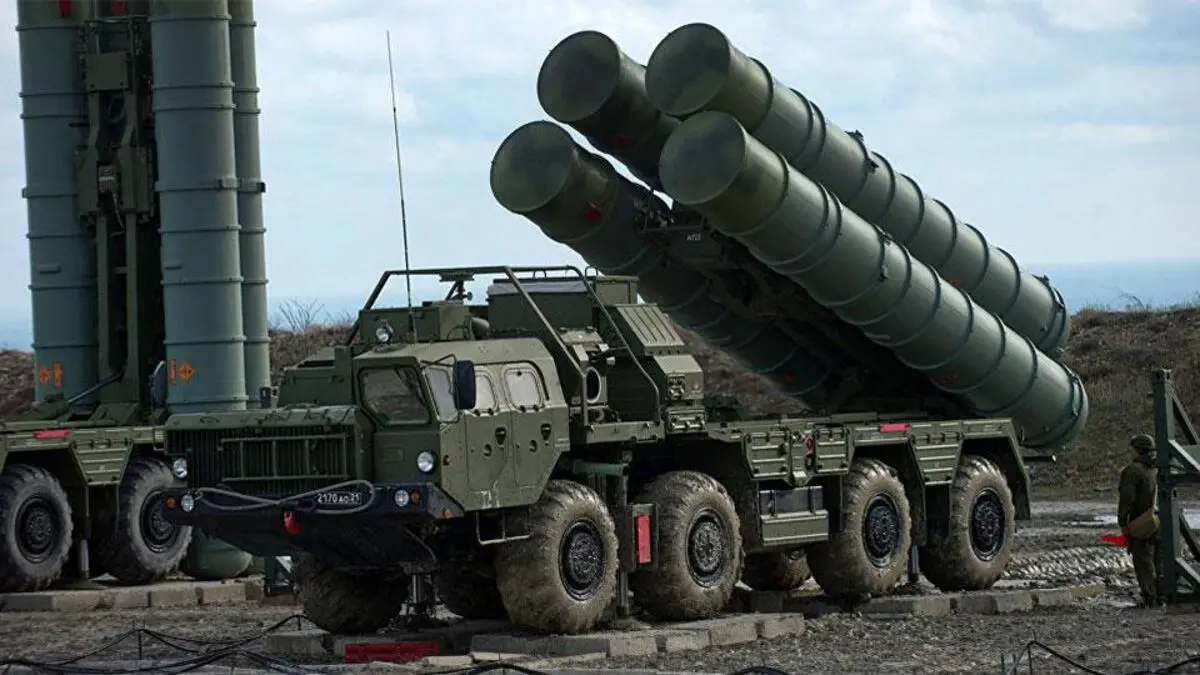
Grid Power Converters
When defending major cities or permanent military bases, the battery can plug into the local civilian electrical grid to conserve diesel fuel. It utilises the 63T6A mains power grid converter to heavily condition and regulate this civilian electricity for its highly sensitive electronics.
Instant Failsafes
If a strategic enemy strike destroys the local civilian power plant, the S-400 does not experience a system-wide blackout. The battery is designed to seamlessly switch back to its autonomous 5I57A diesel generators, keeping the engagement radars tracking without interruption.
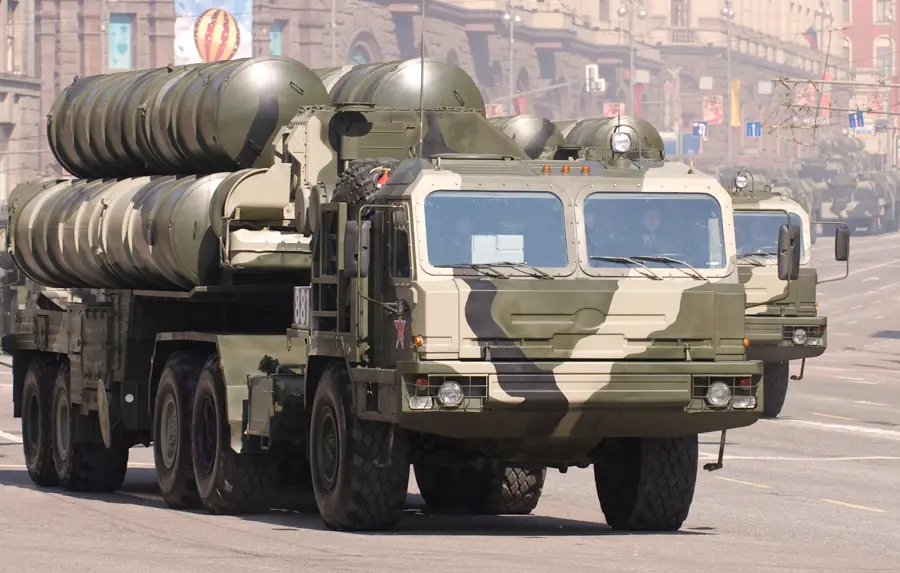
Redundant Radar Vehicles
Because power failure is a constant battlefield threat, the S-400 distributes its radar sensors across multiple independent vehicles. Even if the primary search radar loses a generator, the 92N6E engagement radar possesses its own independent power supply to continue localised targeting.
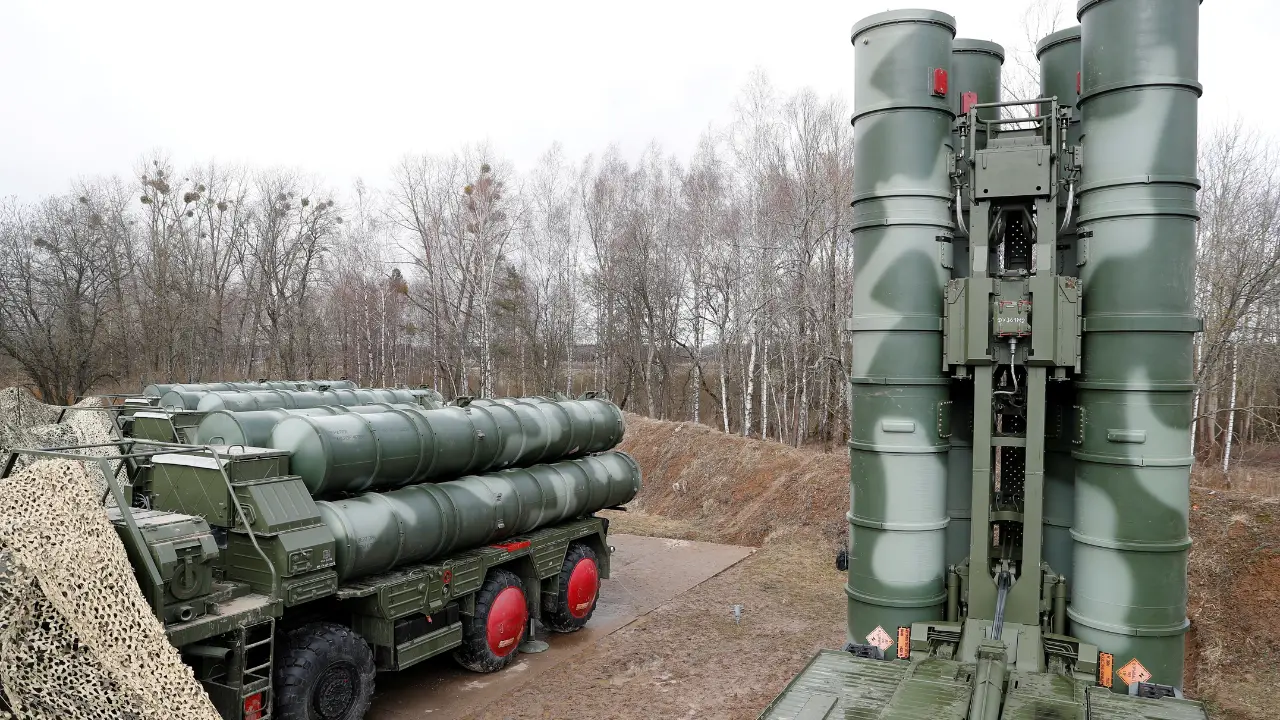
Overlapping Defence Networks
Russian military doctrine dictates that a single S-400 battery never operates in isolation to avoid single points of failure. Multiple S-400 battalions and short-range Pantsir-S1 systems are heavily networked together to immediately cover the airspace if one radar suddenly goes dark.
)
)
)
)
)