How does an S-400 missile know where to turn?

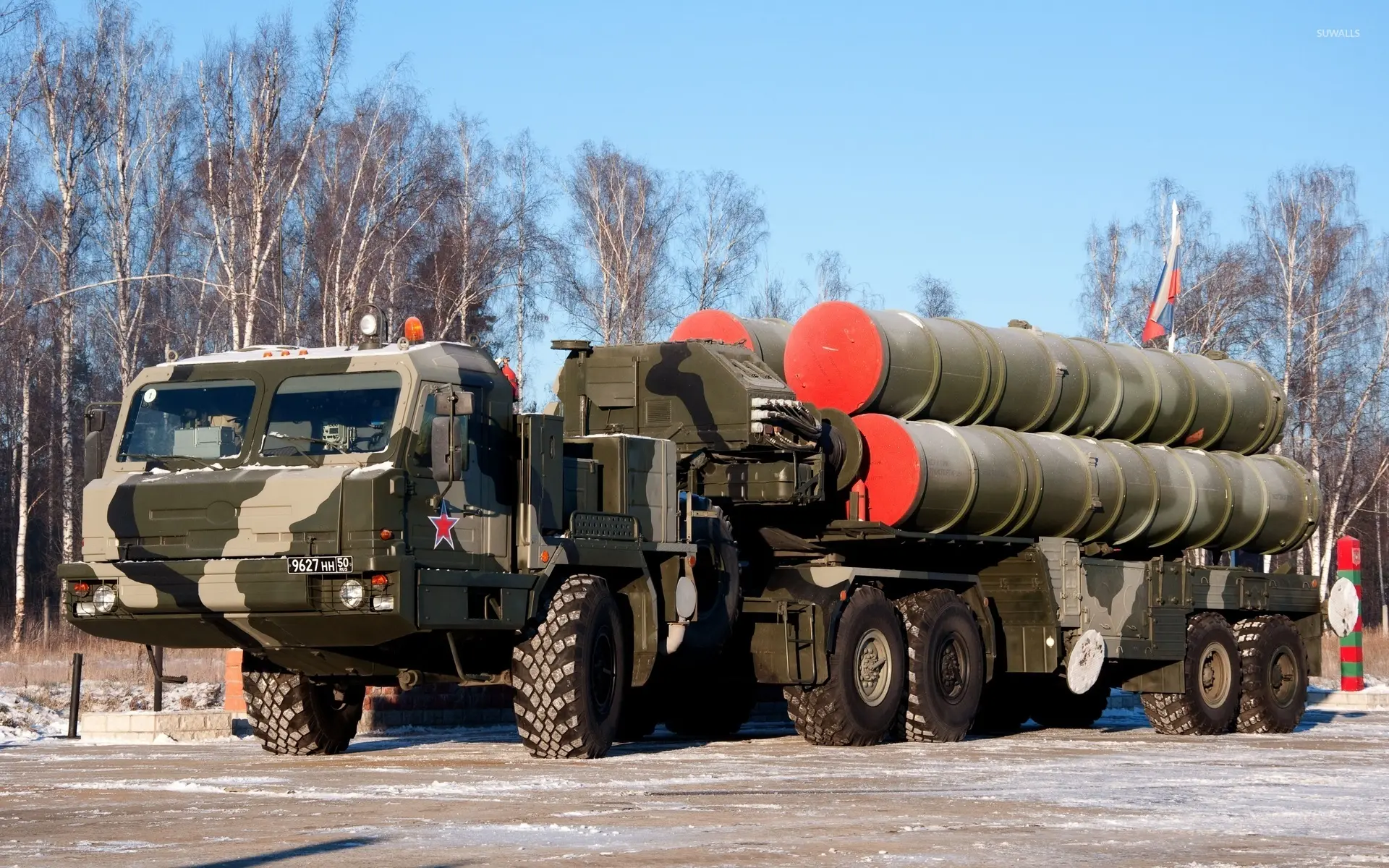
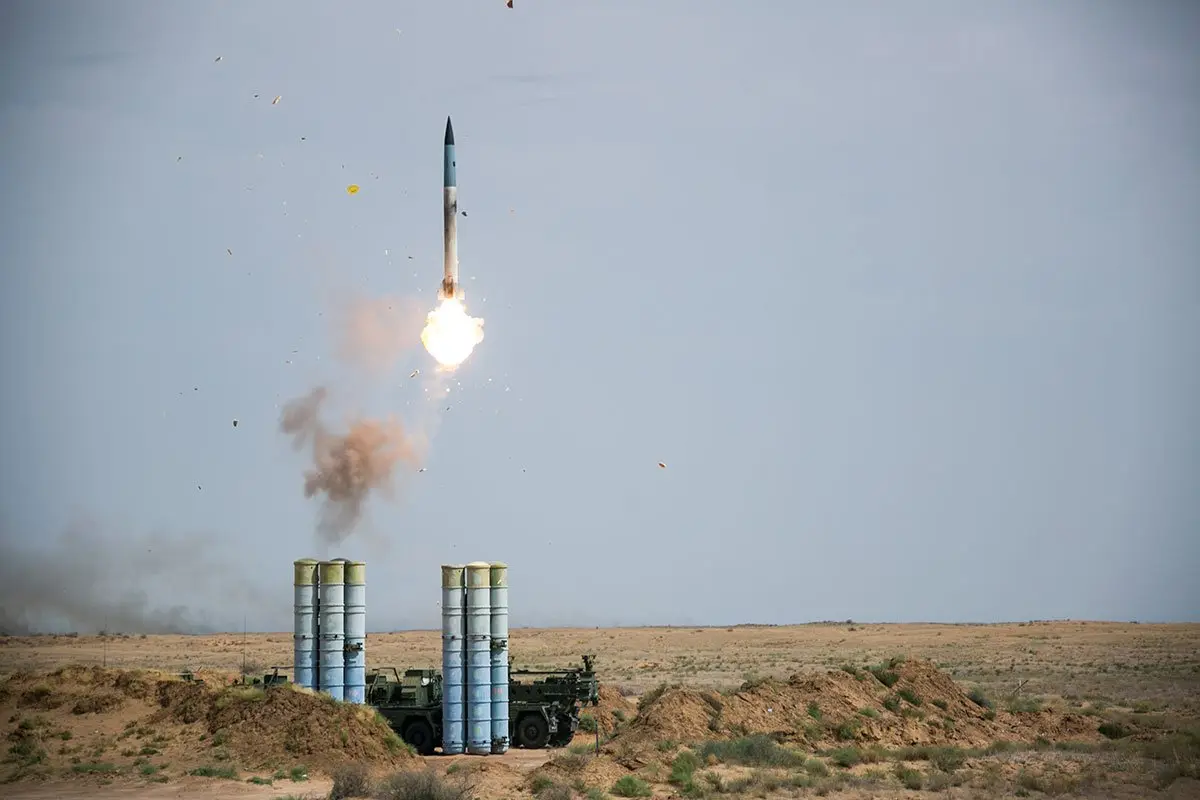
To intercept an aircraft, an S-400 missile flies using inertial navigation and mid-course radio updates. Nearing the target, it activates its own internal radar seeker and fires gas-dynamic thrusters to violently outmanoeuvre the threat.
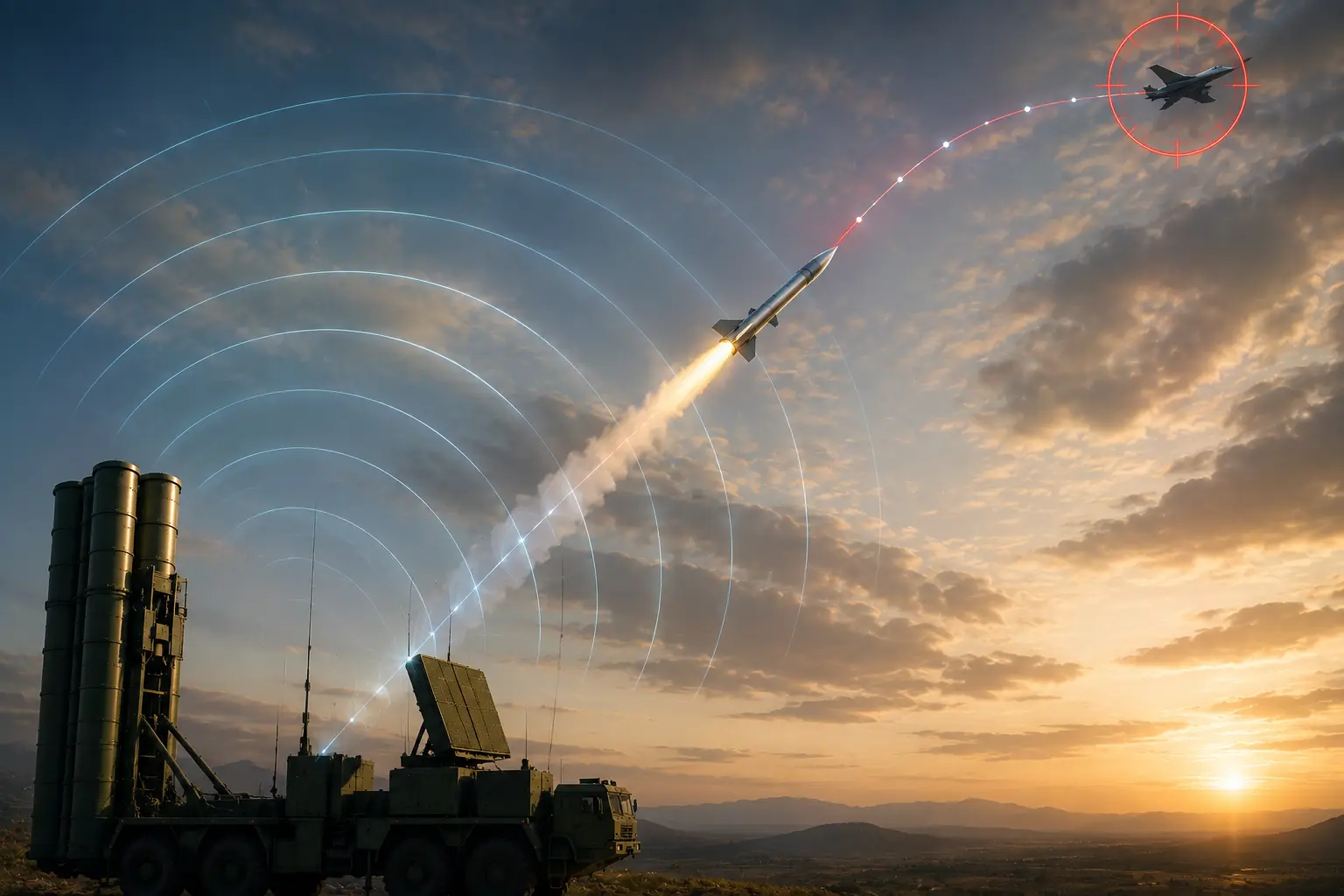
The Master Brain
Before launch, the 55K6E command post calculates the exact intercept trajectory. It feeds real-time target data from the 92N6E engagement radar directly into the missile's onboard computer to establish a preliminary flight path.
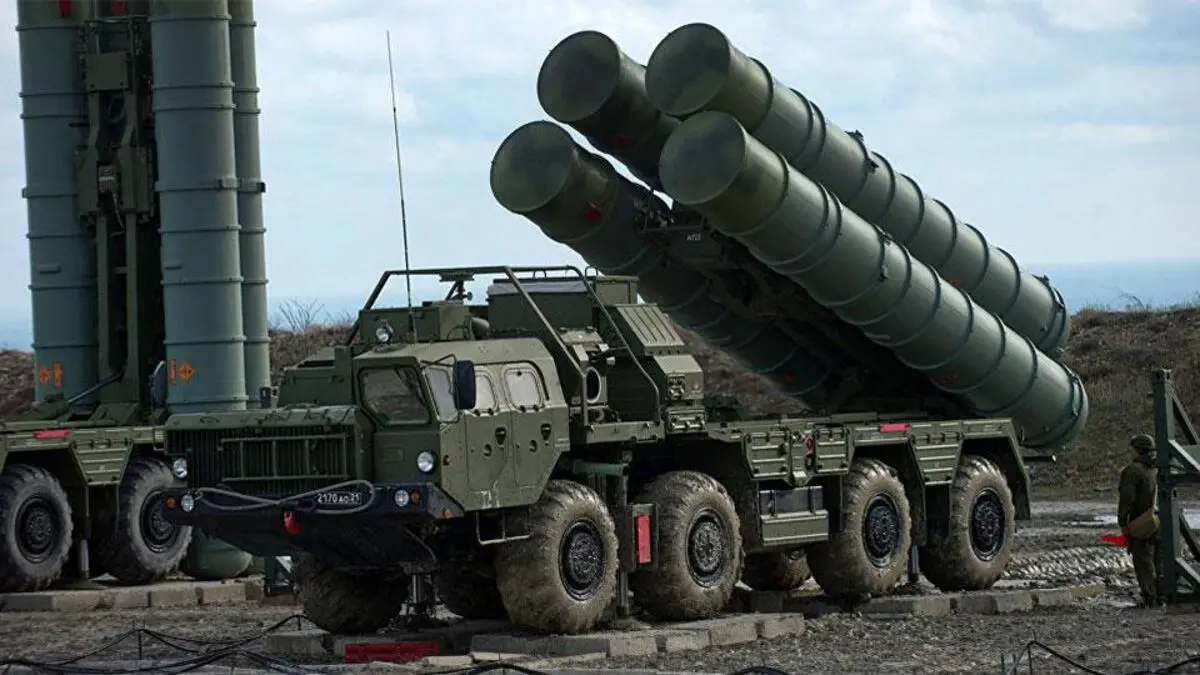
Inertial Navigation
During the initial boost phase, the missile does not actually ‘see’ the target. Instead, it relies on an internal inertial navigation system, flying smoothly towards a mathematically predicted intercept zone using precise gyroscopic coordinates.
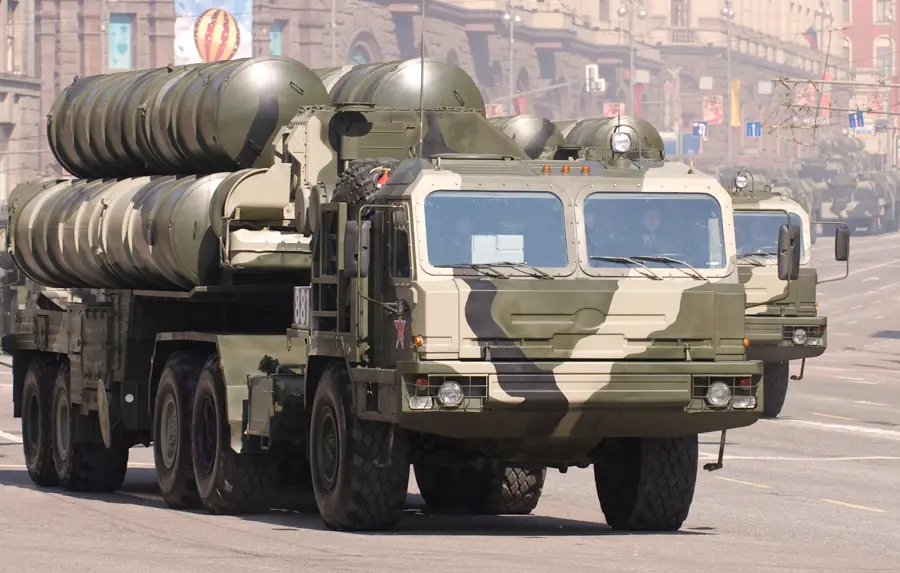
Mid-Course Updates
Because an enemy fighter jet can drastically alter its flight path, the missile cannot rely entirely on pre-launch data. The USD 1.25 billion system continuously beams mid-course radio updates to the flying missile, aggressively correcting its trajectory in real-time.
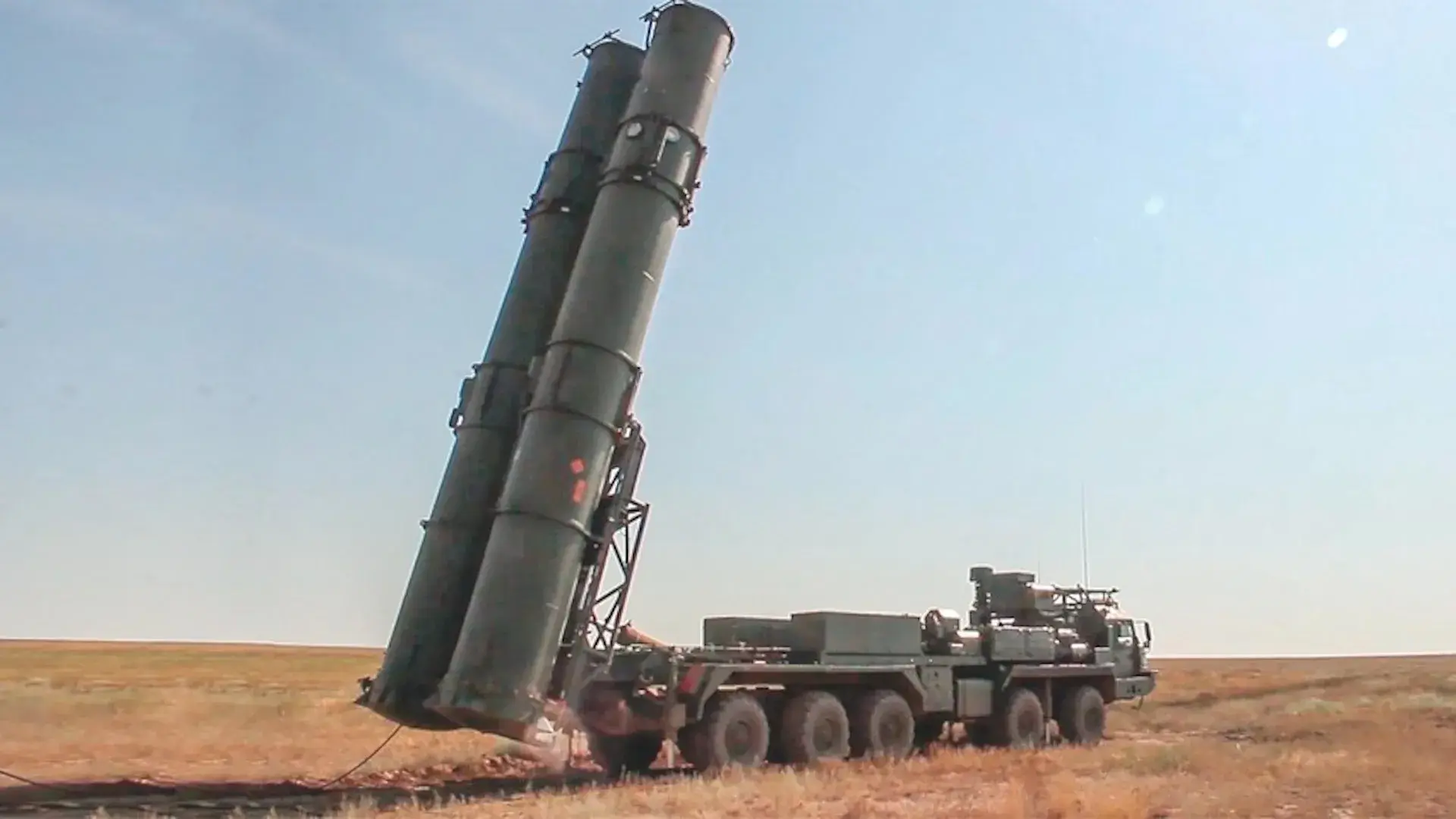
Active Radar Homing
As the interceptor nears the kill zone, relying on ground-based radar becomes physically insufficient. Advanced S-400 missiles, like the ultra-long-range 40N6E, activate their own internal ‘Active Radar Homing’ seekers to independently hunt the aircraft.
Proportional Navigation
Rather than simply chasing the tail of an evading jet, the missile's computer utilises proportional navigation. This advanced targeting algorithm calculates a highly efficient lead angle, steering the weapon towards where the aircraft will be upon impact.
Gas-Dynamic Steering
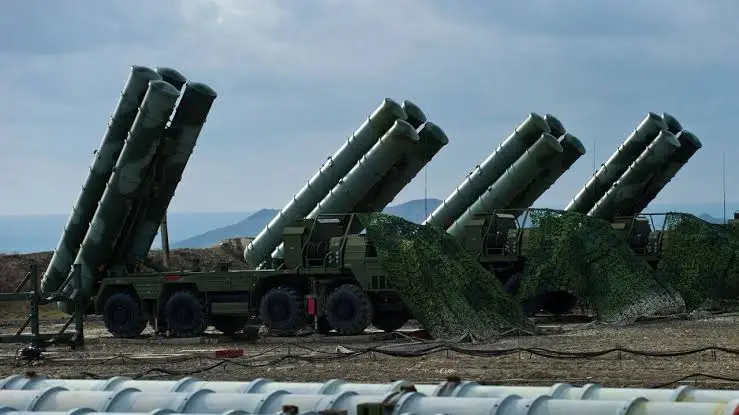
At extreme altitudes where the atmosphere is too thin for standard aerodynamic fins to function properly, the system employs alternative physics. The 9M96E interceptor uses ‘gas-dynamic steering’, firing small explosive side-thrusters to instantly snap the missile into a violent turn.
The Final Detonation
Thanks to these lateral gas thrusters, the missile can execute staggering 20G manoeuvres in a fraction of a second, easily out-turning any human pilot. Once it breaches the lethal radius, a proximity fuze automatically detonates a fragmentation warhead to shred the target.
)
)
)
)
)