The top 7 unsung women heroes of India's freedom struggle

From Matangini Hazra's fatal march to Usha Mehta's secret radio broadcasts, these 7 unsung women, freedom fighters, revolutionaries and martyrs, risked everything for India's independence, yet remain largely overlooked in mainstream history.
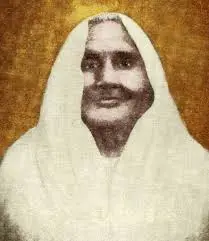
1. Matangini Hazra
Known as "Gandhi Buri" (Old Lady Gandhi), this elderly woman from Bengal joined the freedom movement in her 70s. During the 1942 Quit India Movement, she led a procession of thousands toward the Tamluk police station. She was shot by British police but continued marching forward, chanting "Vande Mataram," until she succumbed to her injuries, becoming a martyr for the cause.
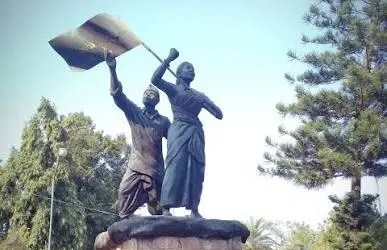
2. Kanaklata Barua
A teenage freedom fighter from Assam, Kanaklata led a procession to hoist the national flag at a police station during the Quit India Movement in 1942. Despite warnings, she pressed forward with the flag in hand. British police opened fire, killing her instantly at just 17 years old. She became a symbol of youthful courage in Assam's freedom struggle.
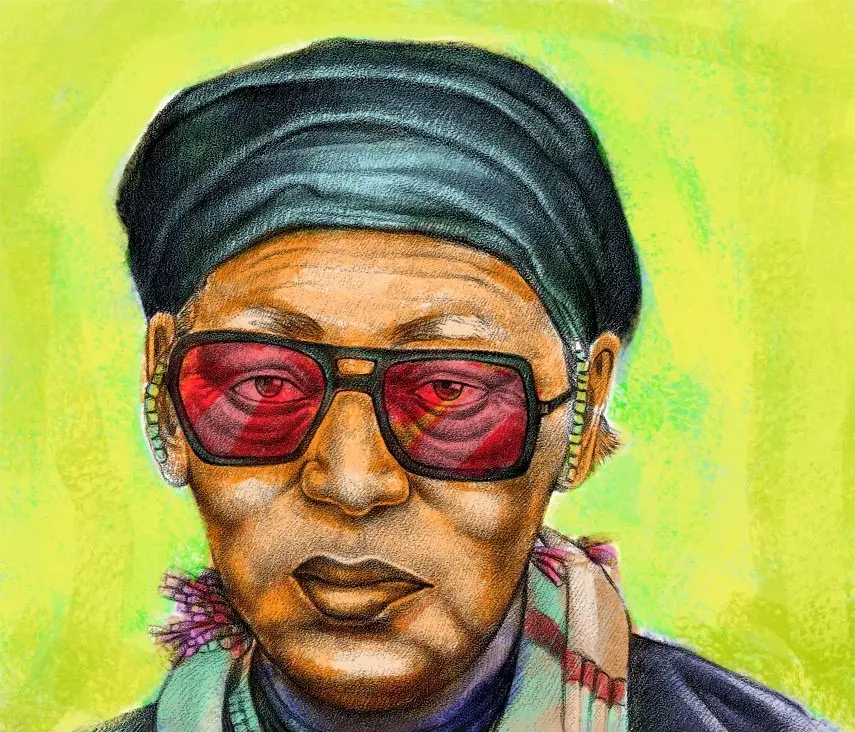
3. Rani Gaidinliu
A Naga spiritual and political leader, Gaidinliu joined the Heraka movement at age 13, opposing British rule in northeast India. She organised tribal resistance and was imprisoned for over a decade. Jawaharlal Nehru called her "Rani" (Queen) for her leadership. She continued fighting for Naga rights even after independence, becoming a lasting symbol of tribal resistance.
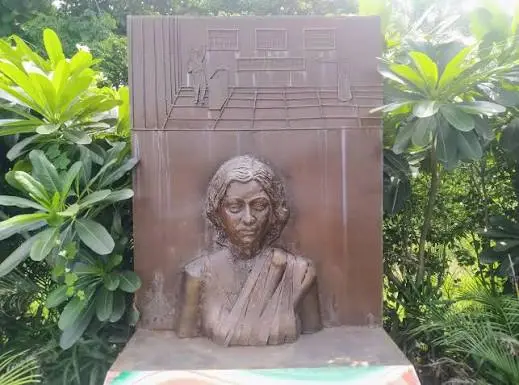
4. Bina Das
A Bengali revolutionary, Bina Das, attempted to assassinate Bengal's Governor Stanley Jackson during her convocation ceremony in 1932, firing five shots that missed. She was arrested and imprisoned for nine years. Her act of defiance inspired other young revolutionaries and highlighted women's active participation in armed resistance against colonial rule, beyond conventional protest methods.
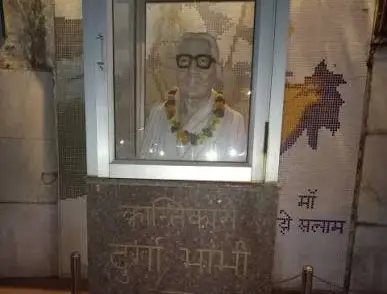
5. Durgawati Devi (Durga Bhabhi)
A key figure in the Hindustan Socialist Republican Association, Durgawati helped Bhagat Singh escape after the Saunders assassination by disguising herself as his wife during their train journey. She later attempted to assassinate a British official in Lahore. Her courage and strategic mind made her indispensable to revolutionary operations, though she remains largely overlooked in mainstream narratives.
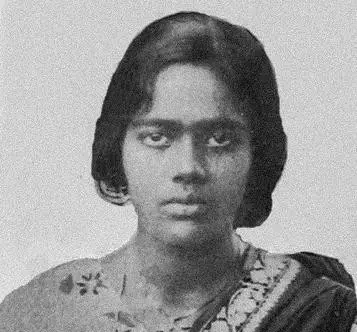
6. Pritilata Waddedar
A Bengali revolutionary trained by Surya Sen, Pritilata led an armed attack on the Pahartali European Club in Chittagong in 1932, which bore a sign reading "Dogs and Indians not allowed." Surrounded by police, she consumed potassium cyanide rather than be captured, becoming one of the first female martyrs in India's armed resistance movement.
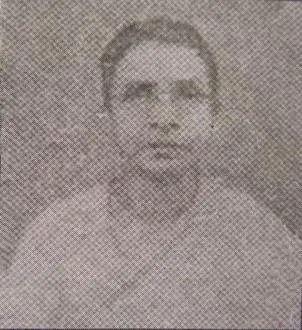
7. Suniti Choudhury
At just 14, Suniti, along with Shanti Ghosh, assassinated the District Magistrate of Comilla in 1931 as part of revolutionary action in Bengal. She was arrested and sentenced to life imprisonment, spending years in jail. Her youth and daring made her one of the youngest political prisoners of the freedom movement.
)
)
)
)
)