Independence Day 2026: Historical sites that reveal untold story of India’s freedom struggle

As India celebrates its 80th Independence Day, the nation looks back on the struggles, sacrifices and defining moments that shaped its freedom movement. Here are the historical places that tell the story of India’s journey to independence.
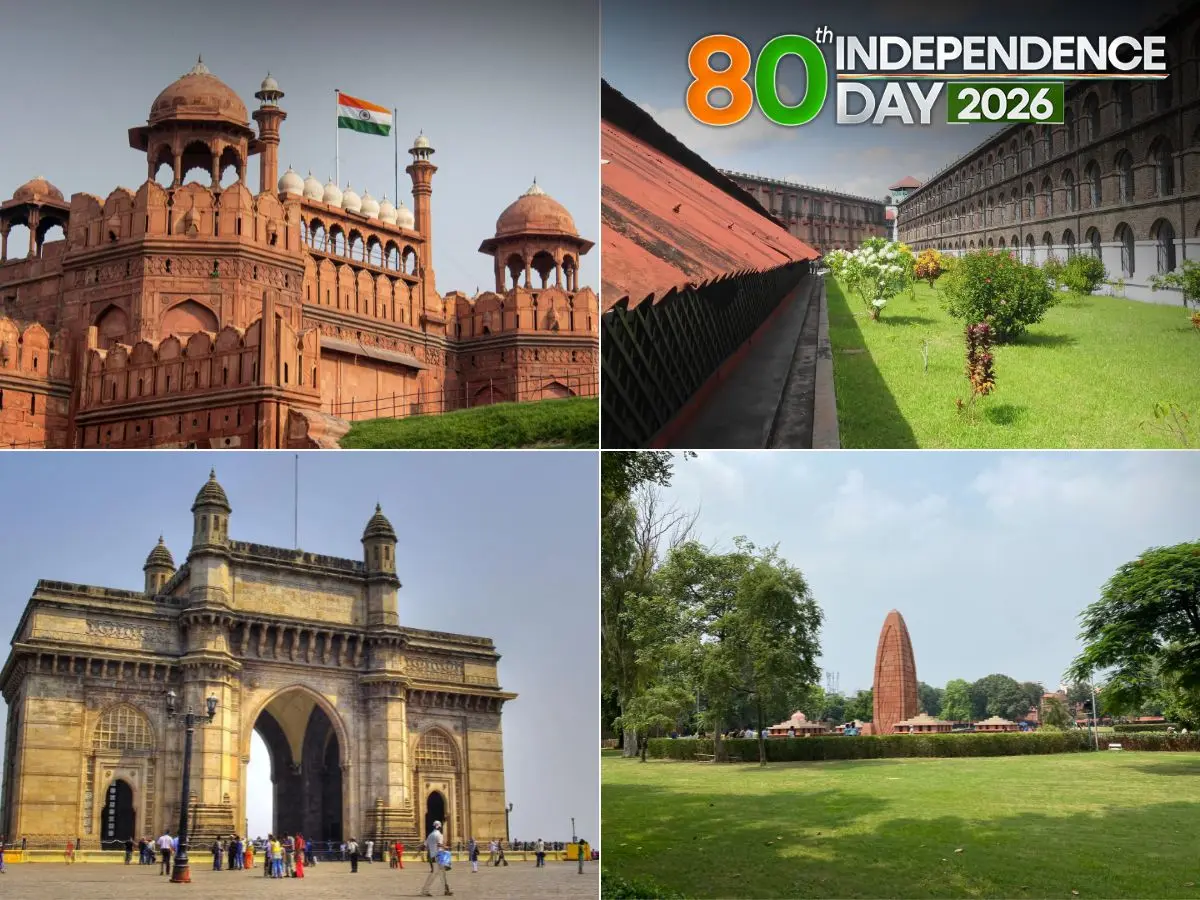
India celebrates 80th Independence Day
As India marks its 80th Independence Day on August 15, 2026, the celebrations also invite a look back at the places that shaped the nation’s journey to freedom. Beyond the speeches and ceremonies are landmarks that witnessed uprisings, imprisonment, sacrifice and hope. These forts, memorials, prisons and ashrams preserve the memory of a movement that transformed a colony into an independent republic.
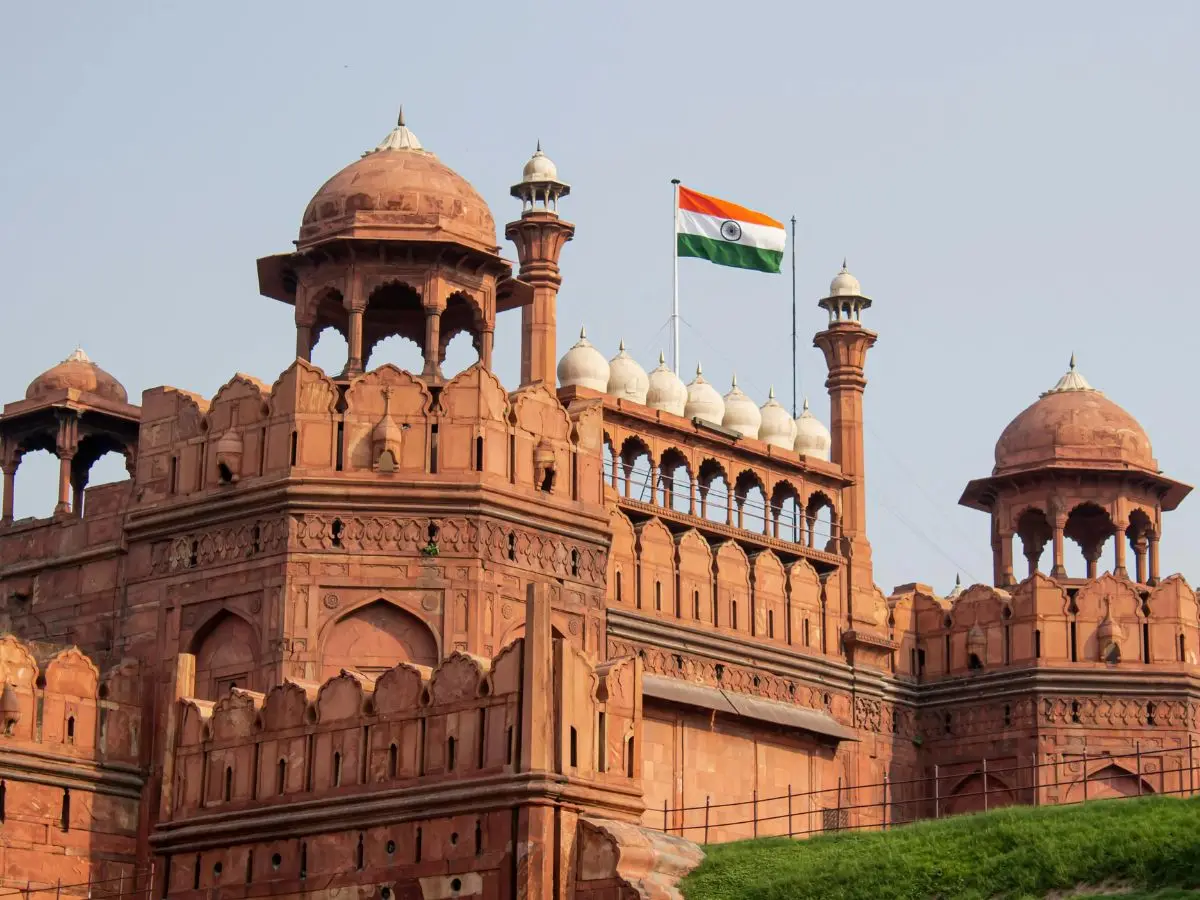
Red Fort, Delhi
The Red Fort occupies a unique place in India’s freedom narrative. During the uprising of 1857, Bahadur Shah Zafar emerged as a symbolic leader of the rebellion against British rule. Decades later, the fort became the backdrop for independent India’s first national celebration when Jawaharlal Nehru unfurled the Tricolour on August 15, 1947. The annual Independence Day address from its ramparts continues to connect the present with that historic moment.
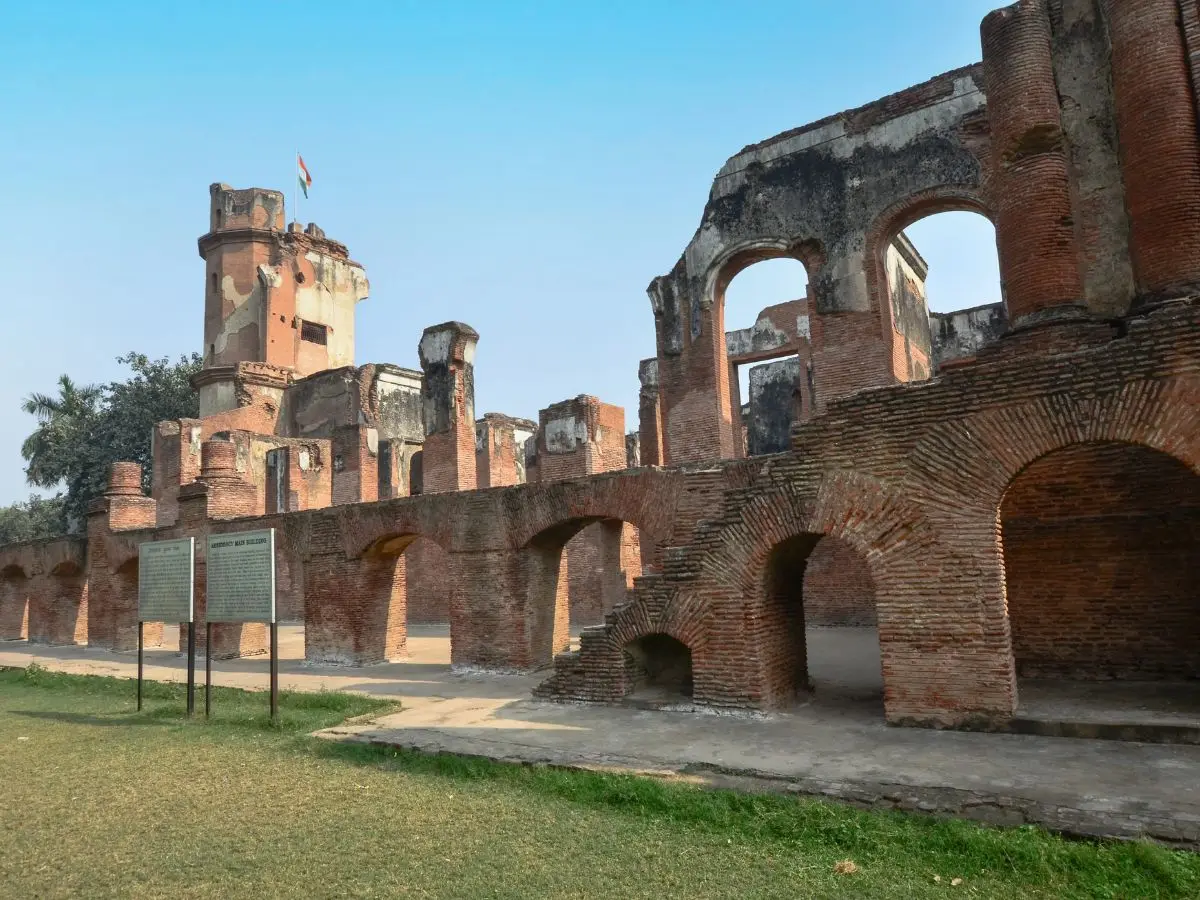
Lucknow Residency, Uttar Pradesh
The ruins of the Lucknow Residency preserve the memory of the intense fighting that marked the uprising of 1857. Indian rebels laid siege to the British garrison for months, turning the complex into a battlefield of strategic and symbolic importance. Even today, damaged walls and cannon marks testify to the scale of the confrontation. The Residency remains one of the most important reminders of early organised resistance against British rule.
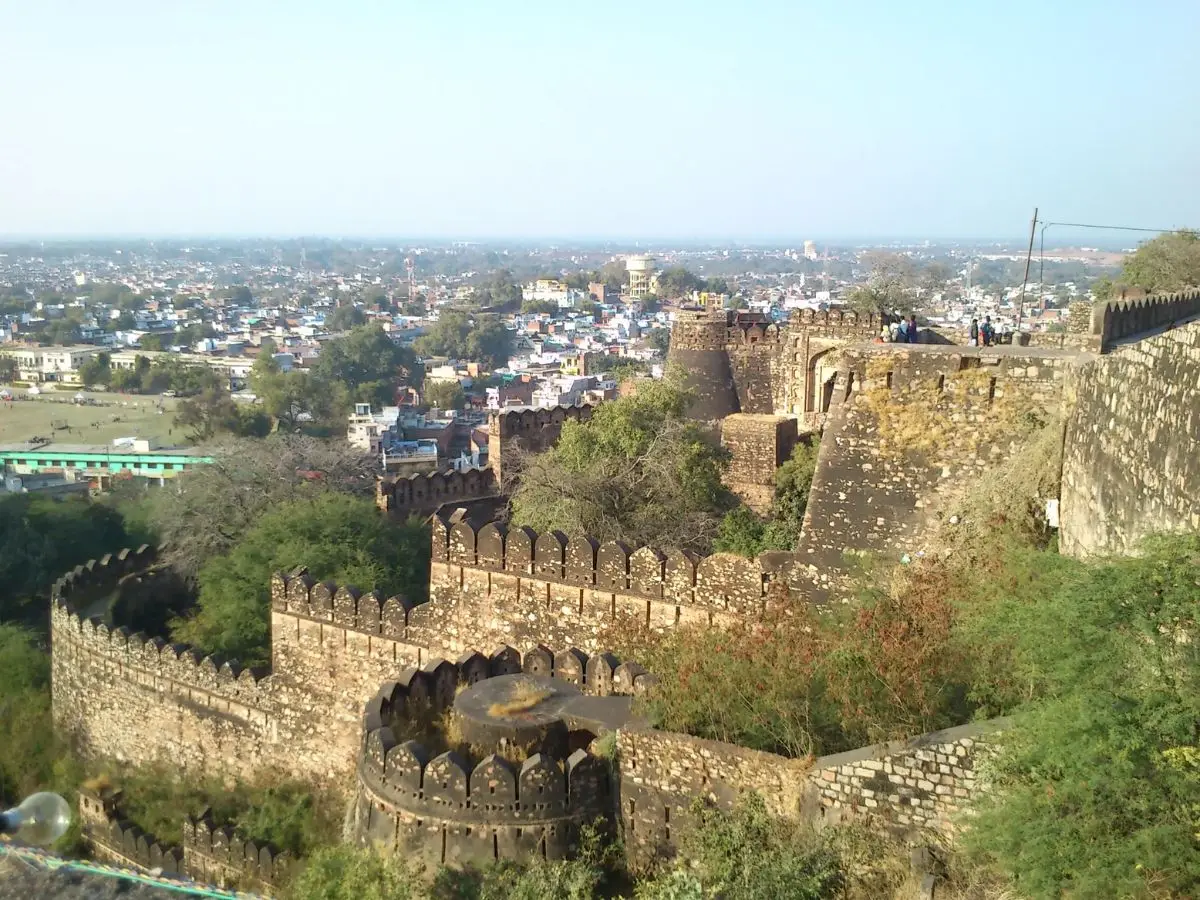
Jhansi Fort, Uttar Pradesh
Perched above the city, Jhansi Fort remains inseparable from the story of Rani Lakshmibai. During the revolt of 1857, she led one of the most determined resistance campaigns against the British. Her courage in defending Jhansi turned her into a lasting symbol of defiance and patriotism. The fort stands today not merely as a military structure, but as a monument to leadership, sacrifice and the spirit of resistance.
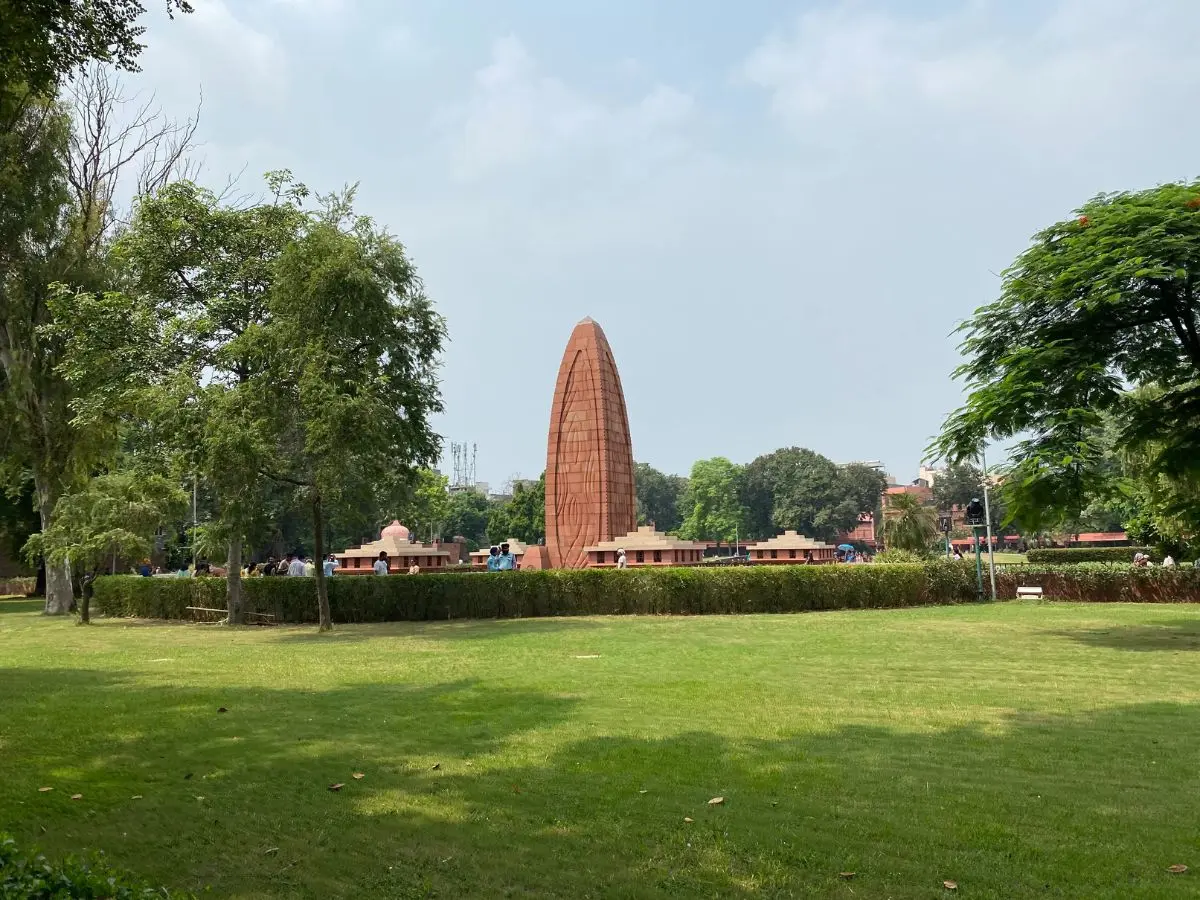
Jallianwala Bagh, Amritsar
Jallianwala Bagh became a defining symbol of colonial brutality on April 13, 1919. British troops under General Reginald Dyer fired on a peaceful gathering trapped inside the enclosed garden, killing hundreds of unarmed people. The massacre shocked the country and profoundly altered the course of the freedom movement. The memorial at the site continues to honour the victims and remind visitors of the price paid in the fight for independence.
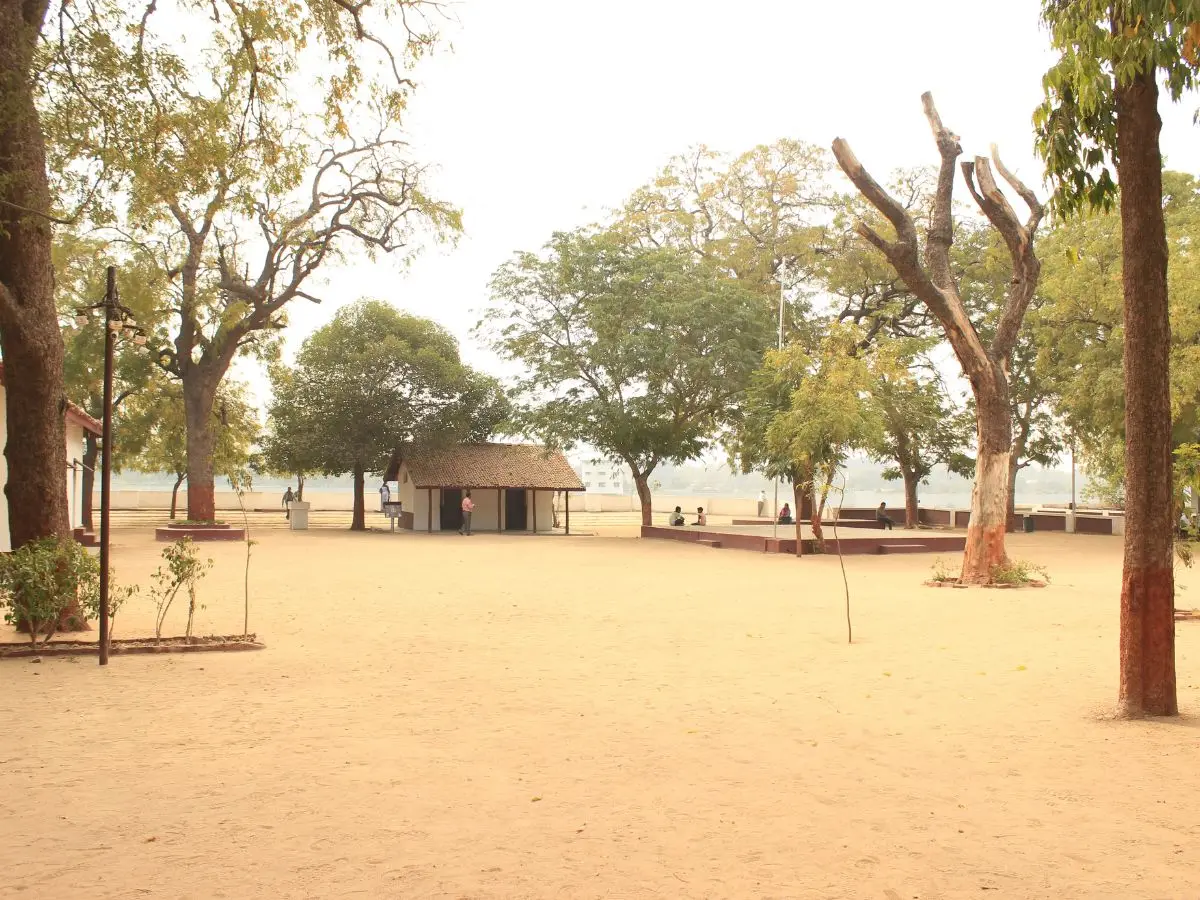
Sabarmati Ashram, Gujarat
Sabarmati Ashram was the nerve centre of Mahatma Gandhi’s political and moral campaigns. From this modest settlement on the banks of the Sabarmati River, Gandhi shaped strategies that challenged colonial authority through non-violent resistance. The Salt March of 1930 began here and grew into a movement that drew ordinary Indians into the freedom struggle. The ashram remains a symbol of simplicity, discipline and peaceful protest.
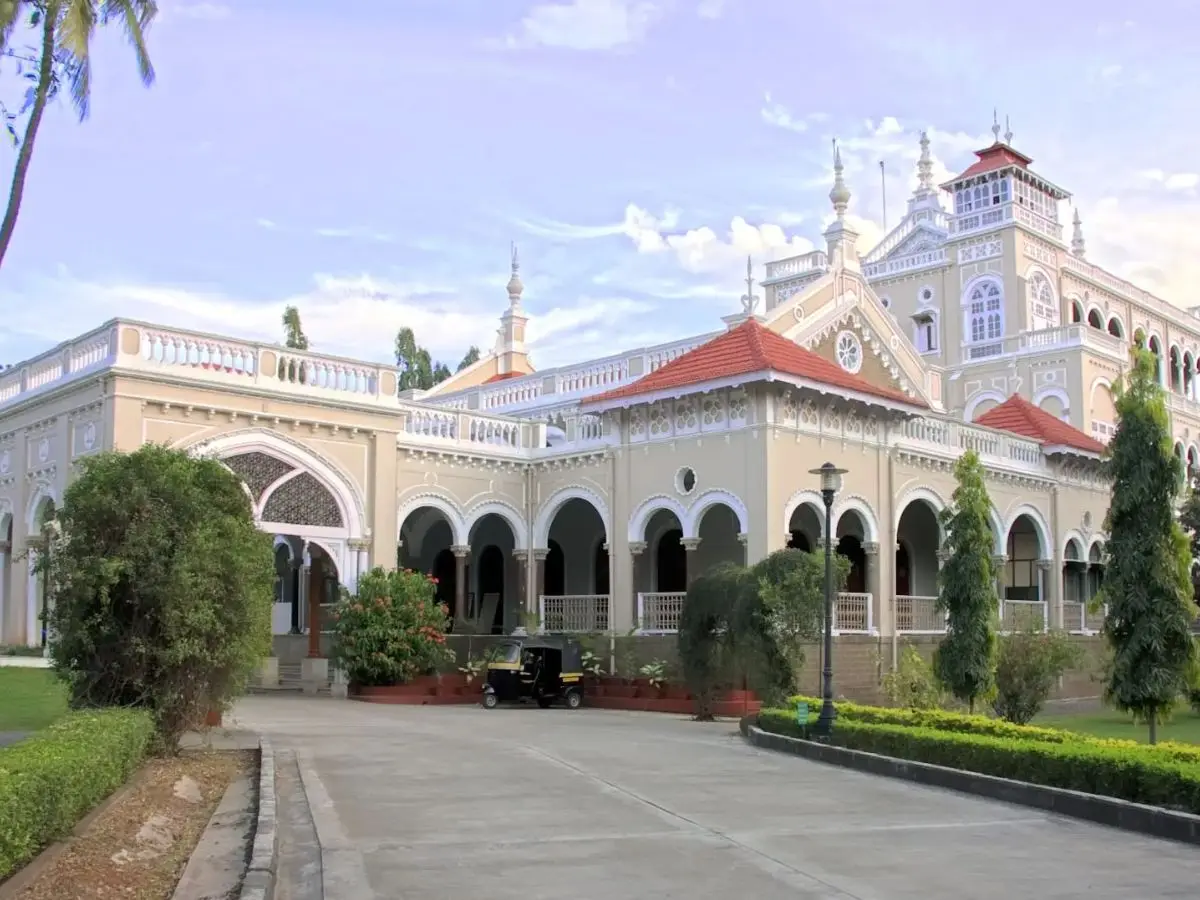
Aga Khan Palace, Pune
The Aga Khan Palace became closely associated with one of the most difficult phases of the independence movement. Following the launch of the Quit India Movement in 1942, Gandhi was detained here by the British. During his imprisonment, Kasturba Gandhi and Mahadev Desai died within the palace grounds. Their deaths transformed the building into a place of remembrance, highlighting the personal suffering that accompanied the larger political struggle.
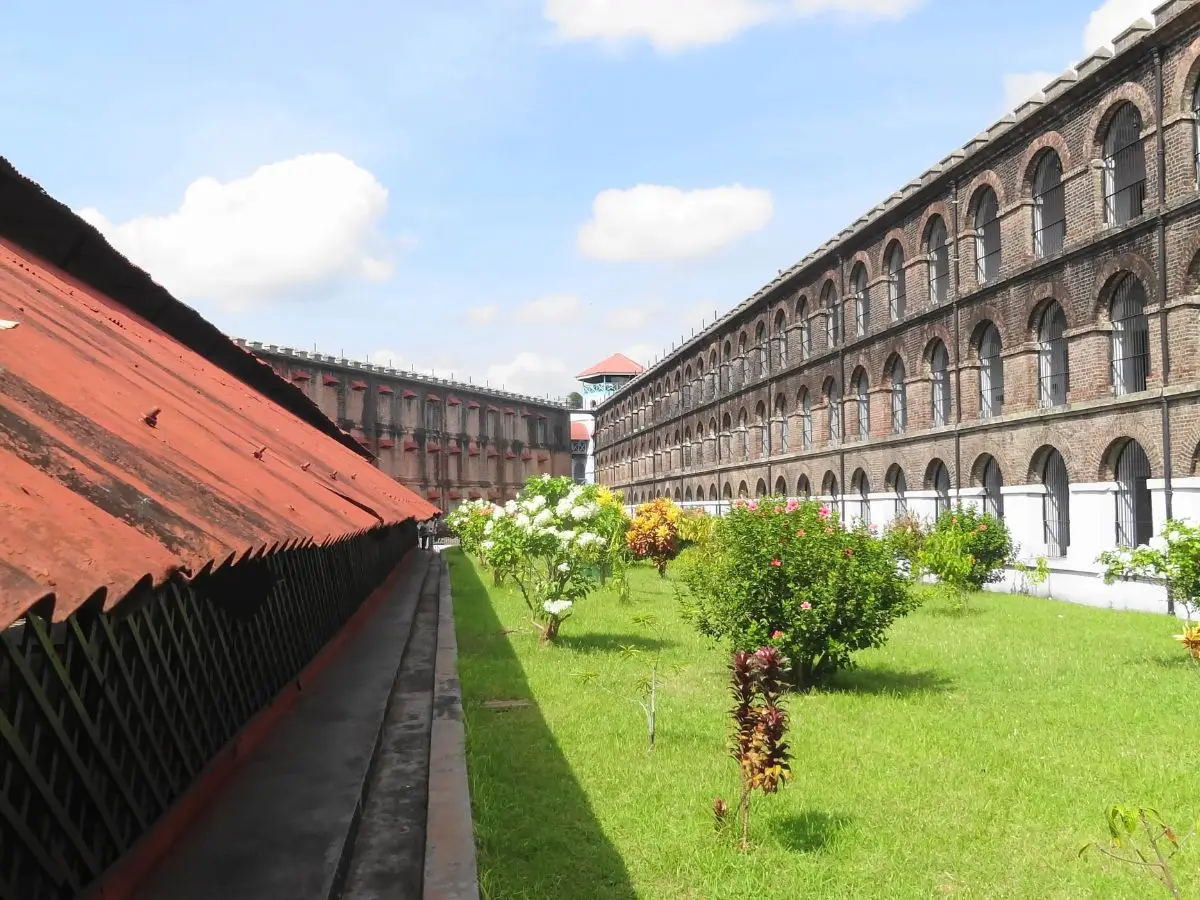
Cellular Jail, Andaman & Nicobar Islands
The Cellular Jail, also known infamously as Kala Pani, was one of the harshest instruments of British repression. Political prisoners were transported across the sea and subjected to solitary confinement, forced labour and severe punishment. Revolutionaries including Veer Savarkar and Batukeshwar Dutt were among those imprisoned there. Its narrow cells and towering corridors remain a stark reminder of the endurance and sacrifice of those who challenged colonial rule.
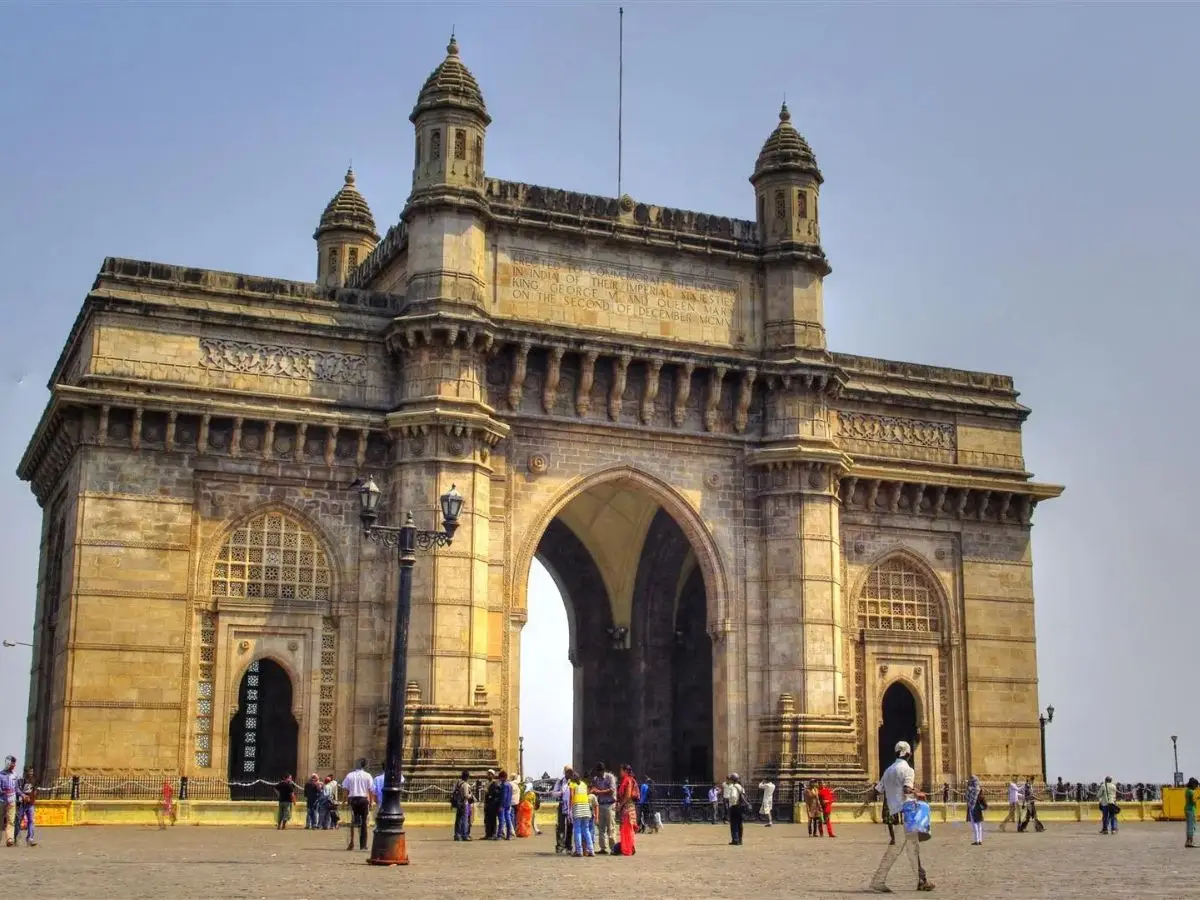
Gateway of India, Mumbai
Although built to commemorate the visit of a British monarch, the Gateway of India eventually came to represent the end of colonial rule. In 1948, the last contingent of British troops departed through this monument, marking the formal military withdrawal of the British from India. The archway that once celebrated imperial power became associated with the closing chapter of colonial rule and the beginning of a sovereign nation.
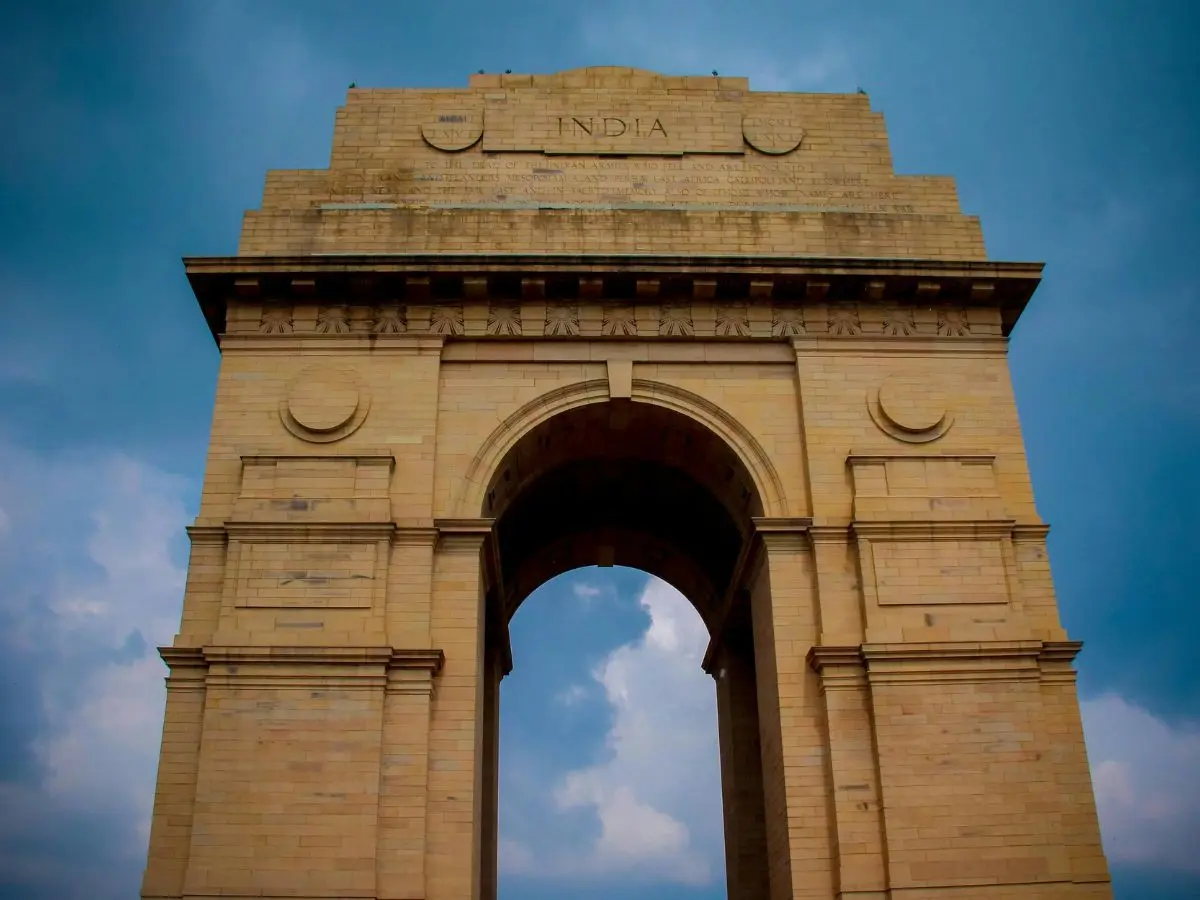
India Gate, Delhi
India Gate was originally built by the British to honour soldiers who died during the First World War, but its meaning has evolved significantly since independence. It has become a national landmark associated with remembrance, sacrifice and public memory. For many Indians, the monument now represents the courage of those who served the nation and the ideals of unity and duty that emerged in independent India.
)
)
)
)
)