India 80th Independence Day: Five surprising rules about the Indian Tricolour most citizens break without knowing

From putting the Tricolour on your car to wearing it below the waist, here are five Indian flag rules many citizens may unknowingly violate.
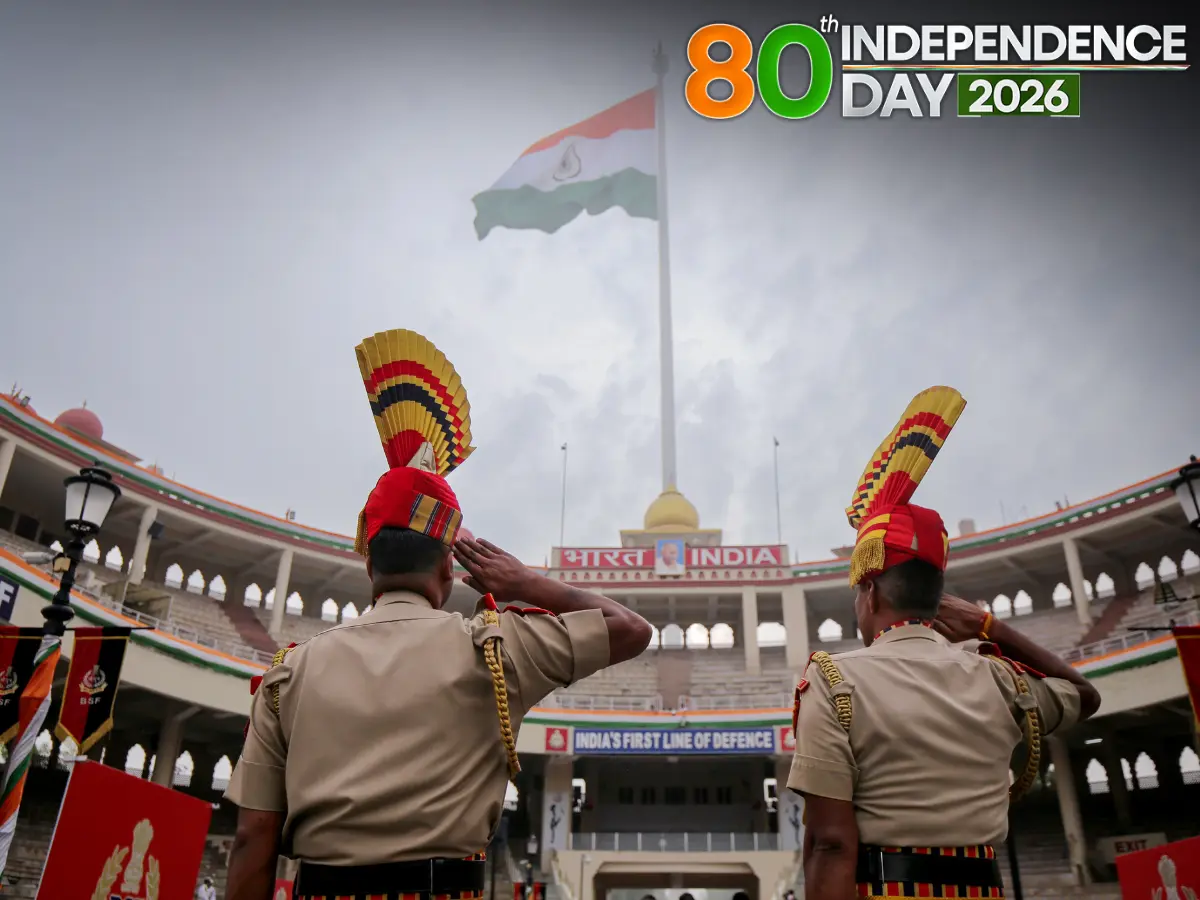
Surprising rules about Indian flag you might be breaking
The Indian flag is a familiar sight during Independence Day and Republic Day celebrations, but there are strict rules governing how the Tricolour can be displayed, used, and disposed of. Some of them are surprisingly specific. Here are five rules many people may unknowingly violate.
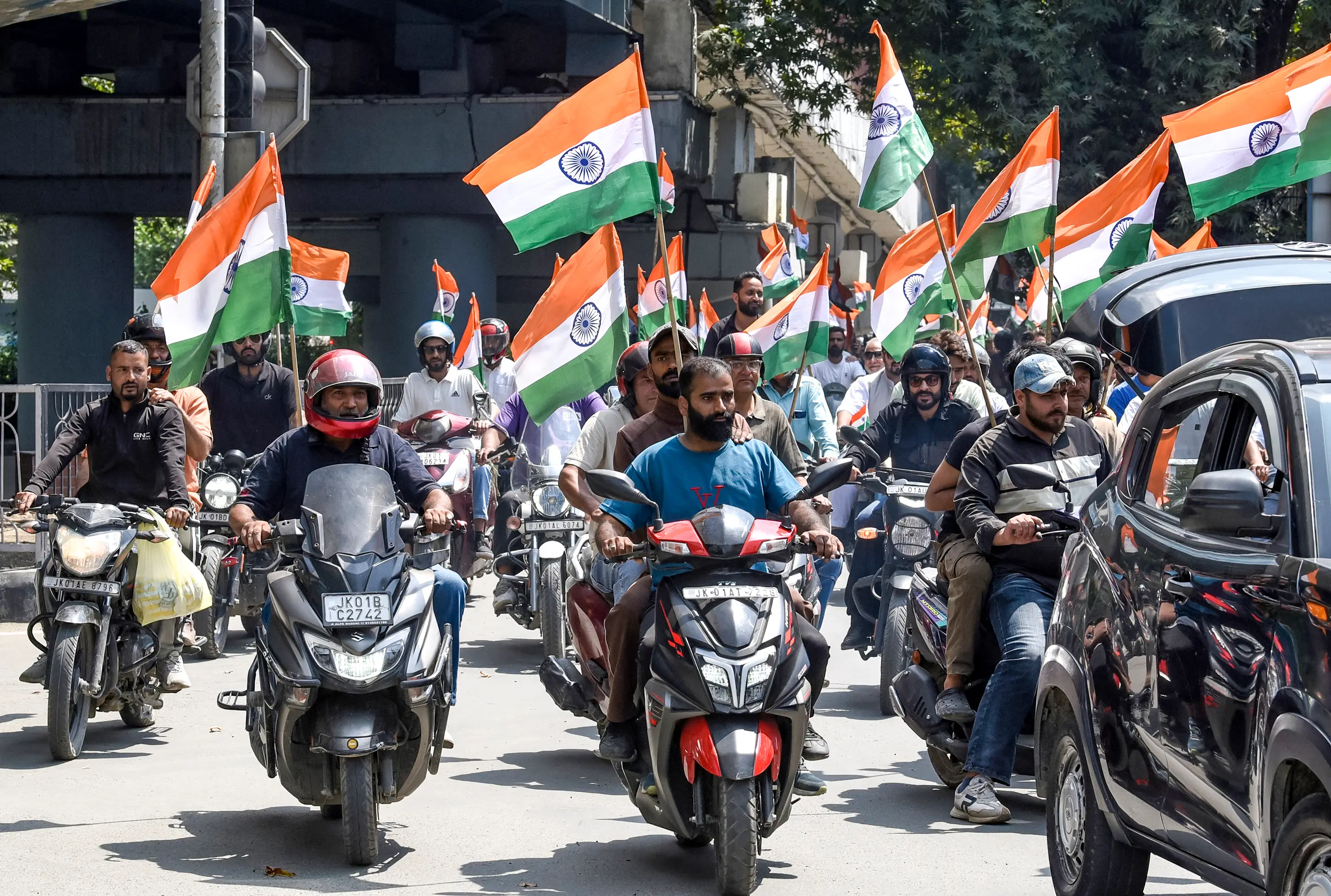
1. Putting the Tricolour on your car can be illegal
That familiar sight of the flag draped across the bonnet or roof of a vehicle is not permitted.
The law specifically bars the National Flag from being draped over the hood, top, sides or back of a vehicle. The restriction also covers trains, boats and aircraft.
There is a separate privilege allowing certain high constitutional and government officials to fly the National Flag on motor cars. Ordinary citizens do not have that privilege.
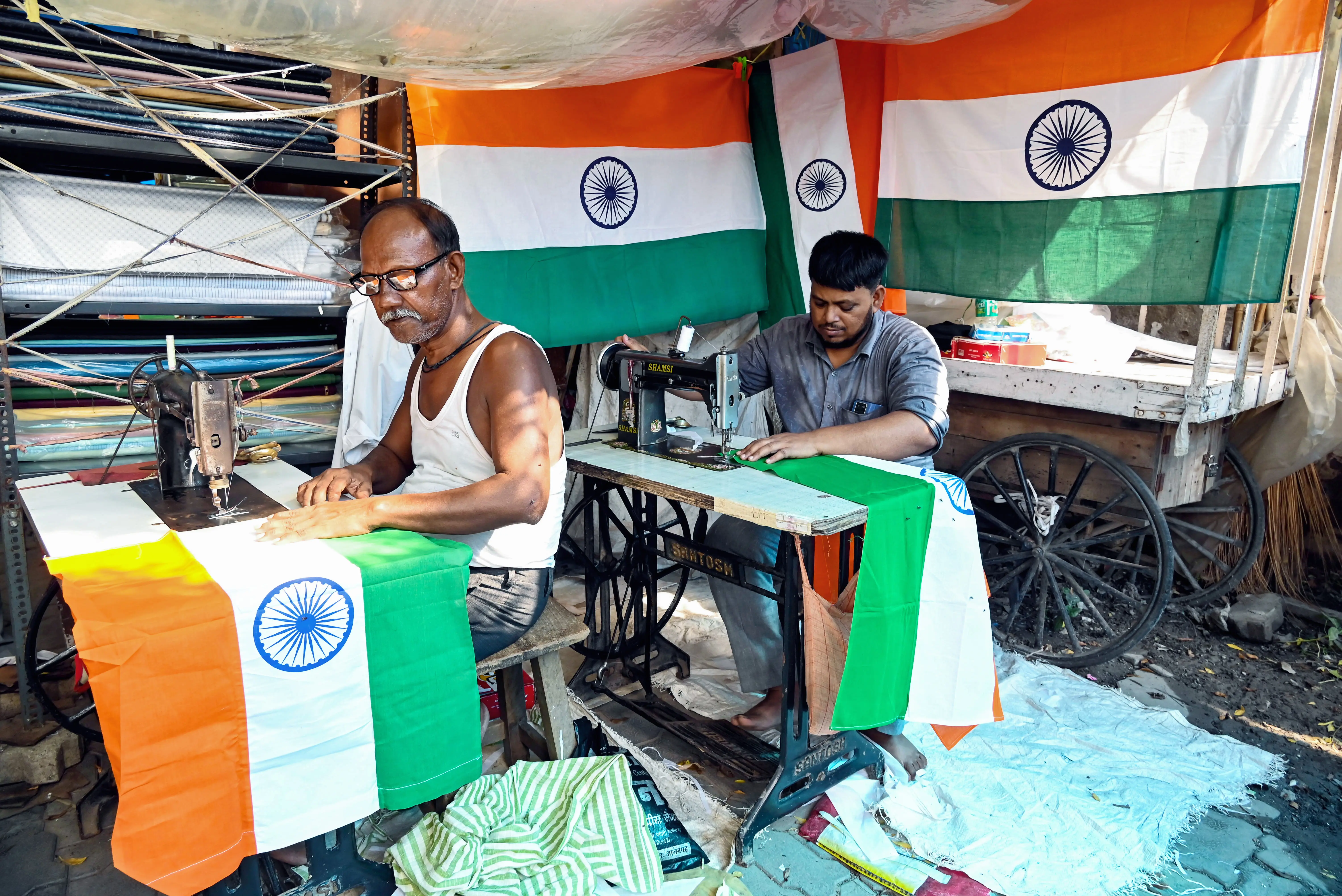
2. Writing your name or a message on the flag is prohibited
Adding a slogan, political message, name or any other lettering directly onto the National Flag is prohibited.
The Prevention of Insults to National Honour Act specifically lists putting any kind of inscription on the flag as an act of disrespect.
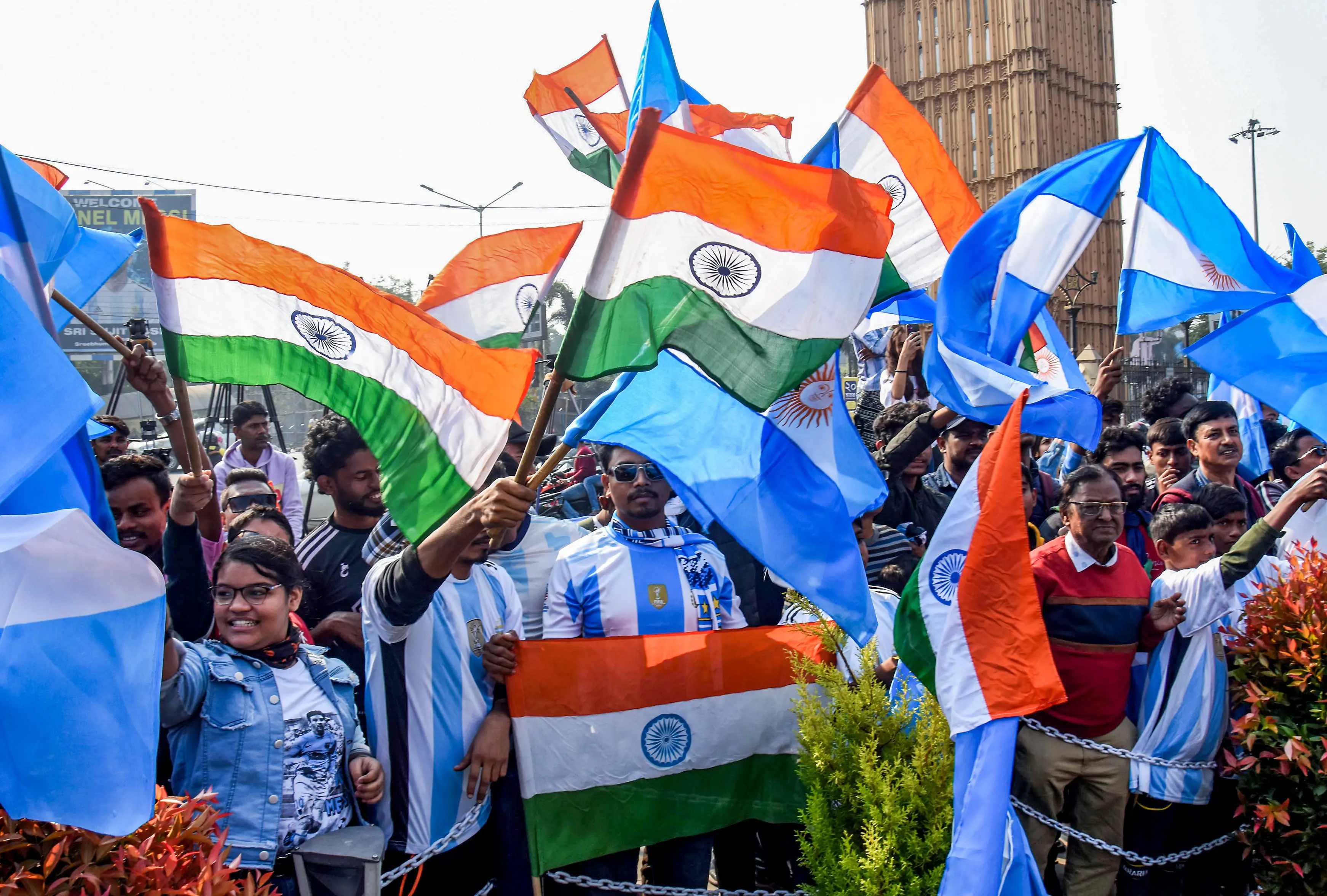
5. The Tricolour has strict rules when displayed with other flags
You cannot simply arrange the Indian flag wherever you want when it is displayed alongside other national flags.
According to the Ministry of Home Affairs, when the flags of different countries are displayed in a straight line, the Indian National Flag should be placed on the extreme right, with the other national flags following in alphabetical order based on their English names.
If the flags are arranged in a closed circle, the Indian flag marks the beginning, and the other national flags follow clockwise.
There are also separate rules when the Tricolour is displayed with another flag on crossed staffs. In that case, the Indian flag must be on its own right, and its staff must be in front of the other flag's staff.
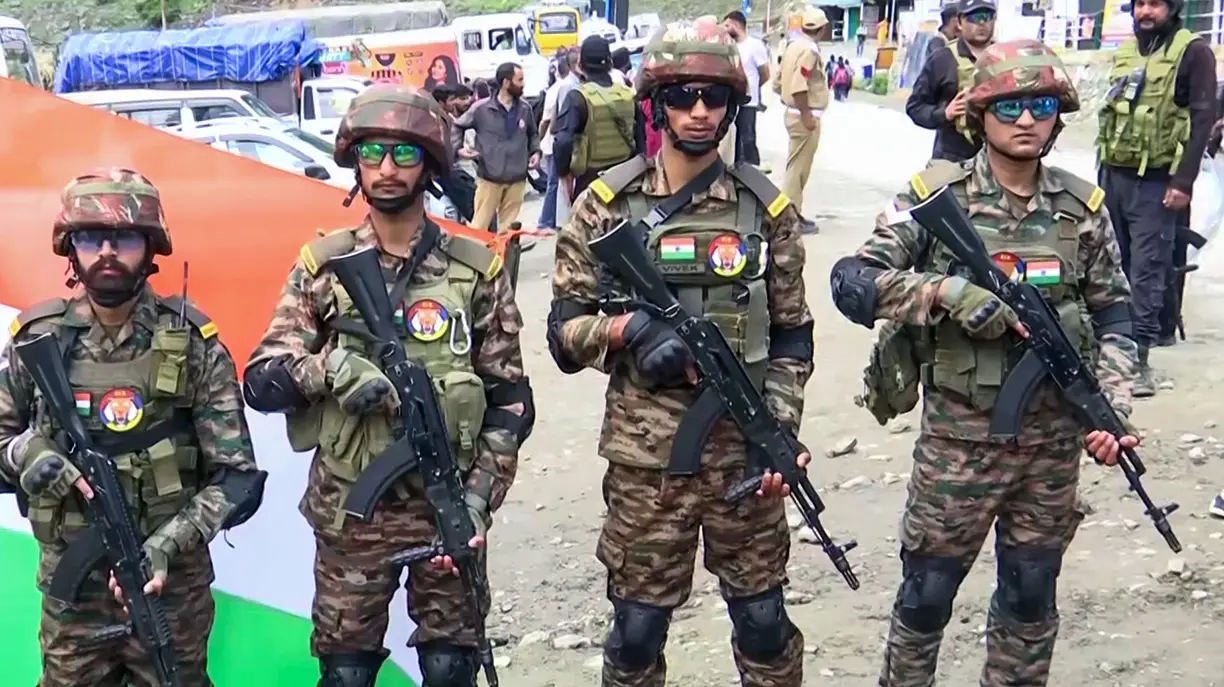
4. Wearing the Tricolour below the waist is prohibited
The rules governing the National Flag go beyond how it is flown.
The Prevention of Insults to National Honour Act says the Tricolour cannot be used as part of a costume, uniform or accessory of any description worn below the waist.
The same provision also prohibits embroidering or printing the National Flag on items such as cushions, handkerchiefs, napkins, undergarments or dress material.
This is specifically included in the Act's definition of disrespect to the National Flag.
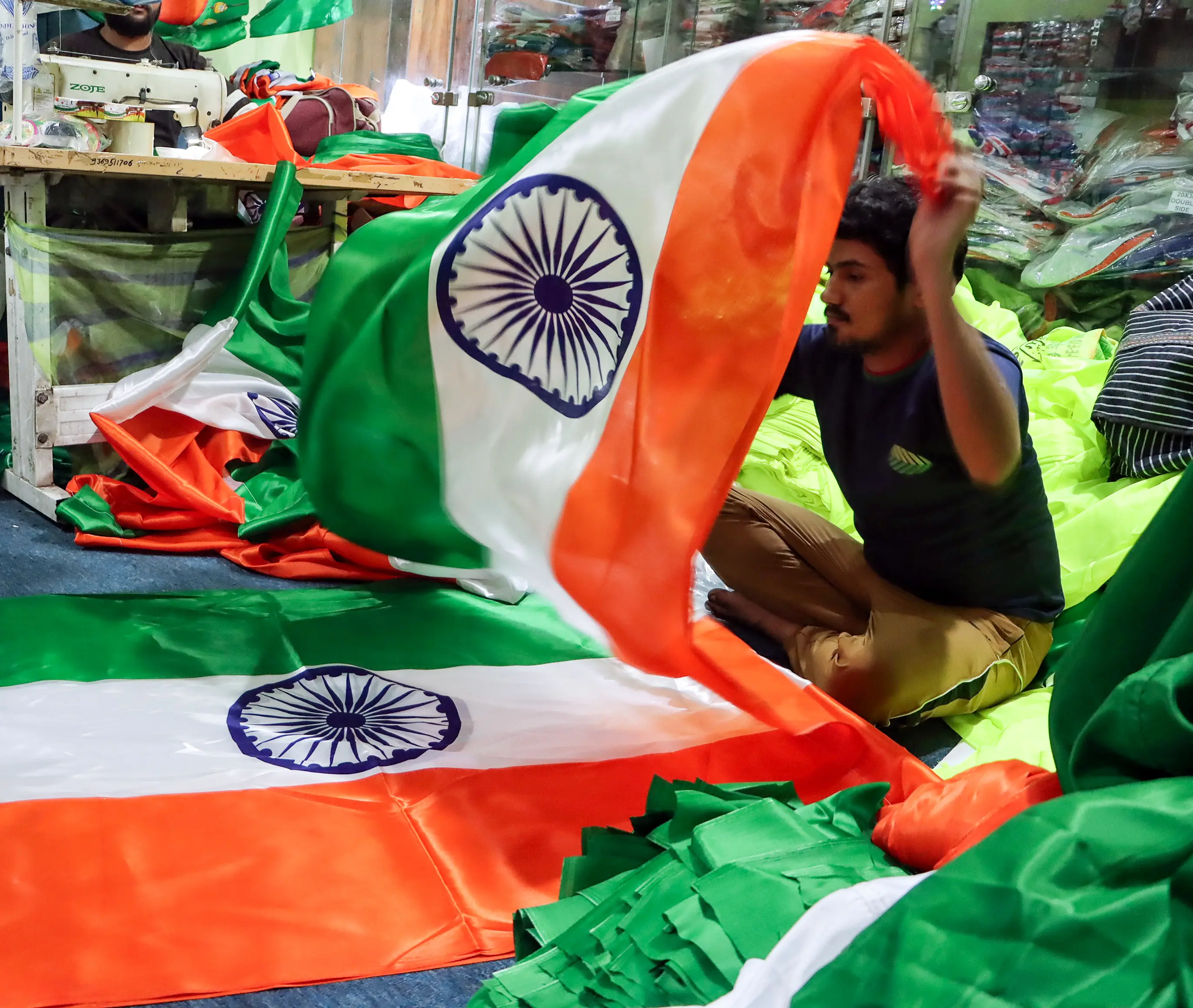
5. You cannot dip the Tricolour in salute to anyone
It may look like a respectful gesture, but the National Flag cannot be lowered or "dipped" as a salute to a person or object.
The Prevention of Insults to National Honour Act, 1971, specifically includes dipping the Indian National Flag in salute to any person or thing within its definition of disrespect to the flag.
The law provides for imprisonment of up to three years, a fine, or both for acts of disrespect to the National Flag in public view.
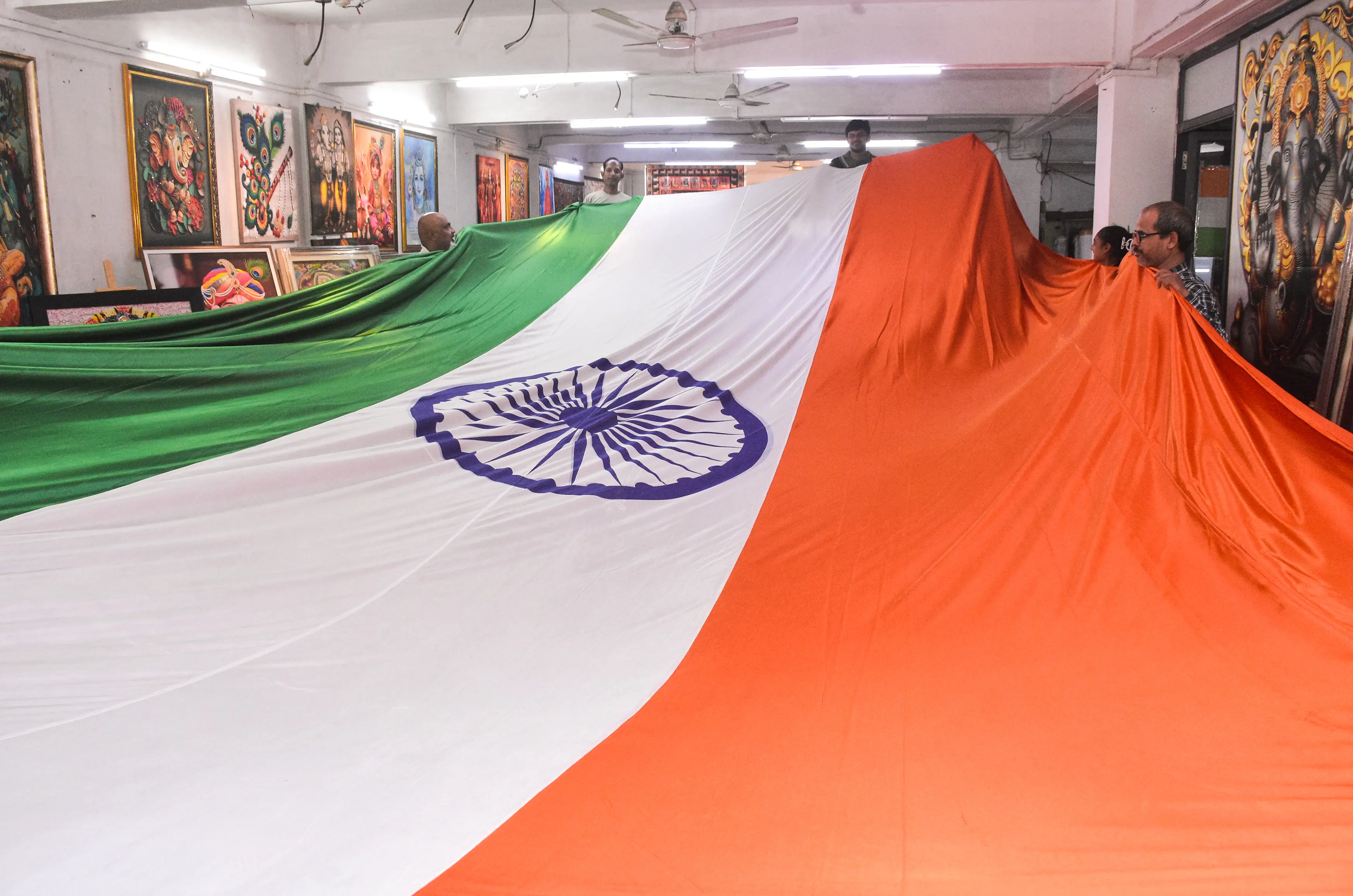
What does the law say?
The use and display of the Indian National Flag are governed primarily by the Flag Code of India, 2002 and the Prevention of Insults to National Honour Act, 1971. The Ministry of Home Affairs says the Flag Code covers laws, conventions, practices and instructions relating to the flag.
Under the 1971 Act, deliberate acts such as defacing, burning, trampling upon or otherwise showing disrespect to the National Flag in public view can attract imprisonment of up to three years, a fine, or both.
)
)
)
)
)