1947 vs 2026: Shocking increase in price of everyday essentials in India

India at 80: The cost of everyday essentials has changed dramatically since 1947. Here is a look at what Indians paid for milk, rice, wheat, petrol, travel, and more back when the country gained independence compared with 2026.
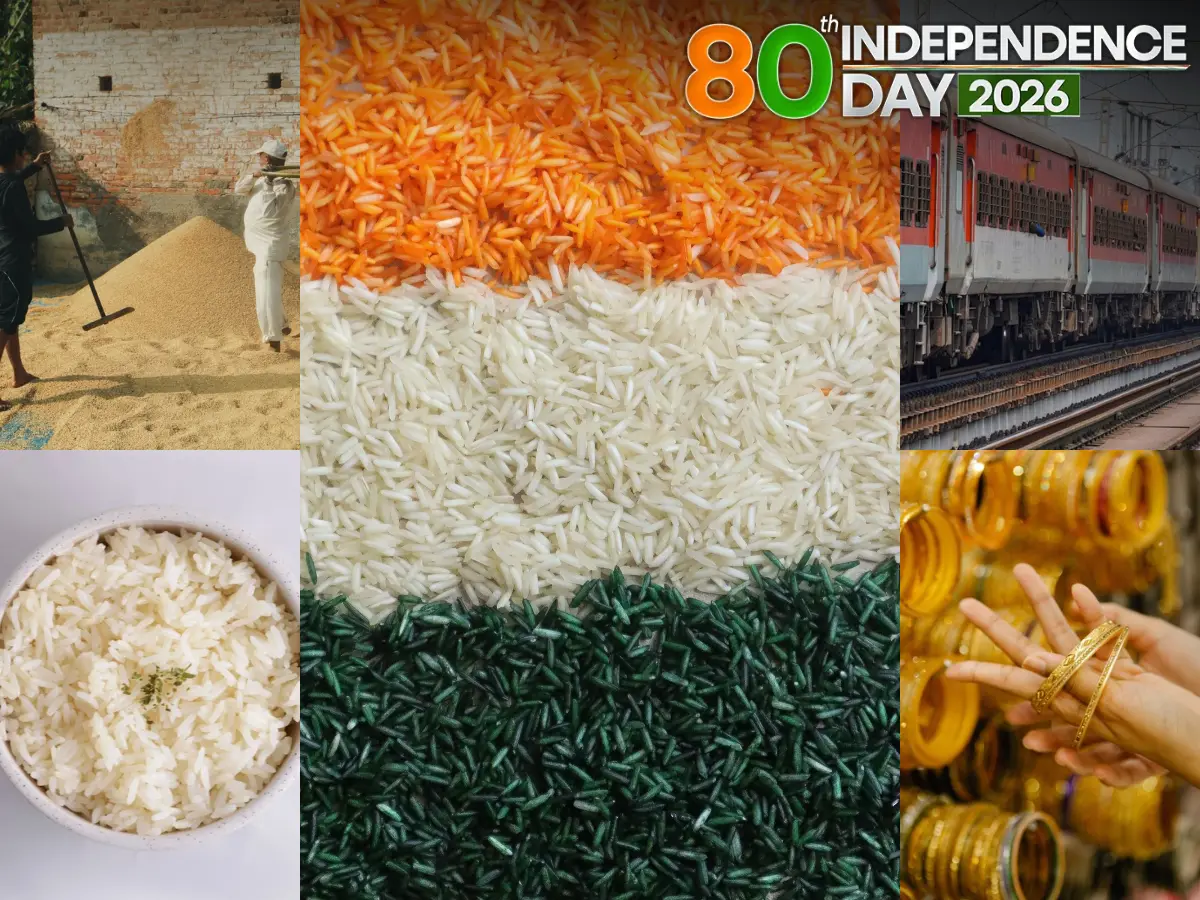
Essential commodities prices India 1947 and now
On August 15, 1947, India became independent with an economy vastly different from the one it has today. The rupee was divided into annas, paise, and pies; wages were measured in tens of rupees, and everyday commodities cost a fraction of their modern prices.
What did Indians pay for everyday essentials when the country became independent, and how do those prices compare with 2026?
Here is a look at the cost of milk, rice, wheat, sugar, petrol, gold, travel, and even a bicycle in 1947 versus today.
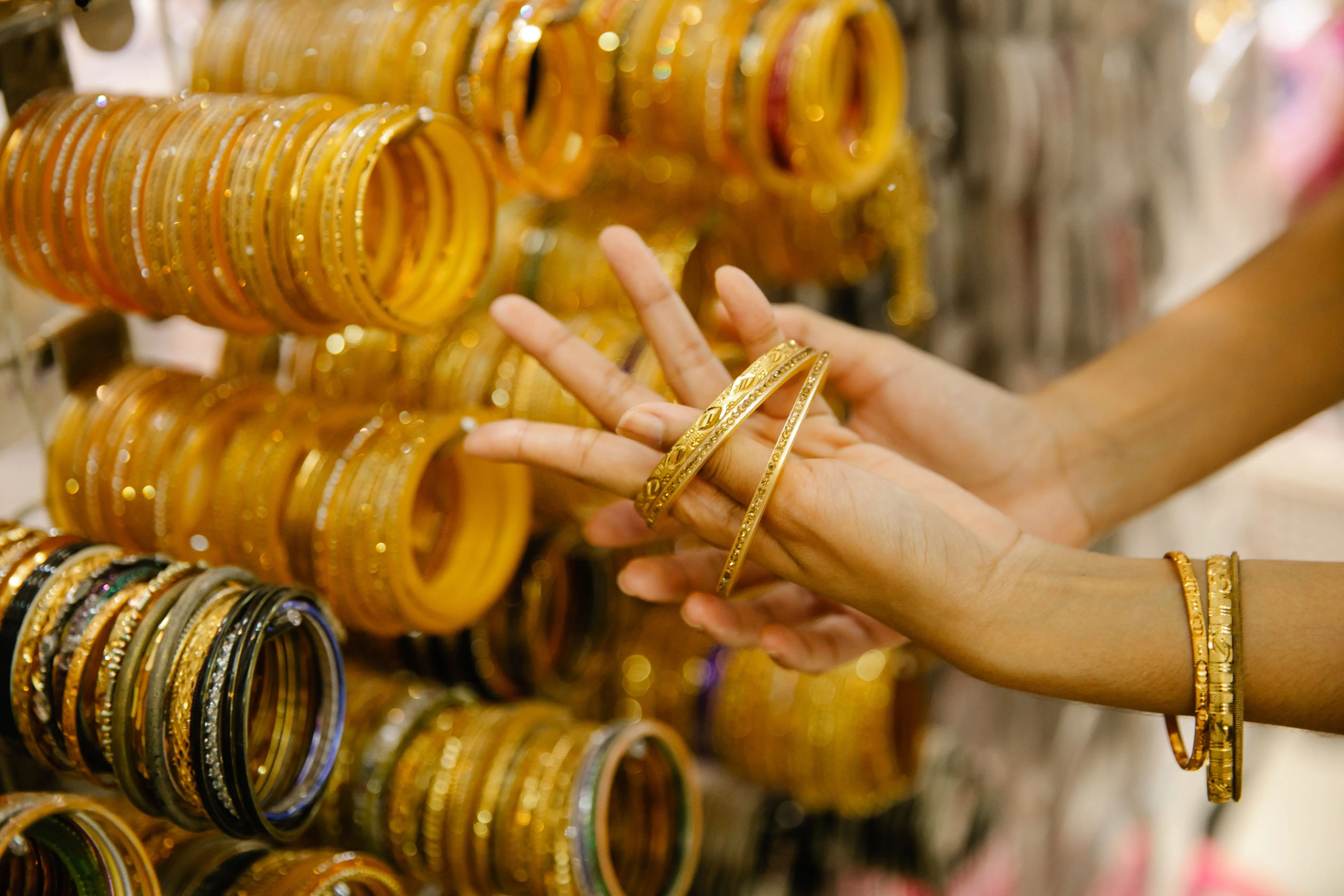
Gold (24 Karat per 10 grams)
1947 Price: ₹88.62 (often rounded in standard series to ₹88.82)
2026 Price: ₹1,55,300 (as of mid-2026)
Source (1947): Reserve Bank of India (RBI)–Report on Currency and Finance (1946–47 & 1947–48) / Ministry of Finance Historical Bullion Statistics Series.
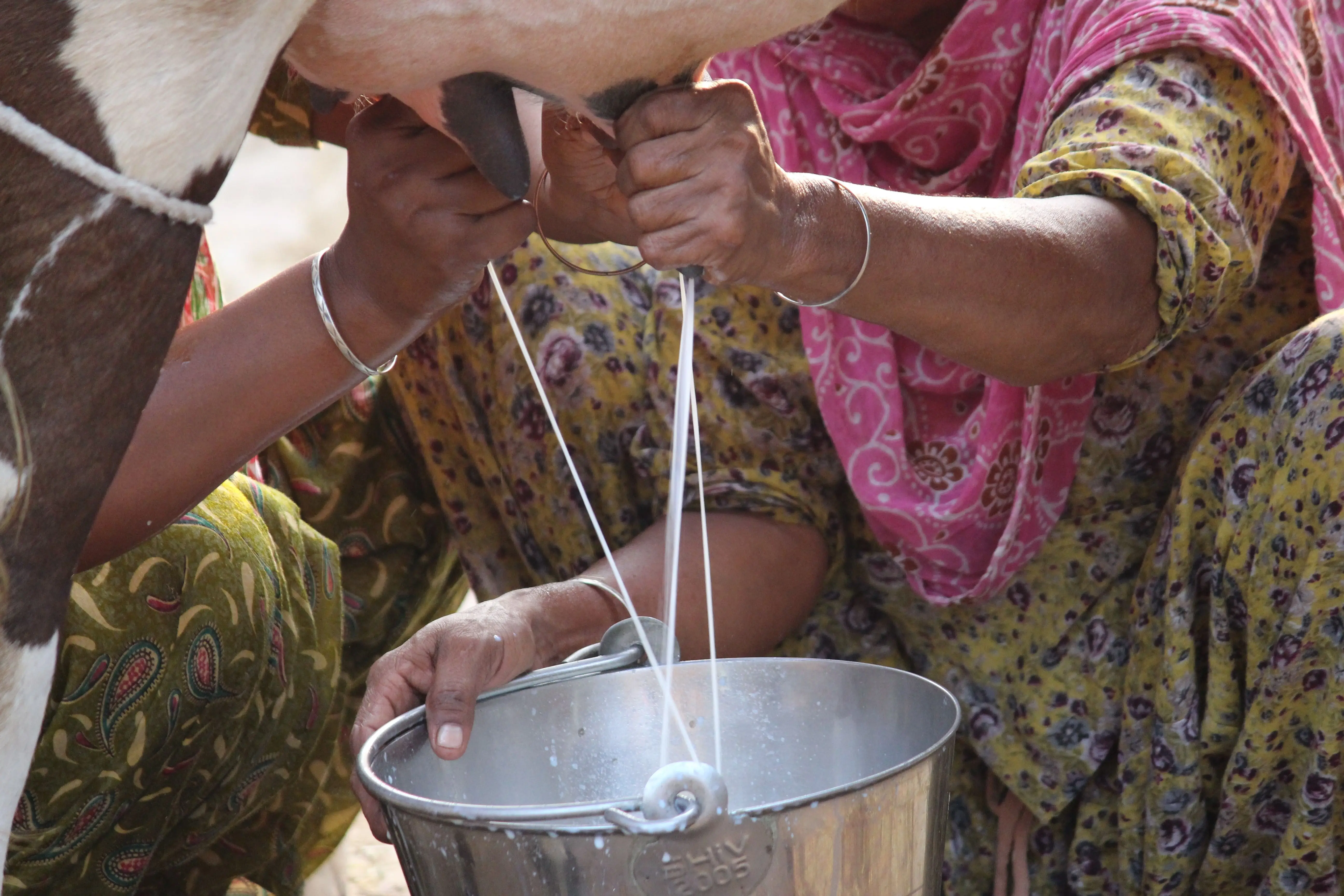
Milk (per litre)
1947 Price: ₹0.12 (12 paise equivalent, originally priced at approximately 2 Annas per Seer)
2026 Price: ₹66–₹68 (Standardised/Full-Cream packaged milk)
Source (1947): Directorate of Marketing and Inspection (DMI), Ministry of Agriculture–Report on the Marketing of Milk in the Indian Union (1947–1950) / National Dairy Development Board (NDDB) Historical Milk Pricing Archives.
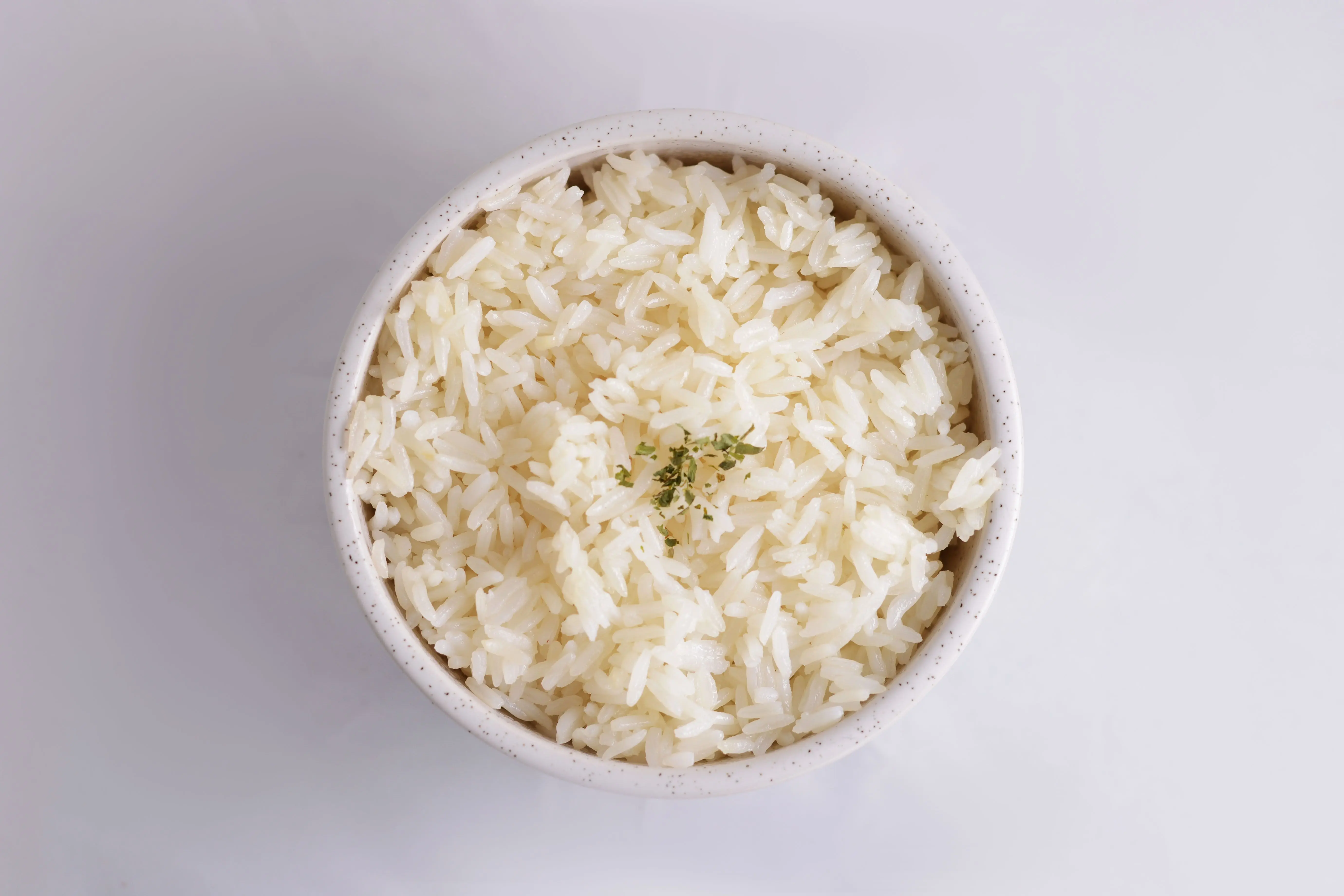
Rice (per Kg–common Variety)
1947 Price: ₹0.12–₹0.16 (12 to 16 paise equivalent)
2026 Price: ₹50–₹60
Source (1947): Directorate of Economics and Statistics (DES), Ministry of Agriculture – Agricultural Prices in India (1947-1950 Report).
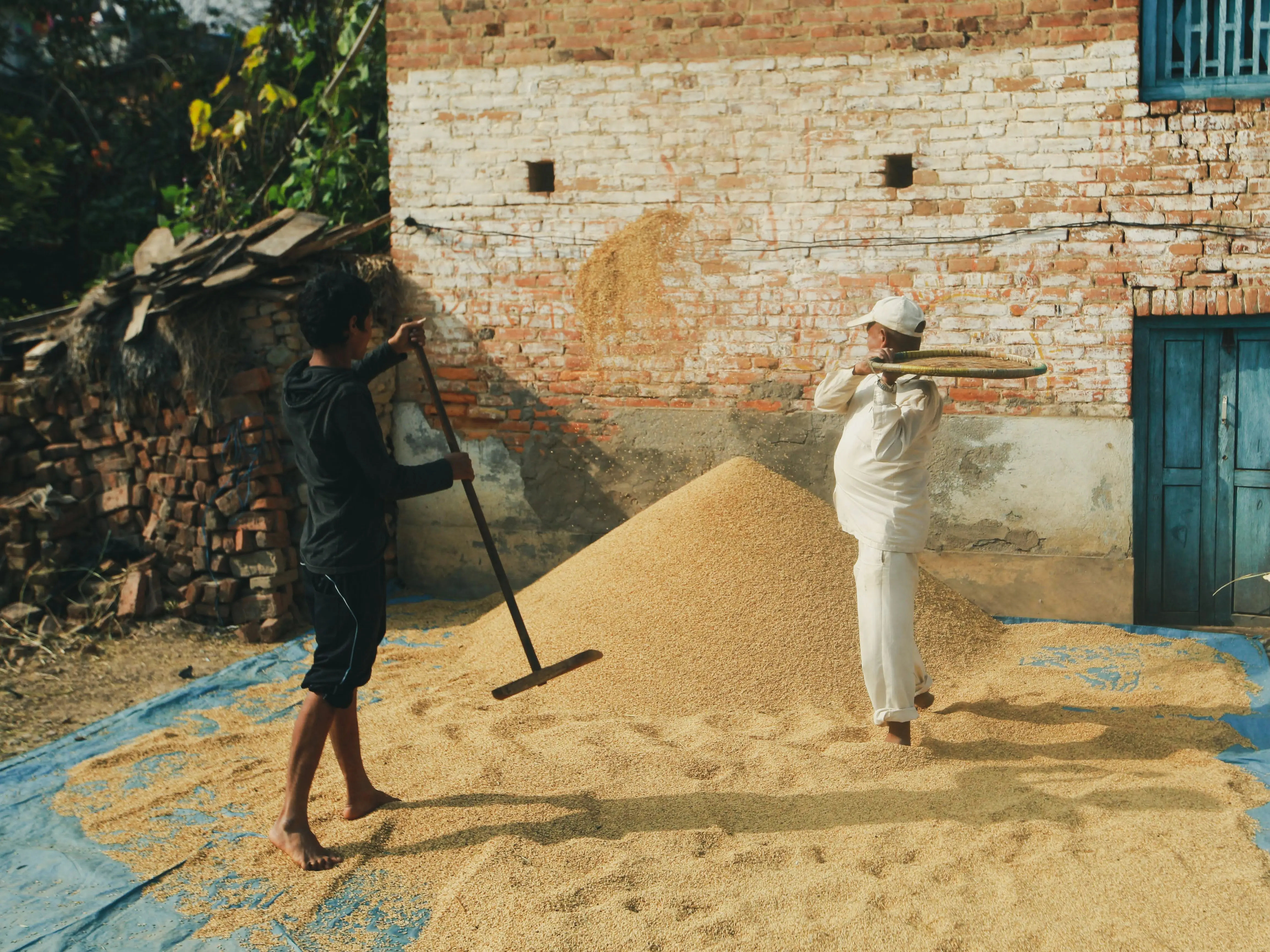
Wheat (Wholesale per Quintal / 100 kg)
1947 Price: ₹20.00–₹24.00 per quintal (equivalent to ~₹0.20 to ₹0.24 per kg)
2026 Price: ₹2,800–₹3,200 per quintal (Retail: ₹38–₹45 per kg)
Source (1947): Office of the Economic Adviser (OEA), Ministry of Commerce & Industry–Wholesale Price Index (WPI) Registers (1947 Base Series).
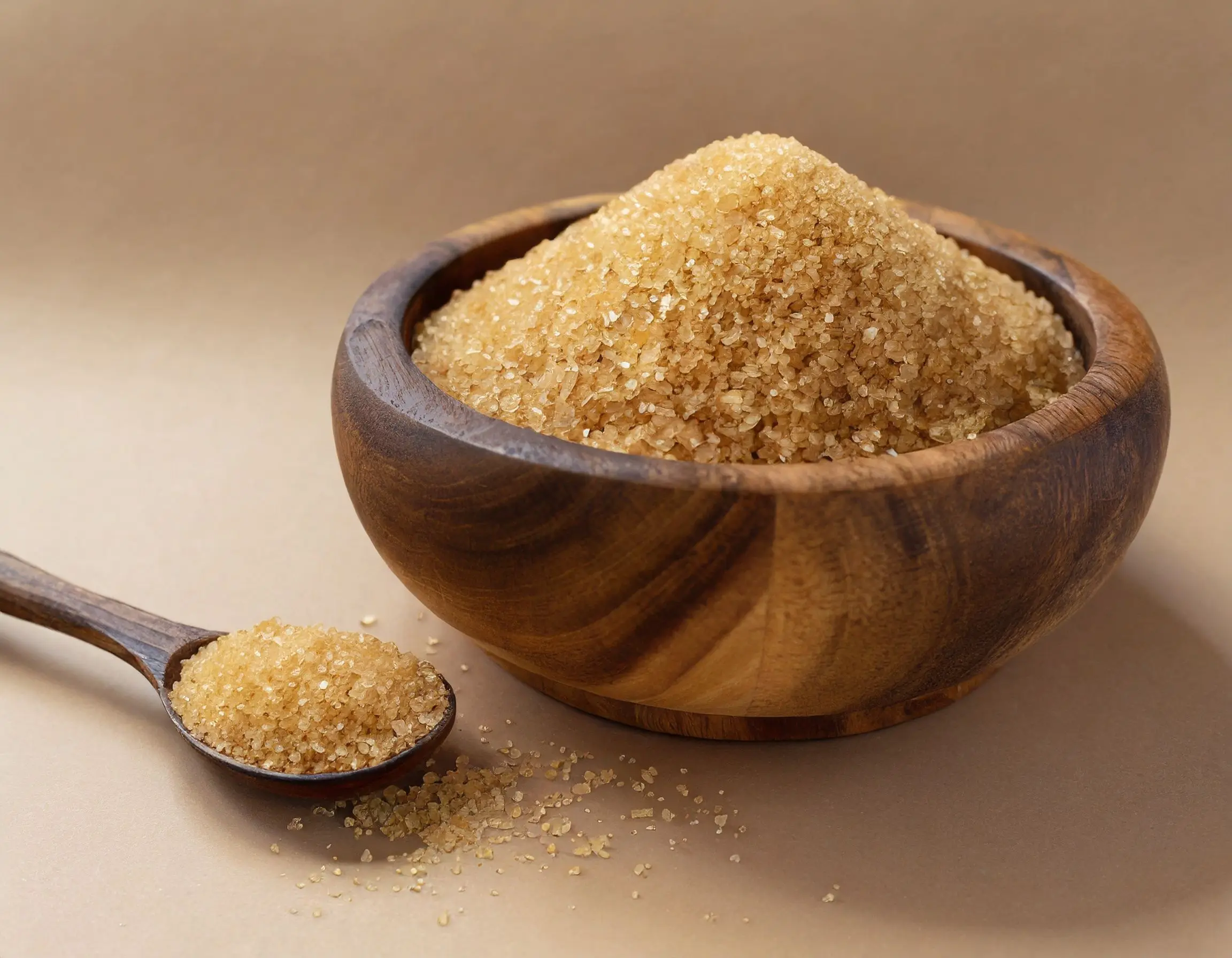
Sugar (per kg)
1947 Price: ₹0.40–₹0.45 (40 to 45 Annas/Paise equivalent)
2026 Price: ₹44–₹48
Source (1947): Ministry of Food and Agriculture–Commodity Prices in India Historical Ledger (Central Statistical Organisation Archives).
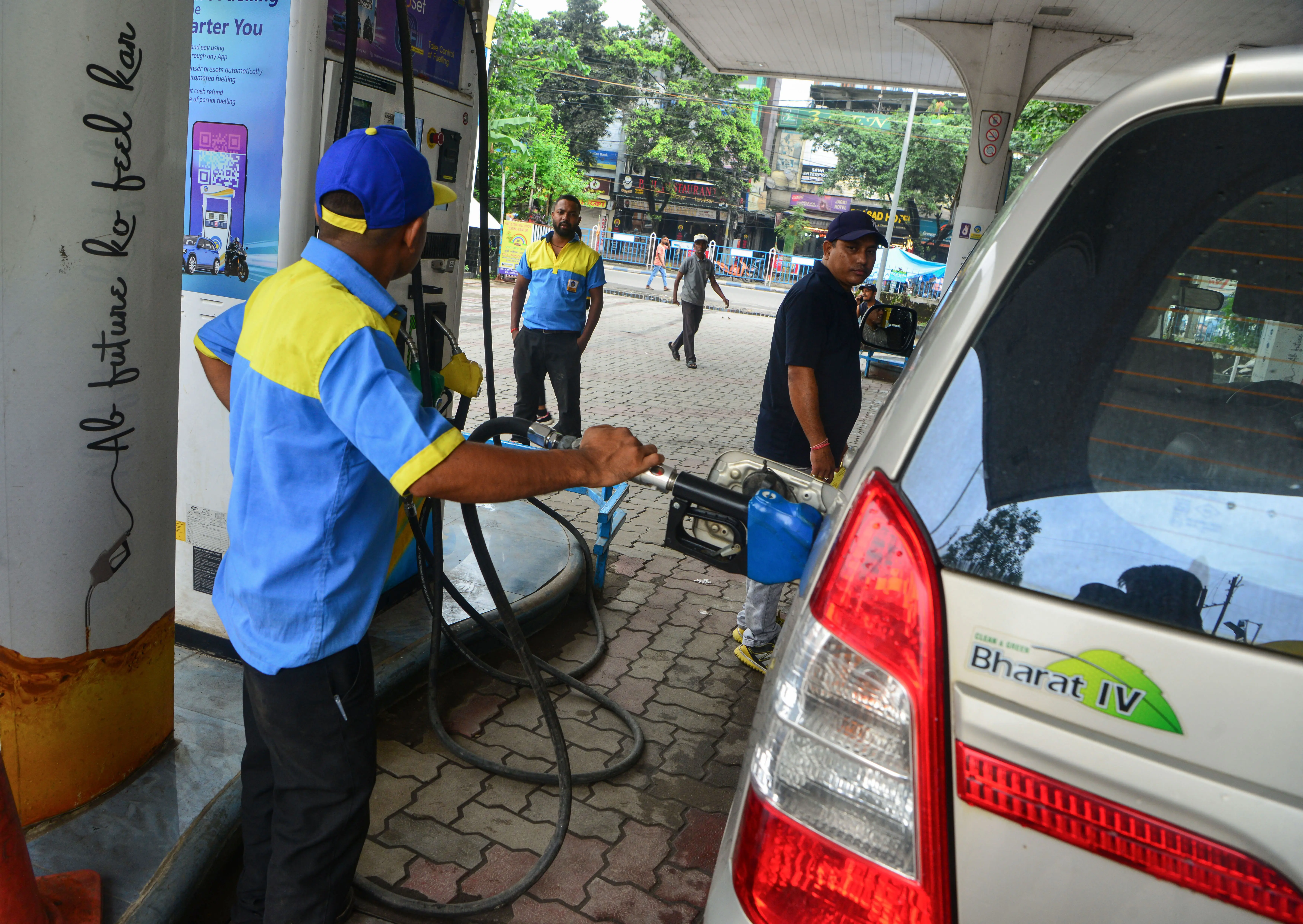
Petrol (per Litre)
1947 Price: ₹0.27 (27 Paise or 4 Annas per gallon equivalent)
2026 Price: ₹94–₹102 (varies by state taxes)
Source (1947): Petroleum Planning & Analysis Cell (PPAC), Ministry of Petroleum & Natural Gas–Historical Tariff & Price Built-up Archives.
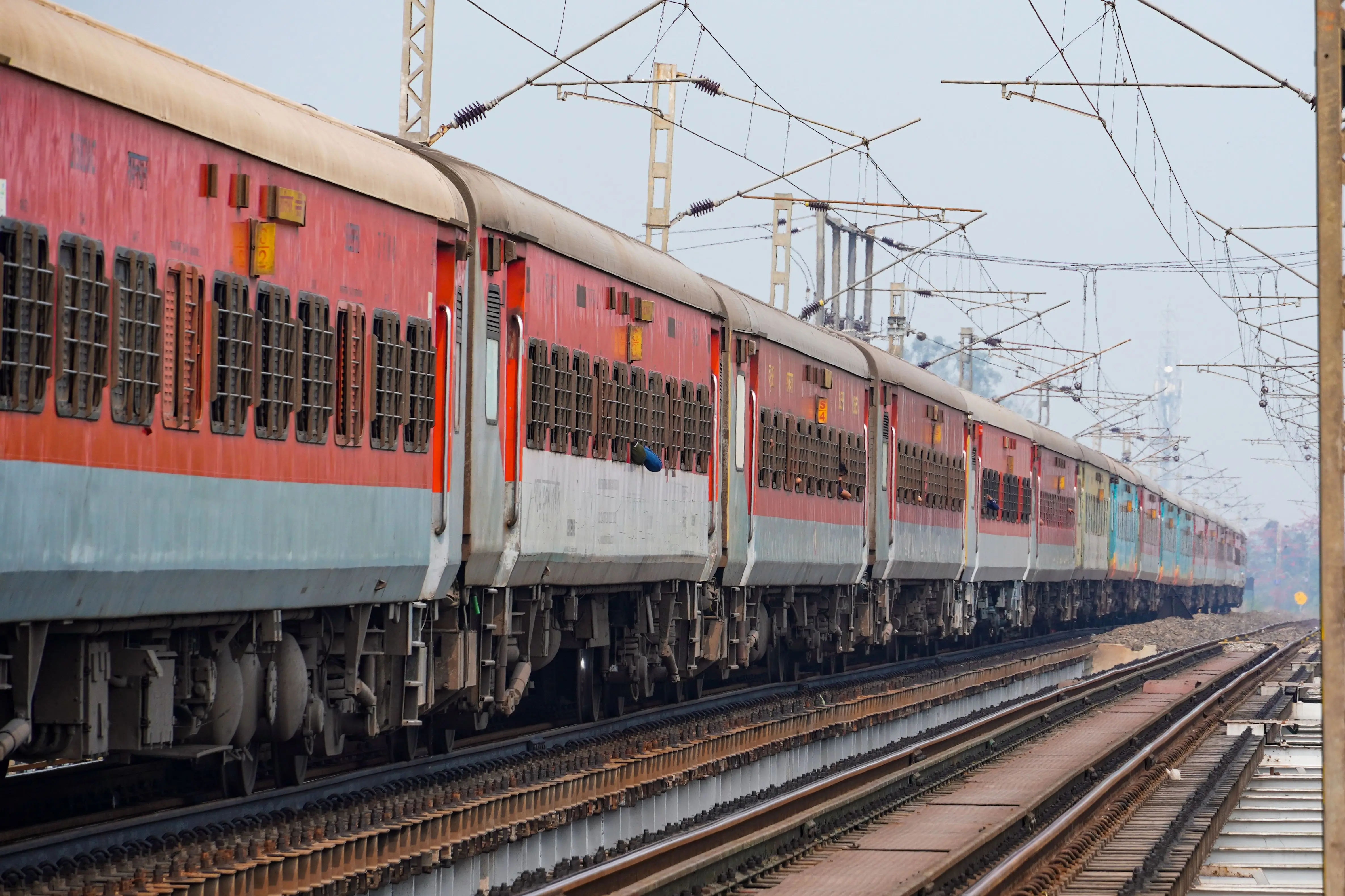
Train Fare (First Class: Delhi to Calcutta / Bombay)
1947 Price: ₹123
2026 Price: ₹4,800–₹5,200 (AC 1st Class standard base rate)
Source (1947): Ministry of Railways (Railway Board)–Indian Railways Passenger Tariff Schedules (1947 General Guide).
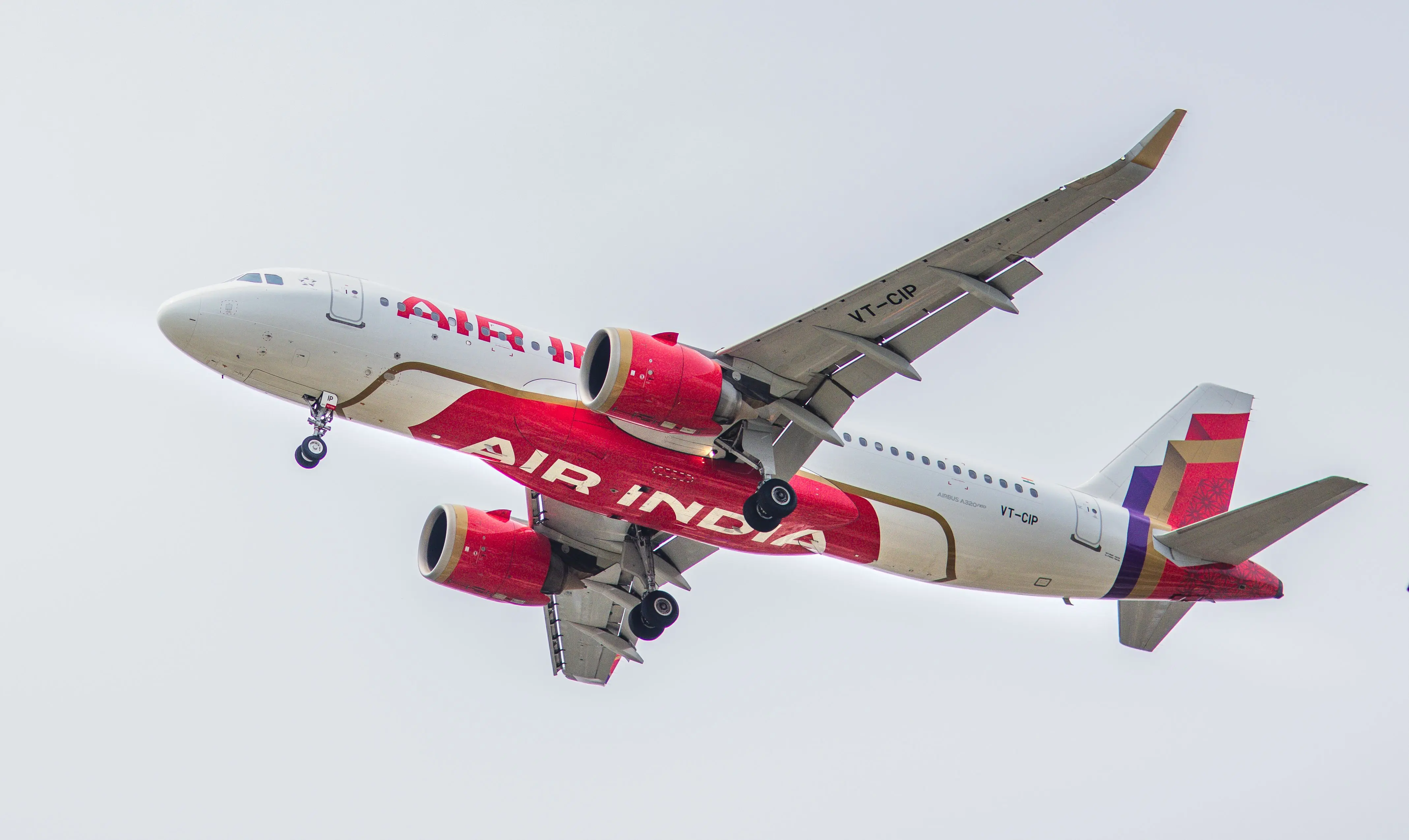
Airfare (Single Passenger Ticket: Delhi to Mumbai)
1947 Price: ₹140
2026 Price: ₹5,500–₹8,000
Source (1947): Directorate General of Civil Aviation (DGCA) Archives & Air India (Tata Airlines) Pre-Nationalisation Passenger Tariff Ledgers (1947).
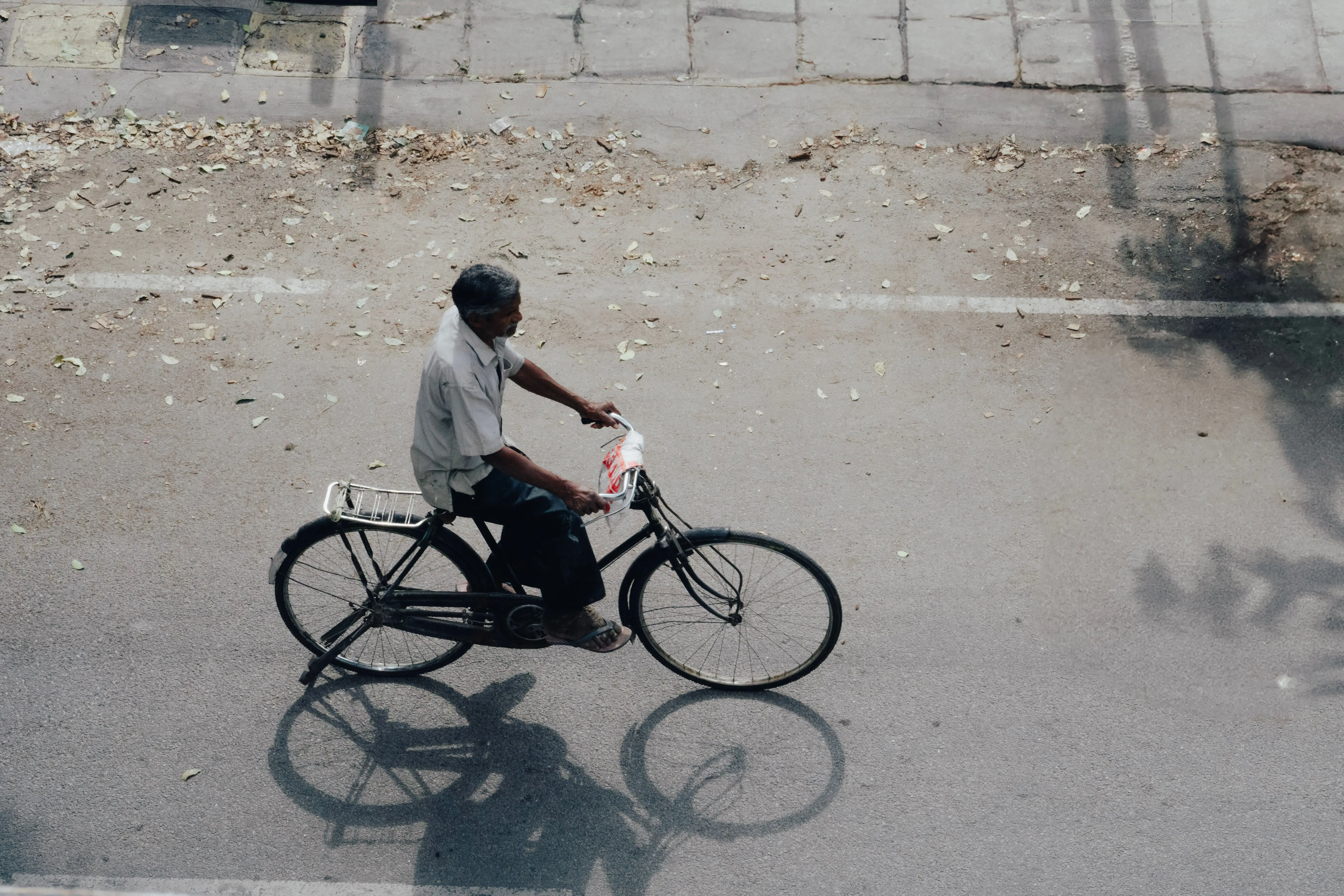
Bicycle (Standard Commuter Model)
1947 Price: ₹20–₹25
2026 Price: ₹4,500–₹6,000
Source (1947): Tariff Commission of India / Ministry of Industry & Supply–Report on the Continuation of Protection to the Bicycle Industry (1948).
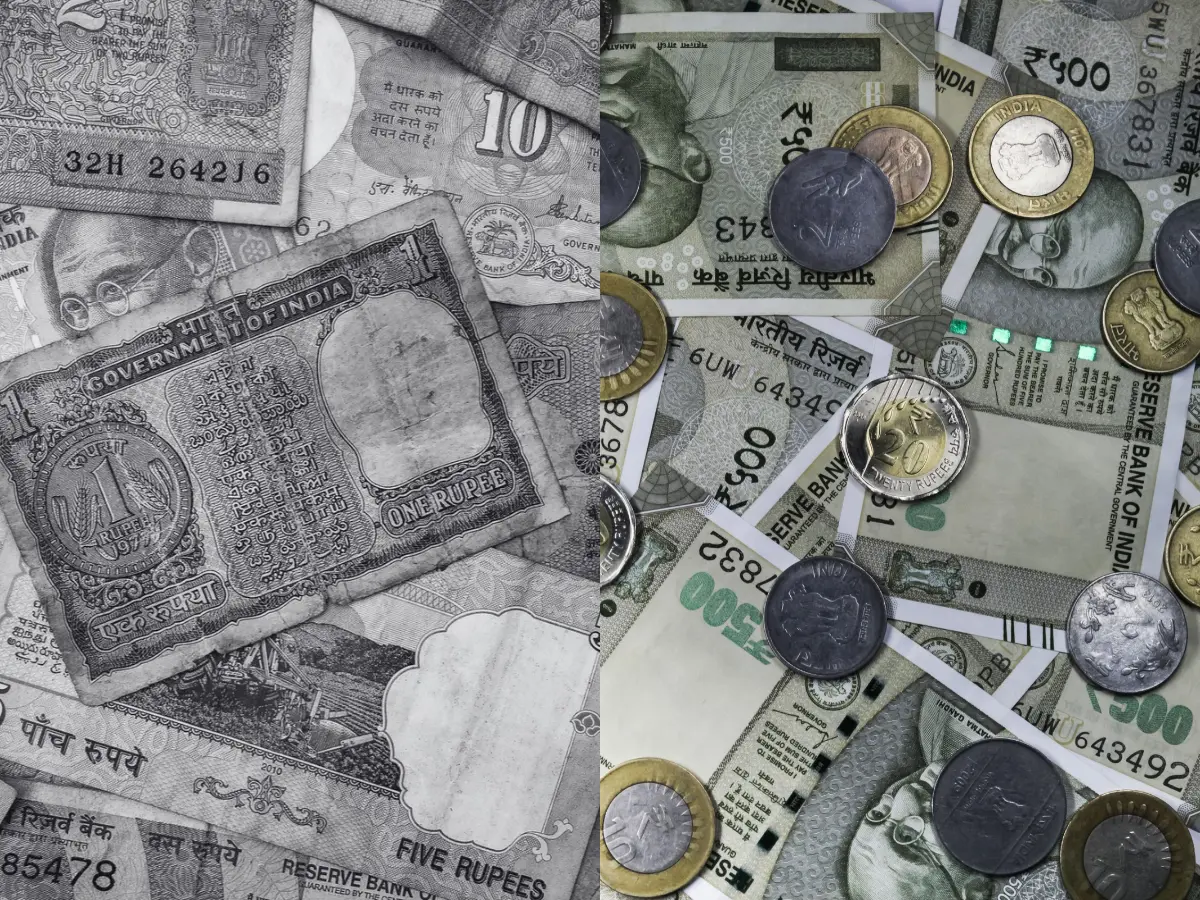
Purchasing power then vs now
Notably, according to early surveys from the Central Statistical Organisation (CSO), the average monthly salary of an entry-level clerk or government employee in 1947 was ₹30 to ₹50 per month. This means that a ₹20 bicycle represented nearly half a worker's monthly income.
Pre-Decimal Currency System: In 1947, India did not use the modern decimal system (introduced on April 1, 1957). Rupee figures in 1947 were divided into: 1 Rupee = 16 Annas; 1 Anna = 4 Pice (old paise)
)
)
)
)
)