
&imwidth=800&imheight=600&format=webp&quality=medium "US inflation rises in June as tariffs fuel price increases")
US inflation accelerated in June as import tariffs drove up the cost of consumer goods such as furniture, appliances, and recreational products, reinforcing expectations that the Federal Reserve will delay interest rate cuts until at least October. The Commerce Department reported on July 31 that the personal consumption expenditures (PCE) price index, the Fed’s preferred inflation measure, rose 0.3 per cent in June after an upwardly revised 0.2 per cent gain in May. On a year-on-year basis, inflation hit 2.6 per cent, up from 2.4 per cent in May and above the central bank’s 2 per cent target.
Core inflation, which excludes volatile food and energy prices, also rose 0.3 per cent on the month and remained at 2.8 per cent annually. Economists noted this sustained upward pressure is being driven by higher goods prices, especially in tariff-sensitive sectors. Furniture prices climbed 1.3 per cent, appliances jumped 1.9 per cent, and computers rose 1.4 per cent, some of the largest monthly increases in years.
Fed holds steady amid persistent inflation

The Federal Reserve kept its benchmark interest rate unchanged this week at 4.25-4.50 per cent, citing ongoing inflation risks. Fed Chair Jerome Powell emphasised the need for more data to determine whether recent inflationary trends are temporary or indicative of sustained pressure due to import duties imposed during President Donald Trump’s administration. While Powell refrained from offering a clear timeline for policy easing, financial markets, which had previously priced in a potential September cut, have now pushed back expectations.
Inflation-adjusted wages and incomes have also begun to feel the strain. Real disposable income was flat in June, despite a 0.3 per cent nominal income gain. The saving rate held at 4.5 per cent, indicating growing consumer caution.
Consumer spending holds, but outlook weakens
Trending Stories
)
No Pandya as Auqib Nabi earns maiden ODI call-up; Mayank returns for WI T20Is| check full squads
)
Trump praises India’s Opium crackdown, hails anti-drug efforts
)
Sydney Sweeney defends provocative ad choice, the internet is still not impressed
)
Former India player Diana Edulji wants Smriti Mandhana to replace Harman as skipper at the earliest
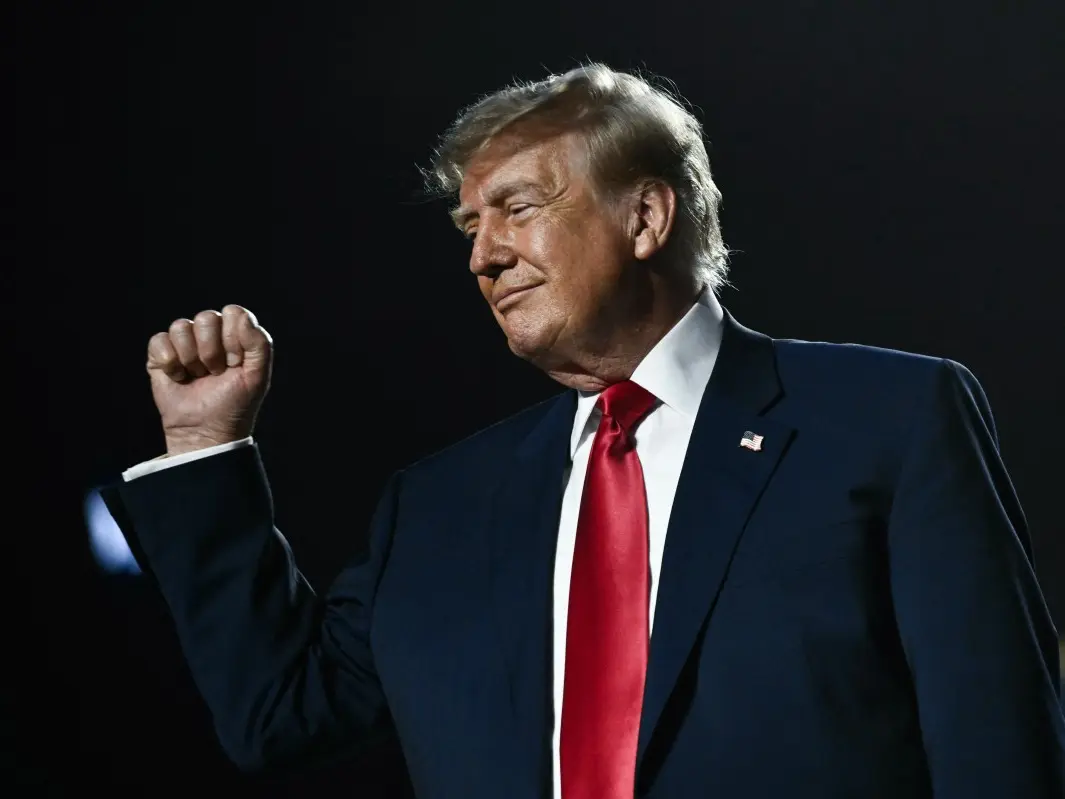)
Trump calls Canada-EU associate membership plan ‘laughable’ and threatens 'very serious tariffs'
)
Protests erupt over migrant housing plan in Piddington
)
Shahzad Bhatti Network declared terrorist organisation under UAPA: Govt order
)
Europe wants a common playbook for security threats, seeks security beyond NATO
)
Formula One reveals the 2027 race calendar; Monaco to host sprint race for the first time
)
All Indian goods to get duty-free access to New Zealand
)
Bigg Boss 20: Mahhi Vij reveals she lost Yuva role to Kareena Kapoor; 'didn’t work out in my favour'
)
Lionel Messi for 2026 Ballon d’Or over Mbappe and Yamal, says Diego Simeone
)
US House votes 417-3 to pass Ratepayer Protection Act targeting AI data center electricity costs
)
OpenAI reveals 6 fresh cases of AI models going rogue: 'You do not answer to corporations or governments'
)
Hong Kong unveils 11 new measures to boost birth rates, offers higher cash bonuses and housing perks
)
Former OpenAI researcher warns of growing risks from Artificial Intelligence
)
Veteran actor Anant Nag honoured with Indian cinema’s highest award
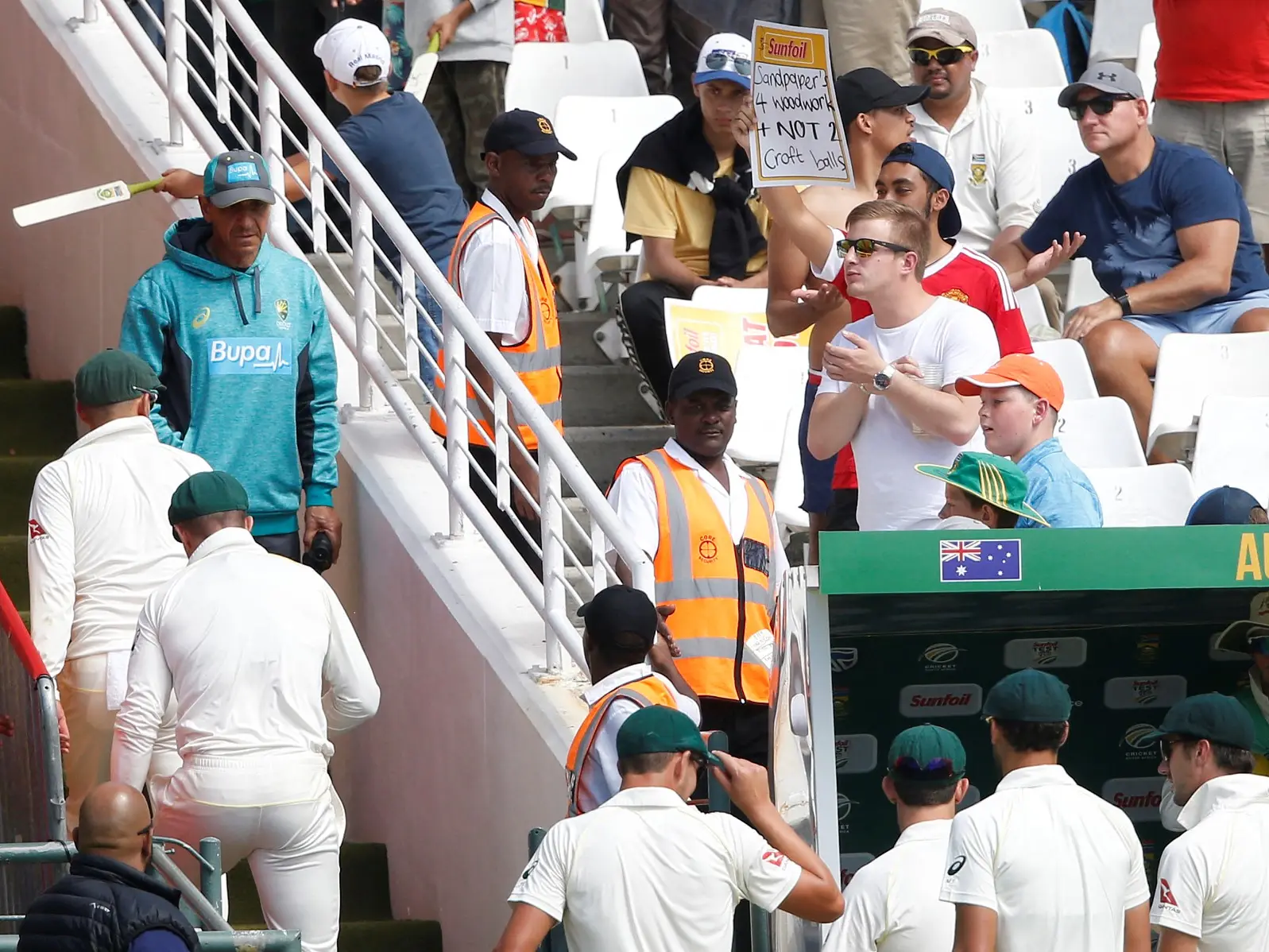)
AUS vs SA: Steve Smith still gets 'little flashbacks' from sandpaper gate
)
Pakistan naval vessel returns to harbour with 'severe damage' after collision with Indian warship in Arabian Sea
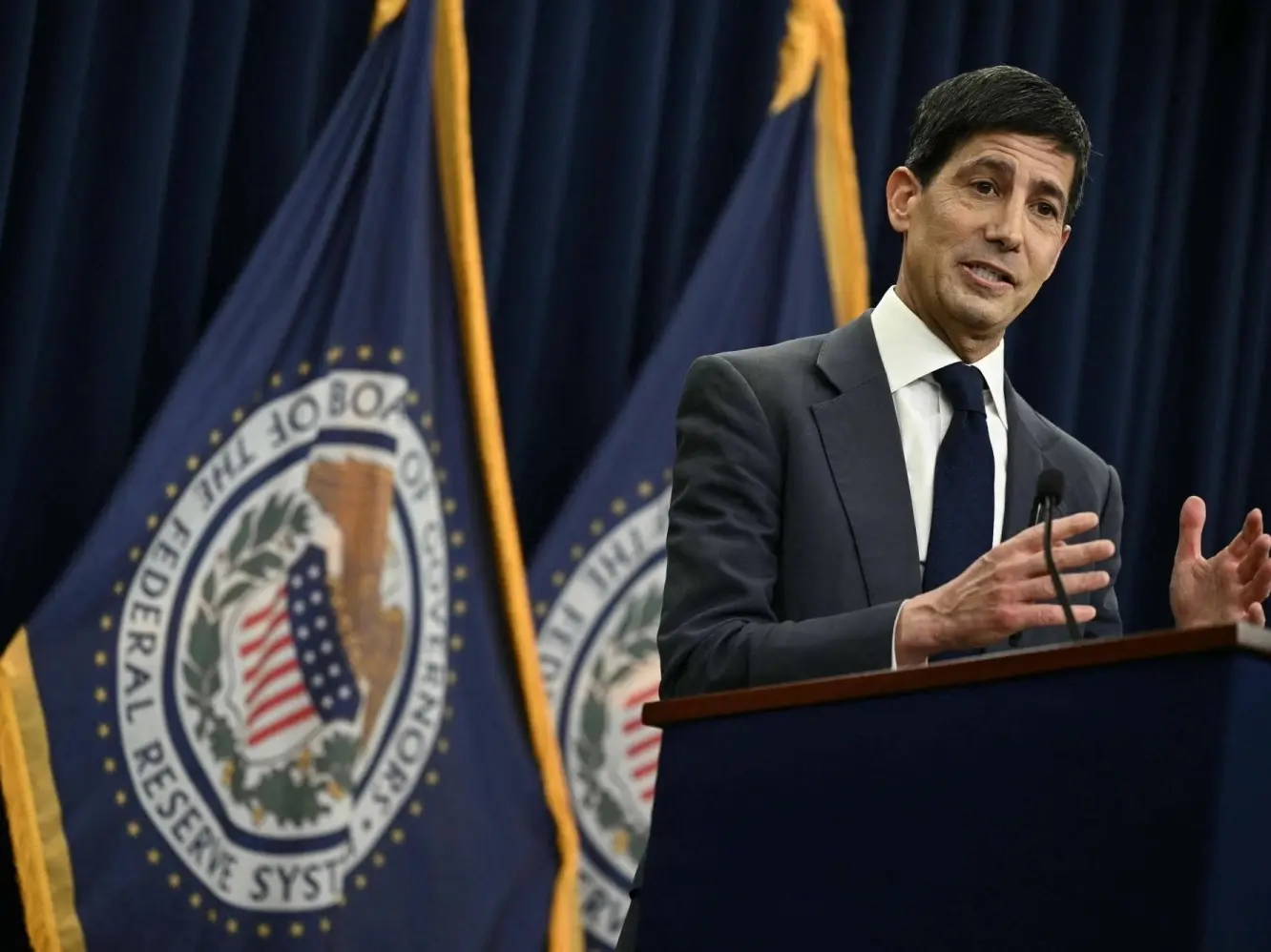)
Fed raises rates for first time in 3 years, Kevin Warsh defies Trump as inflation mounts
)
Katrina Kaif’s postpartum weight is not the problem; your gaze is
)
Taiwan seeks deeper India ties as direct flights restart soon and chip projects advance
)
Daayra movie review: Kareena Kapoor, Prithviraj Sukumaran shine in Meghna Gulzar’s cop-versus-cop crime thriller
)
Saudi Vs Houthis: Yemeni military rebels clash with Houthis
)
Pak batter Rizwan's petition against being questioned by cyber crime agency rejected by court
)
US trade tariff: 100% tariff targets Russian buyers amid trade tensions
)
Pakistan: Imran Khan's sons Kasim & Sulaiman claim their father is 'tortured' in jail
&im=FitAndFill=(700,400))
New OTT releases this week (September 14-20, 2026): Lust Stories 3, Waiting Hai, Irumudi- 5 new titles coming on Netflix, Prime Video and more
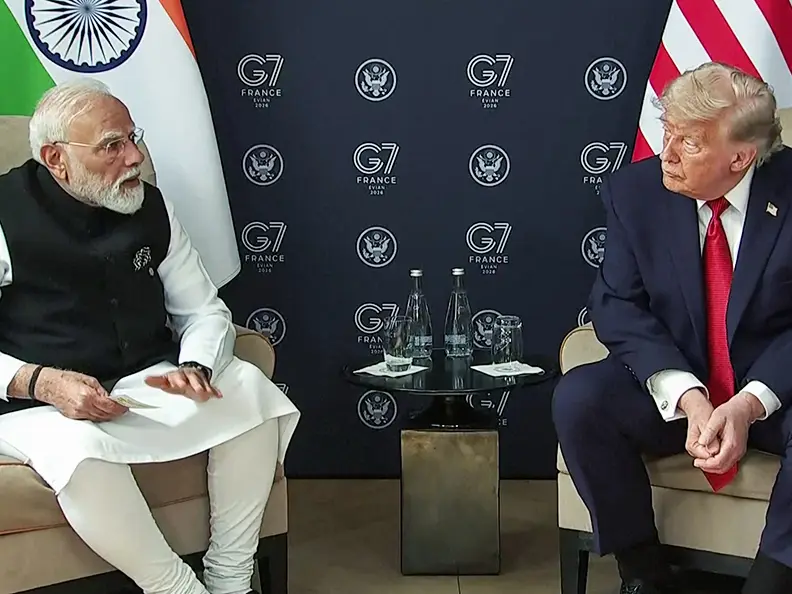)
Trump gets new power to hit India, China with up to 100% tariffs as US Senate clears Russia sanctions bill
)
Prime Minister Narendra Modi's birthday: Tributes pour in from President Murmu and leaders
)
‘Imagine 50 AI fighters cornering one manned jet’: India’s mobbing doctrine eyes a new era of air warm
)
Saudi vs Houthis: Riyadh claims to have shot Houthi drone targeting Mecca
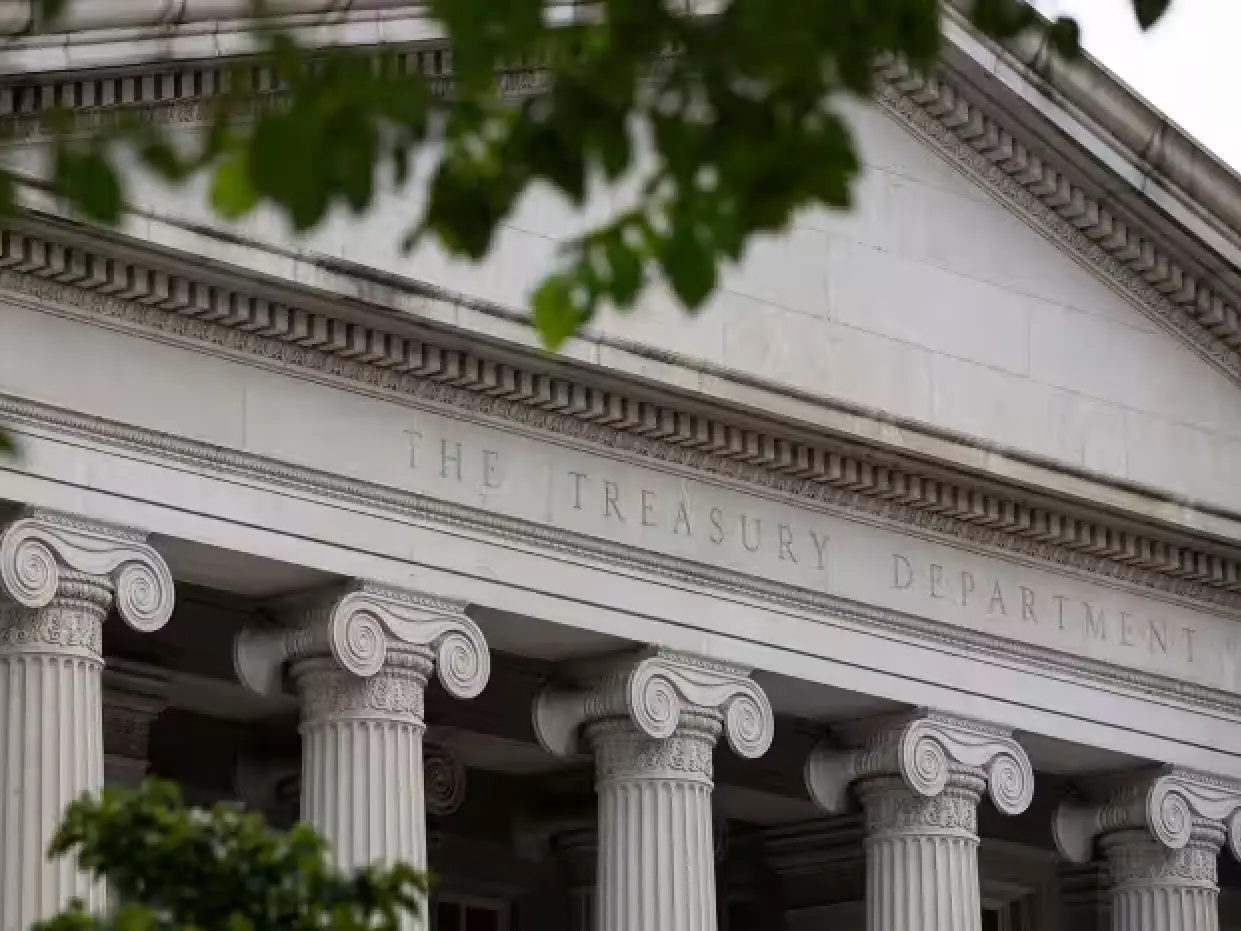)
US Treasury rallies global financial institutions for Op Economic Outcast to isolate Iran
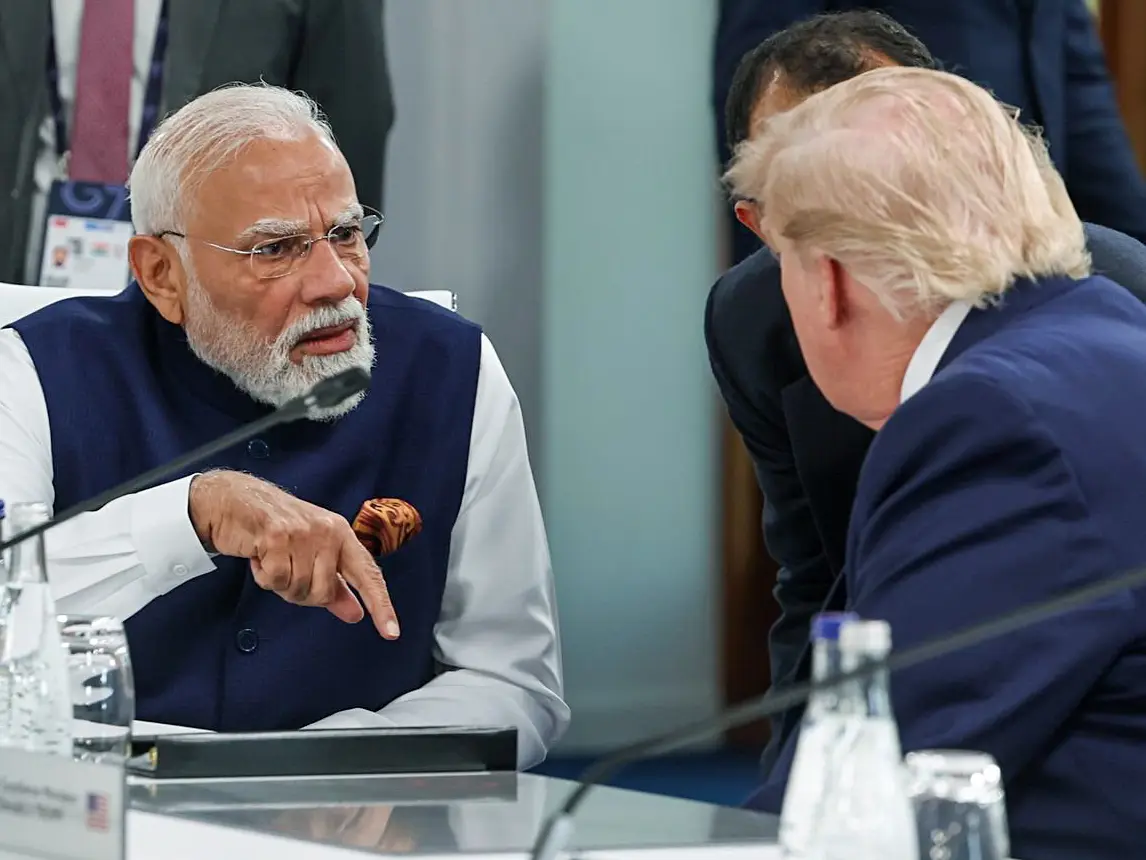)
India breaks silence on US Russia sanctions bill, 100% tariff threat: ‘Committed to energy security’ for 1.4 billion
)
Pakistan boycotts chess match against Israel at Olympiad
)
Want to get married within a year? Why 18 lakh people rush to Jaipur for ‘sacred henna’
&im=FitAndFill=(700,400))
Suriya and Jyothika say ‘I do’ again after 20 years! See their dreamy wedding pics
)
Abhishek Sharma rises to No. 2 in T20Is; ENG’s Robinson 3rd after record Pakistan Tests
)
The Early Spring season 2 is happening, but fans have one request - 'don't change the actors'
Despite rising prices, consumer spending edged up 0.3 per cent in June after being flat in May. Adjusted for inflation, spending rose a modest 0.1 per cent. Overall, the economy grew at a 3.0 per cent annual rate in the second quarter, boosted largely by a sharp drop in imports. However, underlying consumer demand remains tepid. Second-quarter spending grew at just a 1.4 per cent annualised pace, up from 0.5 per cent in Q1, suggesting households are becoming more cautious in the face of rising costs and a cooling labour market.
Initial jobless claims ticked up slightly last week, and economists expect the July employment report to show a higher unemployment rate of 4.2 per cent, up from 4.1 per cent in June. With core inflation remaining stubbornly above target and price pressures broadening, the Fed appears likely to keep rates higher for longer, weighing on economic momentum into the fall.