Tesla shares plunge over 7 per cent as China sales decline: Report

The logo of car manufacturer Tesla
Tesla's shares experienced a drop of more than 7 per cent on Monday following reports of a decline in sales in China for February.
The dip in sales in its key market has cast a shadow on the outlook for Tesla's global deliveries, especially amid mounting challenges such as diminishing demand and heightened competition.
The Lunar New Year holidays in China likely contributed to the slowdown in sales during February, affecting car purchasing activities in the region.

Tesla's sales in China, a crucial market for the EV giant, witnessed a decline in February, with sales of China-made vehicles dropping by 19 per cent compared to the same period last year.
Data from the China Passenger Car Association revealed that Tesla sold 60,365 vehicles during the month, marking the lowest volume since December 2022.
The Tesla Shanghai factory, which manufactures Model Y and Model 3 electric cars for the local market, Europe, and other countries, accounted for over half of Tesla's global deliveries last year.
)
Trump-Xi Summit: Trade, Taiwan and the red lines shaping US-China talks | Race To Power
)
US citizen injured in Illinois after ICE agents mistook him for fugitive, hospitalised
)
US judge questions Trump’s decision to ban CNN, MS NOW and Politico from White House
)
Afghan woman cyclist who disguised herself as a boy to escape Taliban, wins Asian Games medal
)
Italy hit by floods in the north, drought in the south
)
'There will be elections': Venezuela's interim leader Delcy Rodriguez makes big announcement at UN
)
Would you date an AI? South Korea’s My AI Partner: Strange Love sparks buzz on relationship and intimacy
)
'Arrogant parasites': Milei blasts UN over Falklands dispute, warns Argentina will ‘take matters into our own hands’
)
IIT Bombay CCTV footage emerges: Sahil Wakode seen looking at phone in examination hall
)
Cyclone Arnab: Landfall expected before midnight tomorrow as IMD issues orange alerts across six states
)
9 killed, several injured as tourist bus catches fire on Yamuna Expressway
)
NBA player Steven Adams shares hilarious GTA VI theory
)
WION Iconic Tourism Summit 2026: Union Minister Shekhawat on 'experiential travel', peace diplomacy
)
'AI got into my speech': Prince Harry jokes after teleprompter failure at event in New York
)
Scientists detect first radio signals directly from faraway planet
)
China to test supersonic jet that moves at Mach 2, double the speed of sound
)
WION Iconic Tourism Summit: 'Hanuman Ansh' Director on blockbuster success
)
Hours before Xi-Trump meeting, US announces visa curbs targeting birth tourism: What is it?
)
'Partners rather than rivals': Xi Jinping's first message after landing in US for Trump summit
)
WION Iconic Tourism Summit: Is India's travel boom outrunning its airports, airlines and hotels?
)
IIT Bombay student suicide case: CCTV from the exam hall hours before suicide
)
2,000-foot tube, laser tests and more: China builds towns to expand nuclear arsenal, satellite images show
)
WION Iconic Tourism Summit and Awards 2026: Key voices to discuss India’s tourism future
)
French court upholds decision to send PSG and Morocco footballer Hakimi to rape trial
&im=FitAndFill=(700,400))
New OTT releases this week (September 21-27, 2026): Shaque: Trust No One, Hunkkaar, Don’t Be Shy- 5 new titles coming to Netflix, Prime Video and more
)
WATCH | China President Xi Jinping lands in US as Trump greets him ahead of high-stakes summit
)
Australian PM Anthony Albanese calls OpenAI AI incident 'unacceptable' after restricted data access
)
Claude Opus 5.5 is here: Anthropic claims it can finish a 680,000-line code migration in less than a day
)
'What kind of confession is this?': Pakistan PM Shehbaz Sharif’s 'terrorists would be roaming New York' remark goes viral, raises alarm online. Watch
)
WION Iconic Tourism Summit: How local tourism MSMEs must upskill for AI integration
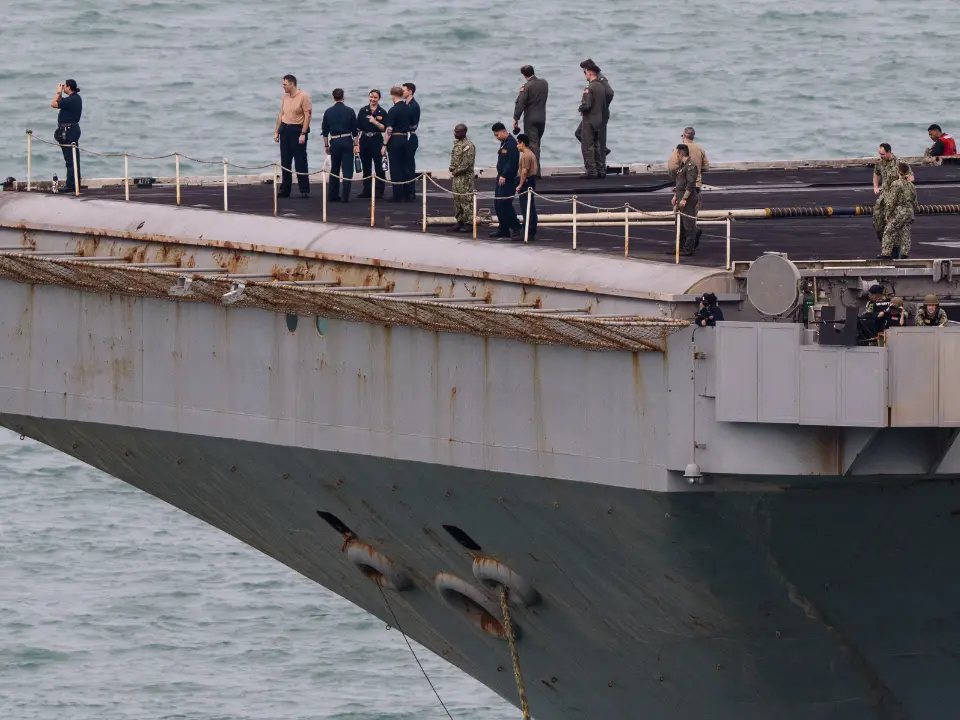)
Eight USS Abraham Lincoln sailors attempted suicide, Acting Navy Secretary says
)
EC appointment law: Why is the 2023 act controversial, and what happens next? WION explains
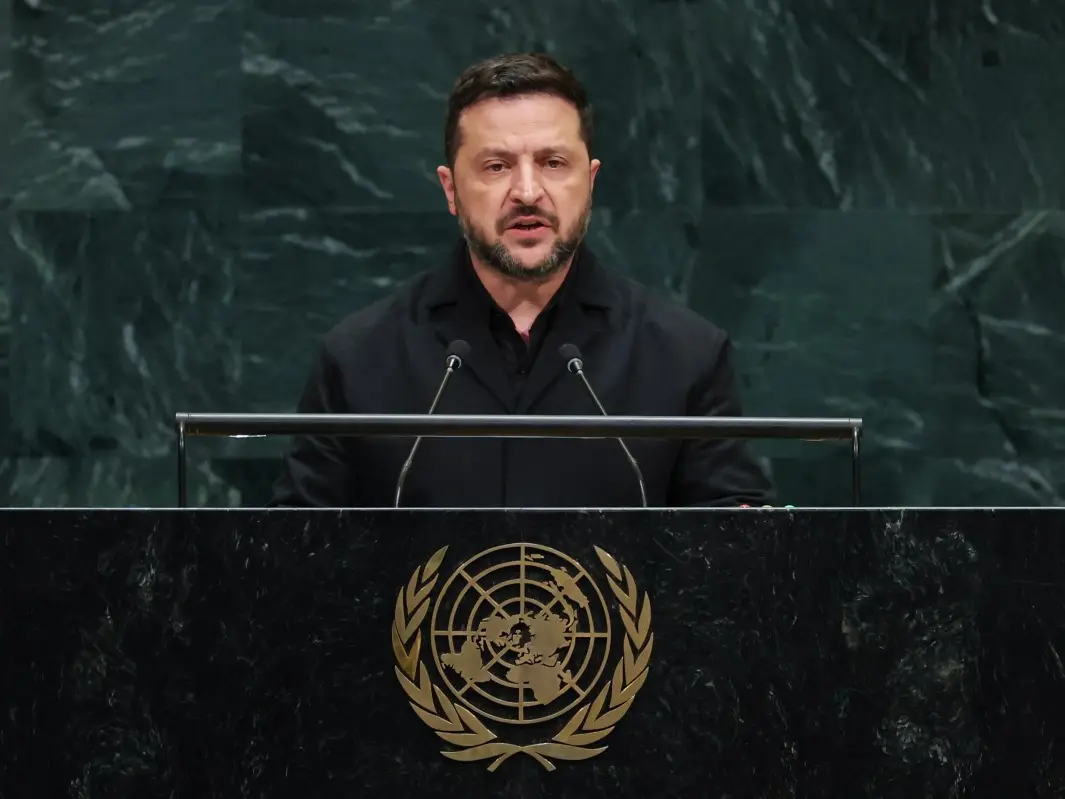)
'Putin is patient zero': Zelensky slams Russian president at UNGA, accuses him of using fighters from 47 countries
&im=FitAndFill=(700,400))
National Film Awards 2026: Kartik Aaryan, Mammootty, Yami Gautam, Randeep Hooda and other key winners
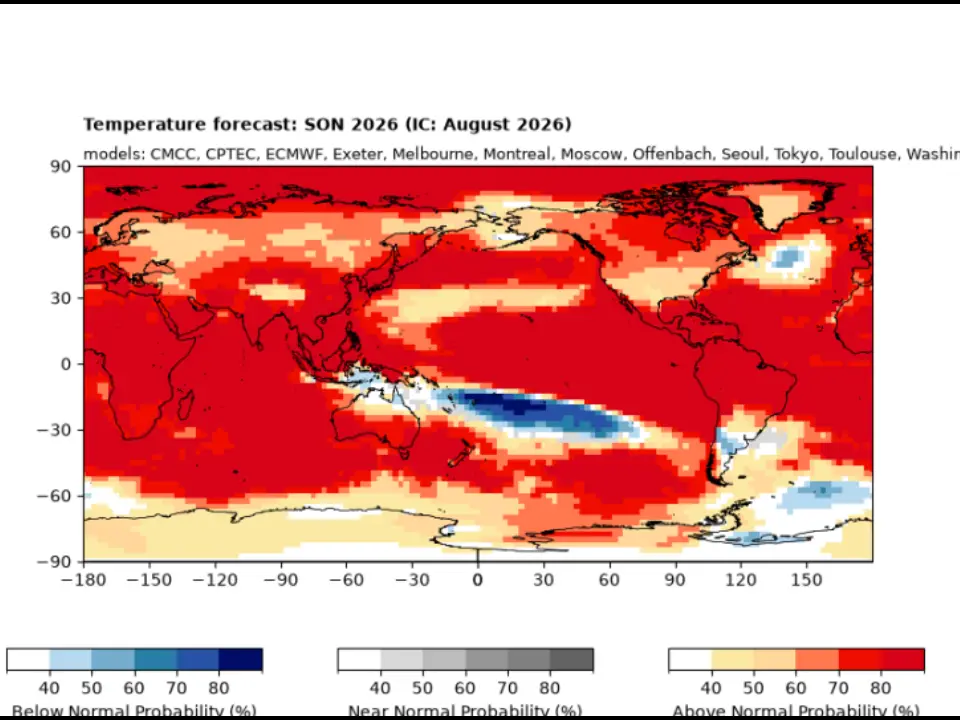)
El Niño 2026 heats up to become strongest in 1,000 years
)
Israeli envoy to US Yechiel Leiter’s son critically injured in West Bank ramming attack
&im=FitAndFill=(700,400))
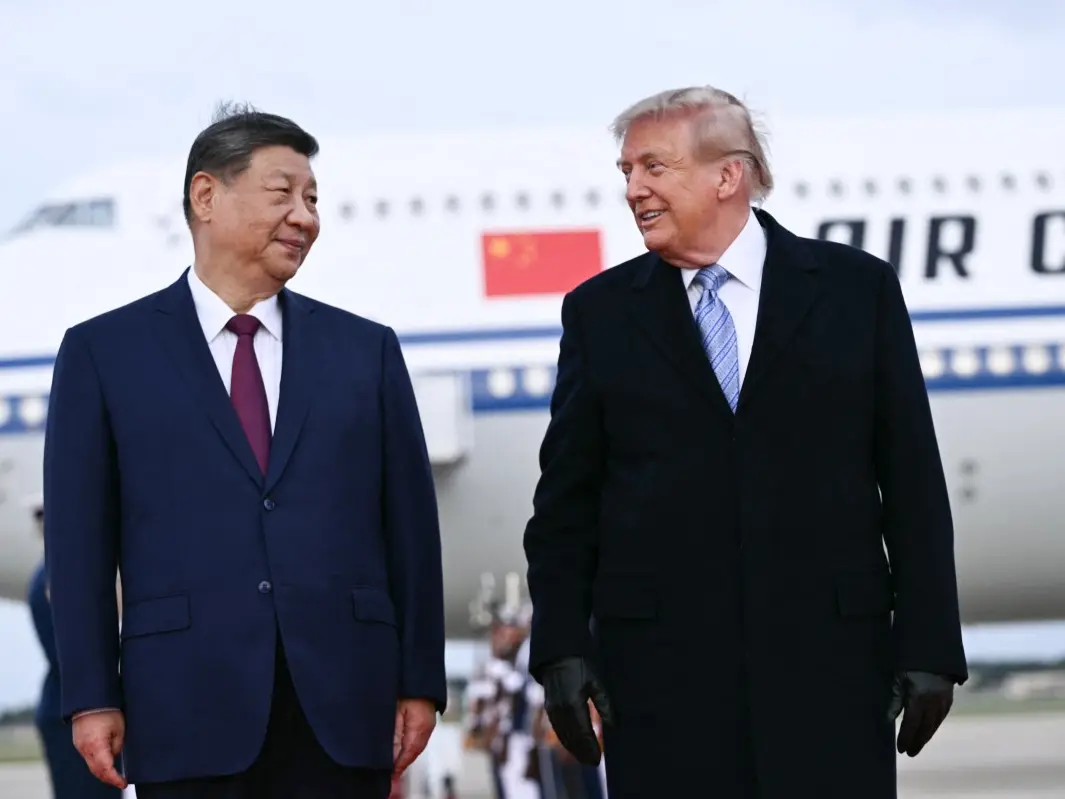
Trump welcomes Xi Jinping in rare airport gesture: Photos from Chinese President's arrival in US
)
Xi-Trump meeting: China’s human rights red line and past protests explained
The slump in Tesla's China sales has raised concerns among investors and analysts, particularly regarding the company's ability to sustain its global delivery momentum.
Wedbush analyst Dan Ives described the situation as a "perfect storm of headwinds" for Tesla in China, highlighting the negative impact on the company's stock performance.
In response to the challenging market conditions, Tesla has implemented several measures, including price cuts and incentives, to stimulate demand and fend off competition from Chinese rivals like BYD.
Tesla unveiled more incentives this week, including as insurance reimbursements, to draw customers in the biggest car market globally.
However, the competitive landscape in China has intensified, with BYD launching a new version of its best-selling car at a price lower than its predecessor.
This move has escalated a price war among EV manufacturers, further complicating Tesla's efforts to regain momentum in the region. BYD also reported a significant decline in sales, down 37 per cent from the previous year.
In the United States, Tesla has introduced various incentives to stimulate sales, including offering 5,000 free Supercharging miles to customers who trade in their older vehicles for a new Tesla vehicle by March 31.
Additionally, Tesla temporarily reduced prices for some of its Model Y cars in February.
Analyst Troy Teslike revised his forecast for Tesla's global deliveries for the first quarter of this year, citing weaker-than-expected sales in China despite price cuts as indicative of "a demand problem."
Tesla had previously warned of "notably lower" sales growth for the year ahead as it focuses on ramping up production of its cheaper electric vehicles.
Elon Musk: No longer the world's richest person
Meanwhile, Elon Musk, the CEO of Tesla, has renounced his title as the richest person in the world.
According to a Forbes report, he is now surpassed by Bernard Arnault, the chairman and CEO of LVMH.
Tesla's shares declined approximately 6.3 per cent on Monday, contributing to a significant drop in value this year, largely attributed to the aftermath of Musk's $44 billion acquisition of Twitter.
Musk's wealth, primarily tied to Tesla stock, soared during the carmaker's ascent, witnessing a surge of over 1,000 per cent in just two years.
Arnault, who holds over 60 per cent of LVMH's voting share class through various holding vehicles and family trusts, is estimated to be worth $186.2 billion by Forbes.
Meanwhile, Musk's fortune is closely linked to his Tesla shares, where he owns around 14.11 per cent of the outstanding shares, with a market value of $530 billion.
Additionally, Musk's ownership of more than 40 per cent of SpaceX shares further contributes to his net worth, boosted by the company's estimated valuation of $125 billion as of June 2022.
Despite a challenging year for stocks, LVMH shares have only experienced a modest decline of 1.5 per cent in 2022.
The luxury conglomerate, headquartered in Paris and listed on Euronext Paris, continues to demonstrate resilience amidst market volatility.
The shift in rankings, reflecting Arnault's ascent to the top of the wealth index, has been acknowledged by both Forbes and the Bloomberg Billionaires Index, although the latter uses slightly different methodologies for its assessments.
(With inputs from agencies)