US top diplomat Marco Rubio to meet G7 counterparts in France to discuss Iran war

&imwidth=600&imheight=450&format=webp&quality=medium "US top diplomat Marco Rubio to meet G7 counterparts in France to discuss Iran war")
Photograph: (AFP)
France currently holds the presidency of the Group of Seven (G7), which includes Britain, Canada, Germany, Italy, Japan, and the United States.
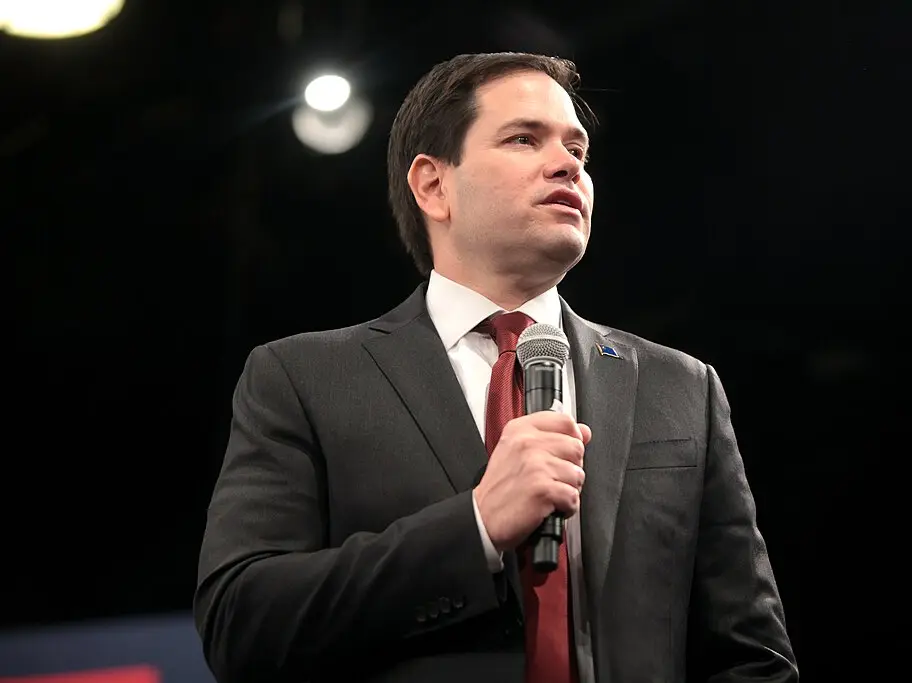
As confusion over negotiations between Iran and the United States persists, US Secretary of State Marco Rubio is set to meet G7 counterparts in France on Friday, the State Department announced on Tuesday (March 24). The visit will mark the first by Rubio since the United States and Israel launched a bombing campaign against Iran on February 28.
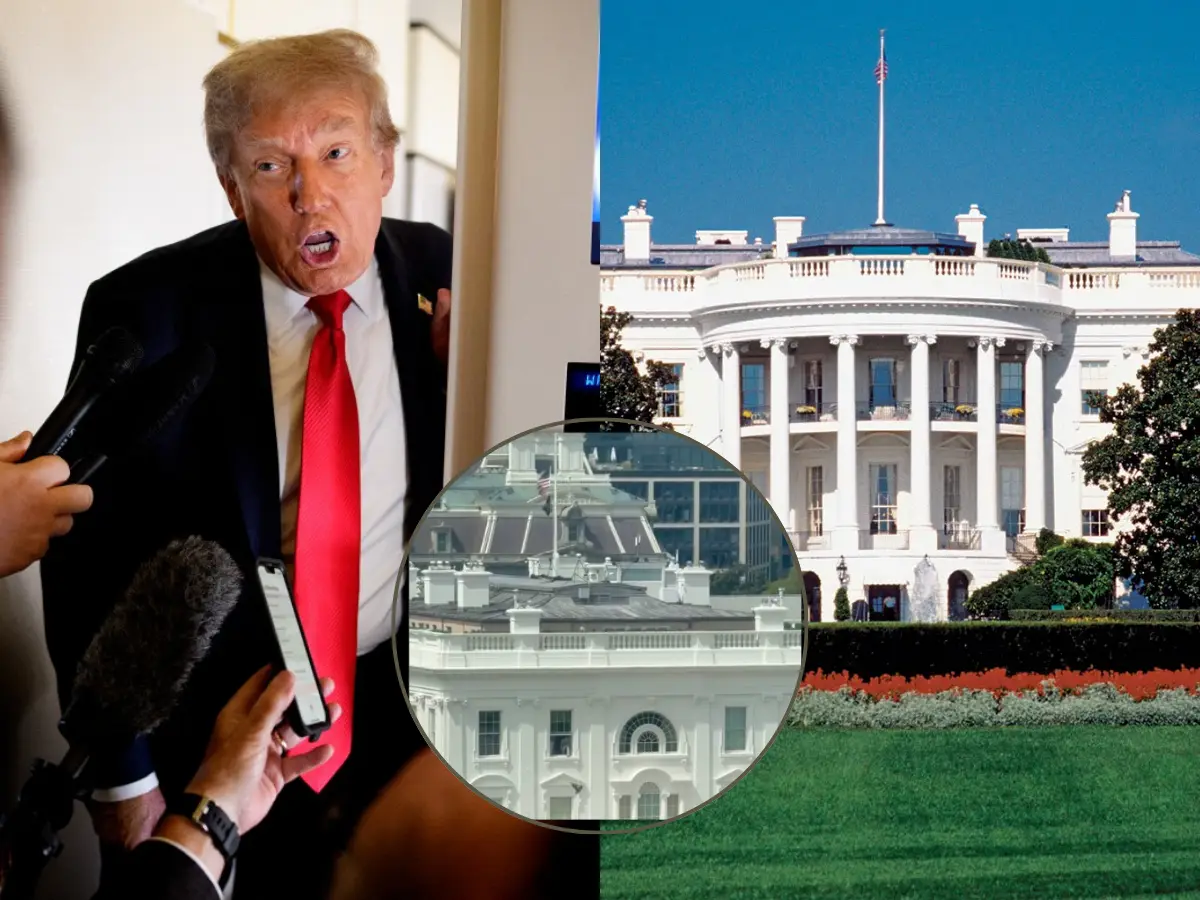
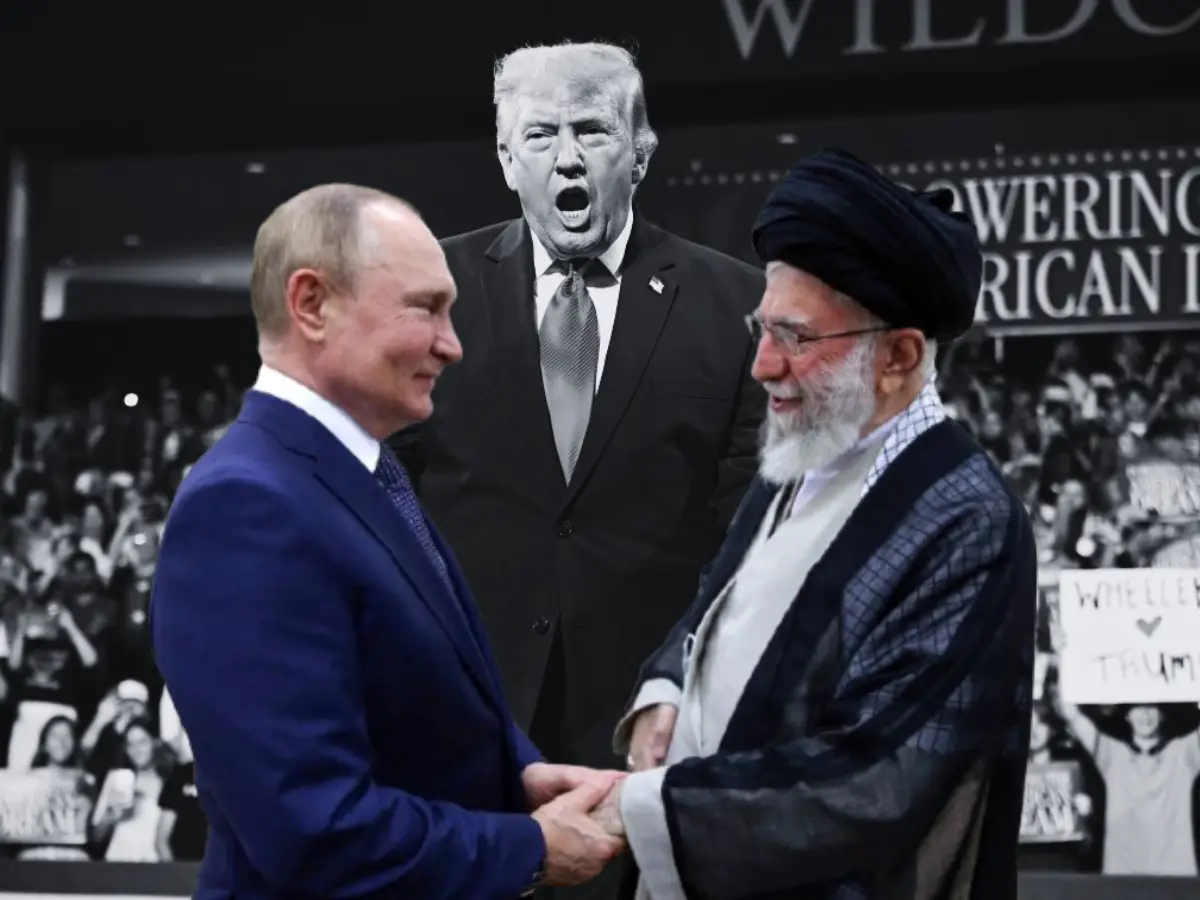
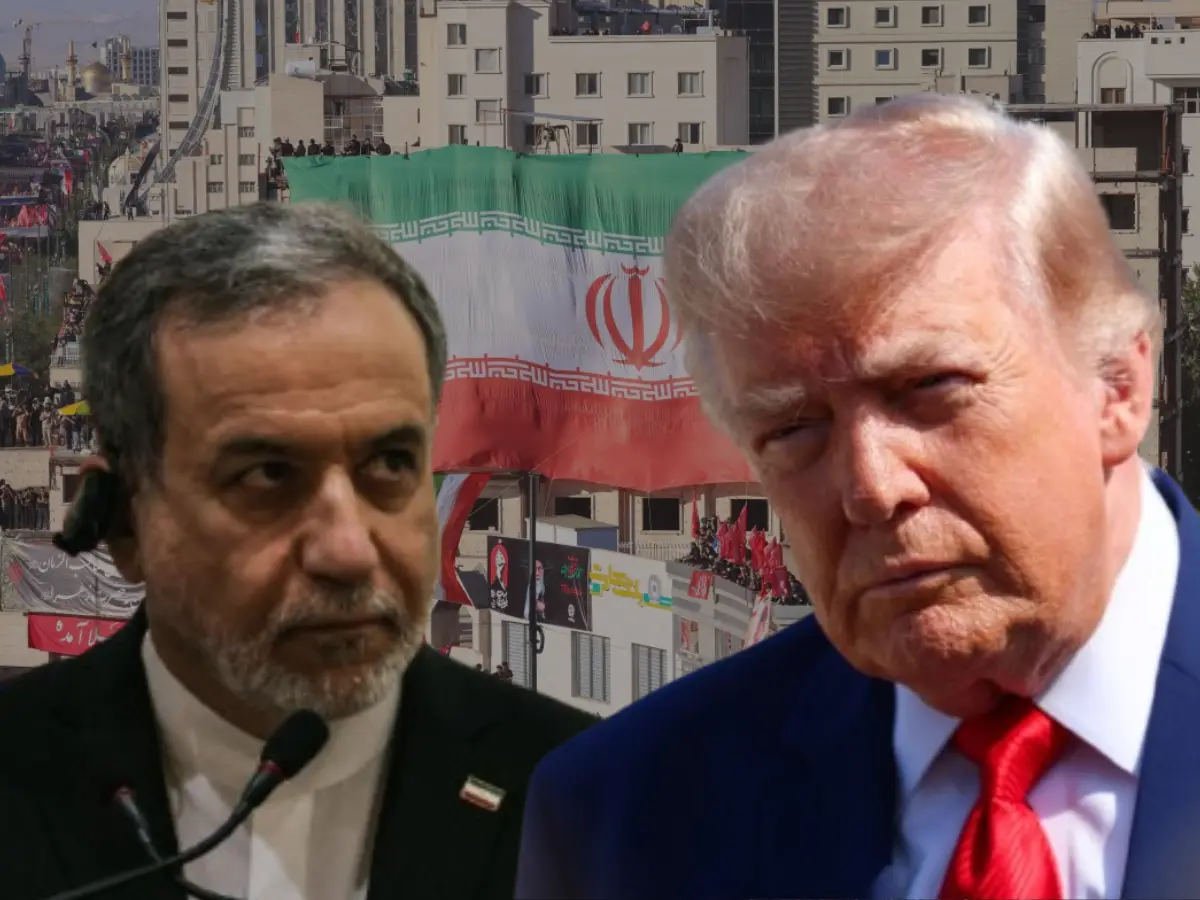
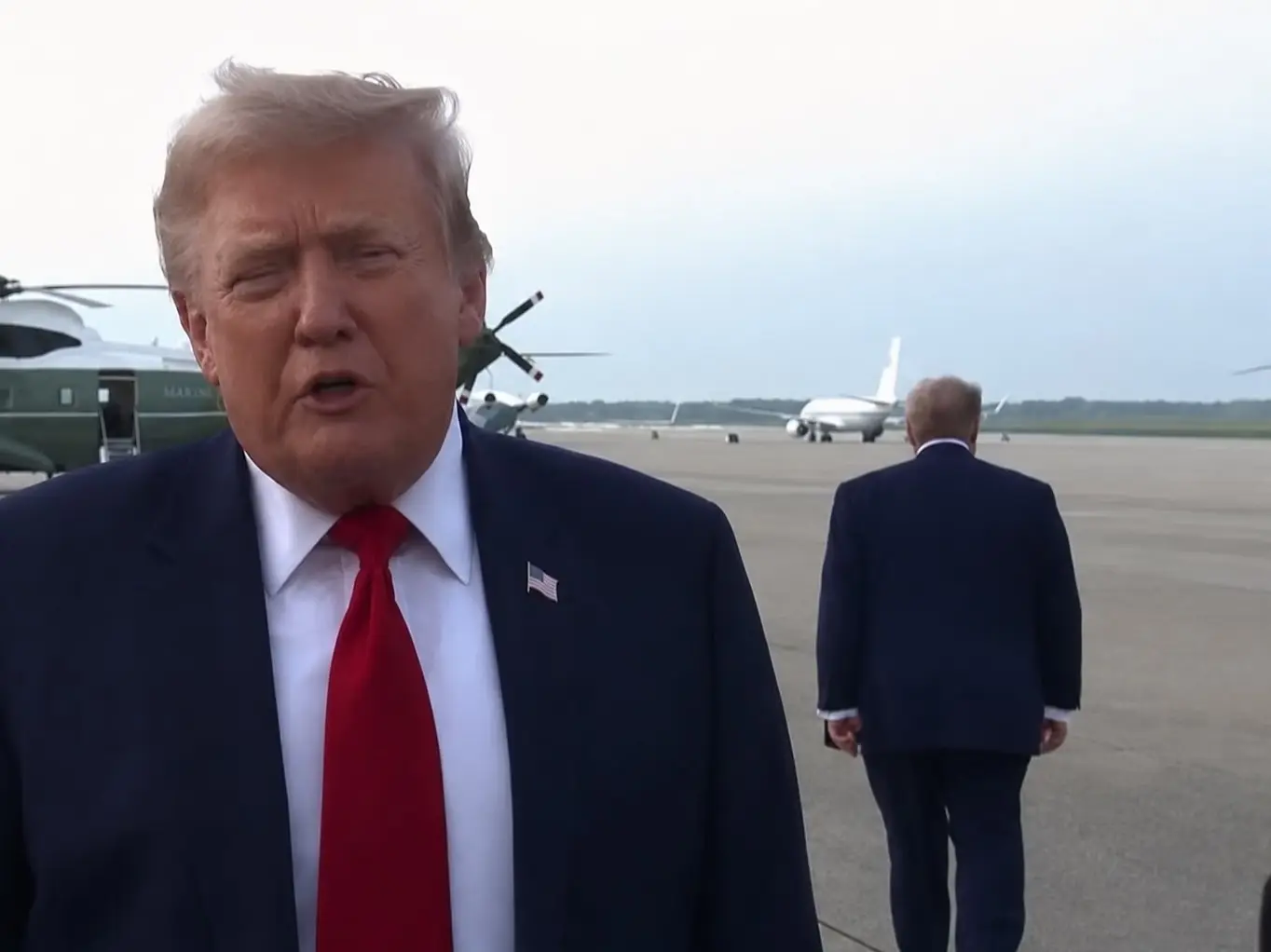
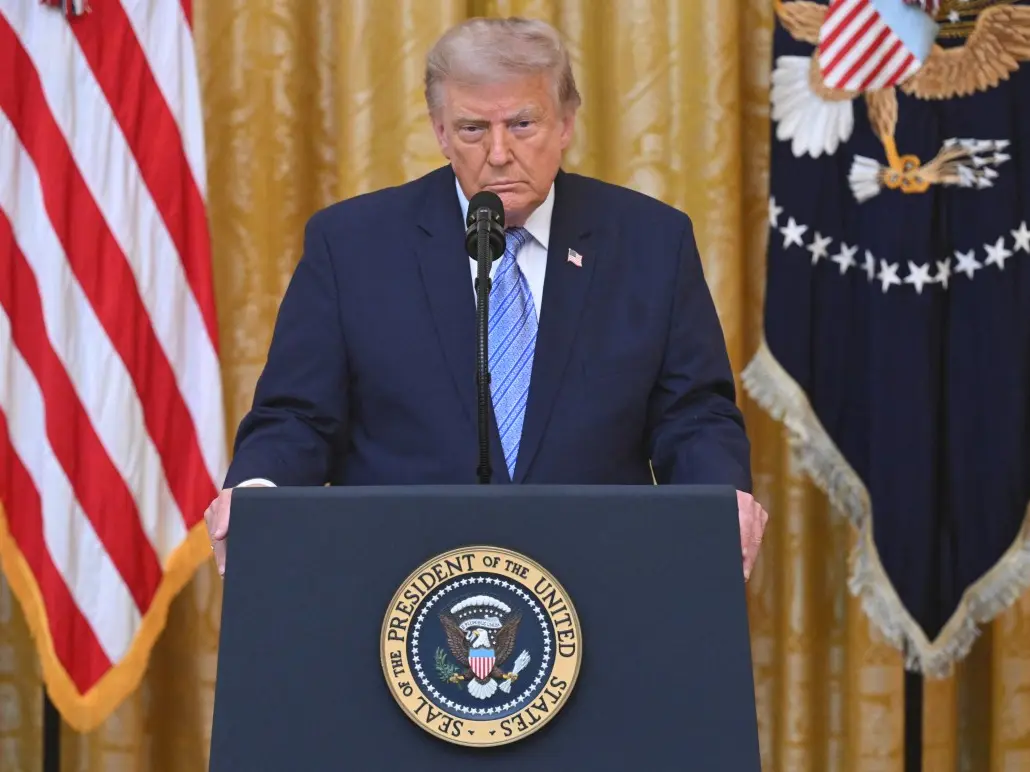
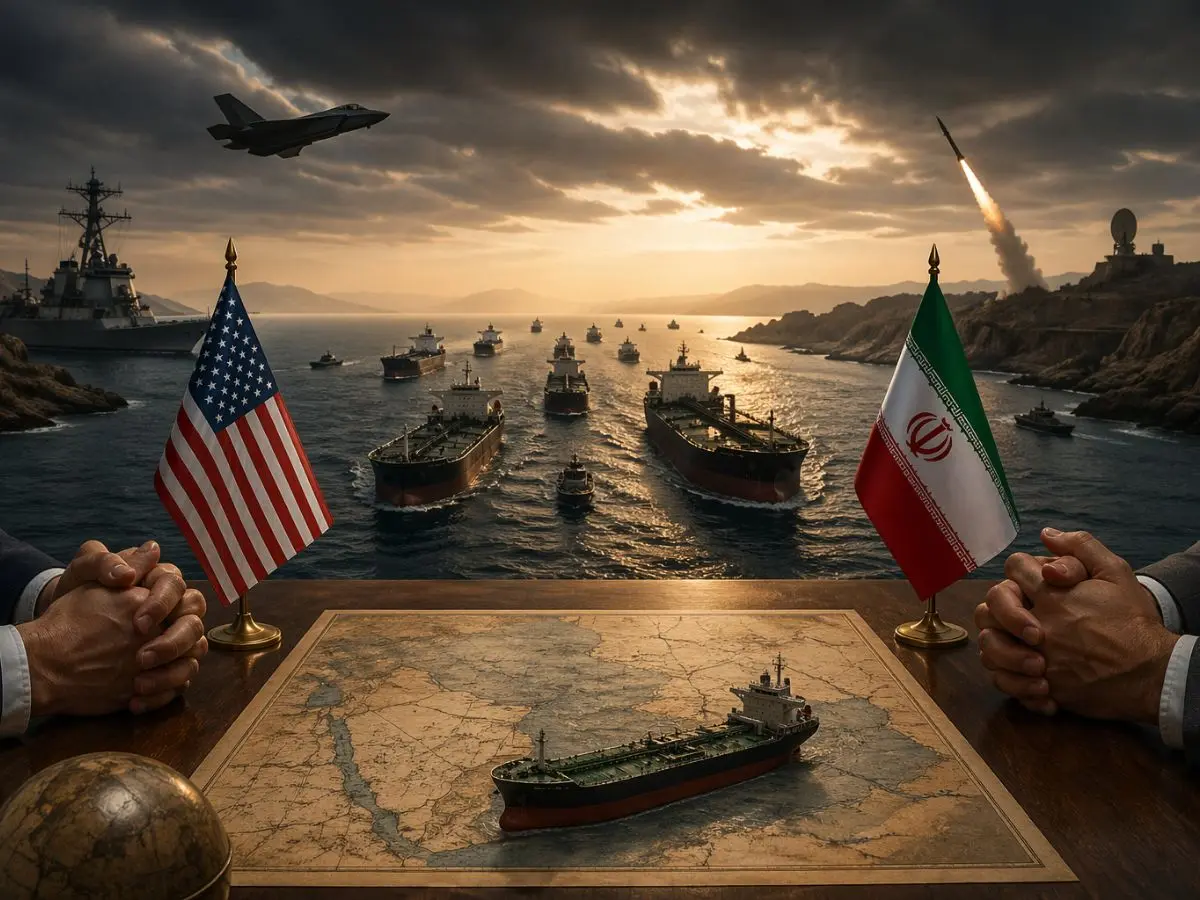
The meeting comes amid uncertainty over a potential deal between Tehran and Washington regarding the ongoing war, with US allies also facing strain due to rising energy prices. On Monday, Donald Trump announced in a social media post a five-day postponement of all planned military strikes against Iranian power plants and energy infrastructure. The pause is intended to provide a window for ongoing diplomatic efforts aimed at reaching a “complete and total resolution” of hostilities in the region.
Notably, the US President underlined that instructions to the Department of Defence are contingent upon the continued progress of these detailed and constructive talks, which are scheduled to continue throughout the week.
The discussions are expected to focus on the Russia-Ukraine war, the situation in West Asia, and broader threats to global peace and stability, State Department spokesman Tommy Pigott said.
France currently holds the presidency of the Group of Seven (G7), which includes Britain, Canada, Germany, Italy, Japan, and the United States.
Trending Stories
)
)
)
)
)
&im=FitAndFill=(700,400))
)
)
)
&im=FitAndFill=(700,400))
)
)
)
)
)
)
)
)
)
)
&im=FitAndFill=(700,400))
)
)
&im=FitAndFill=(700,400))
&im=FitAndFill=(700,400))
)
)
)
)
)
While all G7 nations are close US allies, none has unequivocally supported the assault on Iran, reportedly angering Trump and adding strain to ties, including over his Greenland proposal.
However, Iran has officially dismissed Trump’s assertion that the two countries are engaged in “very good and productive” conversations to resolve the conflict.
G7 foreign ministers on Saturday also urged an “immediate and unconditional” end to Iranian attacks on US allies in West Asia.
(Disclaimer: WION takes utmost care to accurately and responsibly report ongoing conflicts in West Asia involving Israel, Iran, the US, Gulf nations and non-state actors like Hezbollah, Hamas, Houthis, Islamic State, and others. Claims and counterclaims, disinformation and misinformation are being made online and offline. Given this context, WION cannot independently verify the authenticity of all statements, social media posts, photos and videos.)