‘Rubbing hands with glee’: Trump's Russia reset raises espionage risk as US considers allowing diplomats back in

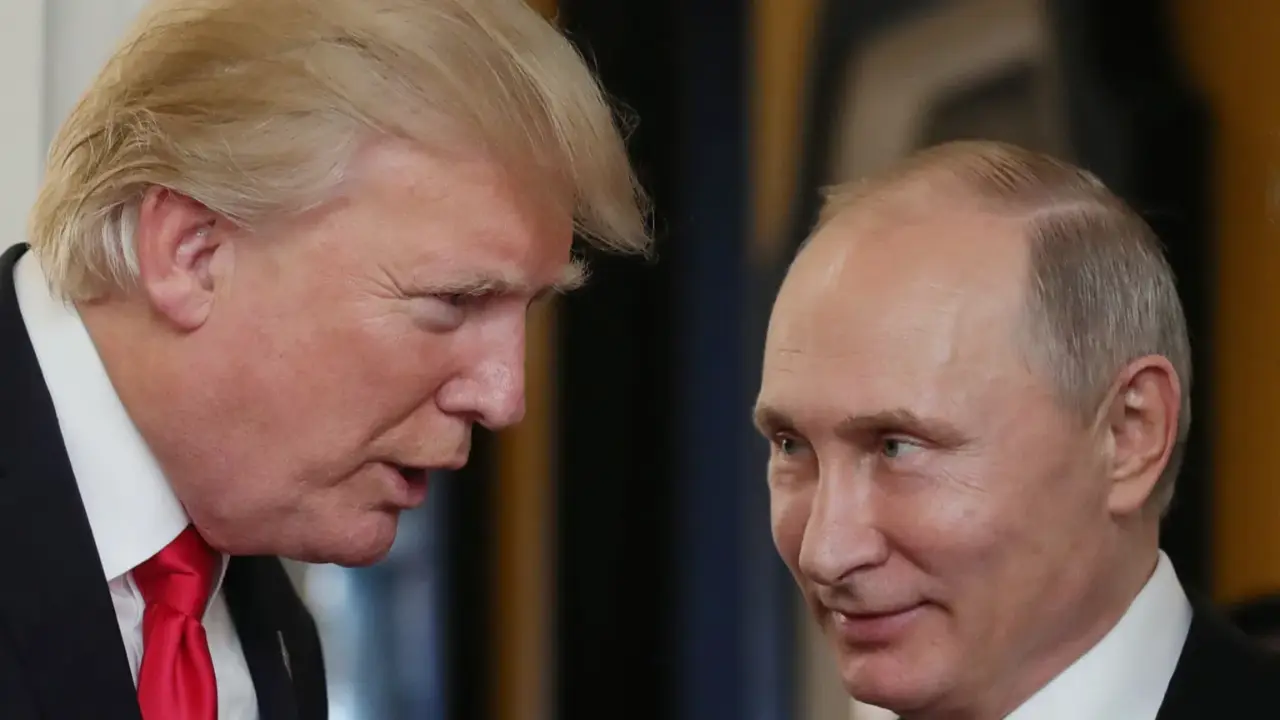
World: Both Washington and Moscow suggest that normalising diplomatic operations could lay the groundwork for broader negotiations, potentially even a peace agreement to end the war in Ukraine.
The Trump administration is in discussions with Moscow about allowing Russian diplomats back into the United States, potentially reversing years of tit-for-tat expulsions.
However, this move, which Russia is expected to reciprocate, could provide the Kremlin with an opportunity to re-establish its intelligence operations in the US.
US and Russian officials met in Istanbul last month to explore the possibility of increasing diplomatic representation in each other’s countries.

Days earlier, in Riyadh, a US delegation led by Secretary of State Marco Rubio met with top Russian officials to discuss ensuring their embassies and consulates could function properly. “To ensure that our diplomatic missions can function,” Rubio told reporters.
Both Washington and Moscow suggest that normalising diplomatic operations could lay the groundwork for broader negotiations, potentially even a peace agreement to end the war in Ukraine.
&imwidth=180&imheight=135&format=webp&quality=medium)
'Hire the robot, fire the human': Bill Gates's words hint at a bleak future
&imwidth=180&imheight=135&format=webp&quality=medium)
'Hell of a beautiful a**': Trump compliments Nicki Minaj as rapper joins him in Michigan rally
&imwidth=180&imheight=135&format=webp&quality=medium)
Clayface tops North American box office, Elizabeth Holmes documentary follows close behind
&imwidth=180&imheight=135&format=webp&quality=medium)
Harry Kane favourite to win 2026 Ballon d’Or ahead of Lamine Yamal and Kylian Mbappé
&imwidth=180&imheight=135&format=webp&quality=medium)
WATCH | Virat Kohli returns to training ahead of New Zealand ODI series
&imwidth=180&imheight=135&format=webp&quality=medium)
Fire breaks out at Delhi’s North Block, thick black smoke seen | VIDEO
&imwidth=180&imheight=135&format=webp&quality=medium)
Nagpur man fails to pay rent, allegedly prints fake Rs 500 notes worth Rs 37 lakh
&imwidth=180&imheight=135&format=webp&quality=medium)
IND vs NZ: Tilak Varma sets world record with most T20I catches in a year
&im=FitAndFill=(700,400)&imwidth=180&imheight=135&format=webp&quality=medium)
Why does this fighter jet have a golden window that looks like alien technology?
&imwidth=180&imheight=135&format=webp&quality=medium)
'I've done my work sincerely': AR Rahman on facing backlash over Ramayana soundtrack
&imwidth=180&imheight=135&format=webp&quality=medium)
Serbia’s student-led movement defeats Vucic’s party after 14 years in power: Why it matters
&imwidth=180&imheight=135&format=webp&quality=medium)
'He is a red flag': Ex-India strength and conditioning coach on Rohit's fitness regime
&im=FitAndFill=(700,400)&imwidth=180&imheight=135&format=webp&quality=medium)
Armoured vehicles vs main battle tanks: What is the real difference?
&imwidth=180&imheight=135&format=webp&quality=medium)
Brazil re-elects factory worker Lula for fourth term; Indian PM Modi congratulates 'dear friend'
&imwidth=180&imheight=135&format=webp&quality=medium)
Netanyahu warns Israelis of ‘existential threat’ from Iran, posts AI image of nuclear strike
&imwidth=180&imheight=135&format=webp&quality=medium)
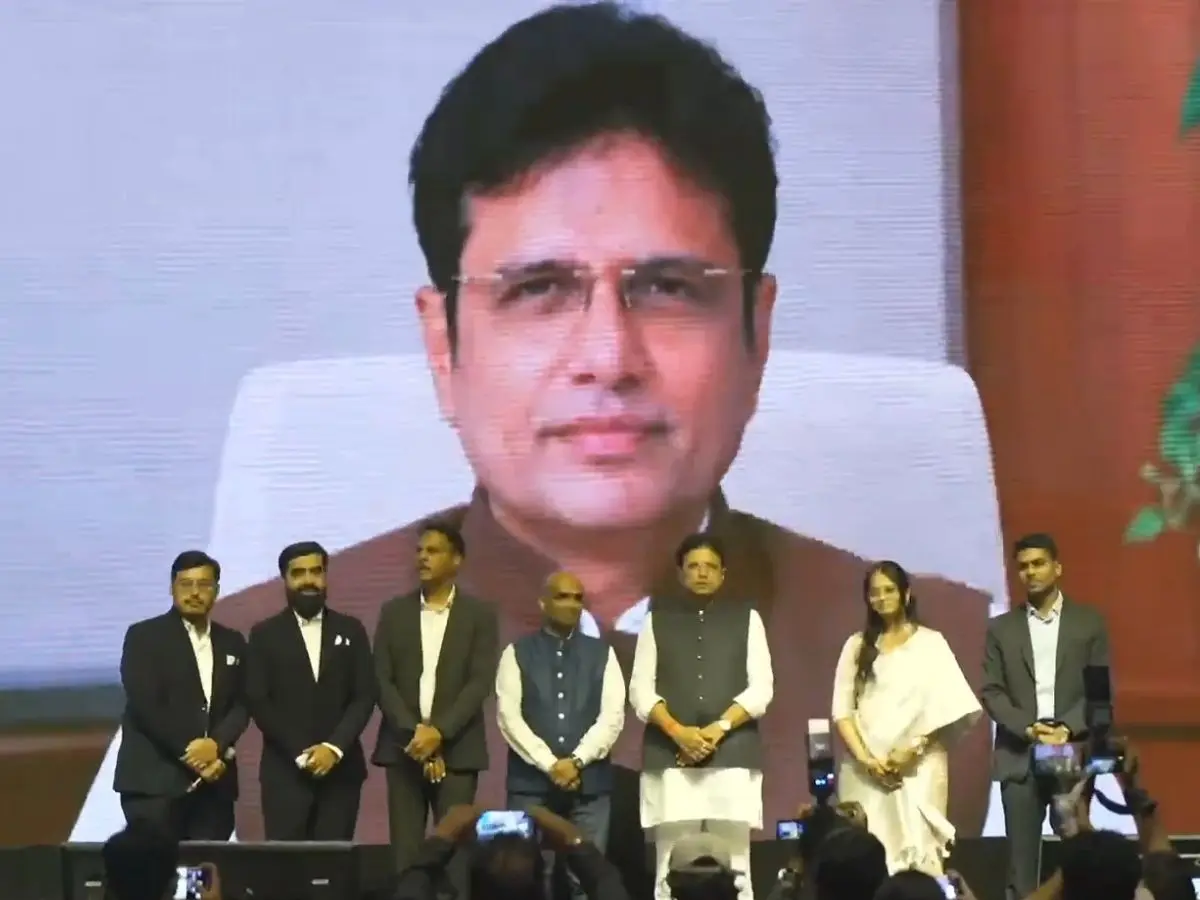
Telangana unveils AI avatar of IT minister D Sridhar Babu at Hyderabad DevFest 2026
&imwidth=180&imheight=135&format=webp&quality=medium)
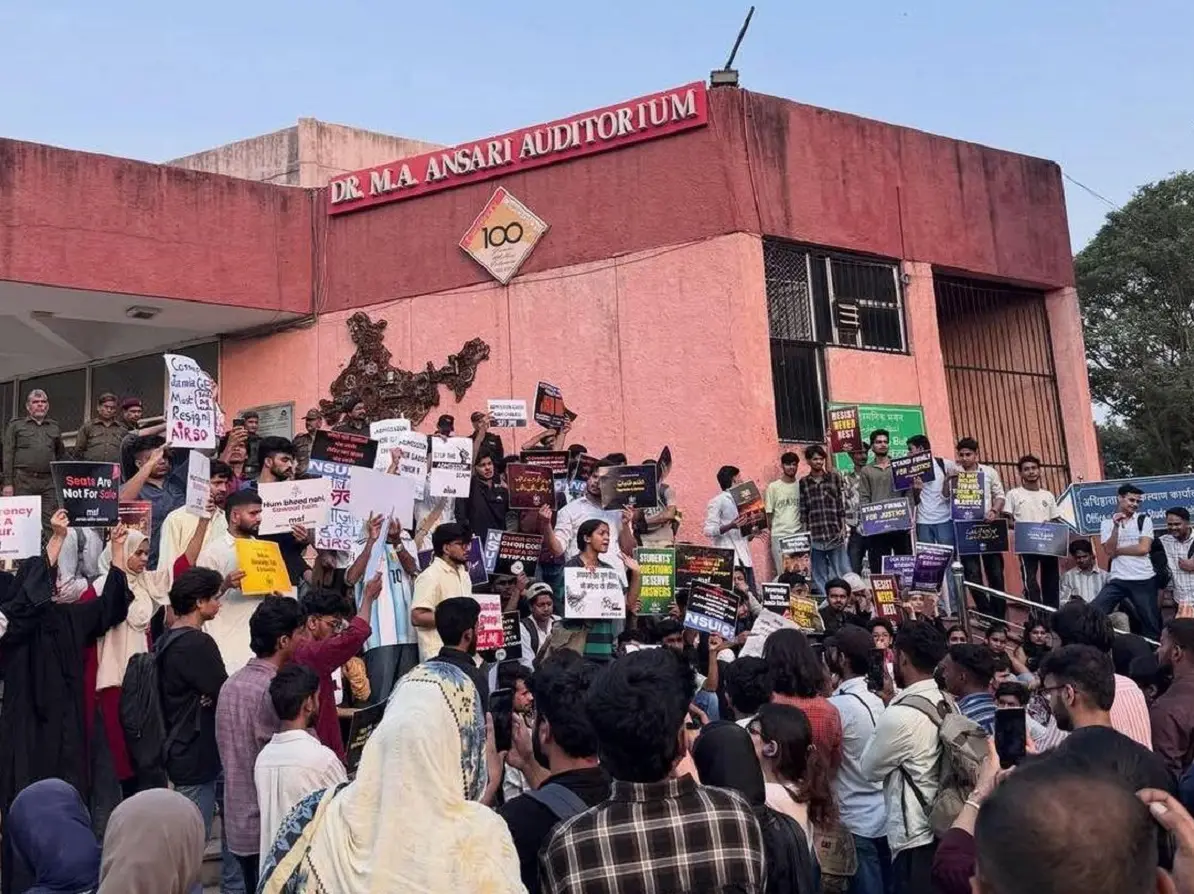
FIR filed against opposition MPs for ‘trespassing’ amid Jamia Millia students’ protest
&imwidth=180&imheight=135&format=webp&quality=medium)
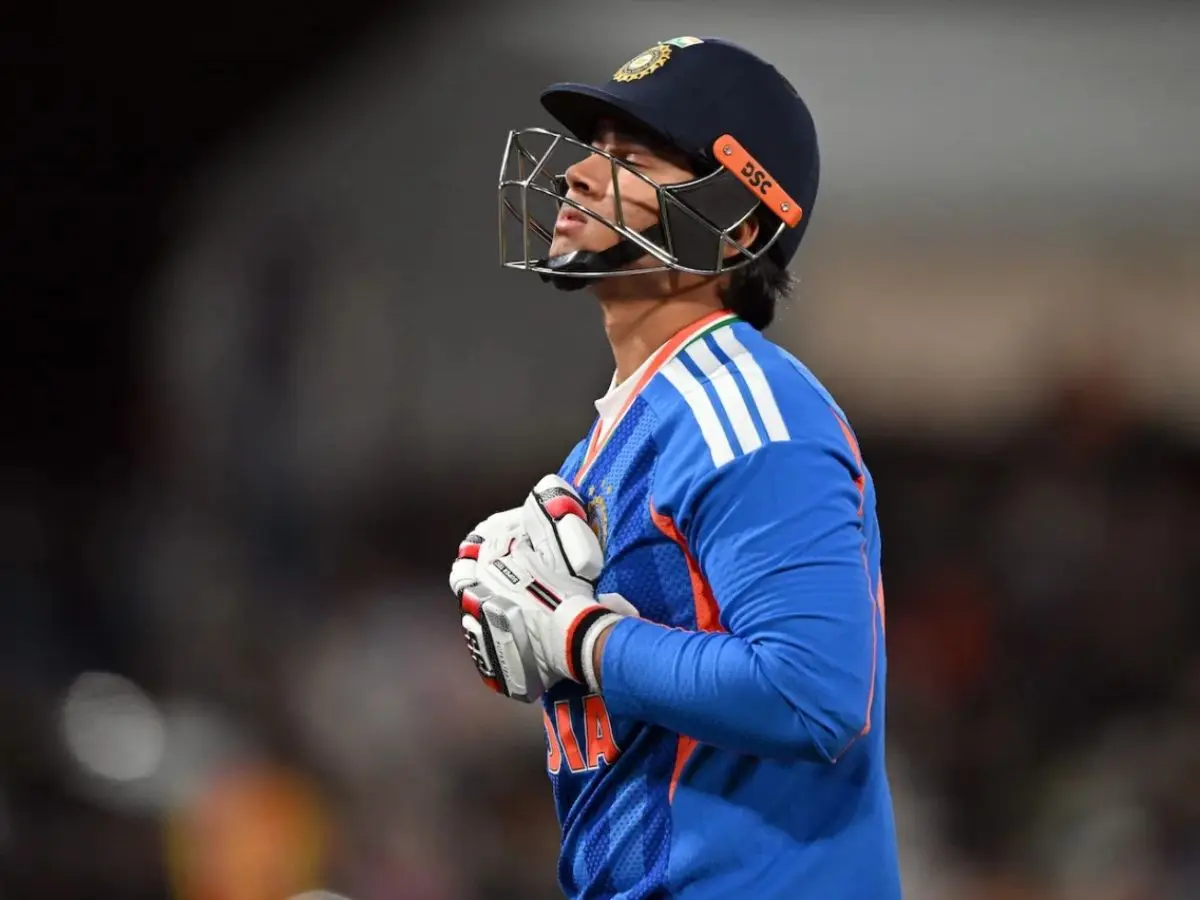
‘That is a miss’: Ravi Ashwin questions Sooryavanshi’s demotion to No. 3 in 2nd T20I vs NZ
&im=FitAndFill=(700,400)&imwidth=180&imheight=135&format=webp&quality=medium)
Why do some fighter jets have two engines while others use one?
&imwidth=180&imheight=135&format=webp&quality=medium)
Who is Eyal Zamir, Israeli army chief, who reportedly clashed with Netanyahu over Iran?
&imwidth=180&imheight=135&format=webp&quality=medium)
'Already tired of his 9-to-5': Baby born with a moustache becomes internet sensation, video goes viral | Watch
&imwidth=180&imheight=135&format=webp&quality=medium)
Delhi's new entry rules for vehicles begin November 1. Here's all you need to know about the ban
&imwidth=180&imheight=135&format=webp&quality=medium)
Maldives opposition leader demands transparency on Muizzu Govt's Pakistan defence, security deals
&im=FitAndFill=(700,400)&imwidth=180&imheight=135&format=webp&quality=medium)
New OTT releases this week (October 26-November 1, 2026): Baththa, Akka, The One About Matthew Perry- 7 titles coming on Netflix, Prime Video and more
&imwidth=180&imheight=135&format=webp&quality=medium)
'I promised Gautam & Kotak Sir that...': Tilak Varma opens up on match-winning mindset against NZ
&imwidth=180&imheight=135&format=webp&quality=medium)
Donald Trump targets Bill Maher in lengthy post after White House dinner, says ‘Don’t call anymore’
&imwidth=180&imheight=135&format=webp&quality=medium)
Daler Mehndi controversy: Mika Singh’s team confirms Subodh Uniyal’s apology
&imwidth=180&imheight=135&format=webp&quality=medium)
'Clear overkill': Putin rejects claims Russia is behind mass protests in Europe
&imwidth=180&imheight=135&format=webp&quality=medium)
Pakistan airline PIA unveils new crew uniforms, faces online criticism
&imwidth=180&imheight=135&format=webp&quality=medium)
Elon Musk’s Grok releases first AI-generated Odyssey episode, months after promising ‘historically accurate’ full-length film
&imwidth=180&imheight=135&format=webp&quality=medium)
Israel elections 2026: How the country is gearing up for a crucial vote
&imwidth=180&imheight=135&format=webp&quality=medium)
Formula 1: Mercedes' Kimi Antonelli one race and ninth spot finish away from title after US Grand Prix win
&im=FitAndFill=(700,400)&imwidth=180&imheight=135&format=webp&quality=medium)
How do army night-vision systems see in almost complete darkness?
&imwidth=180&imheight=135&format=webp&quality=medium)
Can Putin cheat death? All about his daughter’s billion-dollar quest for immortality
Espionage risks and diplomatic advantages
Reopening diplomatic channels might also allow the US to strengthen its intelligence-gathering efforts in Russia. American embassies and consulates have long hosted intelligence operatives, but experts caution that any agreement to restore diplomatic staffing could give Russian spies a significant advantage.
Operating in a more open society, they would have greater freedom compared to their American counterparts in Moscow, who face constant surveillance and restrictions.
Paul Kolbe, a senior fellow at Harvard’s Belfer Center for Science and International Affairs, told The New York Times, “If I were sitting in Yasenevo or Lubyanka and targeting Americans, I would be rubbing my hands with glee.”
Kolbe further explained that Russian diplomats in the US would likely include intelligence officers seeking to infiltrate American government institutions and businesses.
“They will have far more access and freedom of action than American diplomats in Moscow, who will contend with 24/7 physical and technical surveillance and harassment,” he said.
The Trump administration’s broader shake-up of the federal workforce could also play into the Kremlin’s hands, Kolbe noted.
Years of diplomatic expulsions between US and Russia
US-Russia relations took a sharp downturn after Moscow interfered in the 2016 presidential election. In response, successive US presidents expelled over 100 Russian diplomats accused of espionage and shut down several Russian diplomatic facilities suspected of intelligence operations.
President Barack Obama ordered 35 Russian intelligence operatives to leave and seized two diplomatic compounds in New York and Maryland. In 2018, President Trump expelled 60 more Russian diplomats and closed Russia’s consulate in Seattle after Russian agents poisoned a former spy in the UK.
President Joe Biden later removed another 10 Russian diplomats and a dozen suspected spies from Russia’s UN mission following cyberattacks and Moscow’s invasion of Ukraine.
In nearly every case, Russia retaliated with equivalent measures, expelling American diplomats and forcing the closure of US consulates. The Kremlin also barred the US Embassy in Moscow from employing local staff, leaving American diplomats to handle maintenance tasks such as cleaning floors and shovelling snow.
Today, both sides operate with minimal diplomatic presence, including significantly reduced intelligence staff. The potential reopening of diplomatic missions could restore these operations, but also rekindle espionage battles between the two nations.
(With inputs from agencies)
