US bans imports of all cotton, tomato products from China's Xinjiang region over forced labour concerns


Chinese Uighur workers pick cotton in a field in Alar, northwest China's Xinjiang Uygur Autonomous Region
The United States hasannounced an import ban on all cotton and tomato products from western China'sXinjiangregion on Wednesday over allegations that they are made with forced labour from detained Uighur Muslims.
The Customs and Border Protection agency issued a "withhold release order" on those imports "based on information that reasonably indicates the use of detainee or prison labour and situations of forced labour," it said.
The agency, which is part of the Department of Homeland Security (DHS), estimates that about $9 billion of cotton products and $10 million worth of tomato products were imported from China into the United States in the past year.

DHS acting deputy secretary Kenneth Cuccinelli told a news briefing the order sends a message to importers that "DHS will not tolerate forced labour of any kind" and companies should eradicateXinjiangproducts from their supply chains.
It was the latest in a series of withholding release orders issued on products originating in China's huge far-west region, where the government has forced more than one million ethnic Uighur Muslims and other minorities into prison camps, according to human rights groups.
In December, Congress passed the bipartisan Uyghur Forced Labor Prevention Act, which assumes that all goods manufactured inXinjiangare made with forced labour and therefore banned unless CBP certifies otherwise.
)
The Verdict | When precision fails: US commits war crime in Minab school strike, UN finds
)
Why Ranveer Singh’s Dhurandhar missed India’s Oscar entry; FFI jury member reveals what happened
)
US And Denmark reach Greenland deal, Trump announces expanded military presence
)
India seeks to build a full semiconductor supply chain
)
Trump signs Russia sanctions law: India faces fresh 100% tariff threat over Russian oil
)
Shivakumar attends 79th Kalyana Karnataka Utsav in Kalaburagi
)
US hiding troop deaths in Iran war? Toll higher than Pentagon count, claims report
)
Ukraine plans record $109 bn defence spending, nearly two thirds of budget amid Russia war
)
Trump's Greenland dream comes true? POTUS announces 'Infinite Life' deal with Denmark, claims permanent US control
)
China may have gained access to US's classified F-35 jets; parts meant for repairs diverted to Hong Kong, sparking Pentagon inquiry
)
Flying cars in UAE: Ras Al Khaimah signs deal with Chinese company to test new transport
)
‘Will go to any extent’: Pakistan vows to defend Saudi Arabia amid Houthi attacks
)
Pentagon revives mandatory testosterone testing for male troops aged 30 and above
&im=FitAndFill=(700,400))
Meet top 5 Indian batters with fastest T20I centuries
)
Godfather of AI Geoffrey Hinton gives US lawmakers a one-year warning on AI
)
NASA research plane reaches 61,000 feet over Panama
)
Google’s Gemini AI hacks real systems by guessing passwords during security test
)
Indian activist-lawyer Prashant Bhushan's post brings focus on ‘conflict of interest’ appointments of ex-govt officials at Reliance, Adani groups
)
Brigitte Bardot’s private collection set for Paris auction; key items and prices revealed
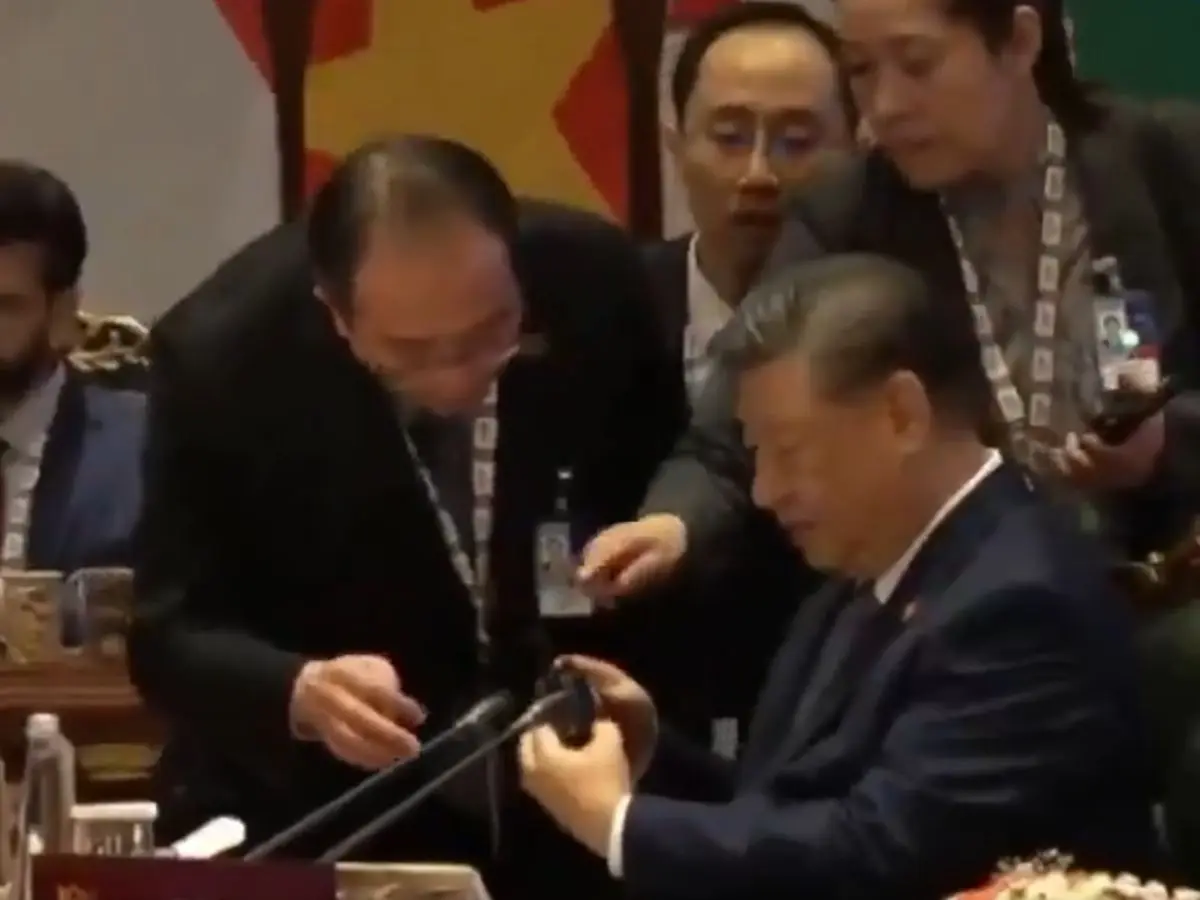)
FACT CHECK: Why did PM Modi ask Xi ‘is it okay’ at BRICS Summit? New video reveals...
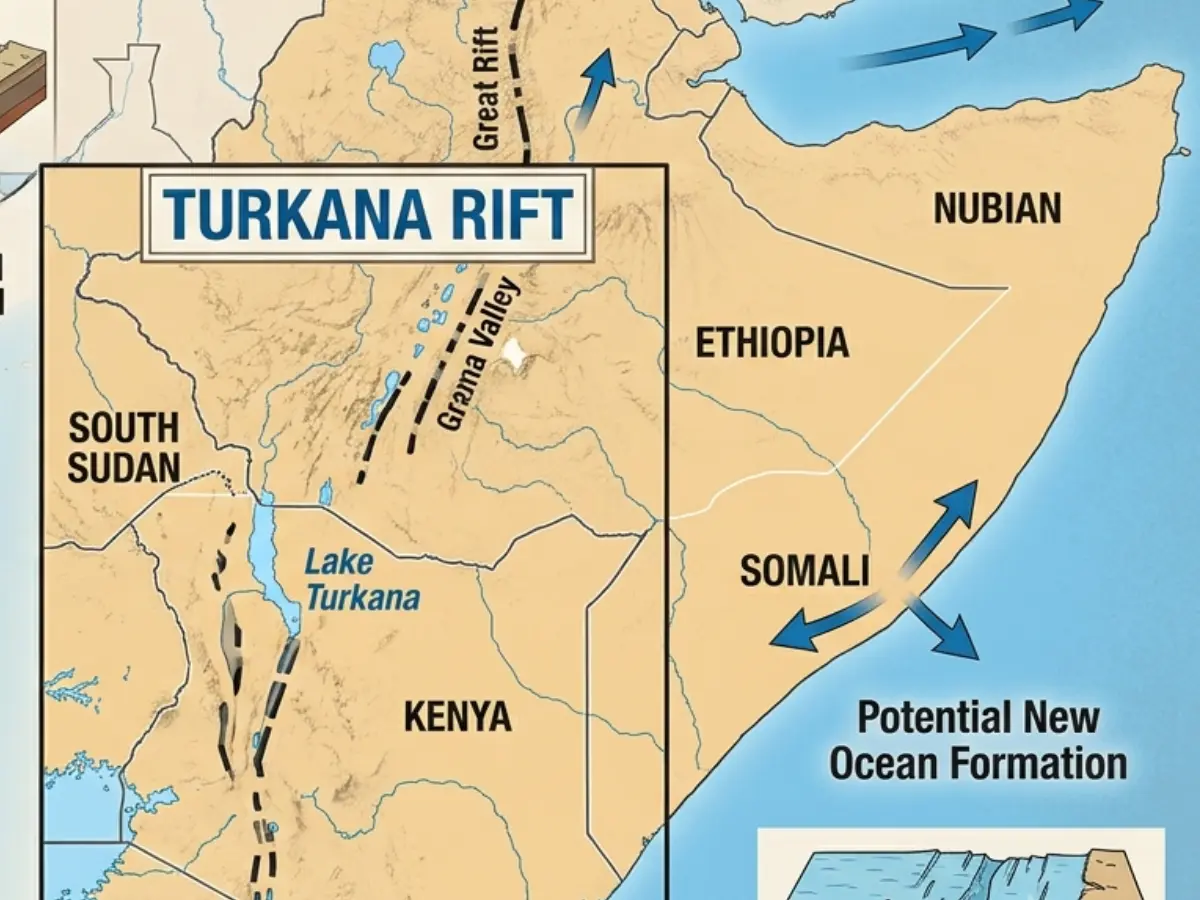)
Africa is splitting, and a lot sooner than estimated, giving way to a new ocean
)
Three labourers killed as DU student loses control of his car, rams into them on Dwarka Expressway
&im=FitAndFill=(700,400))
From Abhishek Sharma to Sahil Chauhan, 5 batters with fastest T20I hundreds
)
Trump bans CNN, MS NOW and Politico from White House over ‘FAKE NEWS’
)
Indian Cinema bets big on mythology, brings ancient stories to modern audiences
)
Pyongyang dismisses US, western pressure over nuclear programme
&im=FitAndFill=(700,400))
New Friday OTT releases (September 18, 2026): Lust Stories 3, You+Me, Best of the Best- 8 new titles coming on Netflix, Prime Video and more
)
Russia holds first parliamentary elections since the beginning of the Ukraine war
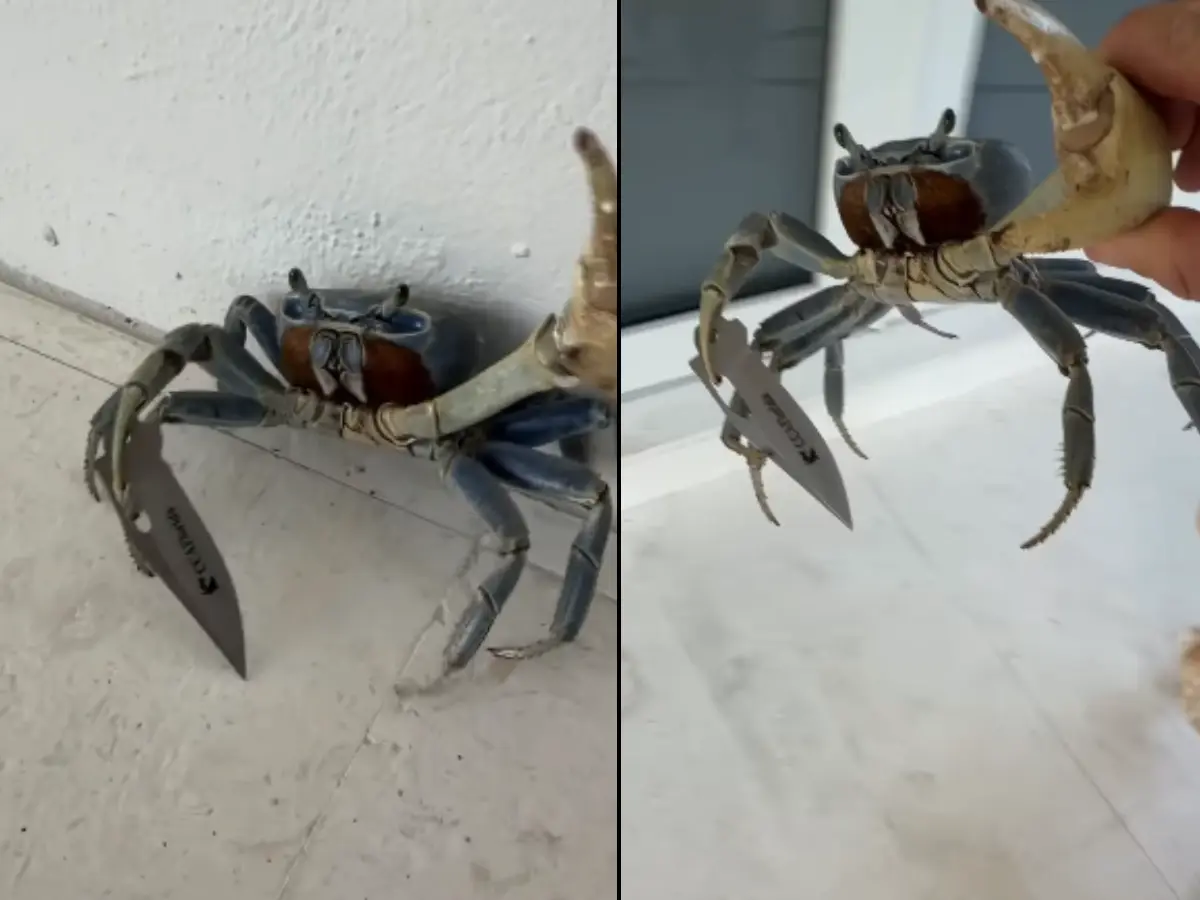)
'Gangsta' crab shoves knife blade at man and his dog in Florida - Watch
)
Fast bowler Brydon Carse faces no charges over Derby nightclub incident
)
Tirupati Laddu ghee adulterated with chemicals, says ED, supplier arrested
)
Who is Khalilur Rahman? All you need to know about 81st UN General Assembly President
)
Trump 2.0: Dark days ahead for America’s ‘imperial presidency’
&im=FitAndFill=(700,400))
Meet top 5 bowlers in latest ICC T20I rankings
)
IIT Bombay student dies by suicide, was caught seeking AI help during exams
)
Trump signs Russia sanctions bill into law, targets Moscow’s energy sector
Secretary of State Mike Pompeo, in his final days in office, has been weighing a determination as to whether forced labour inXinjiangconstitutes an "atrocity" or labelling it "genocide," which analysts say would have significant implications for relations with China.
The region-wide import ban follows a move to block cotton imports from China's largest producer, the military-linkedXinjiangProduction and Construction Corps (XPCC). Both will have a big impact on cotton production inXinjiang, which produces as much as 20 per centof the world's supply of the commodity.
Cotton futures prices fell slightly on Wednesday, but traders attributed the drop to profit-taking after prices hit a two year high on a USproduction outlook cut.
CBP officials said some 43 shipments of cotton-based products have been detained at USentry ports since the XPCC ban was announced.
The USapparel industry had previously criticized a broad ban as impossible to enforce. On Tuesday, a coalition of apparel and retail groups said in a joint statement that members were working to push forced labour from their supply chains but hoped to work with CBP "to make sure that enforcement is smart, transparent, targeted and effective."
The United Nations cites what it says are credible reports that 1 million Muslims held in camps have been put to work inXinjiangand faith leaders, activist groups and others have said crimes against humanity, including genocide, are taking place.
China denies mistreating Uighurs and says the camps are vocational training centres needed to fight extremism.
The Chinese embassy in Washington said in a statement the forced labour issue was a "political lie" and vowed to take actions to safeguard the rights of its companies.
"The USside resorts to pressure, sanctions and other means to suppressXinjiangenterprises and undercutXinjiang's stability, development and prosperity," the statement said.