Trump's rape case: Jury hears opening arguments in civil trial

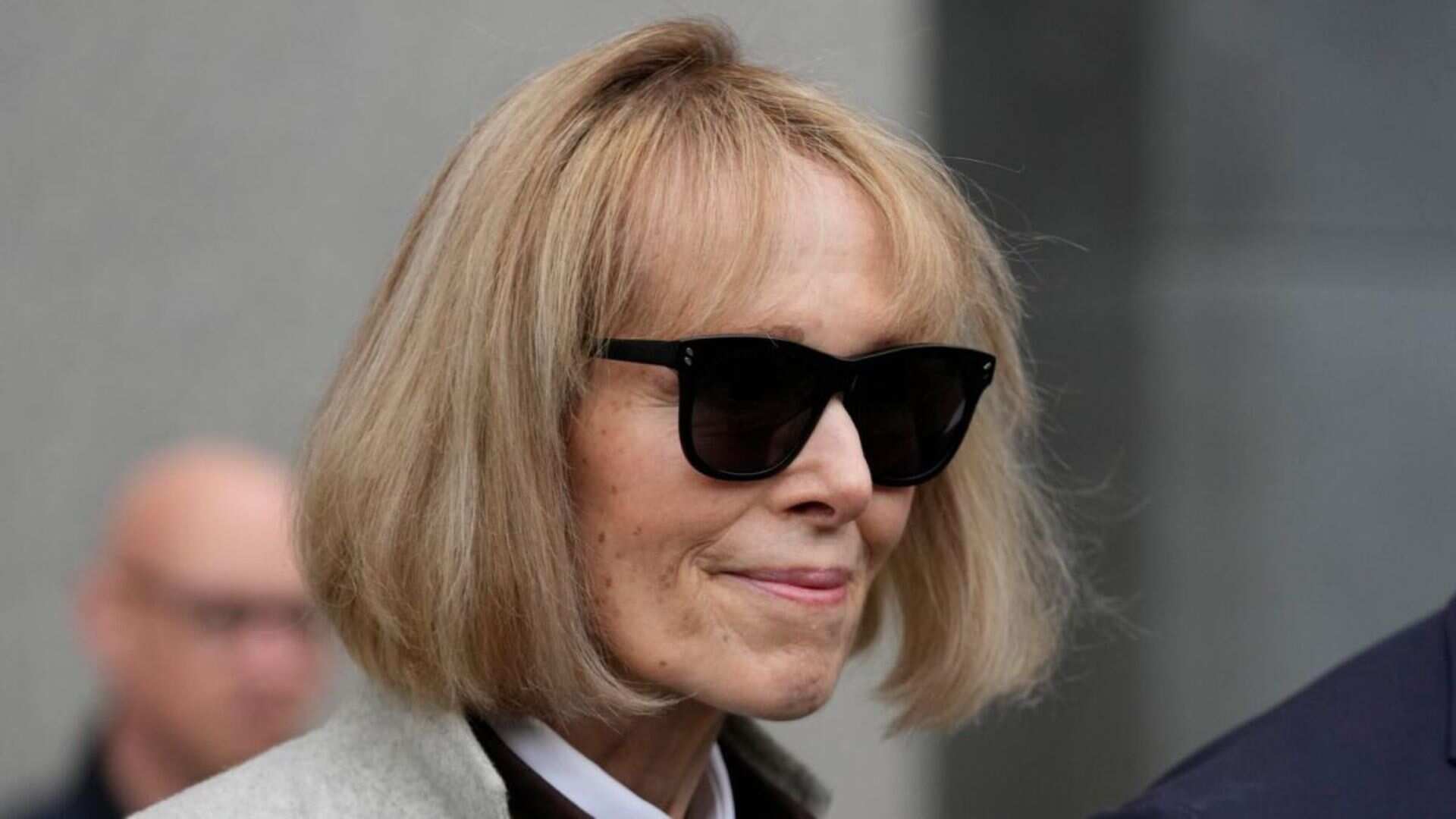
Former advice columnist E. Jean Carroll
A New York jury heard arguments from Donald Trump's attorney on Tuesday that the advice columnist E Jean Carroll and other women planned to accuse the former president of rape because they "hate" him for winning the 2016 election.
The first day of a civil trial in a Manhattan federal court also heard that Carroll is suing Trump for battery and defamation "to clear her name, to pursue justice, and to get her life back" after the former president allegedly raped her in a New York department store in 1996 and later denied it.
However, Trump's attorney Joseph Tacopina told the jury of three women and six men that Carroll brought the action for political reasons, to sell a book, and to garner media attention, reported The Guardian.

Details of Trump rape civil trial
Tacopina said that the rape accusation was made upby Carroll and two other women who are expected to testify that she told them about the assault immediatelyafterwards.
“They schemed to hurt Donald Trump politically,” he said.
&im=FitAndFill=(700,400))
Suriya and Jyothika say ‘I do’ again after 20 years! See their dreamy wedding pics
)
Saudi vs Houthis: Riyadh claims to have shot Houthi drone targeting Mecca
)
Trump gets new power to hit India, China with up to 100% tariffs as US Senate clears Russia sanctions bill
)
Ex-CIA officer caught with gold bars worth $40 million seeks plea deal | Gravitas
)
Trump calls Canada-EU associate membership plan ‘laughable’ and threatens 'very serious tariffs'
)
Lionel Messi for 2026 Ballon d’Or over Mbappe and Yamal, says Diego Simeone
)
Shahzad Bhatti Network declared terrorist organisation under UAPA: Govt order
)
US Treasury rallies global financial institutions for Op Economic Outcast to isolate Iran
)
Trump's Iran war faces fresh House rebuke; 7 Republicans join Democrats in push to end conflict ahead of midterms
)
Veteran actor Anant Nag honoured with Indian cinema’s highest award
)
Fed raises rates for first time in 3 years, Kevin Warsh defies Trump as inflation mounts
)
Alex Saab, ally of Venezuela's Maduro, pleads guilty in US corruption case
)
Pakistan naval vessel returns to harbour with 'severe damage' after collision with Indian warship in Arabian Sea
)
The Early Spring season 2 is happening, but fans have one request - 'don't change the actors'
)
BRICS success stuns White House, Trump targets India with 100% tariff | Gravitas
)
Finnish president Stubb calls Trump 'good for NATO' as allies increase defense expenditure
)
Trump backs PM Modi’s anti-opium push even as India remains on US illicit drug-producing list
&im=FitAndFill=(700,400))
New OTT releases this week (September 14-20, 2026): Lust Stories 3, Waiting Hai, Irumudi- 5 new titles coming on Netflix, Prime Video and more
)
What is Article 10 of the 1991 treaty at the centre of Pakistan Navy's 'unprofessional conduct'
)
Meghan Markle's phone number leaked from children's WhatsApp group, couple switches Archie and Lilibet's school
)
Trump praises India’s Opium crackdown, hails anti-drug efforts
)
800 million years old - Scientists discover 'fingerprints' of supercontinent Gondwana in ancient rocks
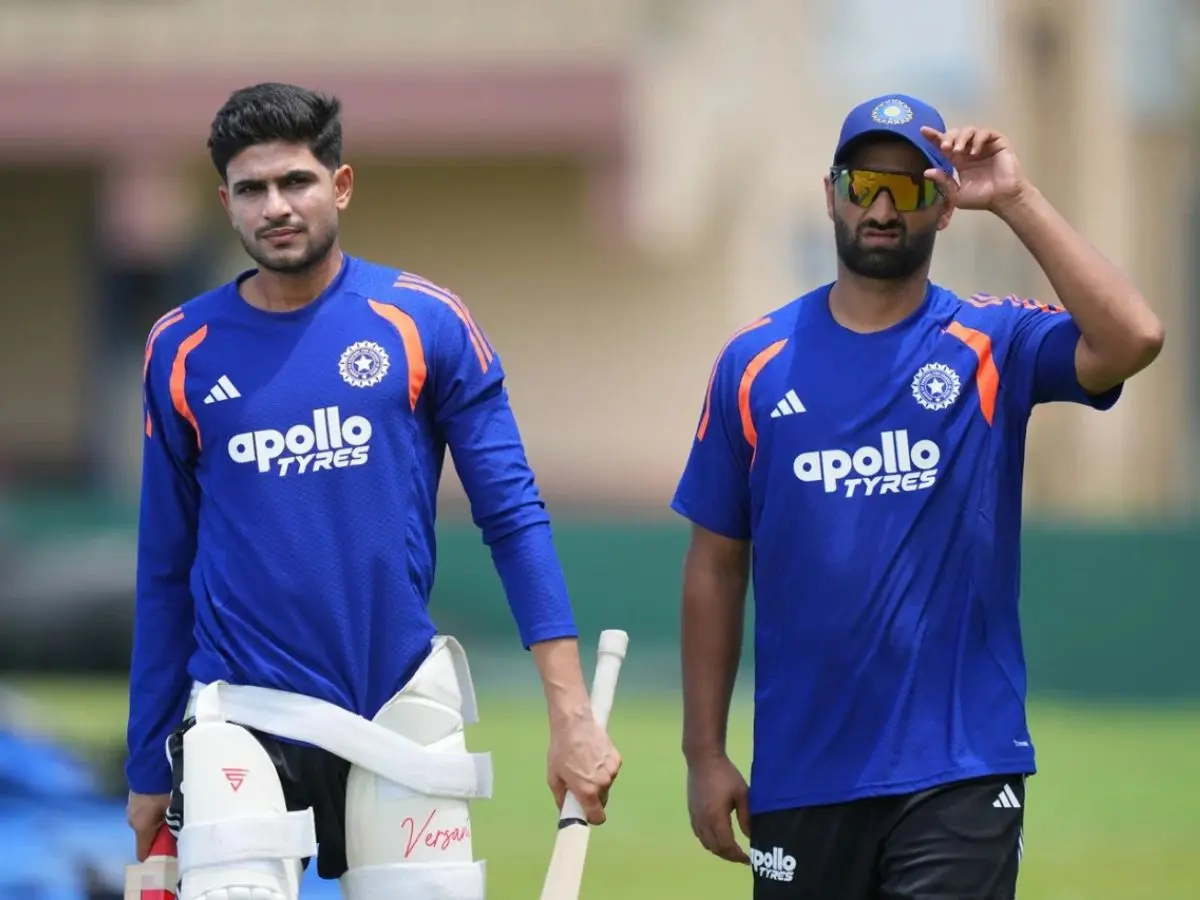)
No Pandya as Auqib Nabi earns maiden ODI call-up; Mayank returns for WI T20Is| check full squads
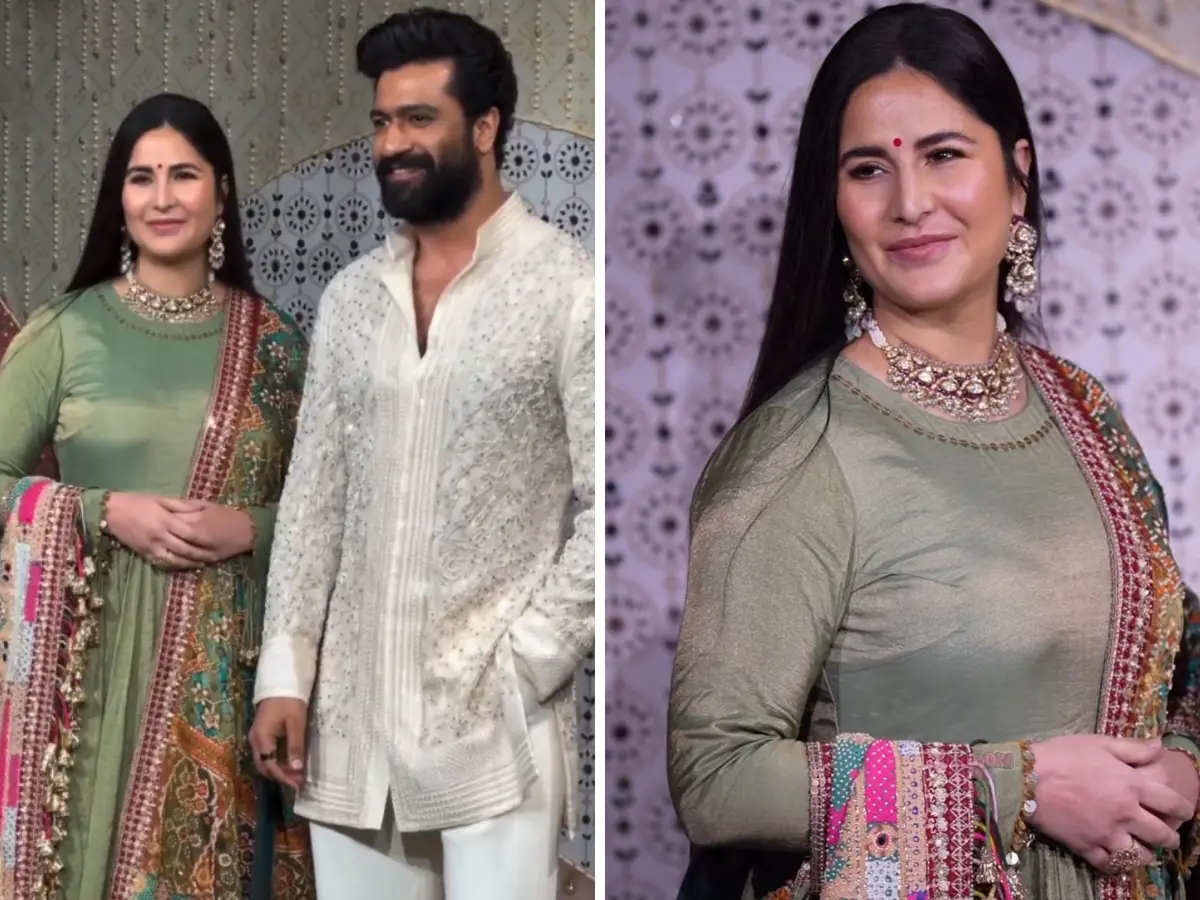)
Katrina Kaif’s postpartum weight is not the problem; your gaze is
)
US, China dominate global economy: Where does India rank among the world's biggest economies?
)
Hockey: Pakistan urges AHF to move Asian Champions Trophy out of India over security concerns
)
US trade tariff: 100% tariff targets Russian buyers amid trade tensions
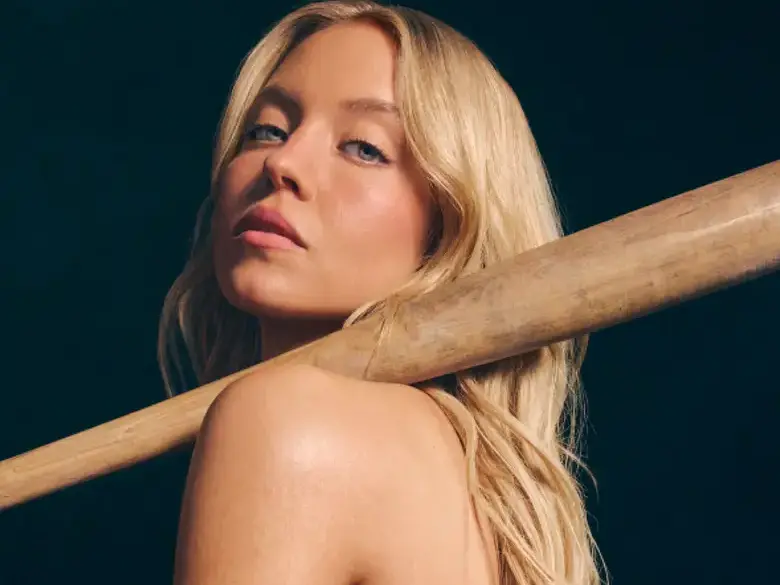)
Sydney Sweeney defends provocative ad choice, the internet is still not impressed
)
Bigg Boss 20: Mahhi Vij reveals she lost Yuva role to Kareena Kapoor; 'didn’t work out in my favour'
)
Riyadh warns of ‘red line’ after Mecca targeted; Houthis claim downing Saudi fighter jet – What’s happening?
)
Daayra movie review: Kareena Kapoor, Prithviraj Sukumaran shine in Meghna Gulzar’s cop-versus-cop crime thriller
)
Pakistan: Imran Khan's sons Kasim & Sulaiman claim their father is 'tortured' in jail
)
FBI Director Kash Patel grilled over change of hiring rules on bestiality
)
Abhishek Sharma rises to No. 2 in T20Is; ENG’s Robinson 3rd after record Pakistan Tests
)
Extreme warming in Indian Ocean added 695 billion tons of ice to Antarctica ice sheet
)
All Indian goods to get duty-free access to New Zealand
Tacopina told the jury that Carroll initially accused then-president Trump of rape following a meeting with George Conway, a prominent opponent who was married to Kellyanne Conway, one of the president's closest advisers in the White House. The judge upheld a challenge to Carroll's claim made by his attorneys. When Carroll provides testimony, it's unclear if Tacopina will bring it up again.
Carroll claims that in 1996, after they ran into each other and he asked for help in choosing a gift for a friend, Trump assaulted her in a dressing room of the Bergdorf Goodman department store in New York.
Shawn Crowley, Carroll's attorney, told the jury that Trump forced Carroll into a changing room before attacking her. According to the attorney, Trump slammed Carroll's head against the wall, held her arms behind her back, pulled her tights down, and then pushed his fingers into her vagina.
Crowley claimed that Carroll attempted to knee Trump off and kicked him, but that Trump overpoweredher.
“He removed his hand and forced his penis inside her,” the lawyer told the jury.
Crowley addressed the two issues she predicted would be foremost in the jurors' minds. Carroll and Trump entered the dressing room for what reason? And why did she not call the police right away to report the alleged rape?
The attorney claimed that when Carroll was asked to try on a see-through bodysuit by Trump, she threw the suggestion back at him and told him that since it was his colour, he should be the one wearing it. Trump then brought Carroll to the changing room while holding her arm.
“To her, the situation was harmless and funny,” said Crowley. “The truth is she didn’t see Trump as a threat.”
Crowley claimed that following the incident, Carroll did inform two friends. One suggested that she contact the police. The other suggested keeping silent because Trump was an influential person. Carroll, according to Crowley, was "filled with fear and shame" that prevented her from speaking for a long time.
Carroll was subjected to a barrage of "vicious attacks" by the president when she finally made the decision to speak out following Trump's election in 2016 and the rise of the #MeToo movement.
Tacopina argued before the jury that it was impossible that nobody in a major department store noticed Carroll and Trump together and that no employees were present in the vicinity of the alleged assault.
Carroll claimed that the door was unlocked despite Bergdorf Goodman's customary practice of keeping changing rooms shut until a customer requested entry.
Carroll's explanation for why she didn't call the police was contested by Tacopina.
“E Jean Carroll once called the police on teenagers who vandalised her mailbox but not when she was violently raped,” he told the jury.
The trial continues.
WATCH WION LIVE HERE: