Will Trump’s new Iran sanctions work? China holds the key

&imwidth=600&imheight=450&format=webp&quality=medium "Will Trump’s new Iran sanctions work? China holds the key")
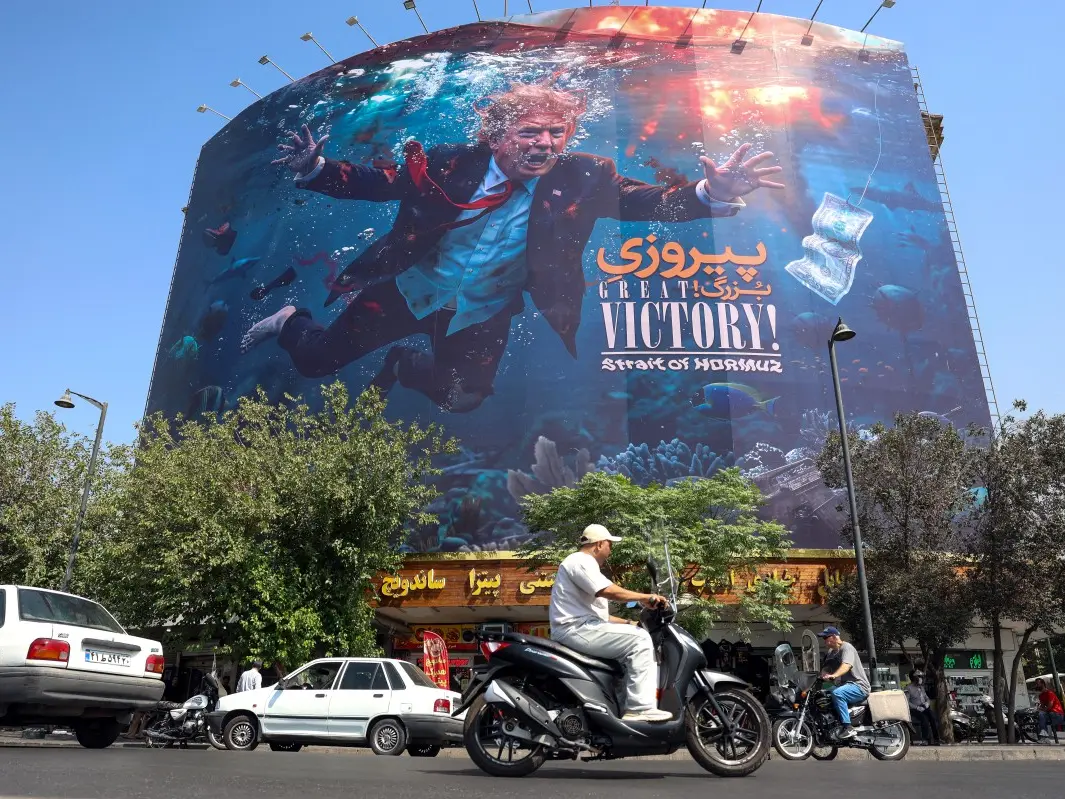
Motorists drive past an anti-US billboard in Tehran on August 24, 2026. Photograph: (AFP)
US Treasury Secretary Scott Bessent has vowed an economic offensive against Iran, but China’s continued trade could limit its impact.
US Treasury Secretary Scott Bessent has announced an “Operation Economic Outcast" against Iran in August and vowed to target Iran's economic interests across the globe. He called this "the single greatest financial offensive ever" and warned of dire consequences against any companies or banks that maintain economic ties with Iran. The option is either to choose between maintaining commercial ties with Tehran and access to the US financial system.
Washington's goals are ambitious; it wants to isolate Iran and punish countries that trade with it. It has said these sanctions will target Iran’s aviation, digital assets, gold, technology and shipping sectors, as well as 60 specific individuals and vessels. According to the Treasury Department release on Monday, there are also secondary penalties targeting ships based in or associated with countries including Singapore, Hong Kong and China.
“Around the globe, our objective is to sever every economic lifeline that sustains this tyrannical regime until Tehran stands alone,” said Bessent. When asked whether these same sanctions will work for China, Bessent maintained that “no one is above the reach of US sanctions”. However, China has explicitly stated that it was opposed to "illegal unilateral sanctions" and would take "all necessary measures" to safeguard its rights.
Will these sanctions work?
Iran has been under sanctions for roughly 47 years, since the Islamic Revolution in 1979, when the US embassy in Iran was seized, and US citizens were captured to create a hostage situation. Since then, the US has imposed harsh sanctions specifically targeting Iran's oil industry. These have increased incrementally. Until the JCPOA under Barack Obama, when Iran signed a nuclear deal in 2015. But Donald Trump unilaterally walked out of the deal in 2018 and reimposed those sanctions/
Trending Stories
&imwidth=280&imheight=210&format=webp&quality=medium)
&imwidth=280&imheight=210&format=webp&quality=medium)
&imwidth=280&imheight=210&format=webp&quality=medium)
&im=FitAndFill=(700,400)&imwidth=280&imheight=210&format=webp&quality=medium)
&imwidth=280&imheight=210&format=webp&quality=medium)
&imwidth=280&imheight=210&format=webp&quality=medium)
&imwidth=280&imheight=210&format=webp&quality=medium)
&imwidth=280&imheight=210&format=webp&quality=medium)
&imwidth=280&imheight=210&format=webp&quality=medium)
&imwidth=280&imheight=210&format=webp&quality=medium)
&imwidth=280&imheight=210&format=webp&quality=medium)
&imwidth=280&imheight=210&format=webp&quality=medium)
&imwidth=280&imheight=210&format=webp&quality=medium)
&im=FitAndFill=(700,400)&imwidth=280&imheight=210&format=webp&quality=medium)
&imwidth=280&imheight=210&format=webp&quality=medium)
&imwidth=280&imheight=210&format=webp&quality=medium)
&imwidth=280&imheight=210&format=webp&quality=medium)
&imwidth=280&imheight=210&format=webp&quality=medium)
&imwidth=280&imheight=210&format=webp&quality=medium)
&imwidth=280&imheight=210&format=webp&quality=medium)
&imwidth=280&imheight=210&format=webp&quality=medium)
&imwidth=280&imheight=210&format=webp&quality=medium)
&imwidth=280&imheight=210&format=webp&quality=medium)
&imwidth=280&imheight=210&format=webp&quality=medium)
&imwidth=280&imheight=210&format=webp&quality=medium)
&imwidth=280&imheight=210&format=webp&quality=medium)
&imwidth=280&imheight=210&format=webp&quality=medium)
&imwidth=280&imheight=210&format=webp&quality=medium)
&imwidth=280&imheight=210&format=webp&quality=medium)
&imwidth=280&imheight=210&format=webp&quality=medium)
&imwidth=280&imheight=210&format=webp&quality=medium)
&imwidth=280&imheight=210&format=webp&quality=medium)
&imwidth=280&imheight=210&format=webp&quality=medium)
&imwidth=280&imheight=210&format=webp&quality=medium)
&imwidth=280&imheight=210&format=webp&quality=medium)
&imwidth=280&imheight=210&format=webp&quality=medium)
&imwidth=280&imheight=210&format=webp&quality=medium)
&im=FitAndFill=(700,400)&imwidth=280&imheight=210&format=webp&quality=medium)
&imwidth=280&imheight=210&format=webp&quality=medium)
&imwidth=280&imheight=210&format=webp&quality=medium)
&imwidth=280&imheight=210&format=webp&quality=medium)
&imwidth=280&imheight=210&format=webp&quality=medium)
&im=FitAndFill=(700,400)&imwidth=280&imheight=210&format=webp&quality=medium)
Historically, sanctions have failed to produce desired policy outcomes. For example, US sanctions targeting the IRGC to stop supporting proxies or to fully halt Iran's nuclear activities have failed. Further, these sanctions are like nets, not clouds. They have gaps in them by design, and Iran has spent roughly four decades finding those gaps.
Iran has, over time, adopted ways to overcome these sanctions; it has used cryptocurrency to circumvent these long-standing sanctions from the US financial system and facilitate transactions involving the Islamic Revolutionary Guard Corps. It has its own shadow fleet of tankers changing names and flags to evade the US Navy, moving oil through opaque arrangements; it has used the Iraqi banking system as an economic "lung" to source hard currency. Payments are done through intermediaries, front companies substituting for conventional businesses. Iran acted opportunistically, carving out ways as required, instead of colliding head-on with the US empire.
Analysts suggest that these sanctions might increase the cost of war. It might secure some concessions for the US, but weak multilateral implementation is also reducing the scope of any concrete outcome. China is the largest trading partner of Iran. It bought roughly 90 per cent of Iran's exported oil, roughly 12 per cent of China's total crude imports in 2025. China has not logged a single barrel of Iranian oil import in official customs data since 2022, but Iran still raised roughly $31 billion in revenue. China works as the decisive enabler; Washington knows this. As long as China keeps buying and its banks are willing to absorb the secondary sanctions, Washington can just increase Iran's fiscal pain without securing any concrete policy outcomes.
Washington has sanctioned small Chinese refineries but has not risked sanctioning major Chinese banks yet. If they do, the ceiling will close in on Tehran, but it might also risk a trade war with China and a potential fallout on the global economy. Iran might become more aggressive on the shipping routes in Hormuz and Bab el Mandeb. Chinese President Xi Jinping is scheduled to visit Washington on September 24, 2026. This will be Xi's first visit in 11 years.