The great Indian American 'protest vote': How the community mobilised against hate politics and immigration policies that targeted it


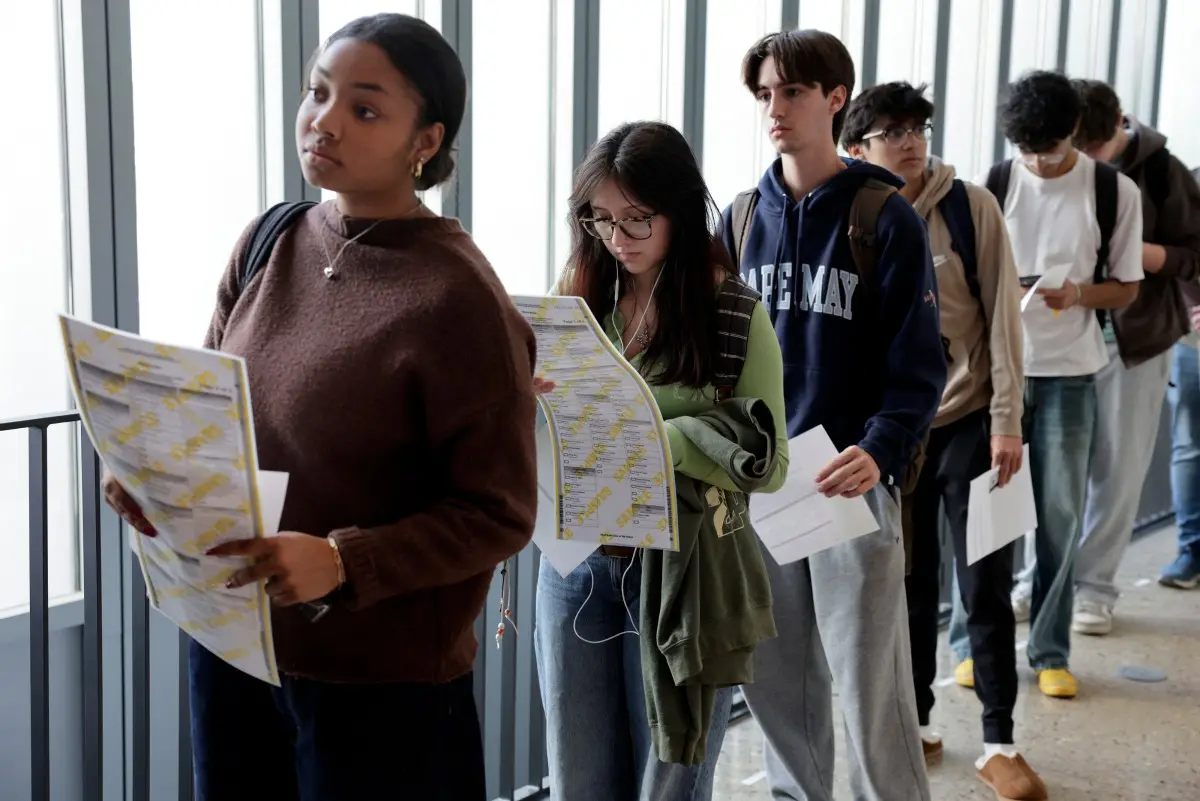
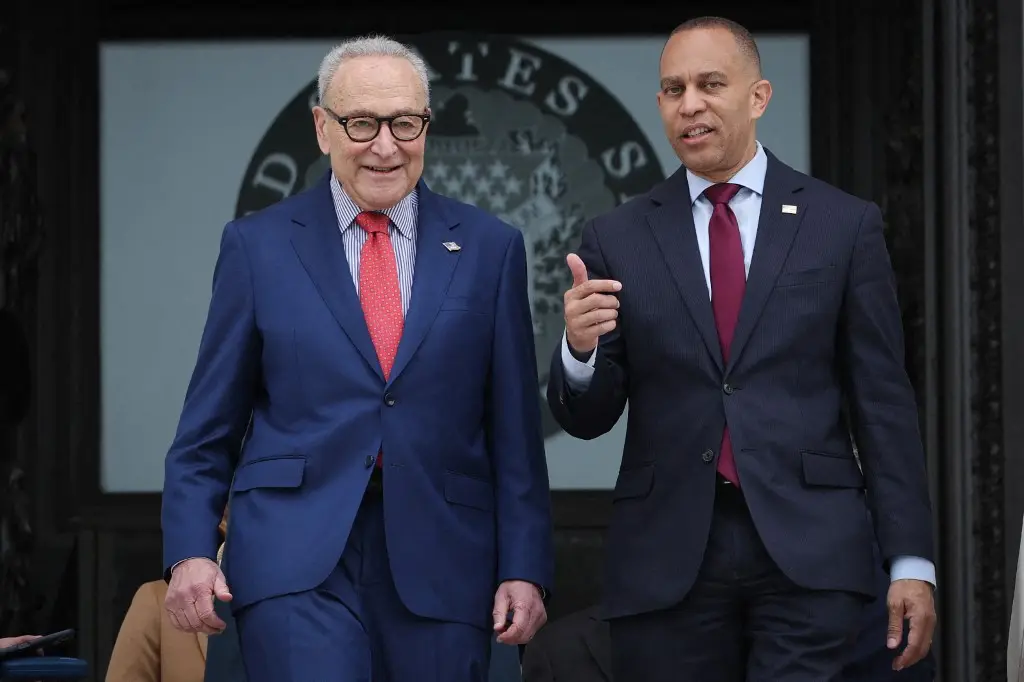
Files of an Asian American event and a voting signage in the US are combined in this composite image. Photograph: (Others)
Indian Americans appeared to have moved to Democrats in the 2026 midterms, angered by hate rhetoric and Trump policies linked to immigration crackdown and H-1B visas. Democrats won 85 of 100 seats where Indian American voters had a significant presence
In the 2026 midterm elections, Indian Americans appear to have moved en masse towards politicians who favoured the community's interests, irrespective of party, in a move that eventually helped Democrats far more than Republicans. In several local and federal races, the community mobilised against hate and anti-Indian rhetoric, and the Trump administration's harsh visa and immigration policies that appeared to disproportionately target it.
A small electorate that punches above its weight
Originating from the world's largest democracy, Indians in the US are increasingly showing their power at the ballot box. About 5.4 million people identify as Indian American out of a US population of about 342 million, according to the Census Bureau's 2025 American Community Survey. The number would be 5.9 million if those of mixed heritage are added. About 48 per cent of Indian Americans identify as Hindu, according to a 2022–23 Pew Research Center survey. The Carnegie Endowment estimates some 2.6 million Indian Americans are eligible voters, which is barely 1 per cent of the electorate. But the Indian vote can matter where victories are decided by narrow margins.
Indians are increasingly moving towards Democrats
While many had tilted towards Republicans during the 2024 presidential elections, recent hostility against the community, ranging from attacks on Punjabi Sikh truck drivers to anti-Hindu rhetoric and ambivalence over H-1B visa policy, turned many to the Democrats.
Trending Stories


The Carnegie Endowment's Indian American Attitudes Survey, conducted with YouGov in this October ahead of midterms, showed 62 per cent of Indian American citizens intended to vote Democrat for the House of Representatives, against 19 per cent Republican. For the Senate, the split was 63 to 21 per cent.
It marks a sharp reversal from 2024, when a significant chunk of Indian Americans backed Donald Trump for president – 30 per cent, against 62 per cent for Kamala Harris, according to the same survey series.
But the tide shifted over the next years. Among Indian American men aged 40 and above, Republican support fell from 32 per cent in January 2026 to 16 per cent ahead of Midterms, while Democratic backing rose from 53 to 68 per cent. Around 35 per cent of those planning to vote Democrat said they were motivated primarily by opposition to Republicans.
Party loyalties, however, have shifted less. Some 46 per cent identified as Democrats, down from 52 per cent in 2020, and 19 per cent as Republicans, up from 15 per cent while 26 per cent identified as independents. Republican identification stands at 21 per cent among Indian American Hindus, 31 per cent among Christians and 10 per cent among Muslims.
Other surveys showed similar trends. In the APIAVote and AAPI Data 2026 AAPI Voter Survey, conducted in June and July, Indian American registered voters intended to vote 66 per cent Democrat and 18 per cent Republican for the House, and 66 to 22 per cent for the Senate, and 92 per cent said they planned to vote in the midterms. A HIT Strategies poll for Indian American Impact found 60 per cent of South Asian American likely voters planned to vote Democrat for Congress. An earlier Pew survey from 2022–23 showed 68 per cent of registered Indian American voters were Democrat or Democrat-leaning, and 29 per cent Republican or Republican-leaning.
Did Indian Americans help tilt the Midterms results?
Democrats won 85 of the 100 House seats with the largest Indian American populations, according to an analysis of Census Bureau data reported by Indian media. The party flipped seven Republican-held seats, cutting the Republican tally in the group from 21 to 15, and retained all but one of its own.
Ro Khanna won a sixth term in California's 17th district, which has the largest Indian American population of any district – about 146,000. Fellow Democrat Ami Bera won the redrawn California 3rd, previously held by Republican Kevin Kiley, while in Arizona's 1st, Indian American Democrat Amish Shah flipped a Republican seat. Indian Americans got their first Los Angeles Mayor in Nithya Raman, a progressive Democrat.
Democrats swept every top-100 seat in New York, Illinois, New Jersey and Pennsylvania, unseating Republicans Brian Fitzpatrick and Tom Kean Jr, both members of the House India Caucus.
Texas: the battleground of Indian American anger
Texas is home to about 708,000 Indian Americans, second only to California, according to the 2025 American Community Survey. More than any other state, Texas was in focus for all the wrong reasons for Indian Americans and Hindus. In recent months, there were several controversies: opposition to a Hanuman statue, a Republican candidate's social media post targeting South Asian (mostly Indian) university students, and talk of Indians leaving a state long home to a large diaspora.
The midterm results here were telling.
James Talarico defeated Republican Ken Paxton in the first Democratic Senate win in Texas since 1988. For governor, Democrat Gina Hinojosa unseated Republican Greg Abbott.
In Fort Bend County in suburban Houston, with a large Indian American community, Talarico took 63 per cent of the vote to Paxton's nearly 35 per cent. Collin County, north of Dallas, home to a large Indian American population, and which voted for Trump in 2024, backed Talarico by 12 points. Most of Frisco, which has a significant Indian population and a prominent Hindu temple, voted Democrat.
A pre-election survey had predicted this. The SAAVETX EF and UC San Diego survey of South Asian registered voters in Texas showed 66 per cent backing Talarico against 21 per cent for Paxton, and 63 per cent for Hinojosa against 27 per cent for Abbott. In the same survey, 58 per cent of South Asians reported at least one experience of hate in the past year – including online harassment, threats of violence and damage property or places of worship.
Another focal point was an otherwise low-profile race for Texas Railroad Commissioner. Democrat Jon Rosenthal defeated Republican Bo French, whose social media post about South Asian students at the University of Texas triggered the communitys anger. Significantly, a fundraiser co-hosted by Rishi Bhutada, co-founder of the Hindu American PAC, raised $55,000 for Rosenthal.
Indian American political organising has already come of age. This election only proved its effect
More than 300 South Asian Americans held elected office in 2024, according to Indian American Impact – against just five Indian Americans ever elected to public office as of 2000.
In this election cycle, Indian Americans contributed money and voice to causes they believed in, mostly repudiating a politics of hatred and targeting by country of origin. They held town halls in Georgia and Texas.
Americans4Hindus backed candidates from both parties seen as sympathetic to diaspora or Hindu concerns. South Asians for America (SAFA), SACRED Acts, Hindus for Human Rights Action and DRUM Beats were among organisations that engaged in canvassing, primary interventions and progressive organising. Many addressed anti-Indian rhetoric and H-1B and immigration concerns.