Spain's conservative party triumphs in regional elections, Socialists maintain slim dominance


Representative Image
Spain's People's Party (PP) emerged victorious in local and regional elections, with only three out of twelve regions narrowly maintaining Socialist dominance. The remaining regions are expected to shift to the conservative People's Party, either through coalitions or informal support agreements with the far-right Vox party. AFP quoting political science professor Ignacio Jurado from Carlos III University said this electoral shift is a significant boost for the PP and its new leader, Alberto Nuñez Feijoo, leading up to the upcoming year-end elections.
Also Read | Mysterious! Venice canal stuns locals as patch takes on fluorescent green hue
In the local vote, PP secured a significant win, garnering 31.5% of the votes. Meanwhile, the Spanish Socialist Workers Party (PSOE), which currently leads the government, maintained a narrow dominance with 28.2% of the votes. These results, based on more than 97% of votes counted, were revealed by the Interior Ministry.

Although the PSOE experienced a slight decline of 1.2 percentage points compared to the 2019 elections, the PP witnessed an impressive surge of nearly 9 points.The regional elections showcased a significant political shift as the People's Party celebrated its victory, gaining momentum and support. However, the Socialist Party managed to hold onto their slim lead, ensuring their continued prominence in the Spanish political scene.
What do gains represent?
The strides made by the People's Party indicate the potential to unseat the current left-wing coalition led by the Partido Socialista Obrero Español (PSOE) if they can maintain this performance in the national elections scheduled for December.
)
Nigeria: Protesters take to the streets, police fire shots
)
US-Iran war: Tehran draws red lines — seven demands before any peace talks
)
Russia-Europe tensions: Polish PM warns Russian attacks could test NATO's unity
&im=FitAndFill=(700,400))
‘Not the US or China’: These are the countries leading the world in arable land
)
Mark Carney mimics Trump in hilarious moment over C$70 billion clean-energy investment; room erupts in laughter
)
Pentagon revives mandatory testosterone testing for male troops aged 30 and above
)
‘End of my career...’: NSA Doval recalls tense Sikkim mission when China captured Indian intelligence team
)
Trump defends AI amid growing alarm, announces new 'AI force' and promises an 'AI czar'
)
Iran sets 7 conditions to end war with US: What are Tehran’s demands?
)
Trump announces ‘AI Force’ as debate grows over AI risks and regulation
)
China may have gained access to US's classified F-35 jets; parts meant for repairs diverted to Hong Kong, sparking Pentagon inquiry
)
Gaza under attack: Health chief's son killed in IDF strikes
)
Arvind Kejriwal, family members, Delhi CM Rekha Gupta get SIR notices
)
Cochin shipyard starts building Indian Navy's next-gen missile vessels
)
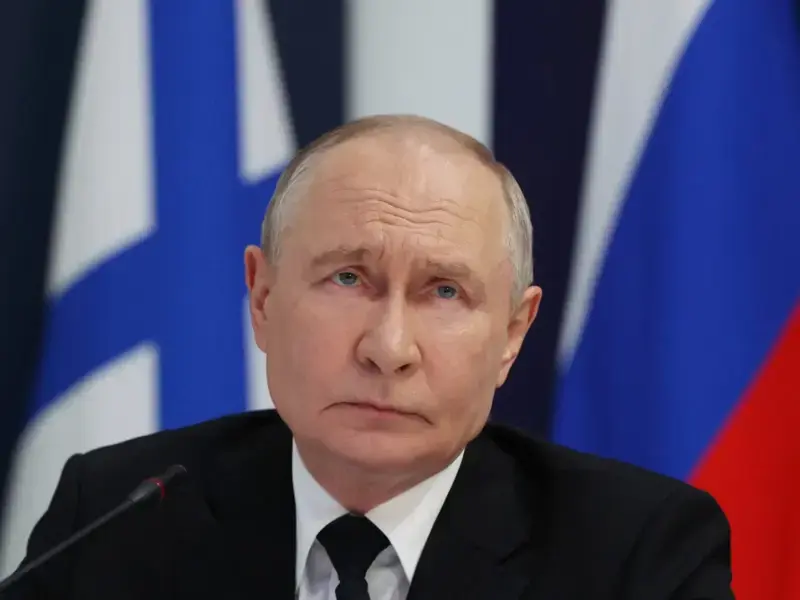
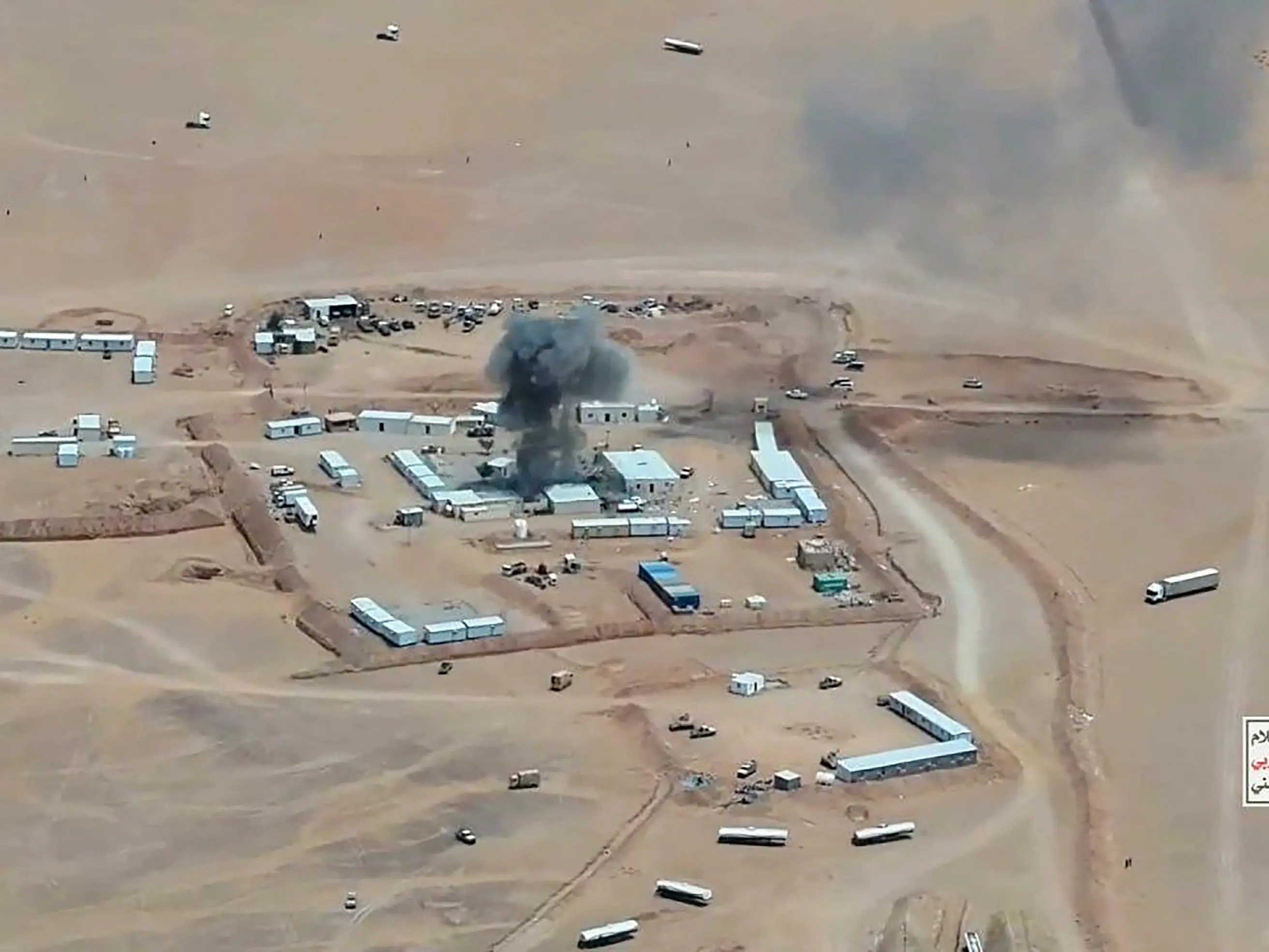
Saudi vs Houthis: Houthis claim missiles & drones used in attack on key Saudi sites
)
Russia extends ban on Western food imports for two more years in extended sanctions countermeasure
)
Ed Sheeran addresses Macklemore's removal, Gaza conflict during Philadelphia concert: 'I cannot hide how I feel'
)
Brigitte Bardot’s private collection set for Paris auction; key items and prices revealed
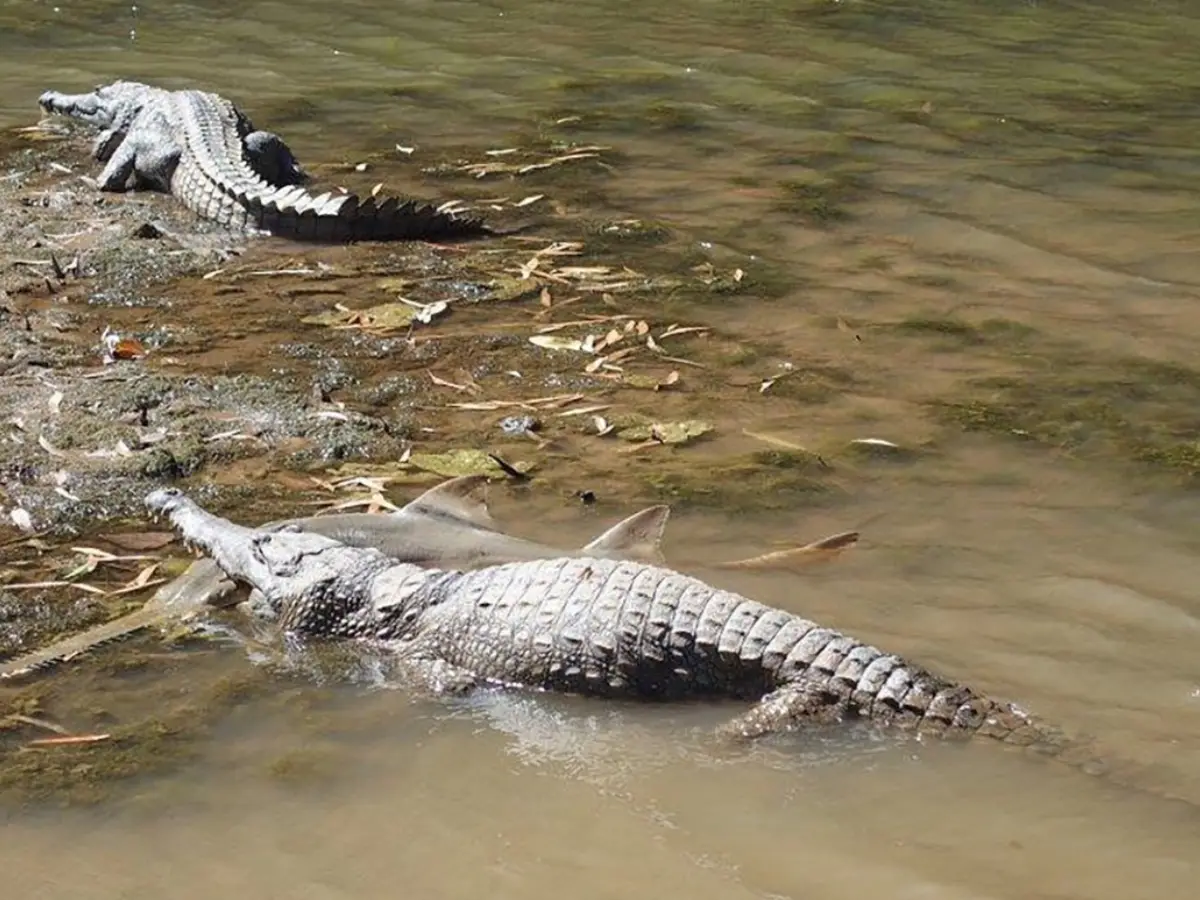)
How did an Australian river with 500 crocodiles pass the Olympic test? Here's how
)
‘Will go to any extent’: Pakistan vows to defend Saudi Arabia amid Houthi attacks
66 years of the Indus Waters Treaty: How India and Pakistan settled a bitter river dispute
)
The Verdict | When precision fails: US commits war crime in Minab school strike, UN finds
)
9 women found dead near Johannesburg: South Africans rally, demand 'enough' to femicide
)
Trump wants to rename ‘Artificial Intelligence’, gives 3 options: Which one would you pick?
)
US-Iran war: Tehran sets seven conditions to re-engage in talks with US
)
Reacher star Alan Ritchson opens up about alleged blackmail, suicide attempt during difficult period
)
Africa is splitting, and a lot sooner than estimated, giving way to a new ocean
)
Flying cars in UAE: Ras Al Khaimah signs deal with Chinese company to test new transport
)
Trump bans CNN, MS NOW and Politico from White House over ‘FAKE NEWS’
)
Trump 2.0: Dark days ahead for America’s ‘imperial presidency’
&im=FitAndFill=(700,400))
How many F-35s does Britain, Japan and Israel have?
)
Harry Brook targets long reign at top of T20I rankings after Sri Lanka sweep
)
Russia's deadly Ukraine strikes kill 2 in Sumy, hit Dnipro mall
)
Russia holds first parliamentary elections since the beginning of the Ukraine war
&im=FitAndFill=(700,400))
Meet top 5 Indian batters with fastest T20I centuries
)
Raphinha hat-trick powers Barcelona to 3-1 win over Sevilla in La Liga
)
Also Read | India secures approval for second hydropower project in Nepal, strengthening bilateral energy cooperation
Although there were few clear majorities, regional president Isabel Diaz Ayuso of the PP appeared poised to win re-election with an absolute majority in the Madrid region. "In votes the right-wing bloc expands but not dramatically. But that swing is enough to shift the centre of gravity from the left to the right," Jurado explained.
Conservative 'tsunami'
The Socialists faced significant setbacks with losses in the Valencia, Aragon, and Balearic Island regions, as well as in the traditionally Socialist stronghold of Extremadura in southwestern Spain. Javier Lamban, the outgoing Socialist president of Aragon, acknowledged defeat during a press conference, describing the election results as a "tsunami" that had swept through all Spanish regions.
Canary Islands, Valencia and Seville
Leadership in the Canary Islands will be determined through alliances, but the PSOE has limited chances of retaining power. PSOE spokesperson Pilar Alegria expressed disappointment during a press conference, stating that the results were not in line with their hopes.
Watch | Turkey Elections 2023: Erdogan back for another five years
In major cities such as Valencia and Seville, where mayoral elections also took place, the PP emerged as the favoured party. The PP also secured an absolute majority in the city of Madrid.
Barcelona, an exception
Barcelona stood as an exception among major cities, with a pro-independence party narrowly winning the most votes. To unseat the current mayor, the far-left Ada Colau, an agreement with the Socialists will be required.People's Party (Partido Popular or PP) is not Spain's pro-independence party and is known for its strong stance against regional independence movements, particularly in regions like Catalonia.
Spain election controversies
The electoral campaign was marked by various controversies, including allegations of voter fraud in small towns and an unprecedented kidnapping case. The election results indicate a return to a two-party system dominated by the PSOE and PP, following a decade of increased participation by smaller parties like the left-wing Podemos and the centrist Ciudadanos, which appear to have lost significant ground to the PP.
WATCH WION LIVE HERE You can now write for wionews.com and be a part of the community. Share your stories and opinions with us here.