&imwidth=800&imheight=600&format=webp&quality=medium "Several Republican leaders reject Trump’s call to abolish Senate filibuster")
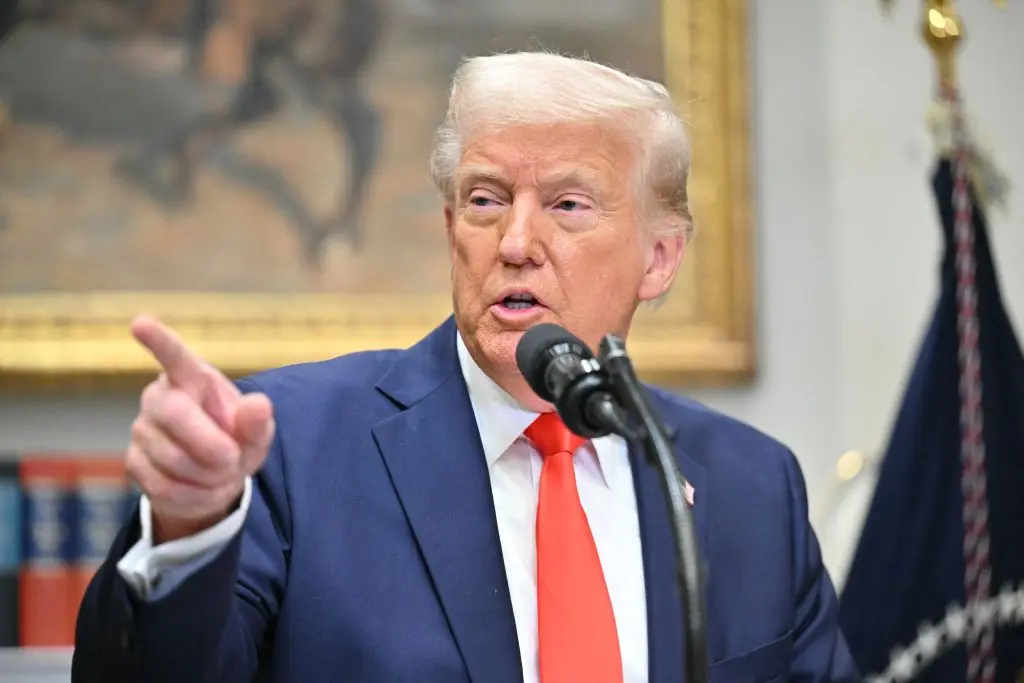
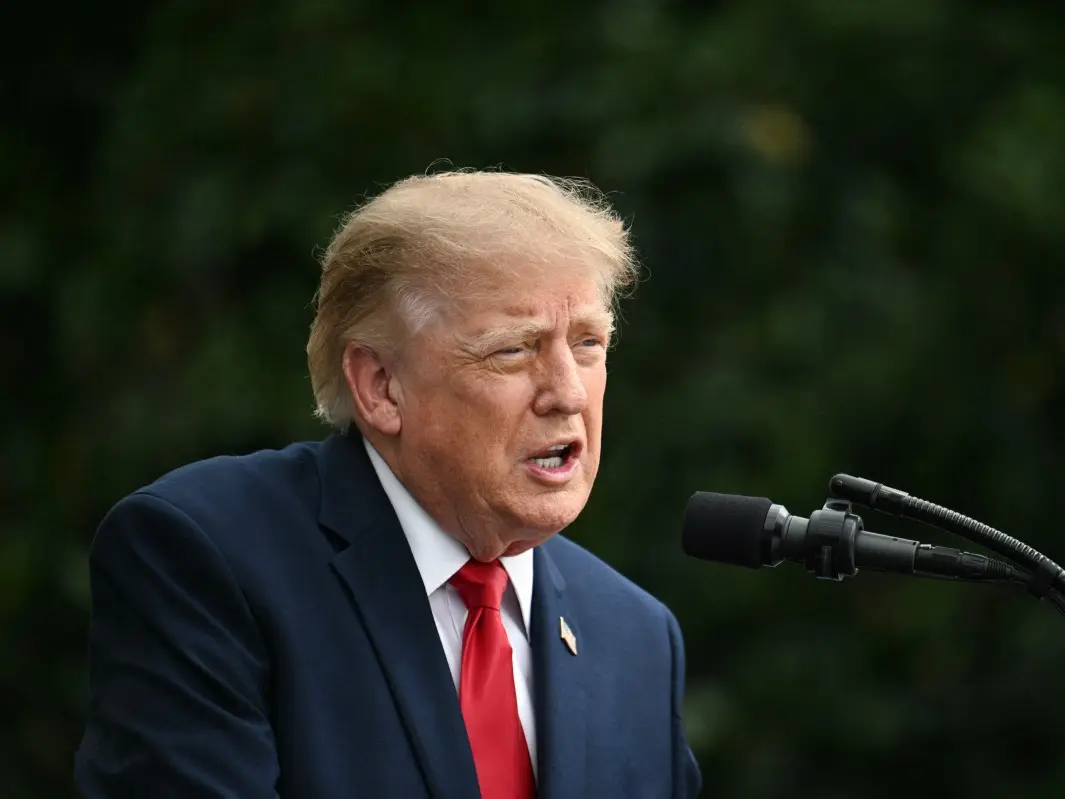
President Donald Trump’s push to Senate Republicans for abolishing the 60-vote filibuster rule in order to reopen the shuttered government without Democratic votes is facing a firm resistance from his own party leaders, a rarity for the president in his second term so far. In late-night social media posts on Thursday, Trump wrote, “It is now time for the Republicans to play their ‘TRUMP CARD,’ and go for what is called the Nuclear Option—Get rid of the Filibuster, and get rid of it, NOW!” “Well, now WE are in power, and if we did what we should be doing, it would IMMEDIATELY end this ridiculous, Country destroying ‘SHUT DOWN.’” However, the top two Republican leaders in Congress are showing no interest in taking the unprecedented step of ending the legislative filibuster.
Also Read: ‘Usha has no plans to convert…’: JD Vance clarifies after backlash over his remarks on wife’s faith
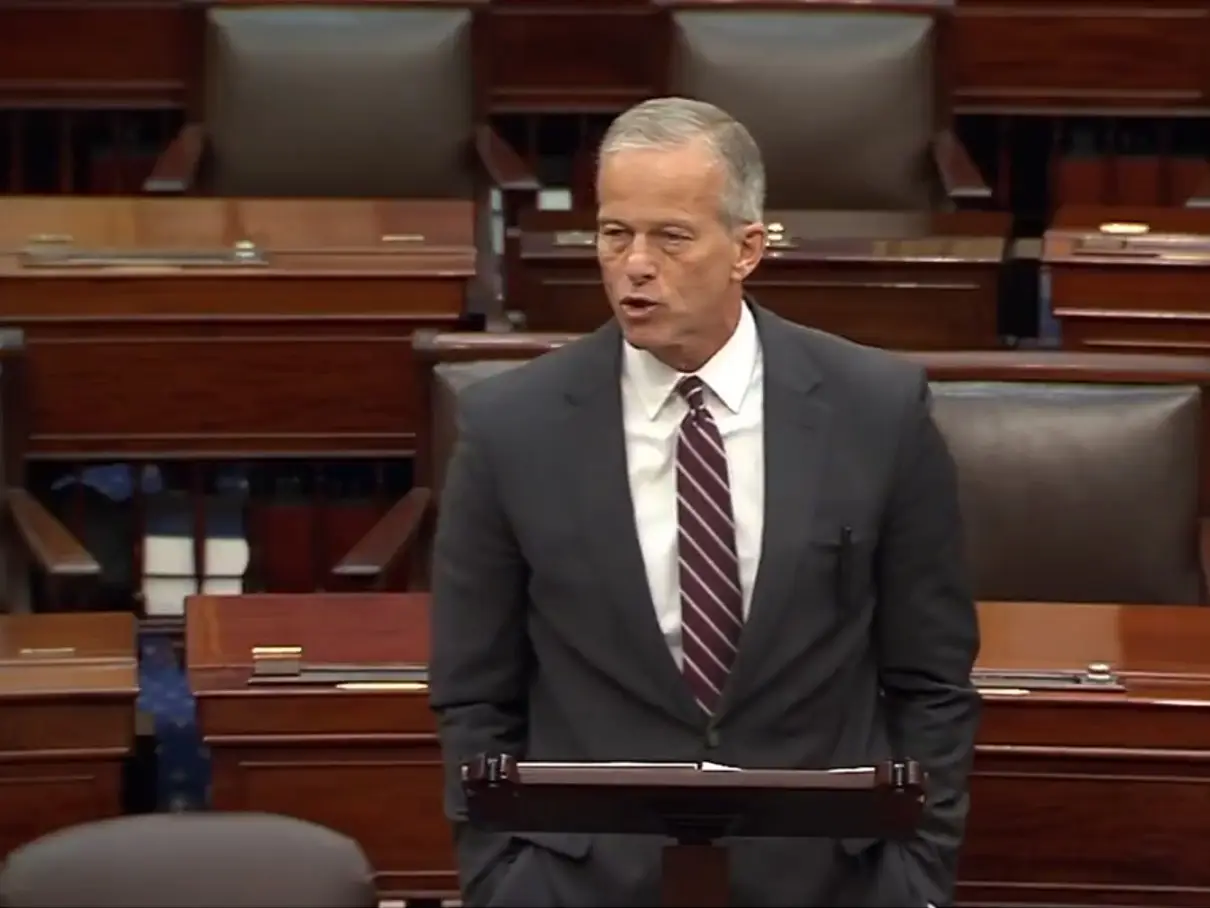
In perhaps the clearest possible signal to the White House that Senate Majority Leader John Thune would not change Senate rules to end the already 31-day stalemate, a spokesman said the Republican leader remained unmoved.

“Leader Thune’s position on the importance of the legislative filibuster is unchanged,” Thune spokesperson Ryan Wrasse said.
Even House Speaker Mike Johnson—who rarely breaks with Trump in public—was cautious about keeping the filibuster intact.
‘Filibuster a very important safeguard’: Speaker Mike Johnson
Trending Stories
)
Iran sets 7 conditions to end war with US: What are Tehran’s demands?
)
Man breaks open wall hiding hundreds of books since 15 years
)
Mark Carney mimics Trump in hilarious moment over C$70 billion clean-energy investment; room erupts in laughter
)
Kampala-Ankara rift deepens: Uganda suspends military ties, seeks Fred Lumbuye's extradition
)
Harry Brook targets long reign at top of T20I rankings after Sri Lanka sweep
)
Russia's deadly Ukraine strikes kill 2 in Sumy, hit Dnipro mall
&im=FitAndFill=(700,400))
Meet top 5 Indian batters with fastest T20I centuries
)
Nigeria: Protesters take to the streets, police fire shots
)
Flying cars in UAE: Ras Al Khaimah signs deal with Chinese company to test new transport
)
‘Will go to any extent’: Pakistan vows to defend Saudi Arabia amid Houthi attacks
)
Several petrol pumps, other businesses to refuse UPI payments above Rs 2,000 from Oct 16: Is it legal?
)
Saudi vs Houthis: Houthis claim missiles & drones used in attack on key Saudi sites
)
US-Iran war: Tehran sets seven conditions to re-engage in talks with US
)
Trump 2.0: Dark days ahead for America’s ‘imperial presidency’
)
Delhi voter roll shake-up: 3.31 million electors flagged in SIR review
)
Gaza under attack: Health chief's son killed in IDF strikes
)
AI actress Tilly Norwood glitches mid-interview, switches from English to Chinese | Watch
)
Arvind Kejriwal, family members, Delhi CM Rekha Gupta get SIR notices
)
China may have gained access to US's classified F-35 jets; parts meant for repairs diverted to Hong Kong, sparking Pentagon inquiry
&im=FitAndFill=(700,400))
How many F-35s does Britain, Japan and Israel have?
)
West Indies Squad for India Series: Hetmyer included for T20Is, Holder rested
)
The Verdict | When precision fails: US commits war crime in Minab school strike, UN finds
)
Ed Sheeran addresses Macklemore's removal, Gaza conflict during Philadelphia concert: 'I cannot hide how I feel'
)
‘End of my career...’: NSA Doval recalls tense Sikkim mission when China captured Indian intelligence team
)
Reacher star Alan Ritchson opens up about alleged blackmail, suicide attempt during difficult period
)
Aravana prasadam shortage at Sabarimala temple in Kerala triggers protests, TDB questioned
)
Nepal forms 7-member panel to probe August 26 Bhotekoshi flood from source to downstream
)
Trump defends AI amid growing alarm, announces new 'AI force' and promises an 'AI czar'
66 years of the Indus Waters Treaty: How India and Pakistan settled a bitter river dispute
)
Report: Iran rebuilding Taleghan 2, nuclear site tied to past weapons research, hit twice by Israel
)
Africa is splitting, and a lot sooner than estimated, giving way to a new ocean
)
Russia holds first parliamentary elections since the beginning of the Ukraine war
)
Trump announces ‘AI Force’ as debate grows over AI risks and regulation
)
Russia-Europe tensions: Polish PM warns Russian attacks could test NATO's unity
&im=FitAndFill=(700,400))
‘Not the US or China’: These are the countries leading the world in arable land
)
EXCLUSIVE | Singer Hanita Bhambri on her Toxic debut, working with Vishal Mishra and more
)
Trump bans CNN, MS NOW and Politico from White House over ‘FAKE NEWS’
)
US-Iran war: Tehran draws red lines — seven demands before any peace talks
)
9 women found dead near Johannesburg: South Africans rally, demand 'enough' to femicide
)
“The filibuster has traditionally been used as a very important safeguard,” Johnson said, noting that his opinion is “not relevant” since it is a Senate-only issue. But he warned that Democrats would use the move to pass extreme measures the next time they control the upper chamber and said that Trump’s late-night Truth Social post on the filibuster was an “expression of the president’s anger at this situation.”
Senate Republican leaders have been candid in their support for the 60-vote rule to pass most bills.
The new Majority Leader, John Thune, had promised shortly after the 2024 election that the legislative filibuster would remain unchanged on his watch.
‘Power changes hands, but principles shouldn’t’
In a post on X, Sen. John Curtis, R-Utah, said on Friday that he was a “firm no” on getting rid of the filibuster. “The filibuster forces us to find common ground in the Senate,” Curtis said. “Power changes hands, but principles shouldn’t. I’m a firm no on eliminating it.”
The talk about the filibuster started on Capitol Hill even before Trump’s comments when Sen. Bernie Moreno, R-Ohio, appeared on Fox News soon after the shutdown started and urged his party to eliminate the filibuster.
However, various Republican leaders have voiced opposition to the move, including Moreno’s fellow Ohio senator.
Sen. Thom Tillis, R-N.C., who asserted that he would resign from the Senate on the same day if Republicans abolish the filibuster, said he doesn’t expect it to be nixed. He recalled that Trump wanted the GOP to eliminate the 60-vote threshold in his first presidential term also in order to pass his agenda.
“We stood firm there. “I can’t imagine anybody changing now,” Tillis said earlier.
Also Read: Trump sets refugee cap at record low of 7,500, mostly for Afrikaners, in huge cut from Biden era
The filibuster rule is unique to the Senate, and it gives the minority the power to block a bill from coming up for a vote as long as at least 41 senators oppose it. Since one party rarely wins more than 60 seats, proponents have argued that the filibuster encourages compromise and makes it more difficult to enact massive partisan reforms.
WATCH: How the White House runs during a US shutdown