Qatar the peacemaker attacked twice by rivals in regional war. Time to reset its global role?

&imwidth=600&imheight=450&format=webp&quality=medium "Qatar the peacemaker attacked twice by rivals in regional war. Time to reset its global role?")
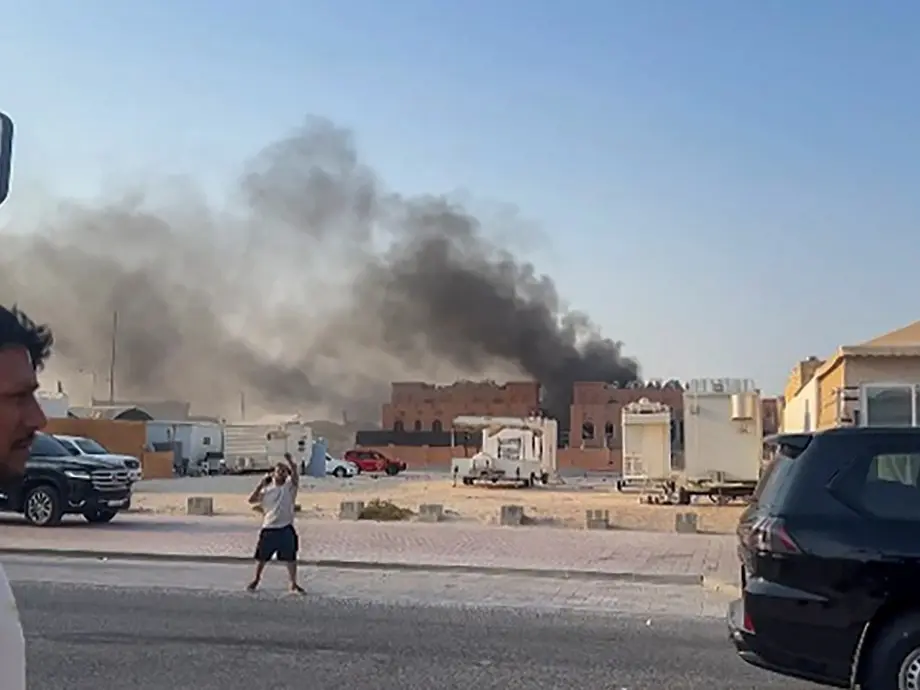
Smoke billows from a building after Israel attack in Doha targeting Hamas leaders Photograph: (AFP)
Qatar has been plays a key key role in mediating Middle East conflicts. But recent Iranian and Israeli attacks, including a strike on Hamas negotiators in Doha, have exposed its vulnerability despite US military presence. Its diplomatic clout now risks endangering citizens and expats
In my school days, I was taught a story about a wolf which watches two goats fight and drinks blood from both. Qatar, a tiny Gulf Arab nation, has been a peacemaker and its state-backed channel Al Jazeera has been a ringside spectator of the conflicts in the Middle East. The recent attacks, first from Iran and now from Israel, shows that Qatar is not having the same good fortune as the wolf. It has been the host of the political office of Hamas, whose peace negotiators were the target of the air strike on Tuesday (Sep 9). For all its efforts, Al Jazeera has seen its journalists being killed. Reportage has become dangerous to life and limb for them, with several moving out of Gaza and being ousted from Israel. The peacemaker-spectator role is becoming costly for Qatar. Is it time for it to reset its role in international affairs?
What happened to Hamas leadership in the Israeli attack in Qatar?
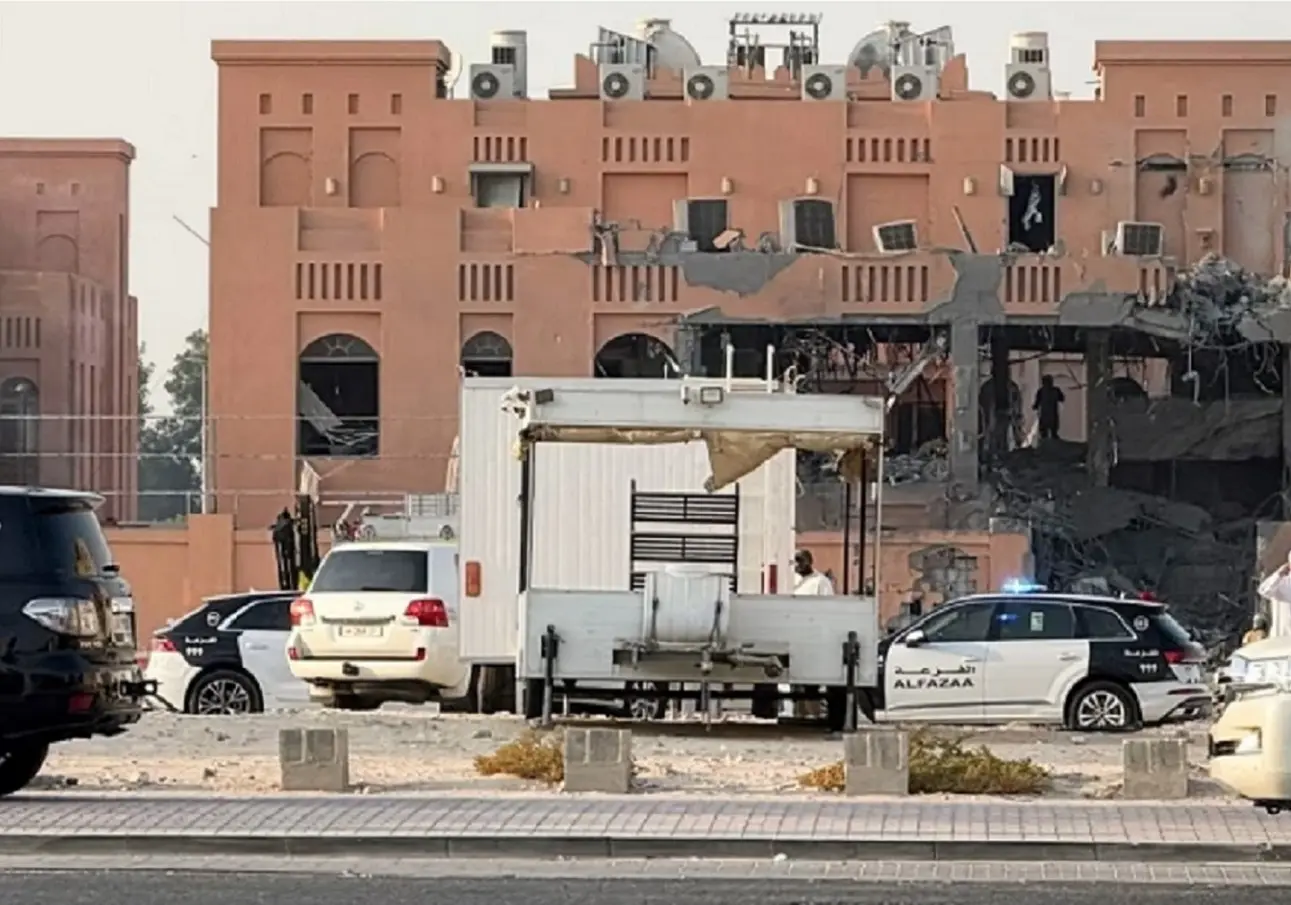
At least six people were killed in Doha on Tuesday when Israel targeted the Hamas peace negotiators huddled in the Qatari capital to examine an American ceasefire proposal. Those who died included guards and a child of a Hamas negotiator, while the main team, the intended target, escaped unharmed. For Israel, whose Prime Minister Benjamin Netanyahu directed the operation even without sharing prior information with its main ally, the US, it was still considered a victory. It was a warning that, if it wanted, Israel could try to take out Hamas leadership in foreign nations. But for Qatar, it might have been a rude wake-up call. Doha hosts many foreigners. The target area had schools, and the attack happened soon after school time was over. Qatar has a responsibility to take care of its residents. And it does not have the military capacity on its own to directly confront the might of Israel.
Also read: Where is Qatar? How tiny Arab nation went from a clout builder to target of Iranian attack
Targeting of Al Jazeera journalists: Killing the messenger
During the Gaza war, at least two Al Jazeera journalists were killed. In the recent flare-ups, several other journalists from Al Jazeera have been injured or had to flee. Israel also ousted journalists from the channel from its territory. Al Jazeera had been the voice of the other side in the Hamas-Israel war, focused on the humanitarian crisis and alleged starvation of Palestinians. But the Doha-based channel is now unable to function to the extent it used to.
Trending Stories
)
)
)
)
)
)
)
)
)
)
)
)
)
)
)
)
)
)
&im=FitAndFill=(700,400))
)
)
)
&im=FitAndFill=(700,400))
)
&im=FitAndFill=(700,400))
&im=FitAndFill=(700,400))
)
Qatar was hit by Iran in response to US-Israel attacks on its nuclear sites
The shocking strike of Tuesday renewed memories of the June attack by Iran targeting the American-operated Al Udeid Air Base in Qatar. That was in response to US-Israeli attacks on Iranian nuclear sites at the height of regional tensions. The Israeli attack rounds up this cycle: Qatar has now been hit by both sides of the Middle East conflict.
Qatar’s clout had grown in recent years, but it could be a burden for its citizens
Qatar had gained significant geopolitical influence through diplomacy, mediation in global conflicts, and media power mainly through Al Jazeera. However, this clout is proving to be a danger to its citizens and expatriate residents.
Rich in natural gas and hosting the US base, Qatar has long held strategic value for the West. Despite its tiny size, it plays a large role in regional diplomacy and conflict mediation, including in Afghanistan, Gaza, Ukraine, and Sudan. Qatar was a neutral mediator in conflicts involving the US, Taliban, Israel-Hamas, and Russia-Ukraine, earning a reputation as a reliable peace broker.
But both the Israeli and Iranian attacks are raising a question for Qatar: Will it be able to protect its population of around 3.1 million, nearly 88 per cent of them foreigners, a large portion being Indian expatriates?
Punching beyond its weight: The costs of influence peddling
Qatar’s assertive foreign policy, punching beyond its weight, and ties with groups like the Muslim Brotherhood and Iran led to a 2017–2021 boycott of the nation by fellow Arab countries Saudi Arabia, UAE, Egypt, and Bahrain. They accused Qatar of supporting terrorism, and severed trade, travel, and diplomatic relations.
Al Jazeera network’s support for democratic movements during the Arab Spring and its critical reporting had already drawn ire from other Arab regimes.
Qatar in the line of fire
The June 24 Iran attack on the US air base was the first time Qatar was directly targeted in a regional war. Israel’s strike of Tuesday is the second. These incidents raise questions about the future safety of Qatar, despite hosting US forces.
Qatar’s rise as a diplomatic and media power has boosted its international standing. The same is now making the nation vulnerable to regional rivalries and conflicts. The peacemaker has become the target. Will it be as lucky as that wolf?