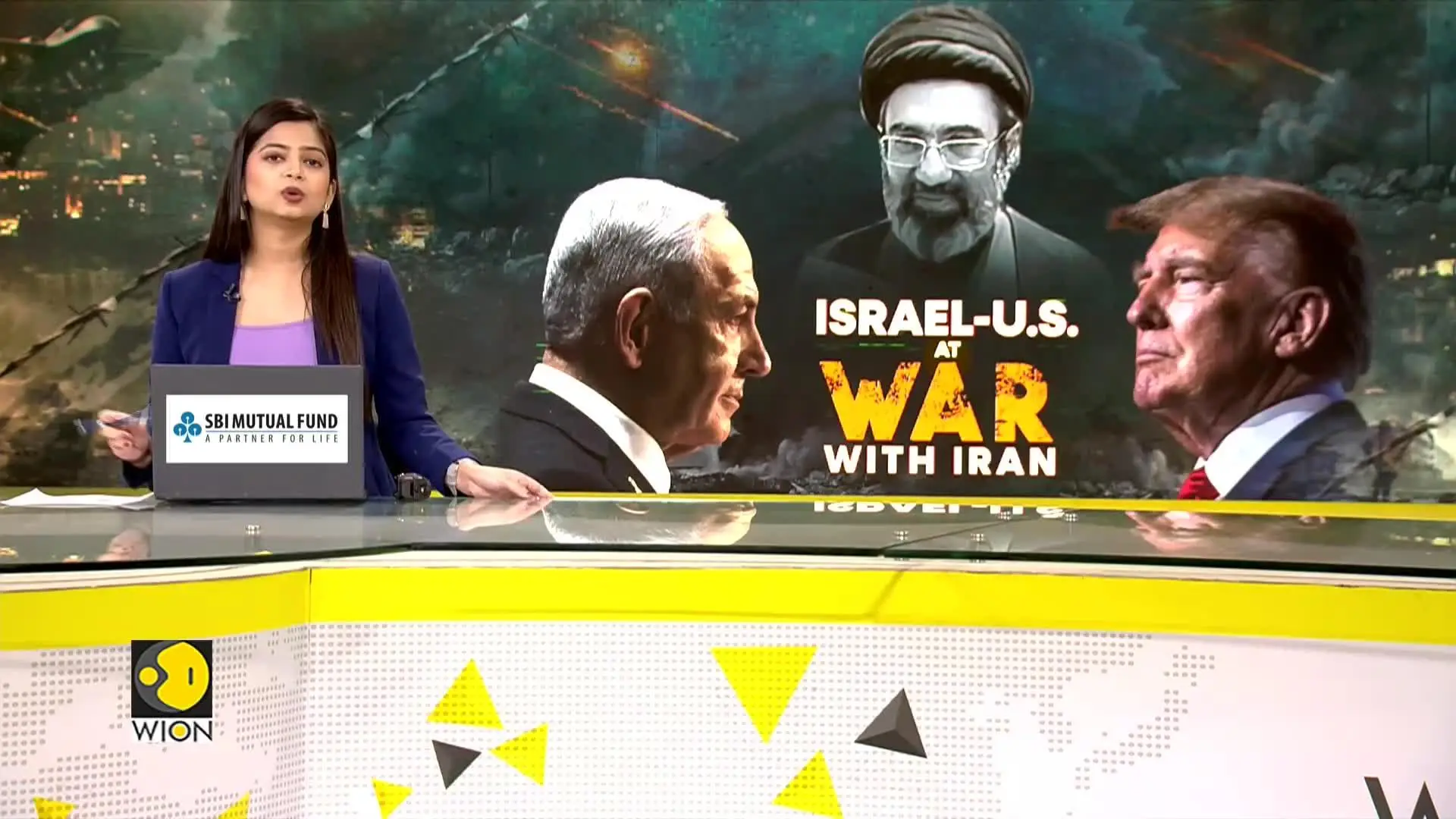
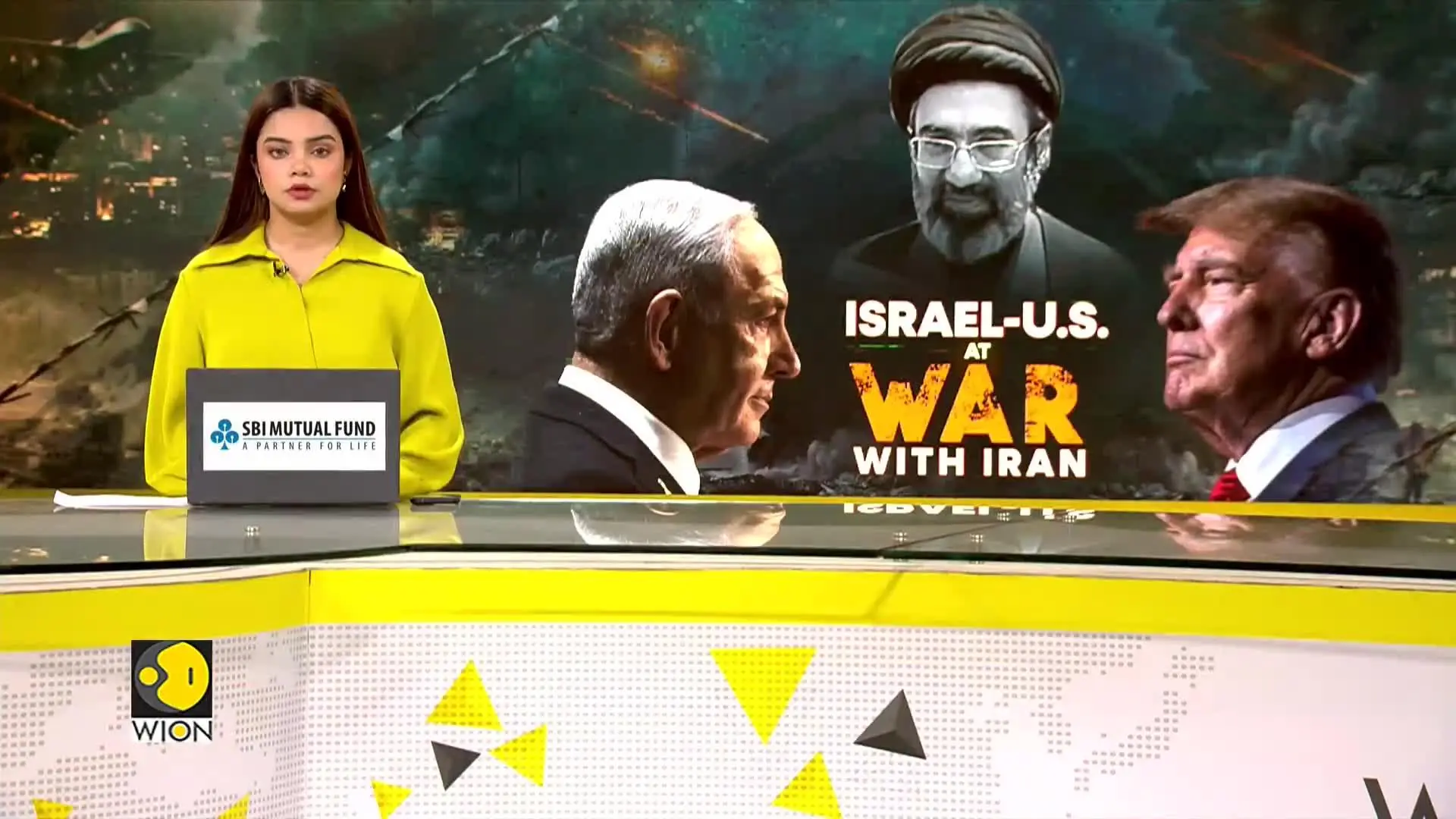
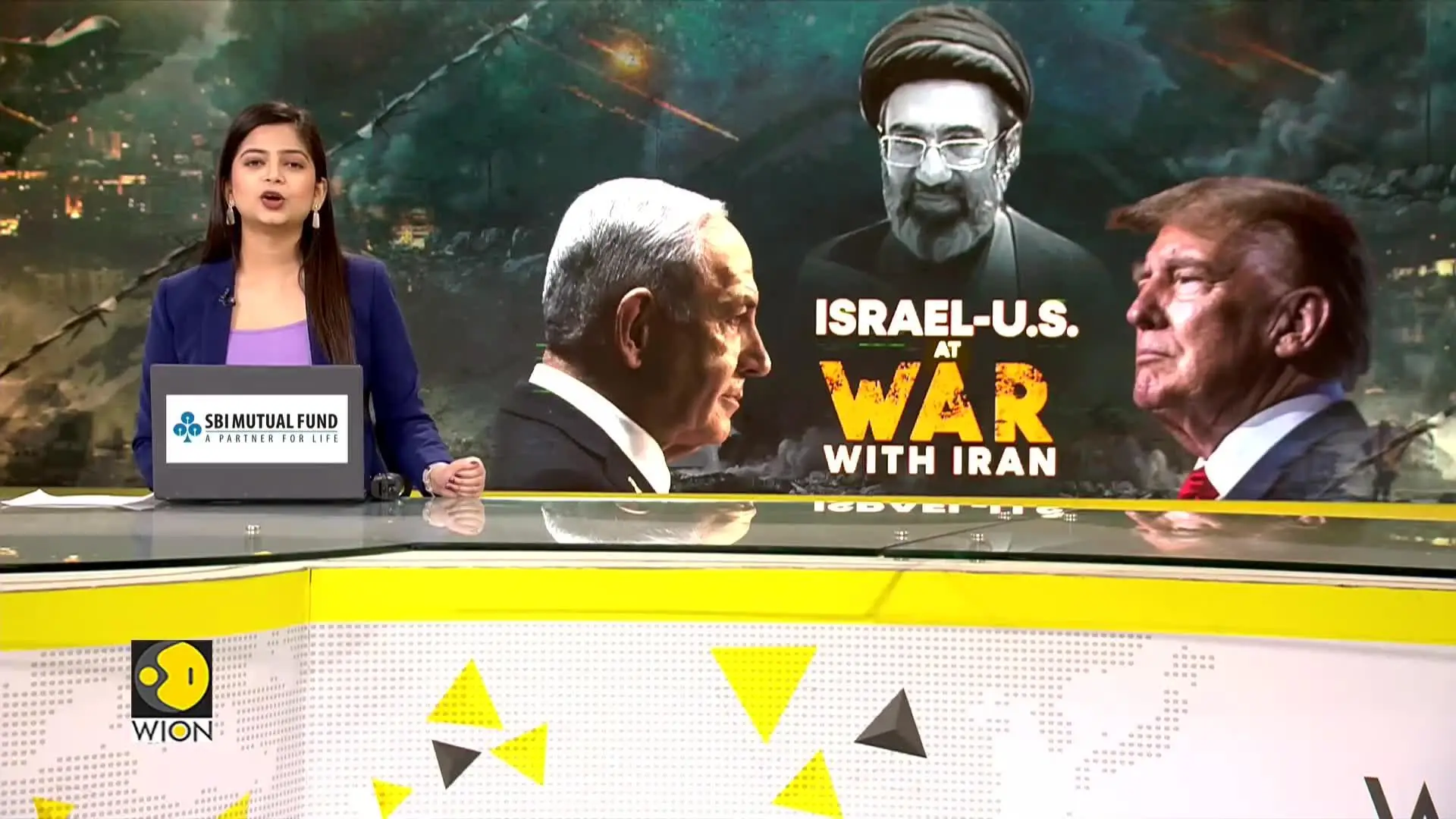
No smoking gun? How US intel assessment of no Iran nuclear weapon threat is eerily similar to the run-up to Iraq invasion of 2003

&imwidth=600&imheight=450&format=webp&quality=medium "No smoking gun? How US intel assessment of no Iran nuclear weapon threat is eerily similar to the run-up to Iraq invasion of 2003")
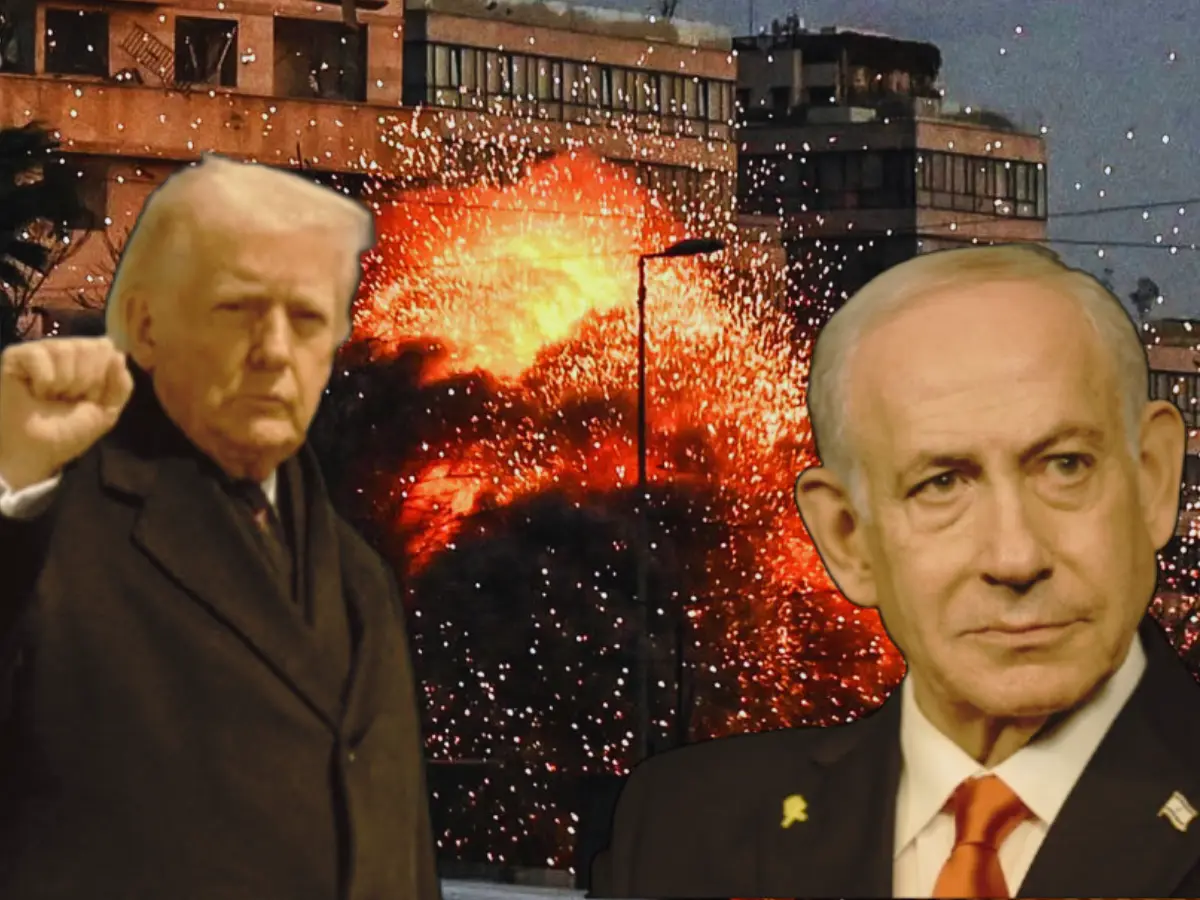
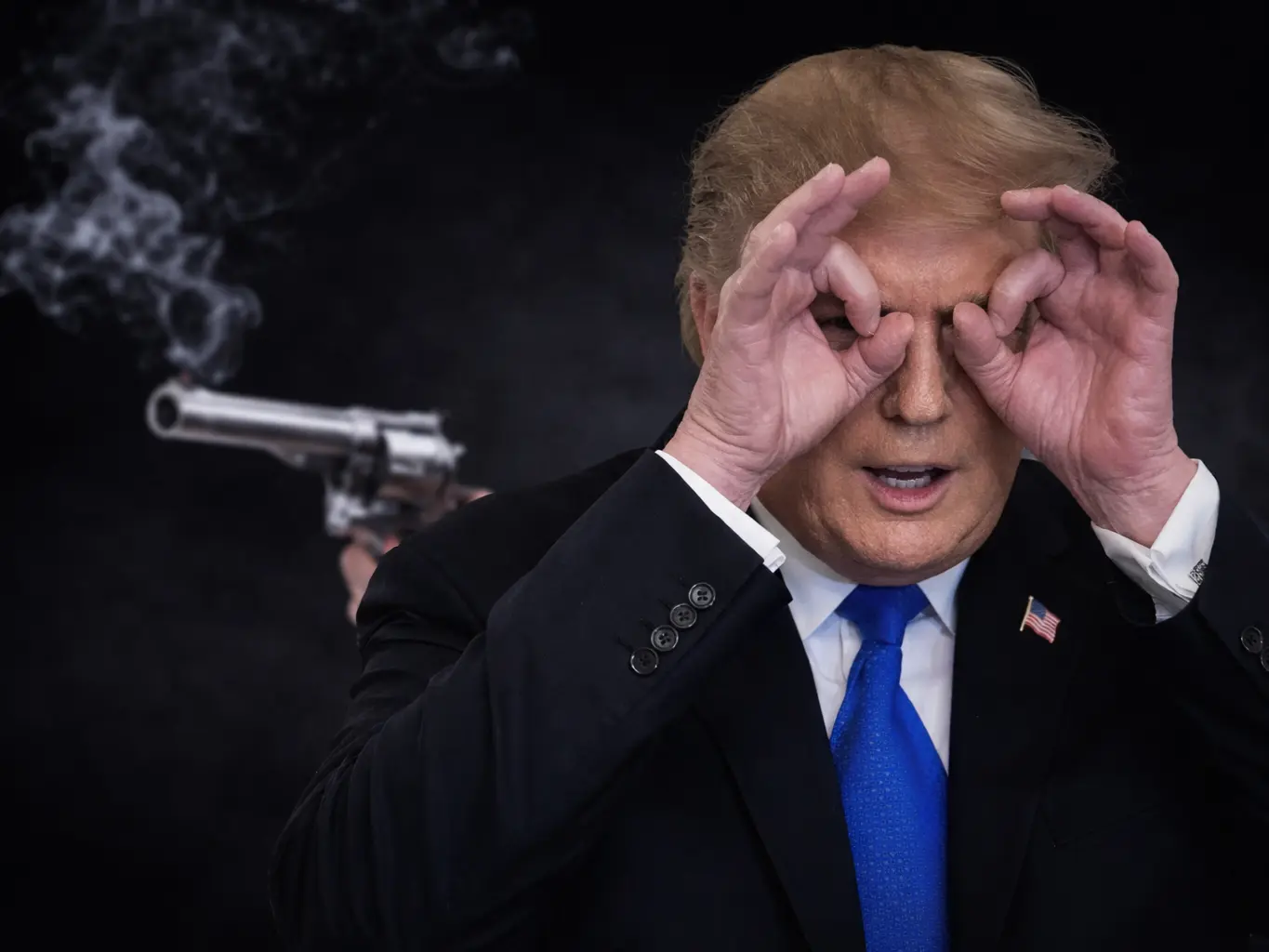
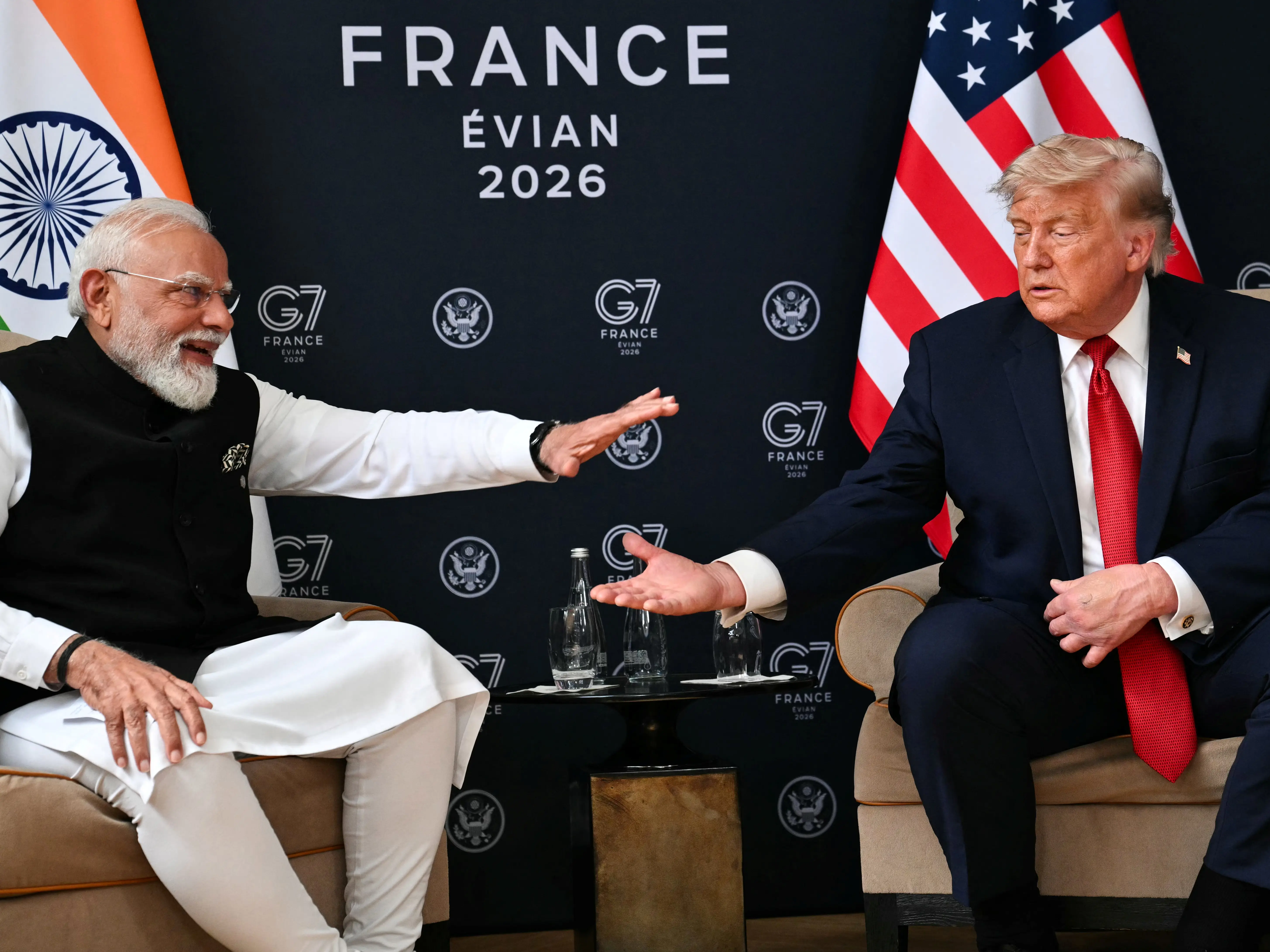
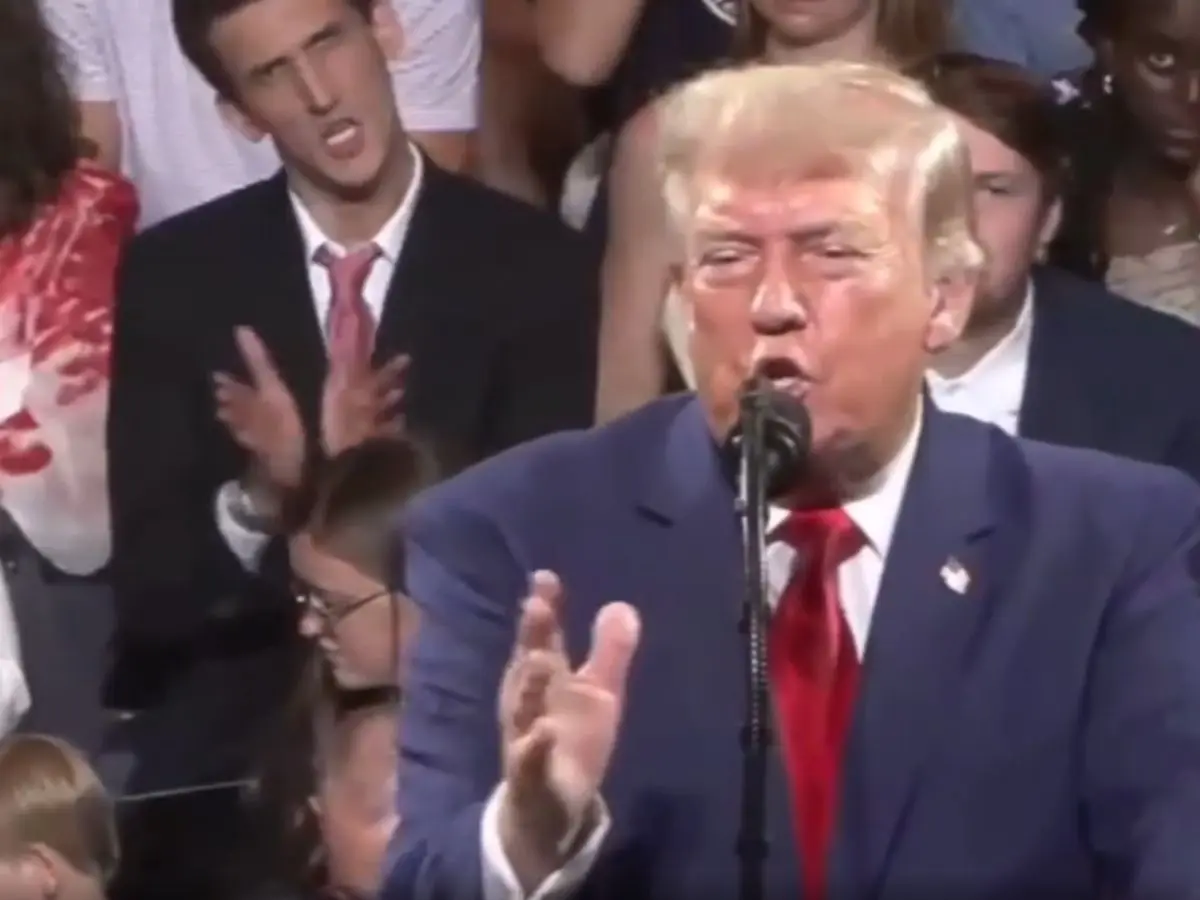
Trump and his administration are looking for justifications for attacking Iran and a potential invasion. Photograph: (Others)
Iran war situation is increasingly turning similar to the Iraq invasion runup: US intelligence says Iran halted nuclear activity after 2025 strikes, contradicting Trump's war rhetoric. Flawed WMD claims were used in 2003 to justify the invasion of Iraq
The 2003 Iraq Weapons of Mass Destruction claims and the current Iran nuclear weapon justification share a clear parallel in pattern: A US president and administration publicly citing an active threat as the rationale for military action, despite US intelligence assessments saying otherwise. History is repeating in several ways. Here is how:
Iraq 2003: The "smoking gun" that wasn't
In the run-up to the March 2003 invasion of Iraq, the George W Bush administration claimed that the country possessed active chemical or biological weapons stockpiles, a reviving nuclear programme, and mobile production labs, with links to terrorism. The most famous public presentation was Colin Powell's February 5, 2003, UN Security Council briefing. The then Secretary of State displayed photos, diagrams, and defector testimony as a "smoking gun" proving that Iraqi ruler Saddam Hussein was hiding WMDs and reconstituting banned programmes. Words and phrases like 'aluminium tubes for centrifuges' and 'yellowcake uranium' were thrown in for good measure. President Bush warned of "mushroom clouds" and an imminent threat.
Soon, the US invaded Iraq, starting a war that resulted in the removal of the Hussein regime, his trial and hanging.
Post-invasion reality of Iraq: Where were the WMDs?
Trending Stories
)
)
)
)
)
)
)
)
)
)
)
)
)
)
)
)
)
)
)
)
)
)
&im=FitAndFill=(700,400))
)
)
)
&im=FitAndFill=(700,400))
)
Several reviews after the invasion, including the Iraq Survey Group report of 2004, found no WMD stockpiles or active programmes. Iraq's WMD capabilities had been dismantled after the 1991 Gulf War. It emerged that intelligence had been cherry-picked, exaggerated, and unreliable sources like dissidents and exiles overtly relied upon.
It was releaved that even some internal US assessments and IAEA findings that had raised doubts about going into war with Iraq were sidelined.
US official inquiries later said the Bush administration misled the public and the US Congress on the urgency of the invasion and the existence of the threat.
What the US intelligence assessment said about Iran nuclear weapon threat
In an eerie repeat of the 2003 events, the current US intelligence assessment is that Iran did not resume uranium enrichment activities—which are required for building a nuclear bomb—since the US and Israeli strikes during the 12-Day war of June 2025. In Operation Midnight Hammer, the US air strikes that ended that war, Iran's nuclear sites at Fordow, Natanz and Esfahan were razed, with President Donald Trump and his aides claiming to have "obliterated" the enrichment programme.
On Wednesday (Mar 18), in sworn testimony to the Senate Intelligence Committee, US Director of National Intelligence Tulsi Gabbard said, “As a result of Operation Midnight Hammer, Iran’s nuclear enrichment program was obliterated. There has been no efforts since then to try to rebuild their enrichment capability.” The intel assessment said that entrances to underground facilities were "buried and shuttered with cement".
Gabbard confirmed no rebuild efforts occurred in the intervening months from Iran, directly undercutting one of President Trump's central public justifications for the ongoing war.
This is what she said in her written testimony, but in oral remarks, Gabbard softened or omitted the "no efforts/no rebuild" language. This prompted Democratic senators to accuse her of avoiding direct contradiction of the president.
Boots on the ground in Iran?
In spite of this divergence of assessment within the administration, there is a likelihood that the US would go for an invasion of Iran, similar to what it did against Iraq in 2003. Trump is reportedly mulling sending over a thousand specialist marines to Iran, as the decapitation strikes appear to have failed in bringing Iran to its knees.
A section of the US administration appears to think that a ground invasion is required to ensure Strait of Hormuz security, create buffer zones, and secure any remnant nuclear material.
Similar to Iran, the 2003 Iraq war had started with air strikes before becoming a US-led ground invasion and occupation.
Building the narrative: Iran and the bomb
The US Operation Epic Fury launched on February 28 against Iran came after days of Israeli and American claims that Tehran was very close to building a nuclear bomb. Trump repeatedly claimed Iran was "starting it all over", attempting to rebuild its nuclear programme, and posed an imminent threat. Clearly, public rhetoric is outshining the government's own intelligence.
Iran war turns murkier with counterterror centre chief's resignation, blaming Israel
In his letter of resignation as National Counterterrorism Center director this week, Joe Kent explicitly said Iran did not pose any imminent threat to the US. He wrote that Israel is misleading the US into the war, the same way he alleged it had done for Iraq.
Kent, who said he could not support the ongoing conflict in good conscience, is facing investigations for allegedly leaking classified material.
This is similar to how critics of the Iraq war alleged external influences, including from unreliable exiles and faulty intelligence from allies. The narrative was carefully built in spite of internal doubts.