'World’s largest natural gas field': What is South Pars gas field shared by Iran and Qatar?

South Pars holds an estimated 14 trillion cubic meters of gas and eighteen billion barrels of condensate. That’s more than 40 percent of Iran’s proven gas reserves and nearly eight percent of the world’s total.
A Giant Beneath the Persian Gulf
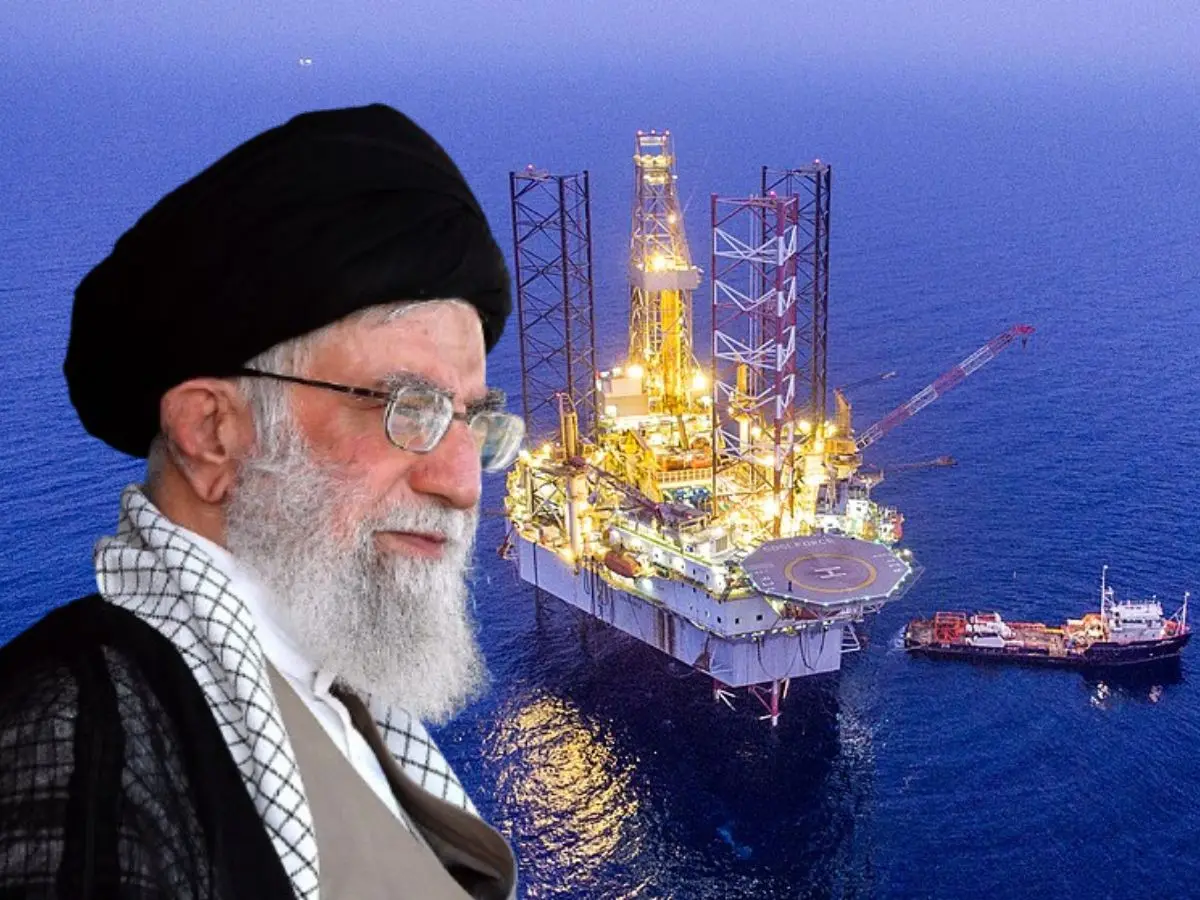
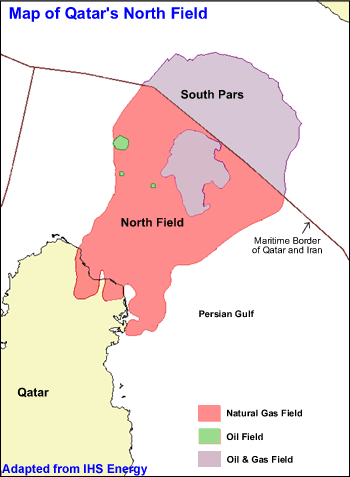
South Pars is the largest natural gas field in the world, straddling the maritime border between Iran and Qatar in the Persian Gulf. Known as South Pars on the Iranian side but North Dome in Qatari waters, this offshore field holds an immense volume of natural gas and condensates, making it a linchpin of both nations’ energy sectors and a significant factor in global hydrocarbon dynamics.
Discovery and Structure
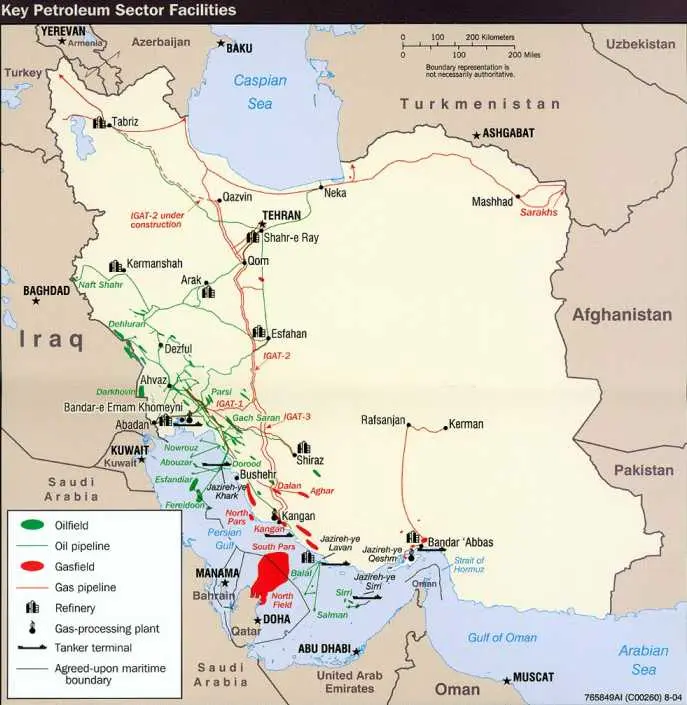
The field was first discovered in 1990 and later confirmed to extend across both Iranian and Qatari waters. It is located 62 miles offshore in the Persian Gulf and covers an area of 9,700 square kilometers, of which 3,700 square kilometers (South Pars) is in Iranian territorial waters and 6,000 square kilometers (North Field) is in Qatari territorial waters. South Pars is developed in multiple phases, often cited as 24 in total, with production facilities designed to extract both natural gas and condensates, critical for domestic consumption and industrial use.
Reserves and Economic Importance
South Pars holds an estimated 14 trillion cubic meters of gas and eighteen billion barrels of condensate. That’s more than 40 percent of Iran’s proven gas reserves and nearly eight percent of the world’s total. According to Reuters, the entire reservoir contains an estimated 1,800 trillion cubic feet of usable gas which is enough to supply the entire world's needs for 13 years, or to generate enough electricity to supply the US for more than 35 years.
Production and Output
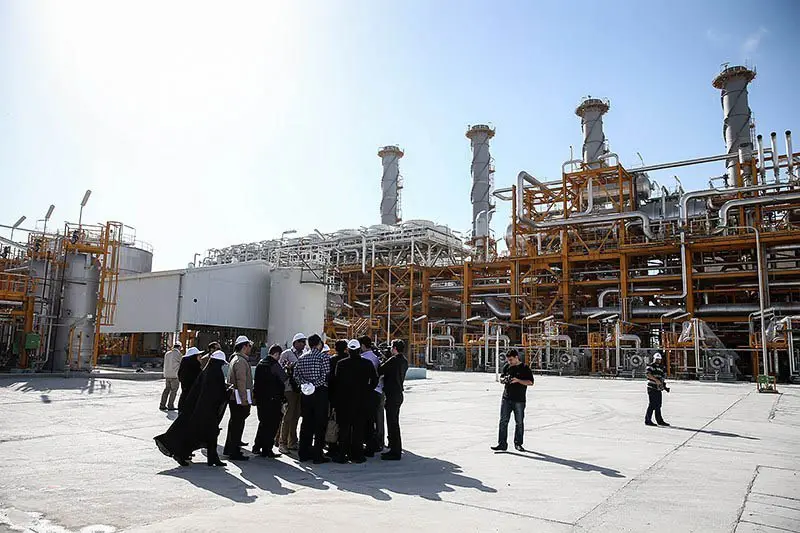
Qatar has brought in international firms and used the field to become the world's largest exporter of liquefied natural gas (LNG). On the Iranian side, South Pars supplies a large proportion of the country’s gas, with reports of daily production reaching over 700 million cubic metres. This output is central to meeting Iran’s domestic energy needs, as much of the gas produced is consumed internally due to export restrictions from international sanctions.
Infrastructure and Development
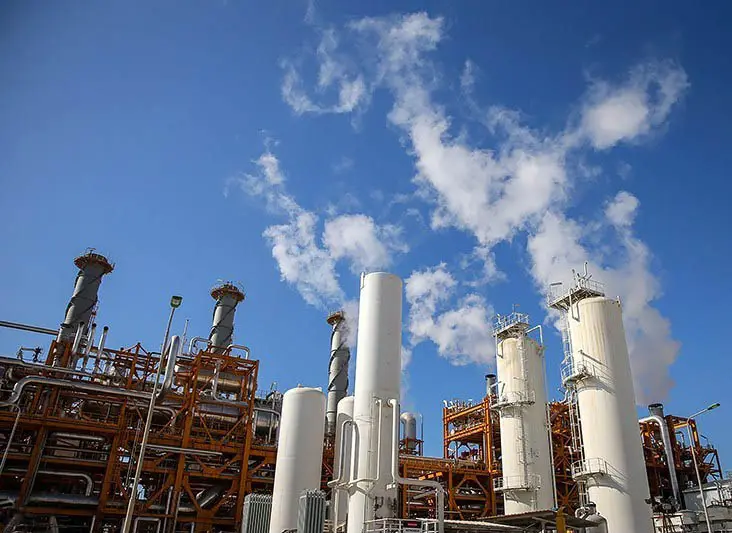
The state-owned National Iranian Oil Company (NIOC) is responsible for all upstream oil and natural gas projects of Iran. The South Pars development project has been managed by Pars Oil and Gas Company (POGC), a subsidiary of NIOC. According to reports, Iran's oil production was at its peak in the 1970s, with record output of 6 million bpd in 1974, according to OPEC data. This amounted to more than 10 per cent of world output at the time.
Recent Conflict and Disruption
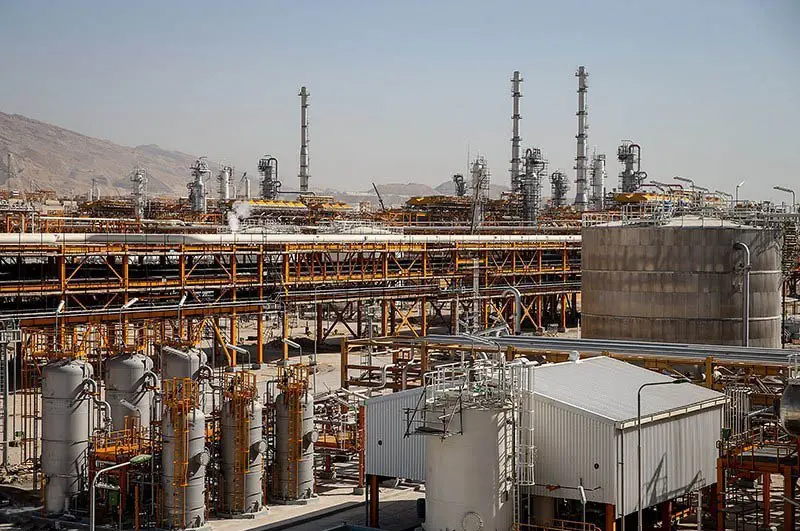
In June 2025, Iran reported a partial suspension of gas production at South Pars after an Israeli strike caused a fire in one of the field’s processing units, halting output from that segment. According to Atlantic Coincil, “Despite this immense resource, South Pars remains significantly underutilized due to international sanctions, underinvestment, and outdated infrastructure. Although Tehran launched a seven billion dollar initiative in March 2025 to sustain pressure levels in the aging field, the scale of South Pars demands much more: international partnerships, modern technology, and access to global markets.”
Strategic and Global Impact
South Pars is not only vital to Iran and Qatar but also to global energy markets. Disruptions at South Pars therefore reverberate beyond the region, influencing energy prices and strategic calculations worldwide
)
)
)
)
)