Why the specialized paint on an S-400 costs thousands of dollars per truck

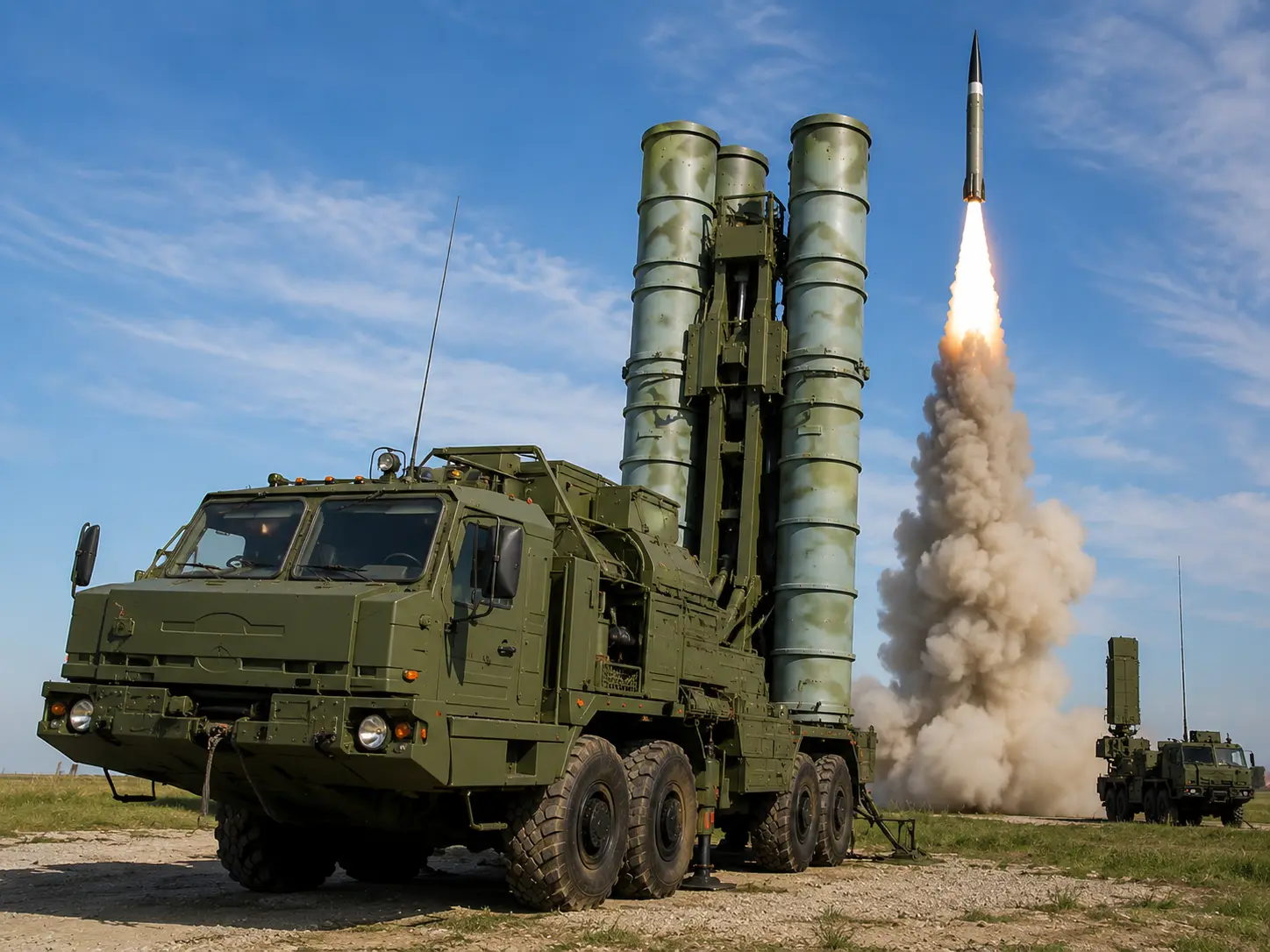
The S-400 uses expensive radar-absorbing paint to reduce its radar cross-section and thermal signature. This stealth coating features magnetic fillers and antistatic properties to protect electronics.
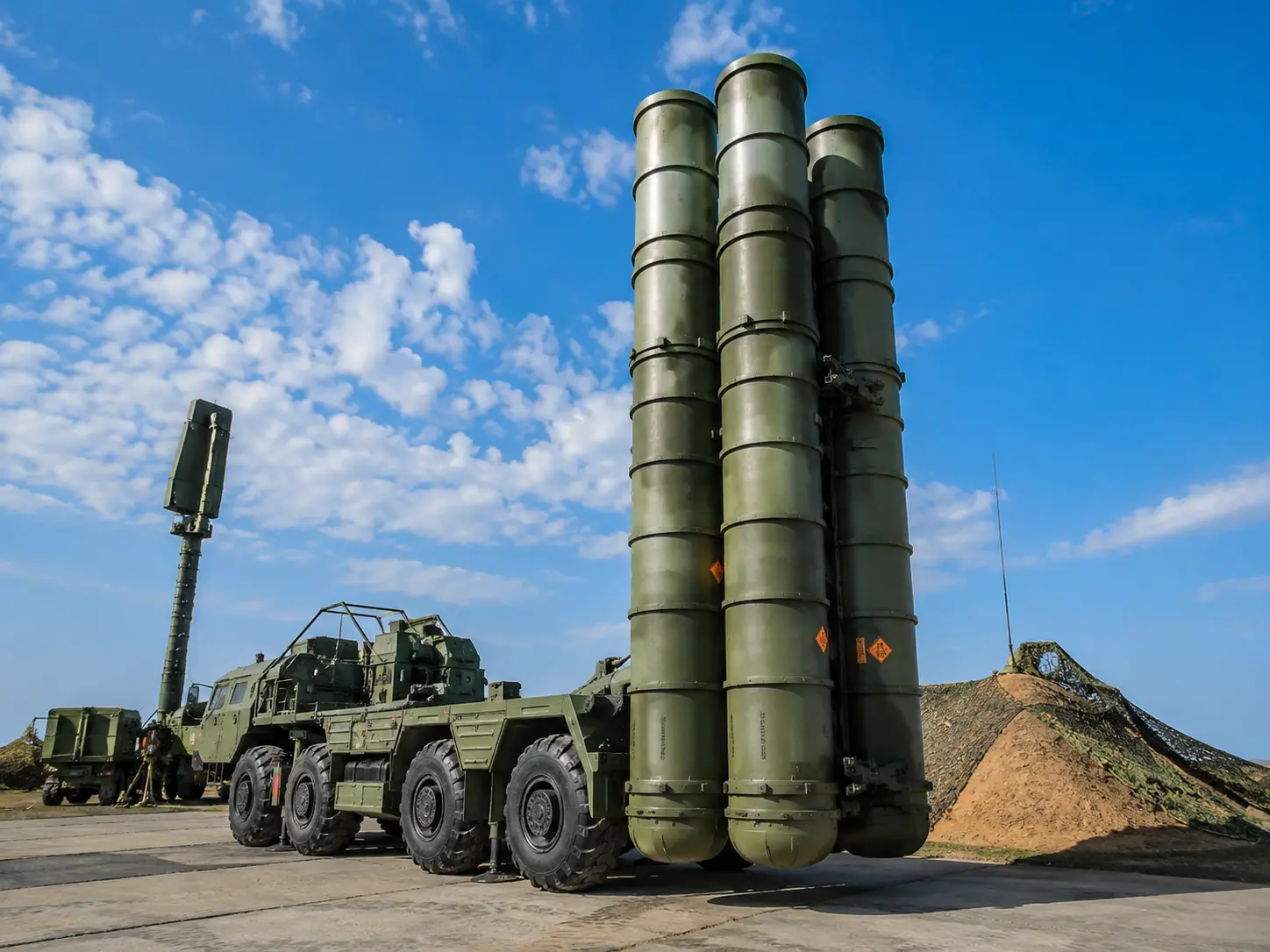
Up to 90 Per Cent Absorption
High-value military assets use radar-absorbing materials to significantly reduce their radar cross-section. These advanced coatings are designed to convert incoming electromagnetic radar energy into minute amounts of heat. This makes large missile trucks much harder for enemy surveillance to detect.
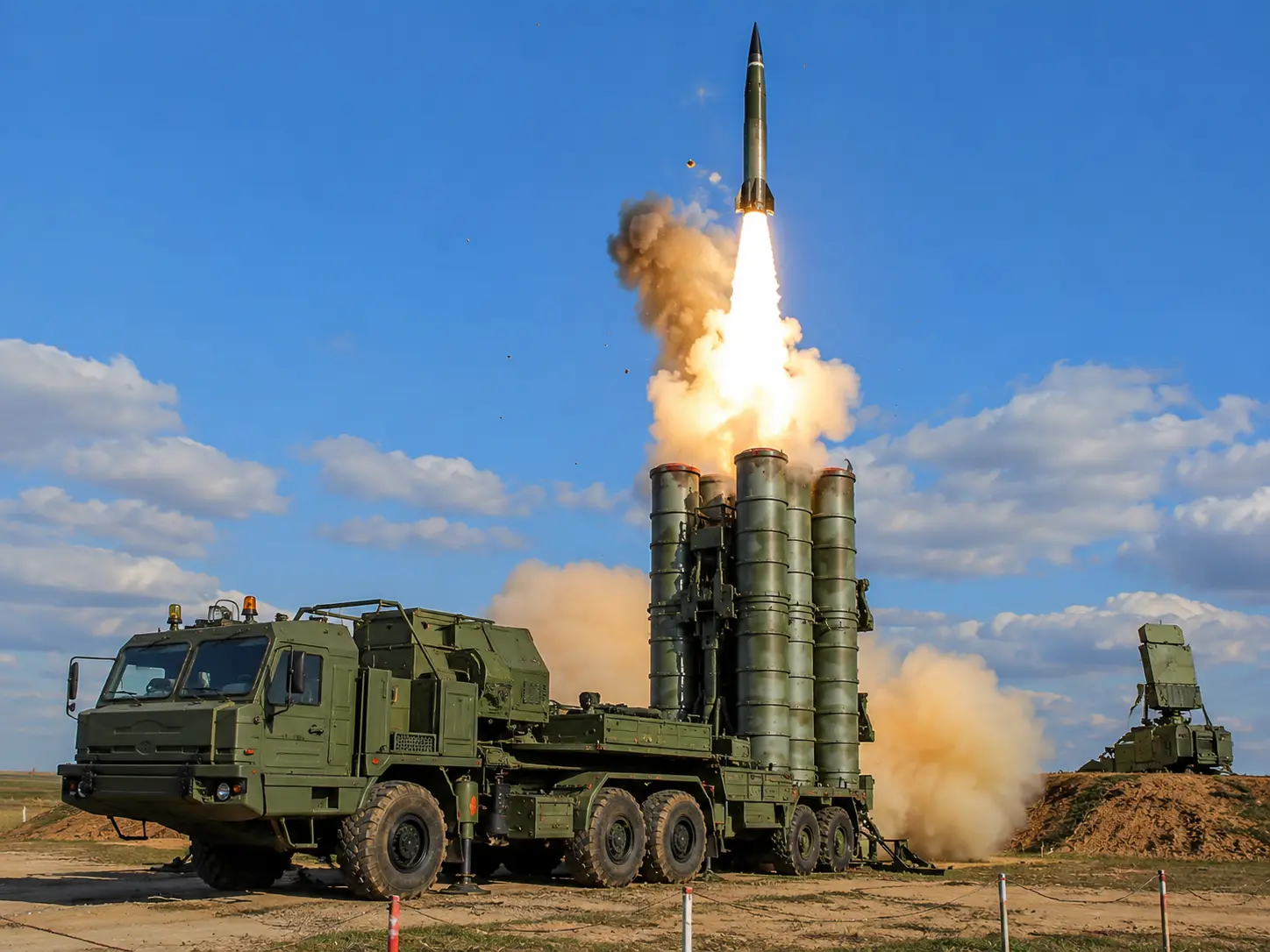
1/4 Wavelength Paint Thickness
Applying these advanced stealth paints requires absolute precision for the technology to function correctly. The coating must be applied at a specific thickness, often exactly one-quarter of the target radar's wavelength. This meticulous application process requires highly skilled labour and drives up costs.
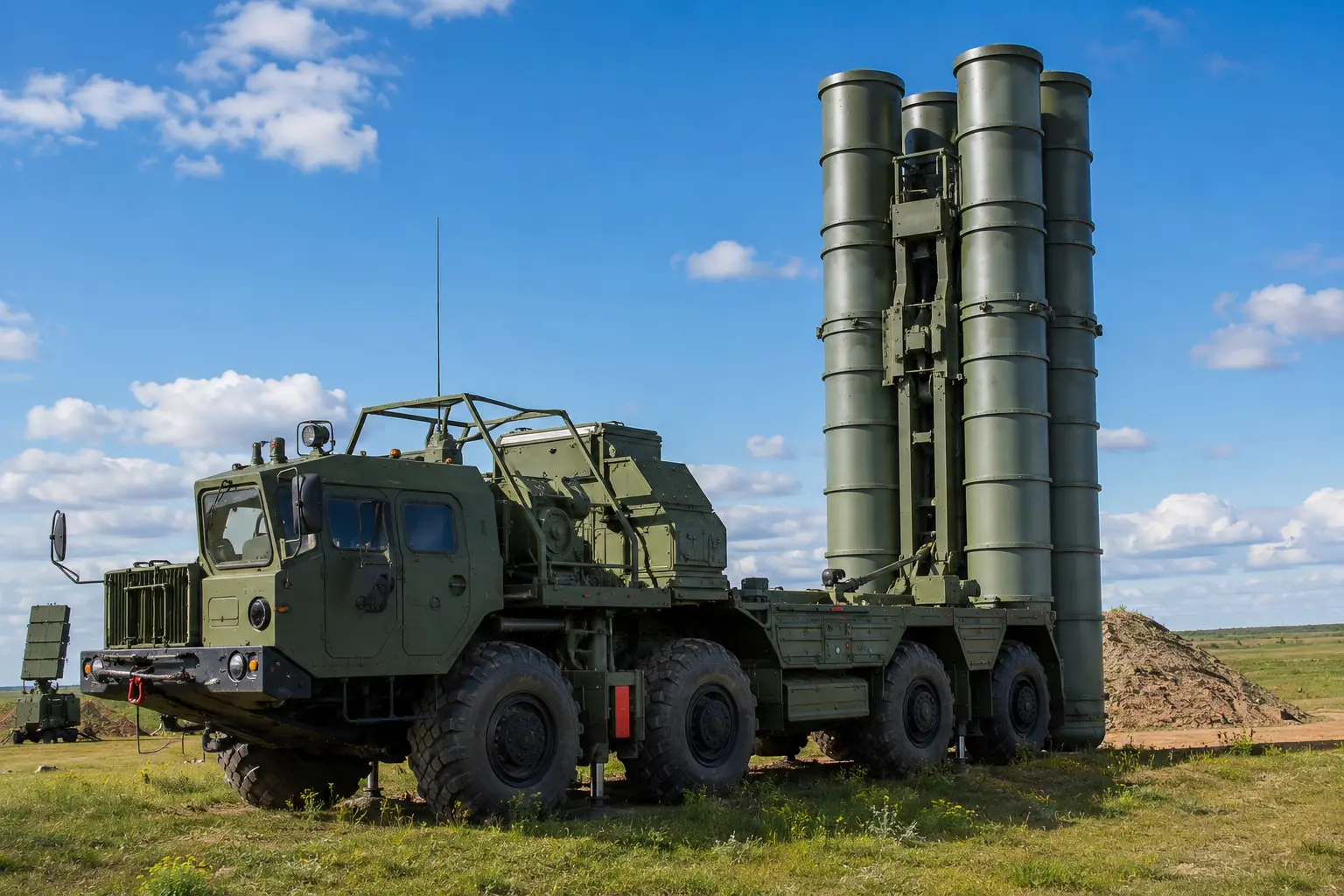
Over 50 Per Cent Magnetic Fillers
The high cost of the paint stems from its complex chemical composition. Modern radar-absorbing paints incorporate precise magnetic functional fillers that can make up over half of the mixture's weight. Engineering and manufacturing these microscopic materials is a highly expensive process.
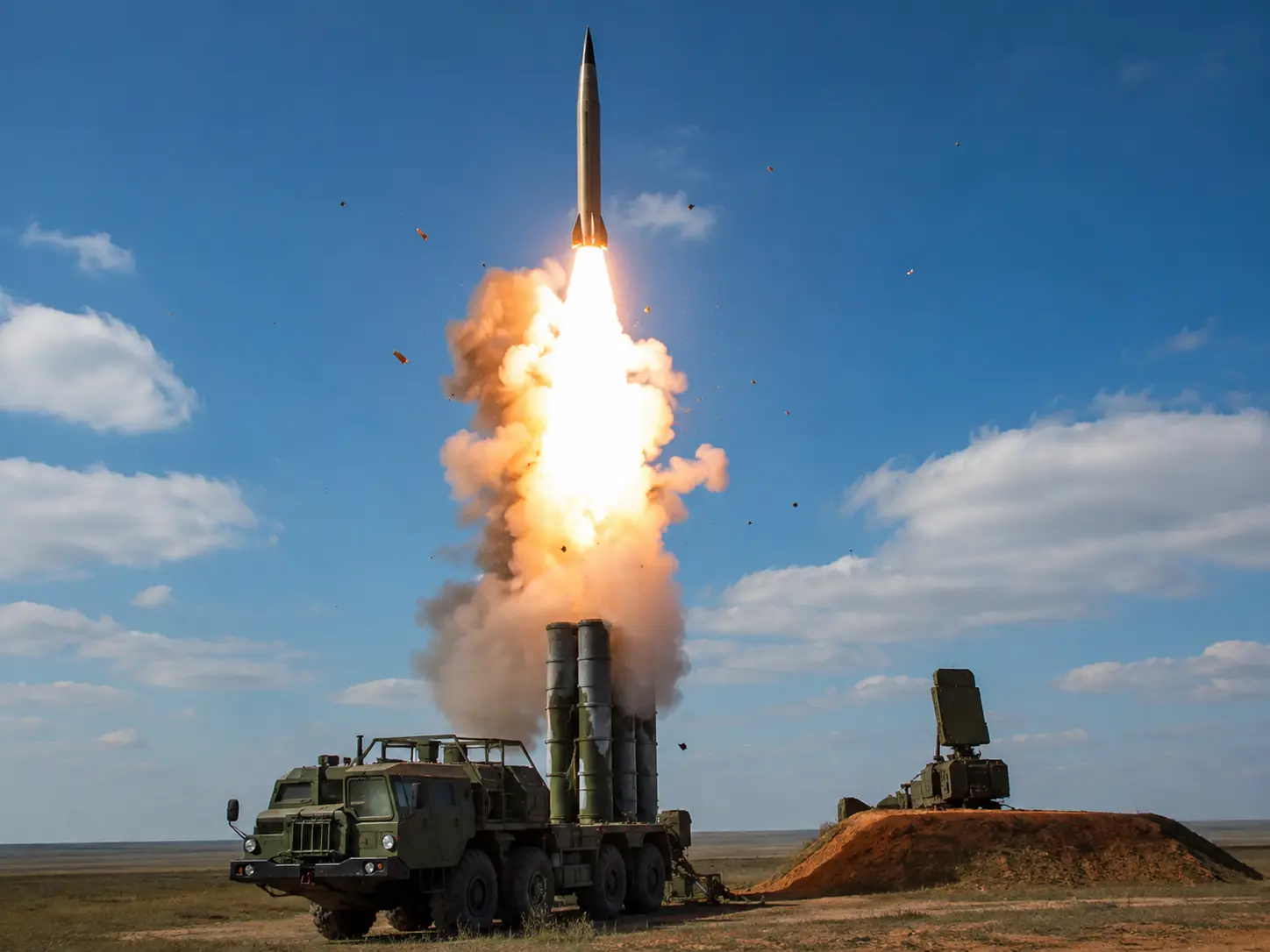
Lower Infrared Signatures
Beyond radar evasion, specialised military paints act as near-infrared camouflage to help conceal the vehicles. By altering the material's thermal emissions, the paint blends the heavy trucks into their surroundings. This significantly reduces the threat from heat-seeking missiles and drones.
24/7 Electrostatic Defence
An S-400 battery houses incredibly sensitive, multimillion-dollar fire control computers and radar electronics. The external paint acts as a conductive layer to effectively dissipate static electricity. This prevents sudden electrostatic discharges from damaging the internal systems.
10-Year Weather Resilience
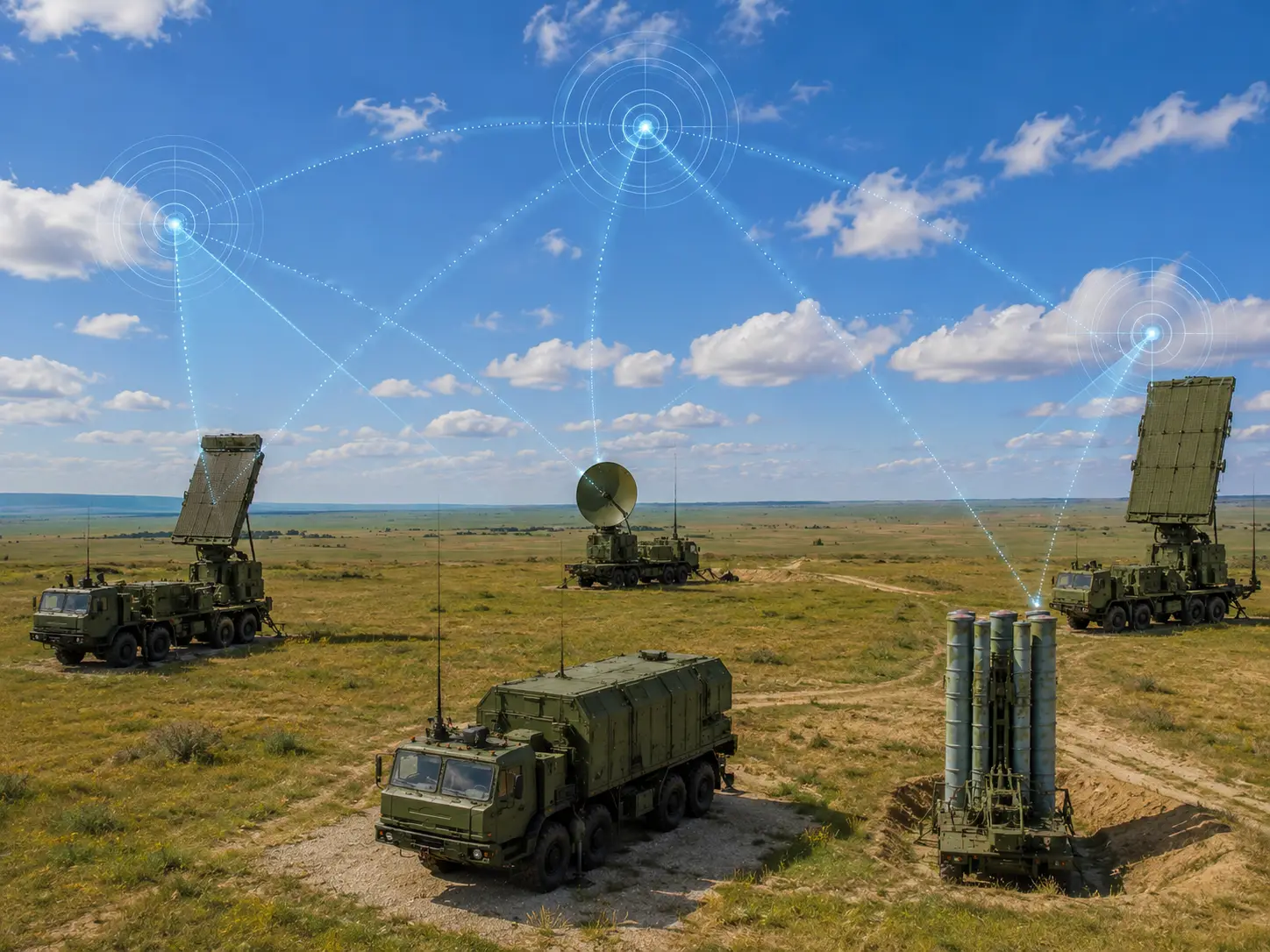
Air defence systems are frequently deployed in harsh environments, ranging from freezing mountains to hot deserts. Specialised protective coatings provide exceptional durability and weather resistance for up to a decade. This stops severe corrosion from compromising the launcher's structural integrity.
3-Layer Coating Process
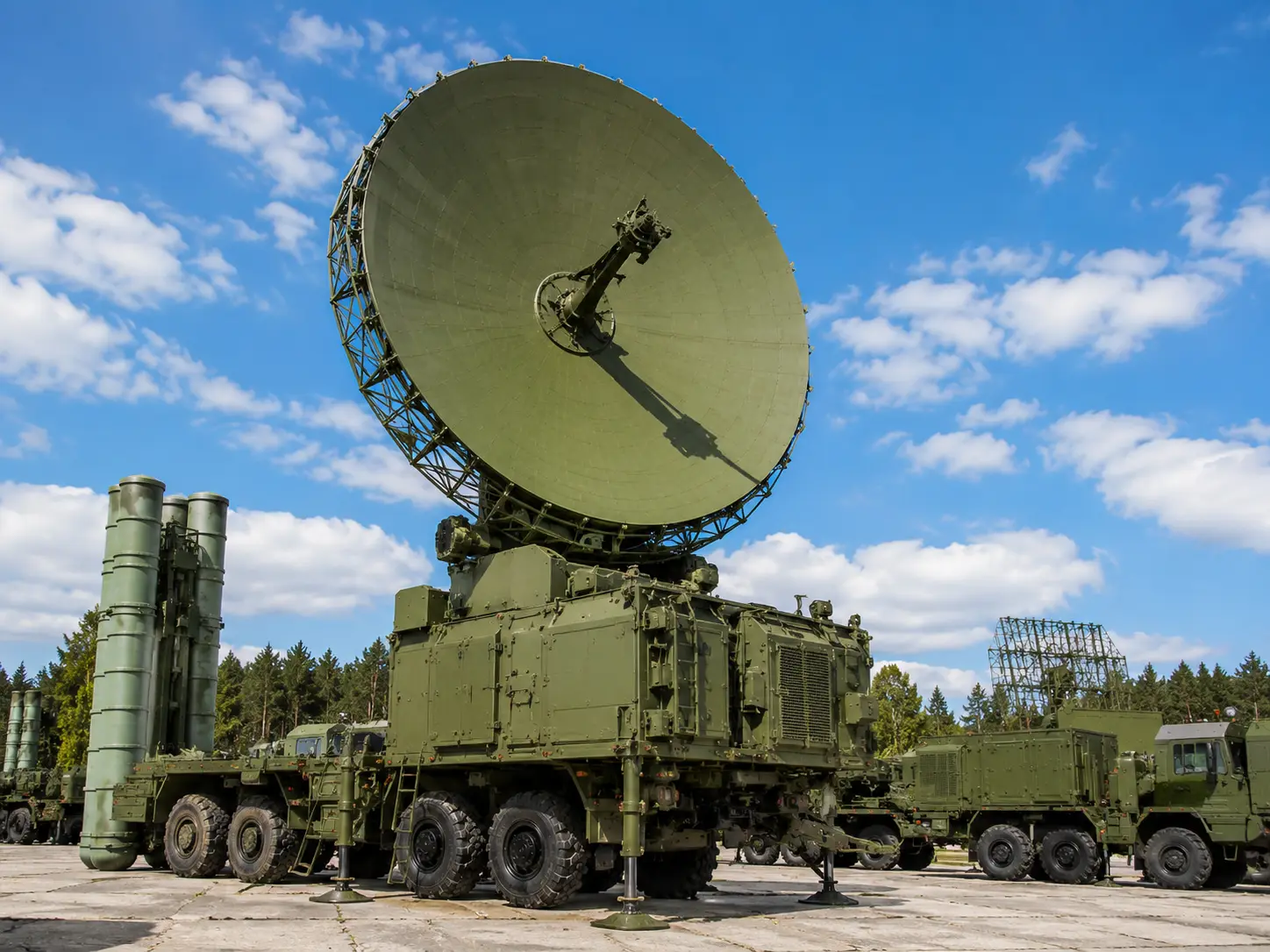
Applying this paint is not a simple one-step procedure. The trucks receive a complex, multi-layered coating that specifically targets different radar frequency bands. Each layer must be applied with extreme precision, which adds thousands of dollars to the material and labour costs per vehicle.
)
)
)
)
)