Bhagat Singh, Irom Sharmila, Sonam Wangchuk and more: How one empty stomach shook India | Longest hunger strikes

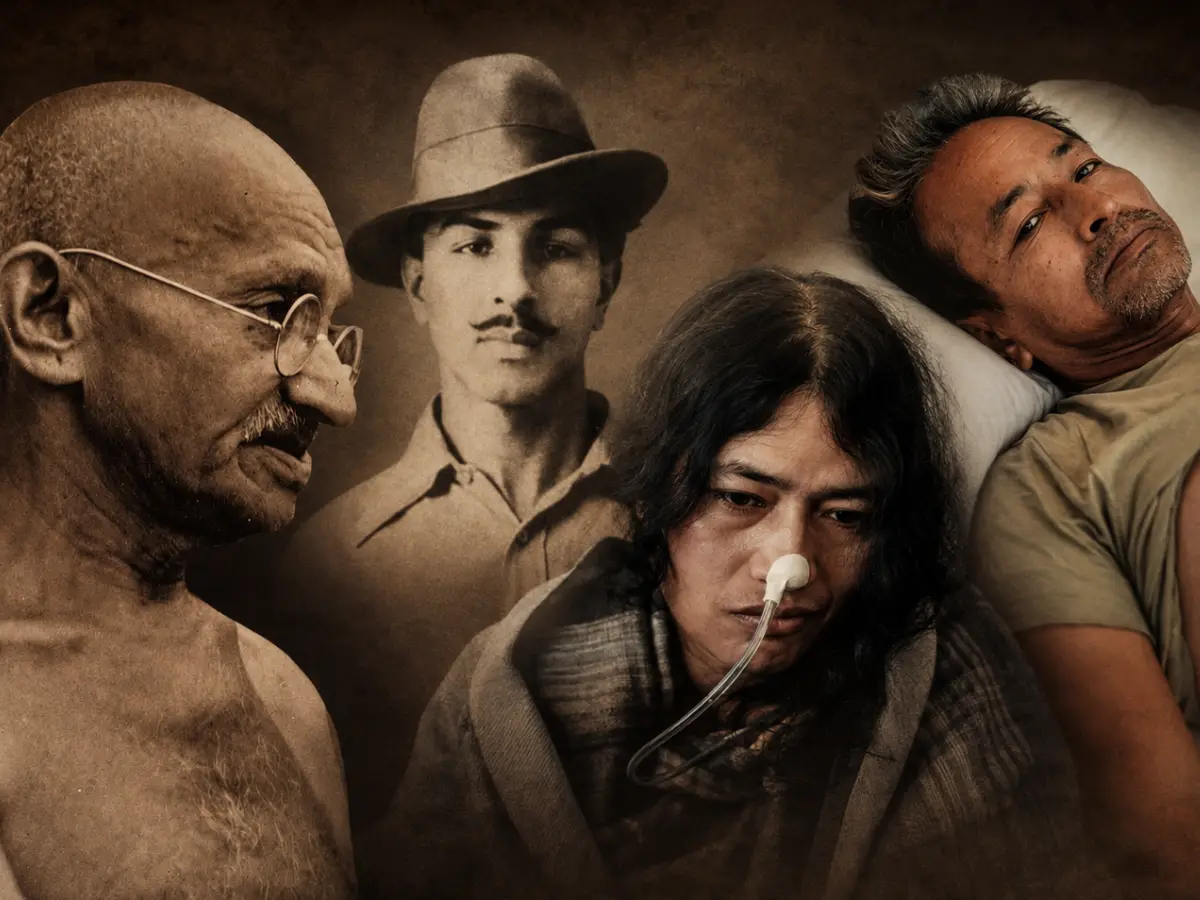
From Irom Sharmila's nearly 16-year protest against AFSPA to Sonam Wangchuk's ongoing hunger strike, fasting has remained one of India's most powerful forms of non-violent resistance. These are the 9 hunger strikes that shaped India's history.
From AFSPA to NEET: The hunger strikes that forced India to listen
Climate activist Sonam Wangchuk's hunger strike has once again put the focus on the method of non-violent resistance that played a vital part of Mahatma Gandhi's freedom struggle. Historically, hunger strikes have shaped some of India's biggest political, social, and environmental movements. While some ended with landmark policy changes, others drew national attention to issues ranging from civil rights to environmental conservation. Here's a look at some of the country's longest and most notable Anshans (fasts).
1. Irom Sharmila
Duration: Nearly 16 years (2000-2016)
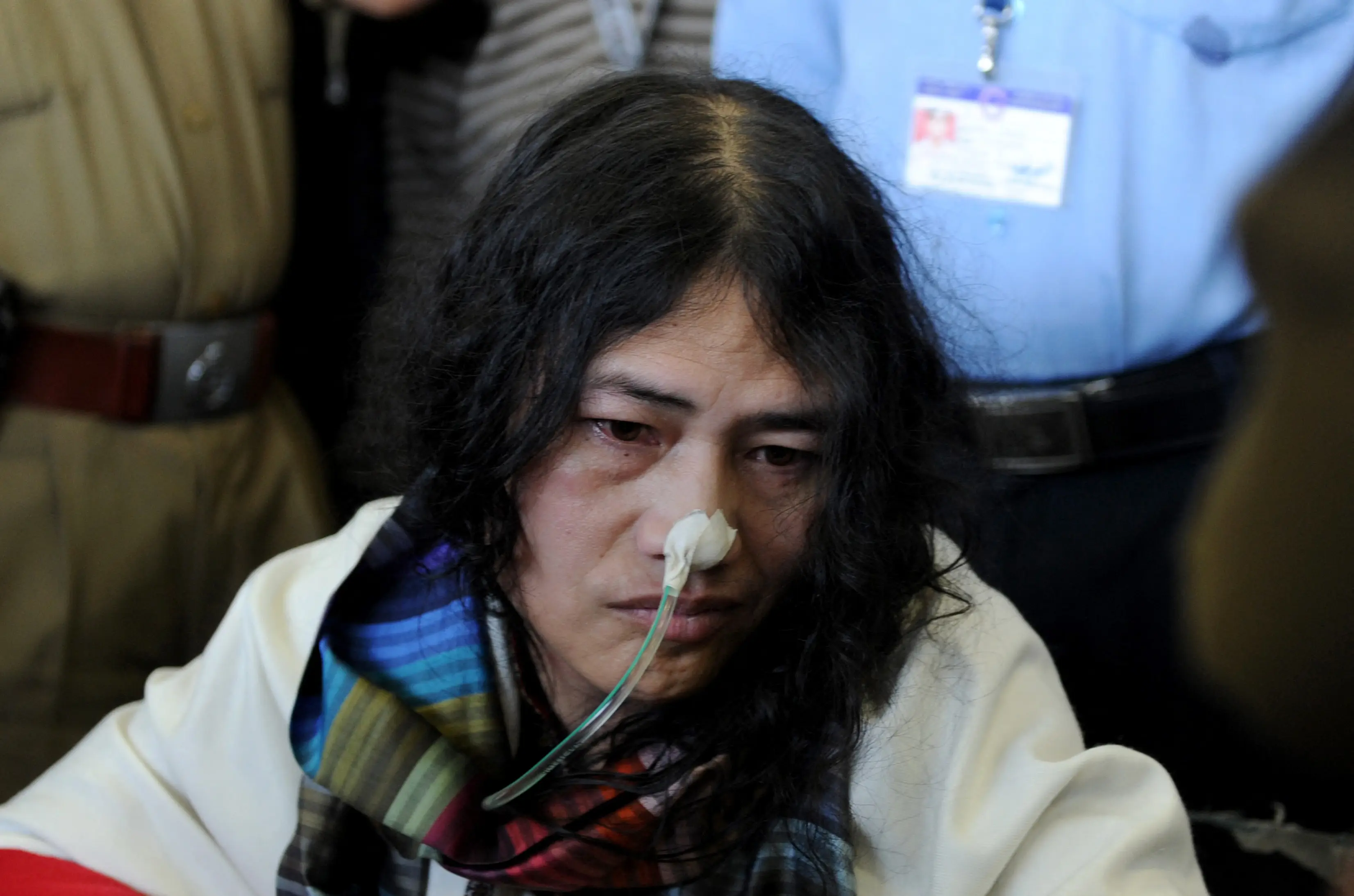
Known as the "Iron Lady of Manipur", Irom Sharmila launched what became one of the world's longest hunger strikes after the Malom killings in November 2000. She demanded the repeal of the Armed Forces (Special Powers) Act (AFSPA) and remained on a fast for almost 16 years, surviving through force-feeding via a nasal tube before ending her protest in 2016.
2. Swami Nigamananda
Duration: Around 115 days (2011)
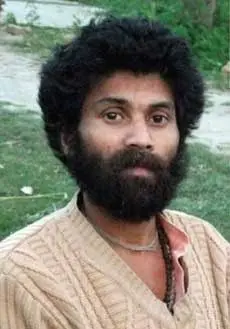
Swami Nigamananda fasted to protest illegal mining along the Ganga near Haridwar. His prolonged hunger strike highlighted concerns over environmental degradation before he died in June 2011, sparking nationwide debate on river conservation.
3. G.D. Agrawal (Swami Gyan Swaroop Sanand)
Duration: Around 111 days (2018)
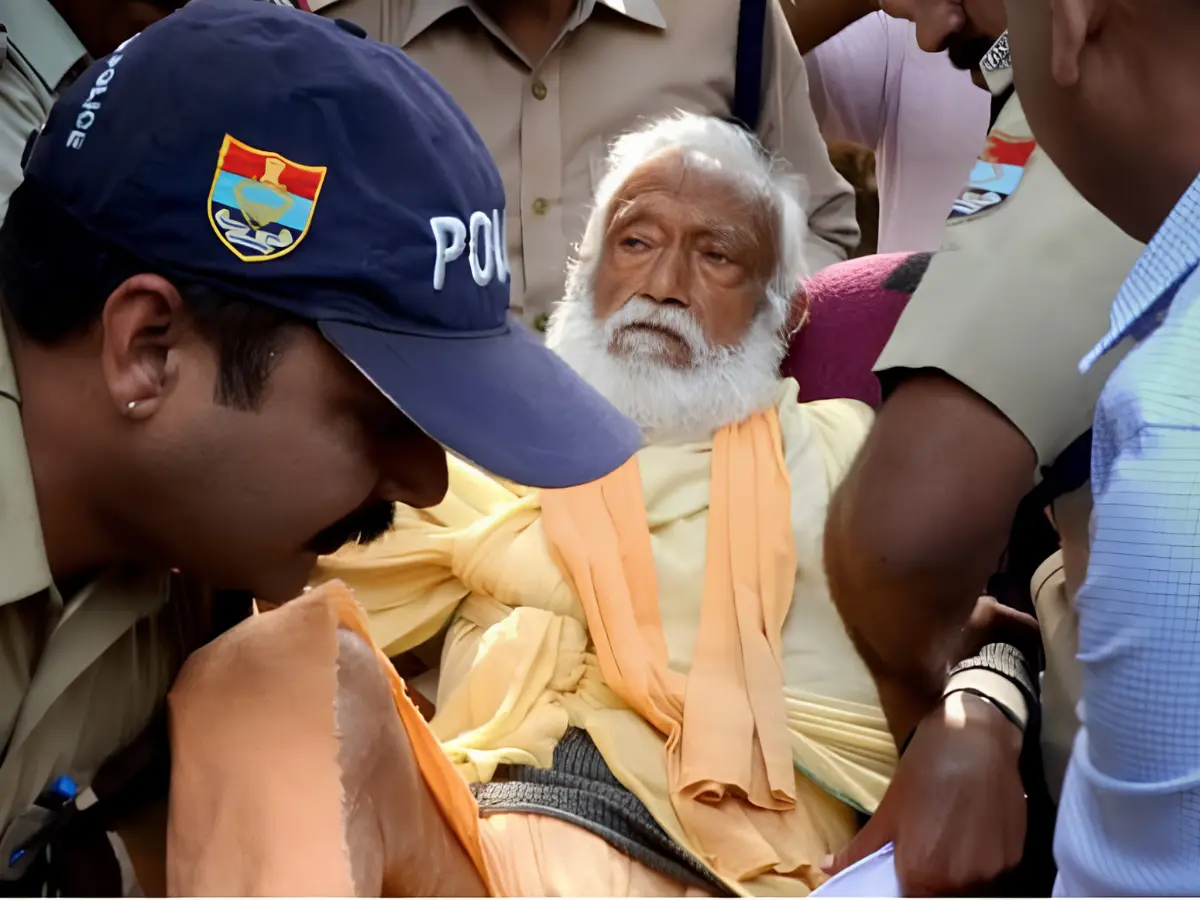
Former IIT professor G.D. Agrawal, later known as Swami Sanand, undertook a prolonged fast demanding stronger measures to protect the Ganga's ecological flow and stop unchecked development along the river. He died after more than three months on a hunger strike.
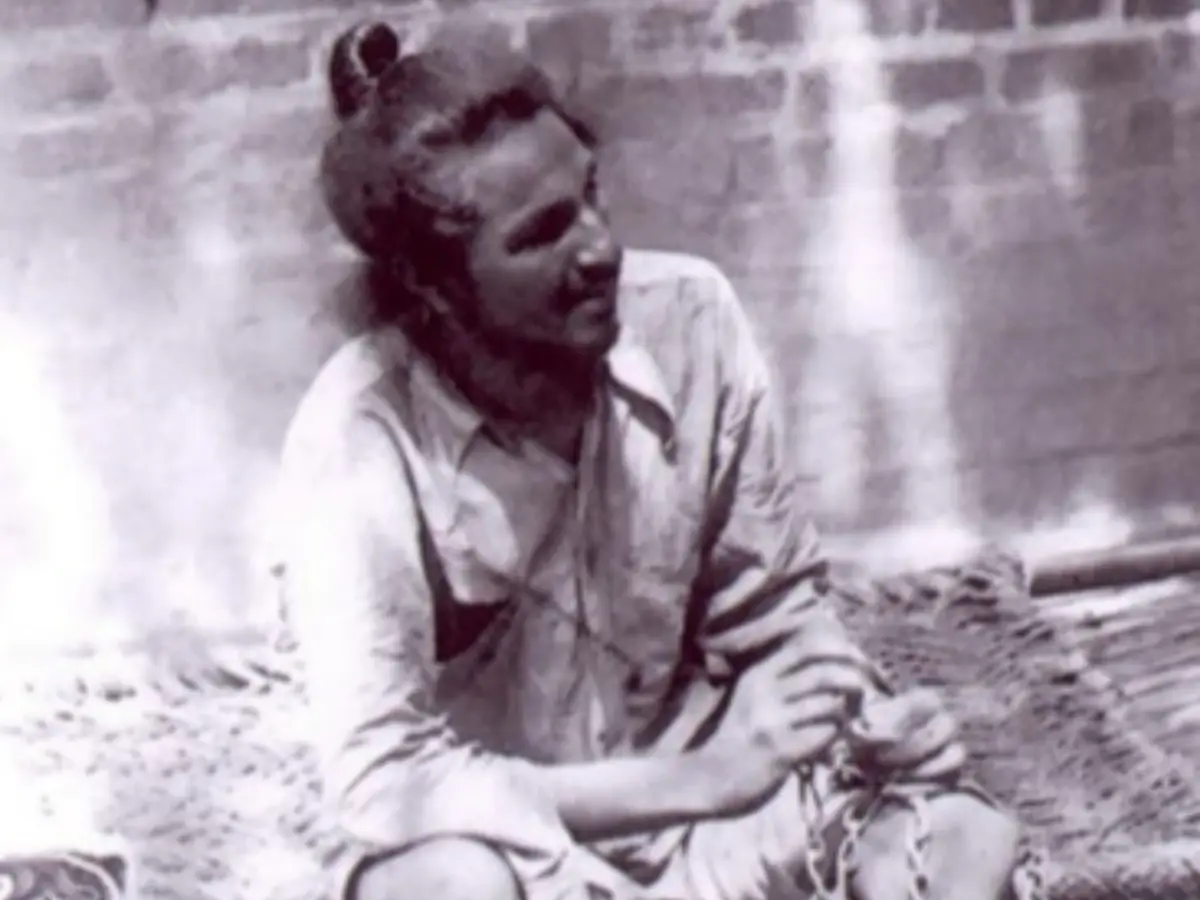
4. Bhagat Singh
Duration: 63 days (1929)
Bhagat Singh and fellow revolutionaries launched a hunger strike inside Lahore Jail, demanding equal treatment for Indian political prisoners. The protest exposed the harsh conditions faced by Indian inmates and became one of the defining moments of the freedom struggle.
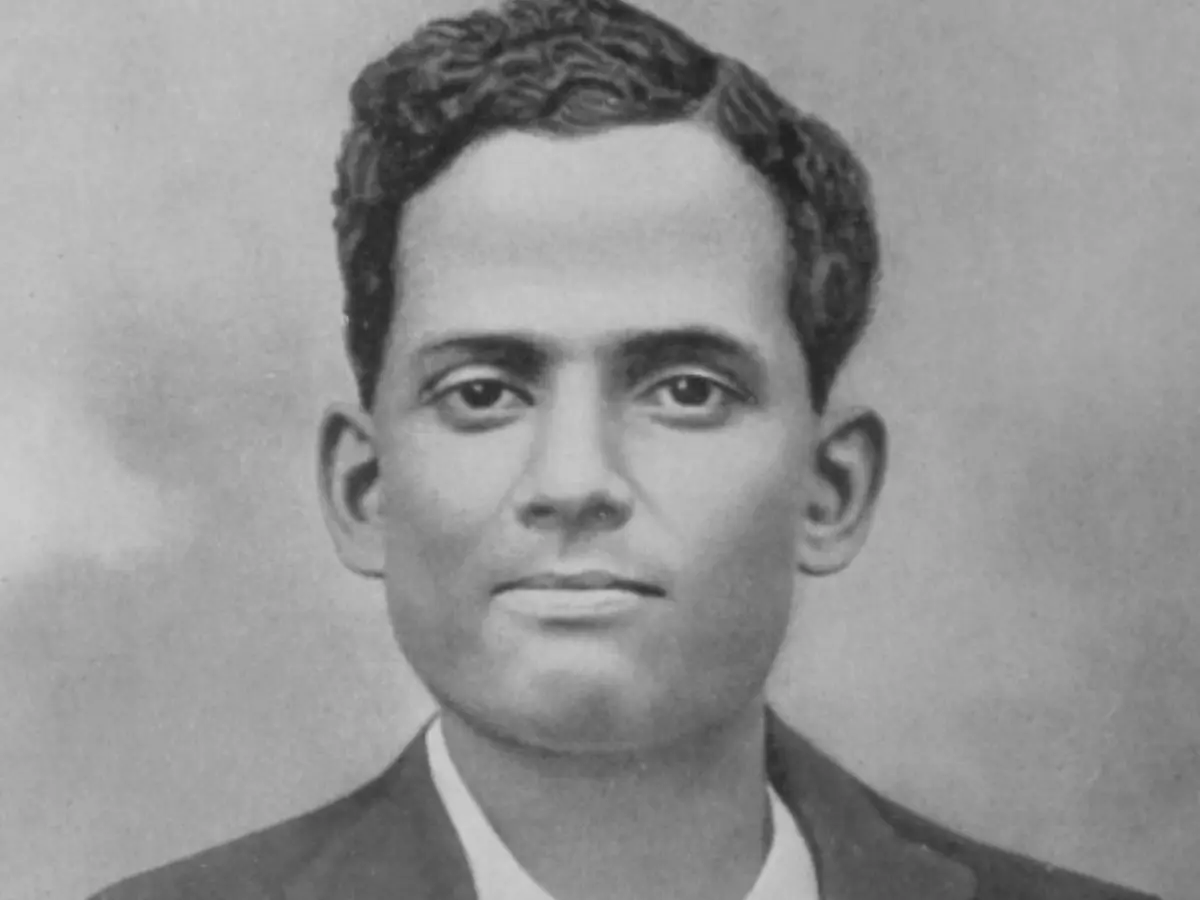
5. Jatin Das
Duration: 63 days (1929)
Freedom fighter Jatin Das joined Bhagat Singh's jail protest and continued fasting for 63 days before dying in custody. His death triggered widespread outrage across British India and turned him into a symbol of sacrifice during the independence movement.
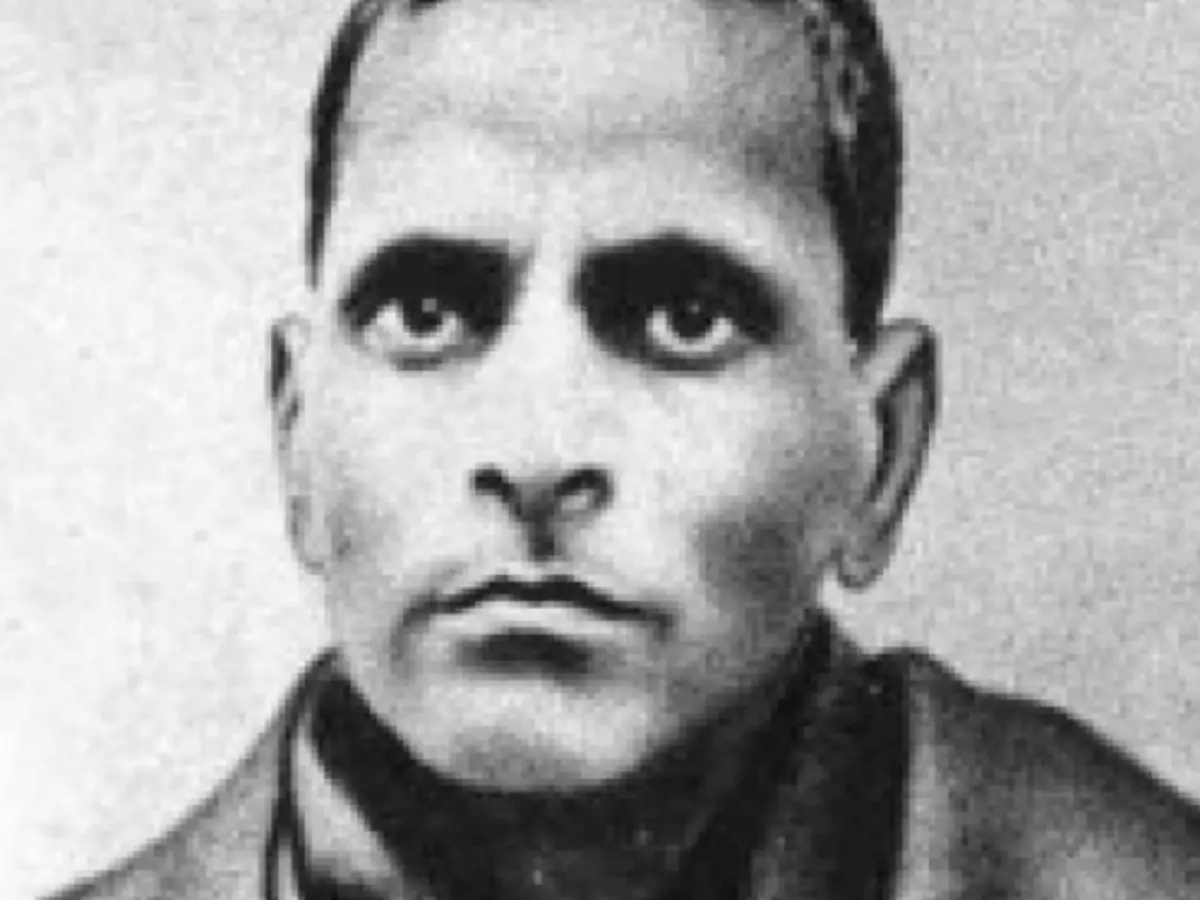
6. Potti Sriramulu
Duration: 58 days (1952)
Potti Sriramulu fasted demanding a separate state for Telugu-speaking people. He died after 58 days without food, leading to massive protests and eventually the formation of Andhra State, paving the way for the linguistic reorganisation of Indian states.
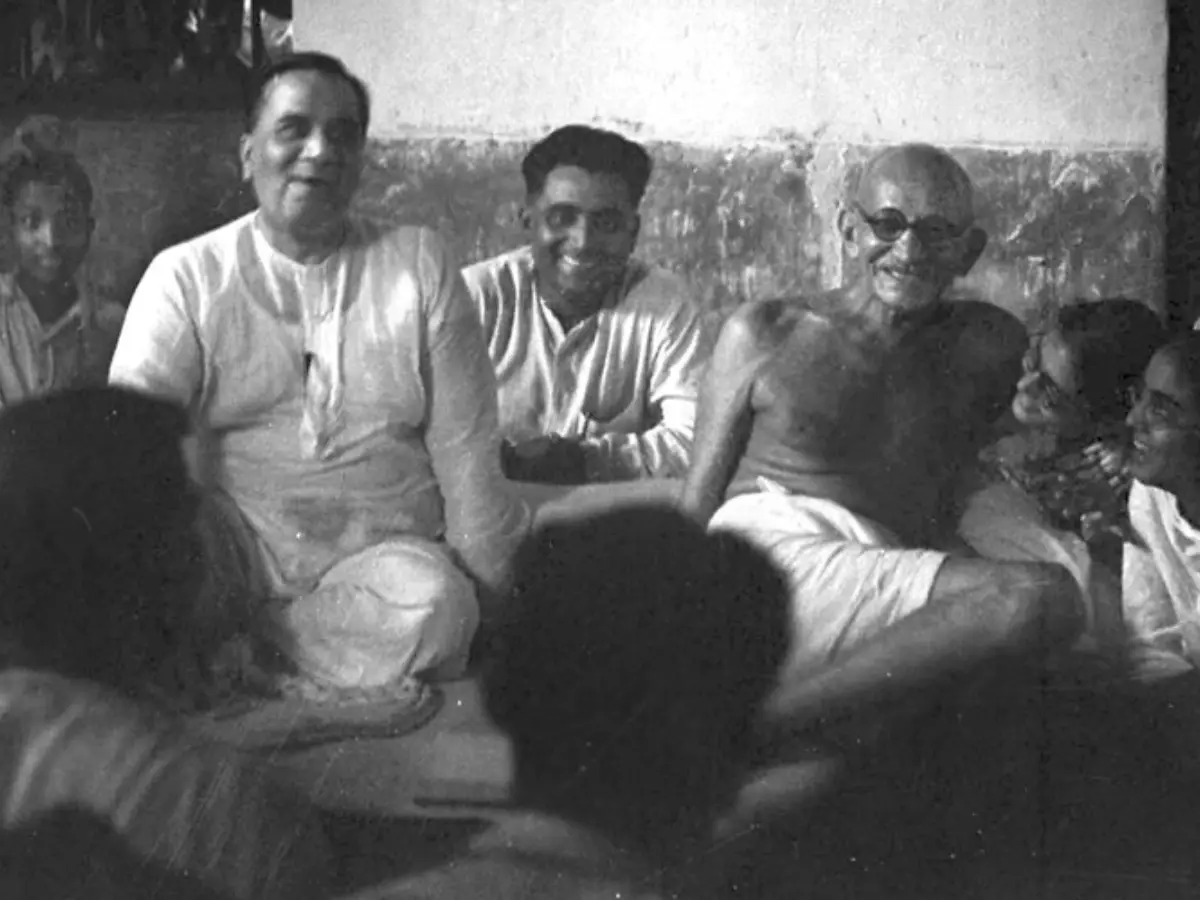
7. Mahatma Gandhi
Duration: 21 days (1933)
Mahatma Gandhi undertook several hunger strikes during India's freedom movement. One of his best-known 21-day fasts focused on self-purification and social reform, while other fasts sought communal harmony and an end to violence.
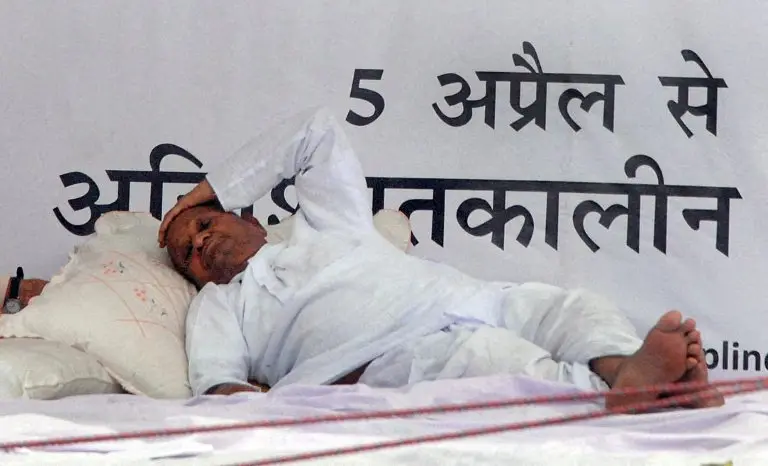
8. Anna Hazare
Duration: 12 days (2011)
Anna Hazare's fast demanding a stronger Lokpal anti-corruption law became one of the largest public movements in modern India. The protest drew nationwide support and pushed Parliament to debate anti-corruption reforms.
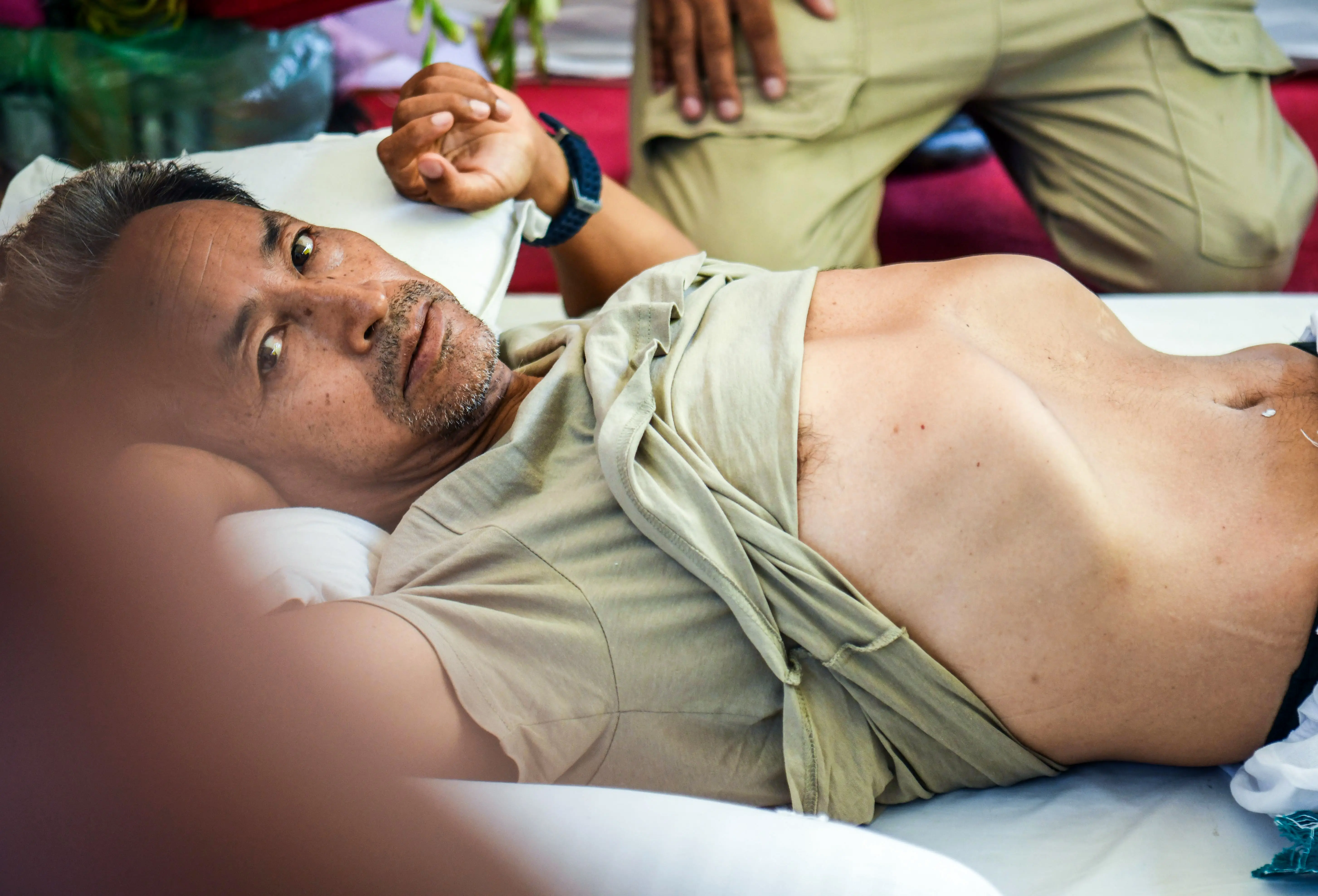
9. Sonam Wangchuk
Duration: 20+ days (2026, ongoing)
Engineer and education reformer Sonam Wangchuk launched a hunger strike to demand the resignation of Union Education Minister Dharmendra Pradhan over the NEET-UG paper leak controversy and other alleged examination irregularities.
)
)
)
)
)