'South Pars, Ras Laffan, Ruwais & more': All major Middle East energy facilities hit in Iran war so far

The attacks were carried out in retaliation for an earlier Israeli strike on Iran’s main natural gas field, marking a significant widening of the conflict into critical economic assets.
A War That Has Shifted to Energy Arteries
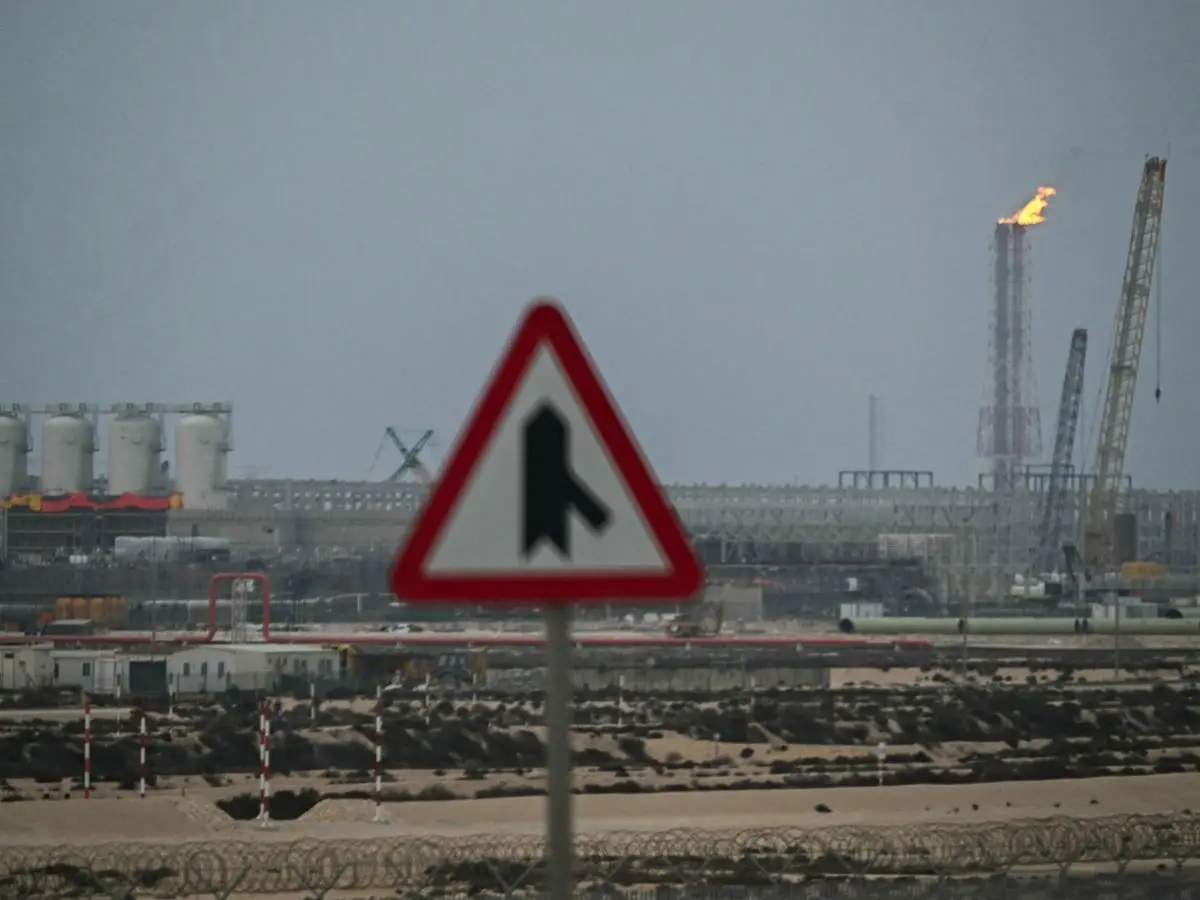
The conflict involving Iran, Israel and the United States has entered a decisive and more dangerous phase, with energy infrastructure emerging as a primary target. Iran sharply escalated the confrontation on Thursday by launching coordinated strikes on Gulf energy facilities, hitting a Saudi refinery on the Red Sea and igniting liquefied natural gas sites in Qatar, along with two oil refineries in Kuwait. The attacks were carried out in retaliation for an earlier Israeli strike on Iran’s main natural gas field, marking a significant widening of the conflict into critical economic assets. Brent crude surged to $118 per barrel, highlighting the scale of disruption and the market’s sensitivity to threats against key supply nodes. Here is a list of all the key Middle East energy sites under fire:
Iran's South Pars: The Strategic Trigger Point
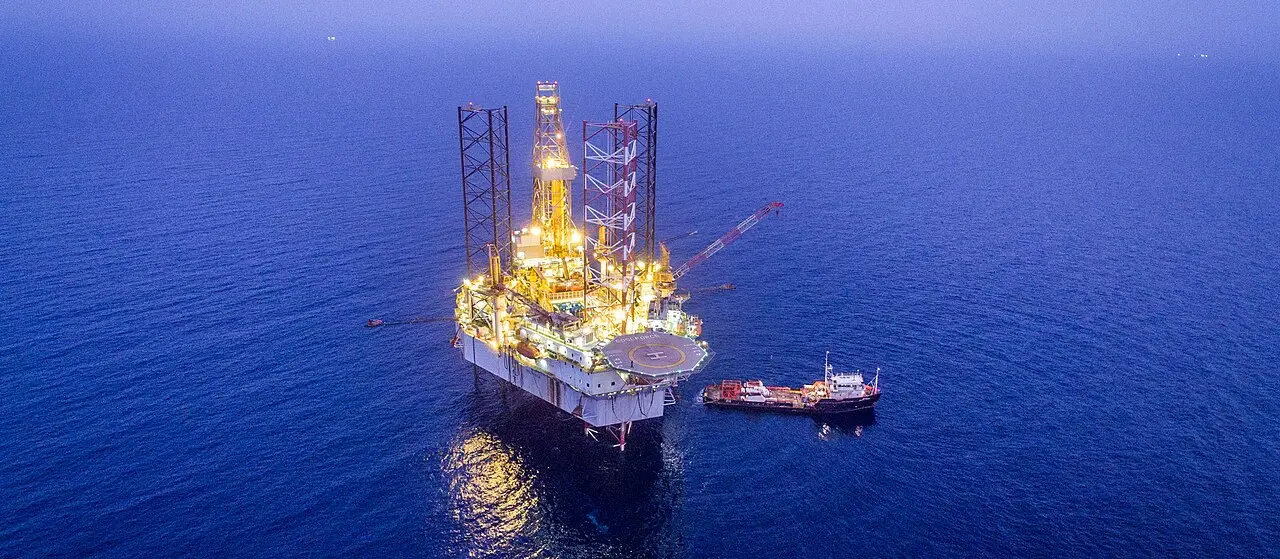
The Iranian attacks came after Israel struck the Iranian section of the South Pars gas field, the world’s largest natural gas reserve, located offshore in the Persian Gulf and jointly shared with Qatar. It is a pillar of Iran’s energy supply. With nearly 80 per cent of the country’s power generated from natural gas, according to the International Energy Agency, any disruption directly threatens electricity availability. Natural gas also underpins household heating and cooking across the Islamic Republic. A strike on the facility triggered a fire, prompting Iran’s President Masoud Pezeshkian to warn of “uncontrollable consequences” that could “engulf the entire world.”
Qatar's Ras Laffan: The Global LNG Nerve Centre
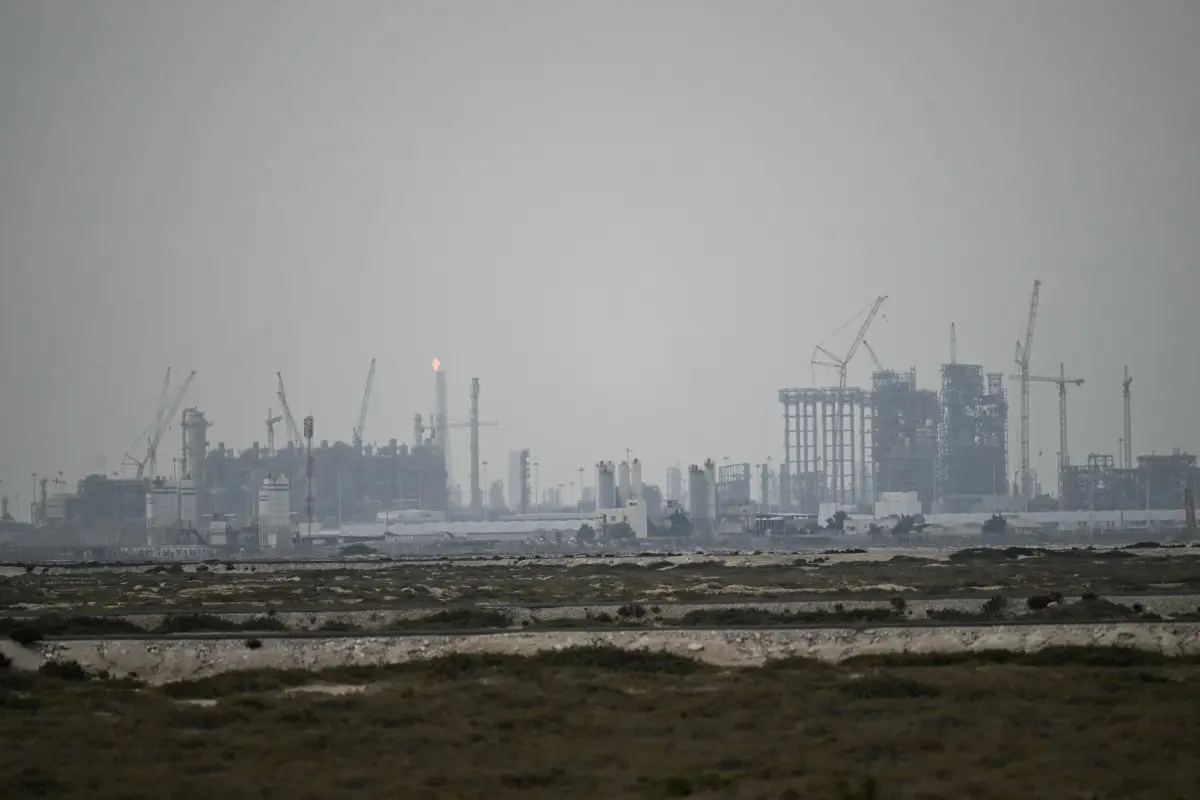
Iran’s retaliation extended to Ras Laffan Industrial City, the world’s largest liquefied natural gas hub, located about 80 km north of Doha, Qatar. The site serves as a major energy centre hosting global firms, including Shell, the world’s largest LNG trader. Repeated strikes caused “extensive damage” and fires across key facilities, raising concerns over supply disruption. Qatar produces around 77 million metric tonnes of LNG annually, much of it used for power generation and industry worldwide, while the Laffan refinery processes condensate into refined products such as aviation fuel. Although authorities later confirmed that fires had been brought under control with no injuries reported, even partial disruption at Ras Laffan carries significant global implications given its central role in energy markets.
Saudi Arabia and the Red Sea Corridor
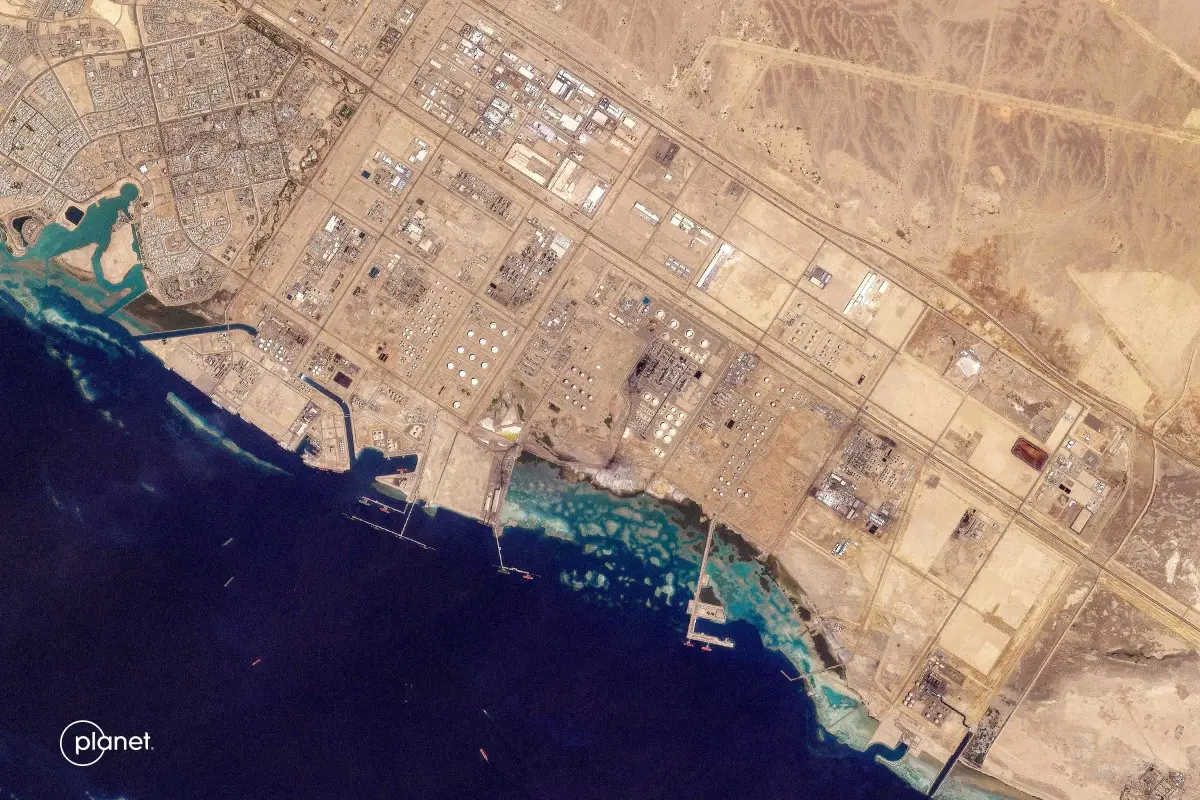
In Saudi Arabia, an aerial strike targeted the SAMREF refinery, operated by oil giant Saudi Aramco, in the Red Sea port of Yanbu. The refinery is a critical installation linked to crude exports via the Red Sea, and its targeting marks a significant escalation. The strike carries added importance as Yanbu has become a key export outlet after Iran effectively shut the Strait of Hormuz, a route that normally carries about a fifth of global oil supply. Since the conflict intensified, Yanbu has been one of only two major export corridors for Gulf Arab crude, with oil loadings at the port now halted, according to sources.Saudi Arabia's Samref refinery can process about 400,000 barrels of crude per day.
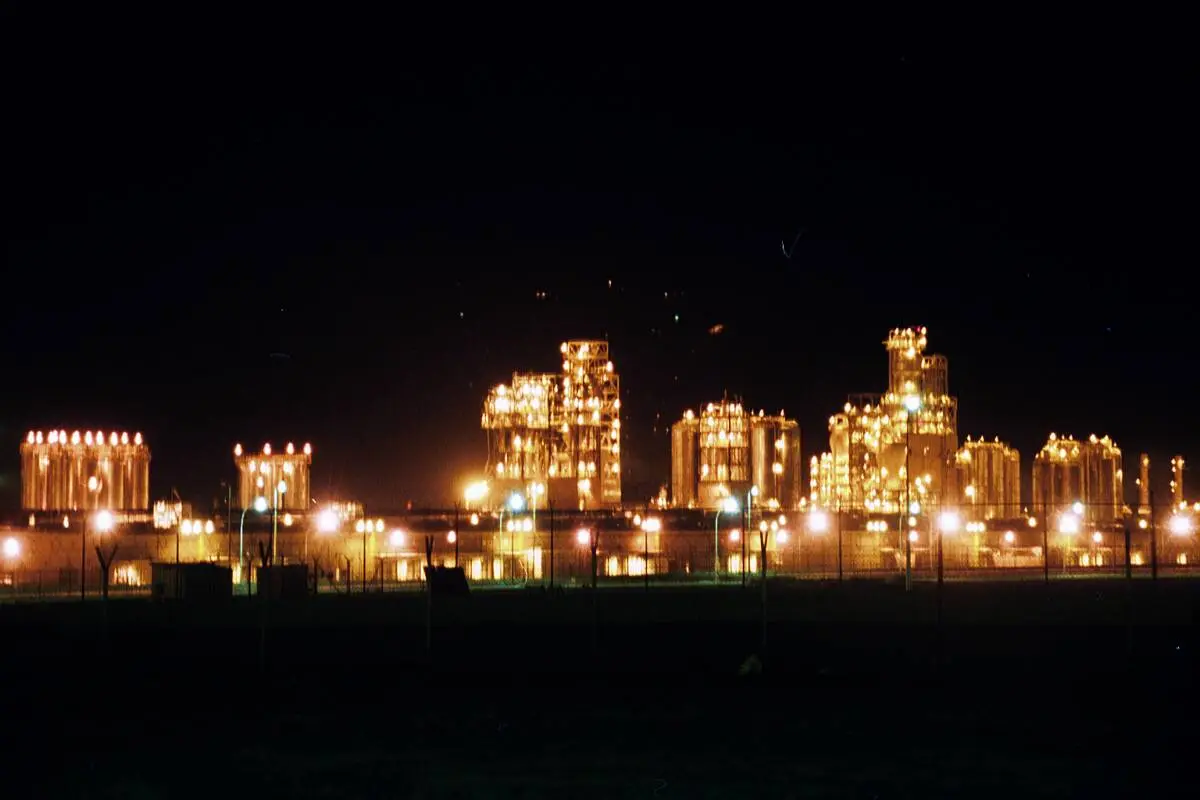
Kuwait: Mina Al-Ahmadi Refinery
The wave of attacks also struck Kuwait, where the Kuwait Petroleum Corporation said a drone hit an operational unit at its Mina Al-Ahmadi refinery, igniting a limited fire. The facility, located near the Mina Abdullah refinery, was again targeted on Thursday, triggering another blaze. State-run Kuwait National Petroleum Company later confirmed the fire had been contained. The refinery has a processing capacity of about 346,000 barrels per day.
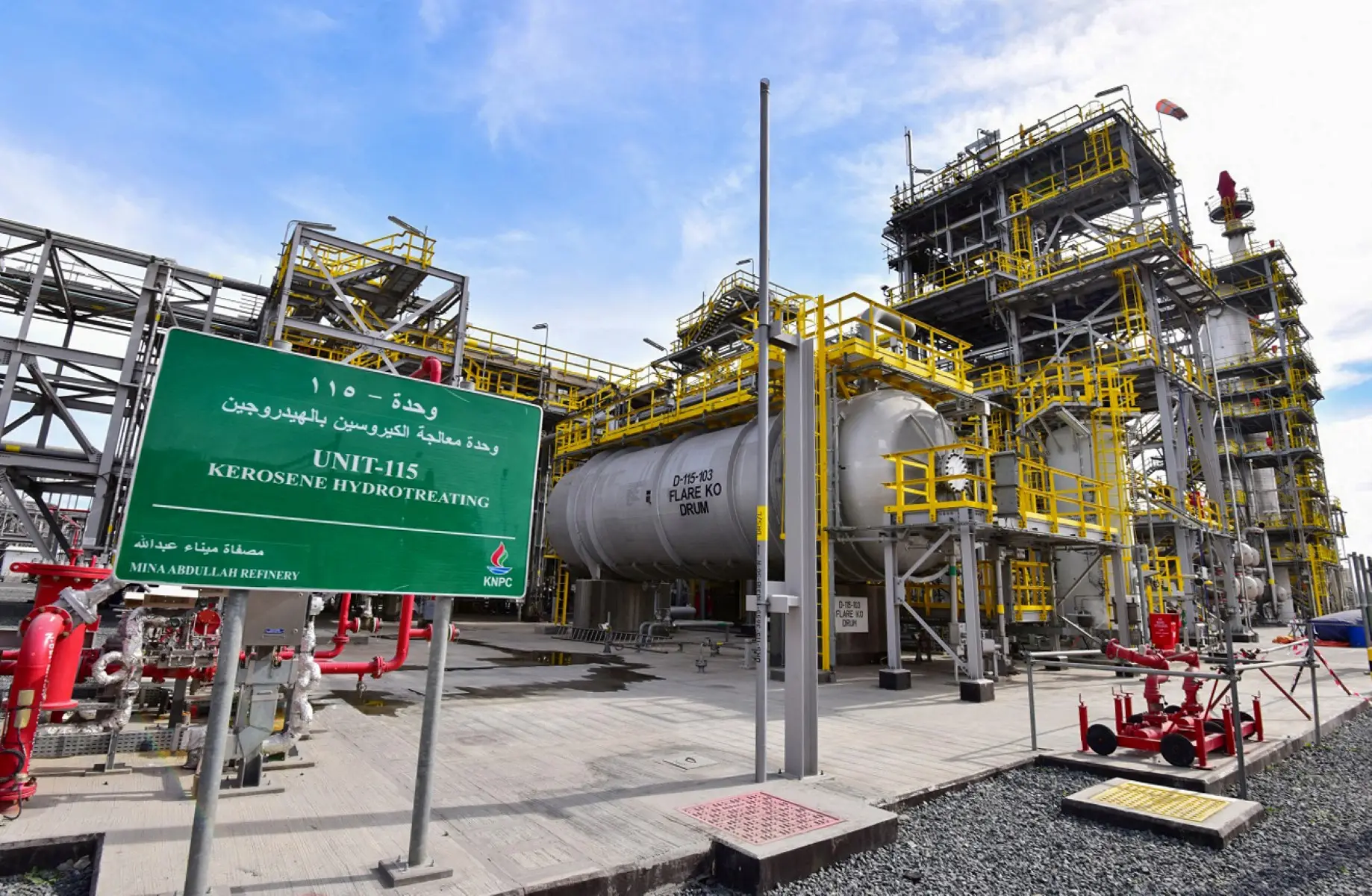
Kuwait: Mina Abdullah Refinery
The Mina Abdullah refinery was also hit in the conflict, killing one worker and injuring four others after a fire broke out in a desulphurisation unit, which was later contained. The facility, operated by the Kuwait National Petroleum Company, was struck again by a drone on Thursday, sparking another fire. The company said the blaze was brought under control at the refinery, which can process about 454,000 barrels per day.
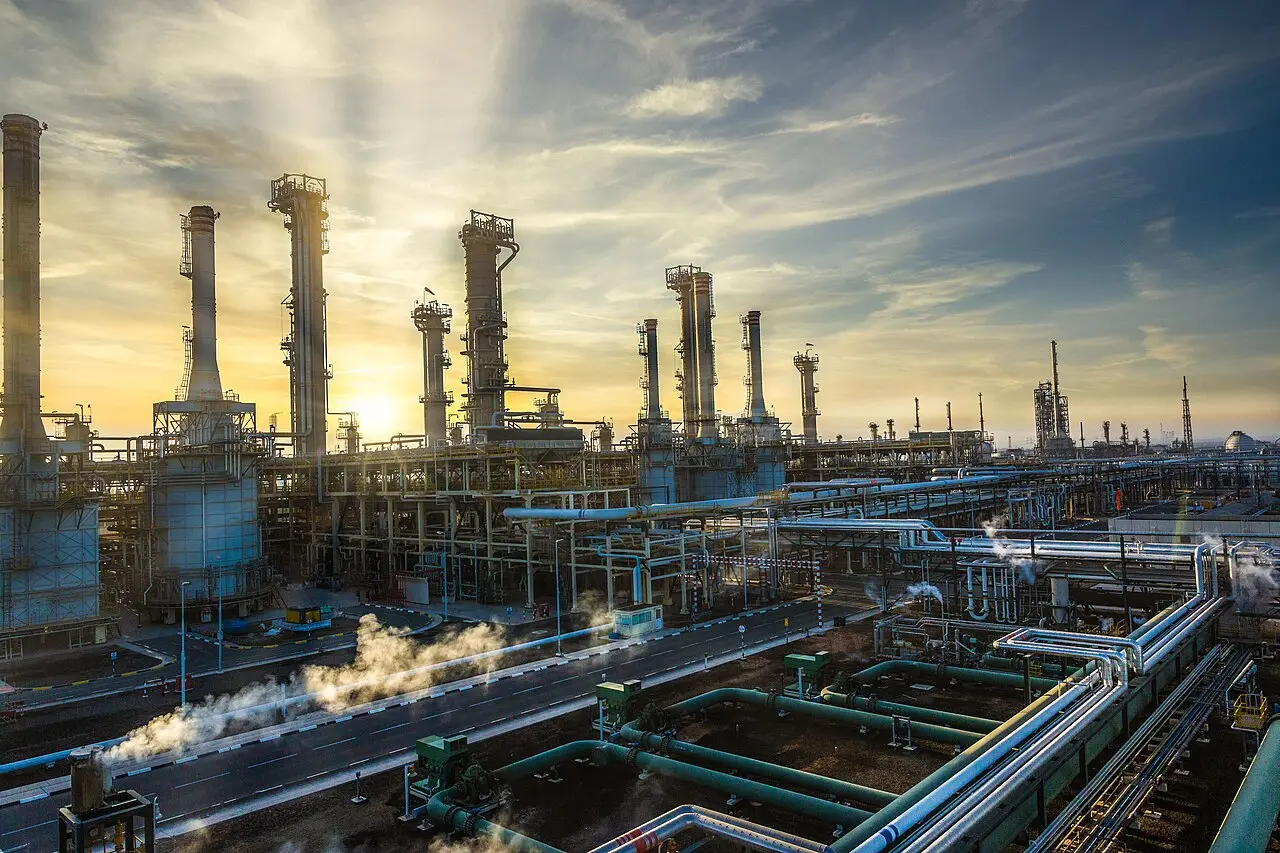
UAE'S Ruwais Refinery
Fire broke out and operations were suspended at the Ruwais Refinery and nearby gas facilities in UAE. The state oil giant Abu Dhabi National Oil Company (ADNOC) confirmed that it shut the refinery on March 10 following a fire triggered by a drone strike within the complex. The Ruwais complex is a central hub for the emirate’s downstream operations, with refining capacity of up to 9,22,000 barrels per day. It also supports major chemical, fertiliser and industrial gas production facilities, making any disruption there significant for both regional and global energy markets.
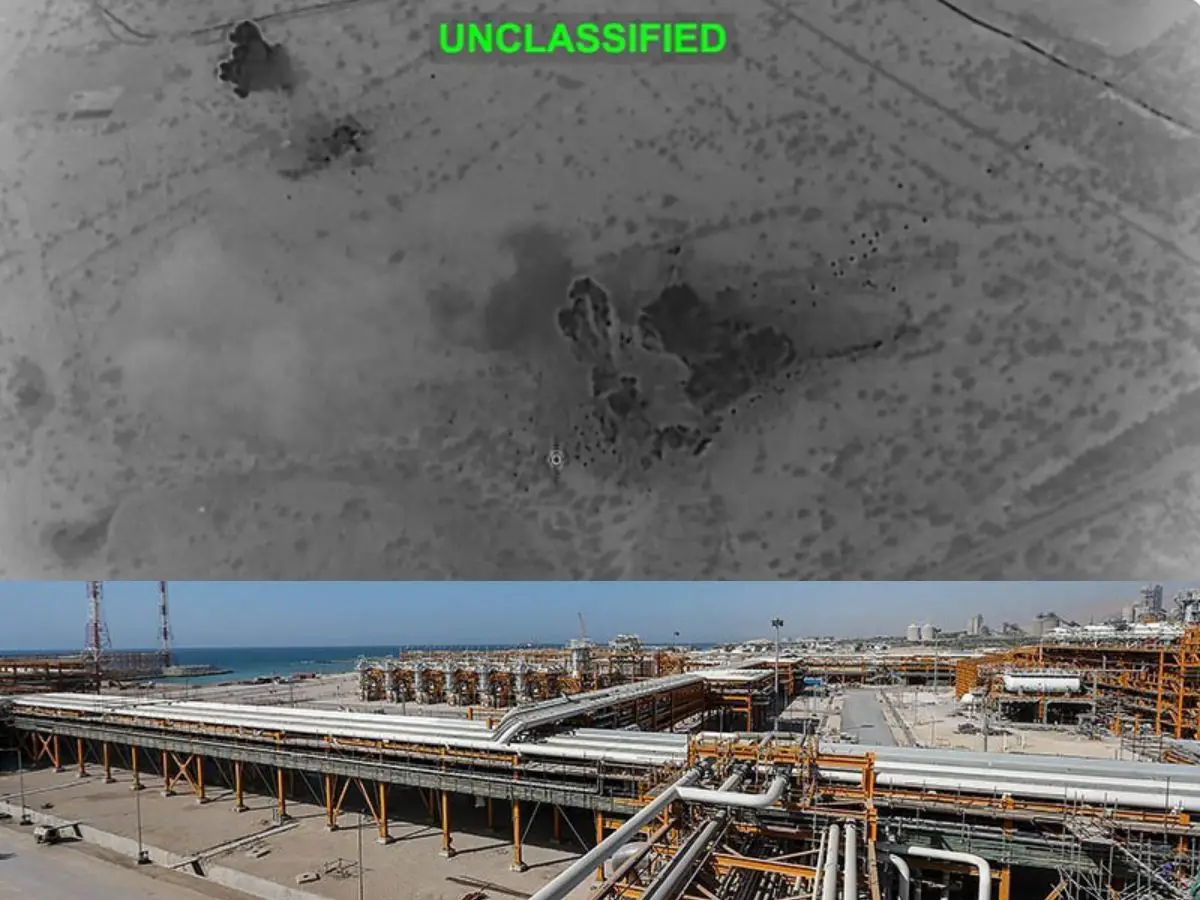
Kharg Island and Export Vulnerabilities
On Iran’s side, Kharg Island, which handles about 90 per cent of the country’s oil exports, was struck in US attacks, bringing one of its most critical energy nodes into direct focus. Although Iranian officials said exports continued without disruption, the targeting of such a vital hub underscores the fragility of supply chains on both sides of the conflict. US President Donald Trump said the US had “totally obliterated every MILITARY target” there, warning that further disruption in the Strait of Hormuz could trigger more strikes.
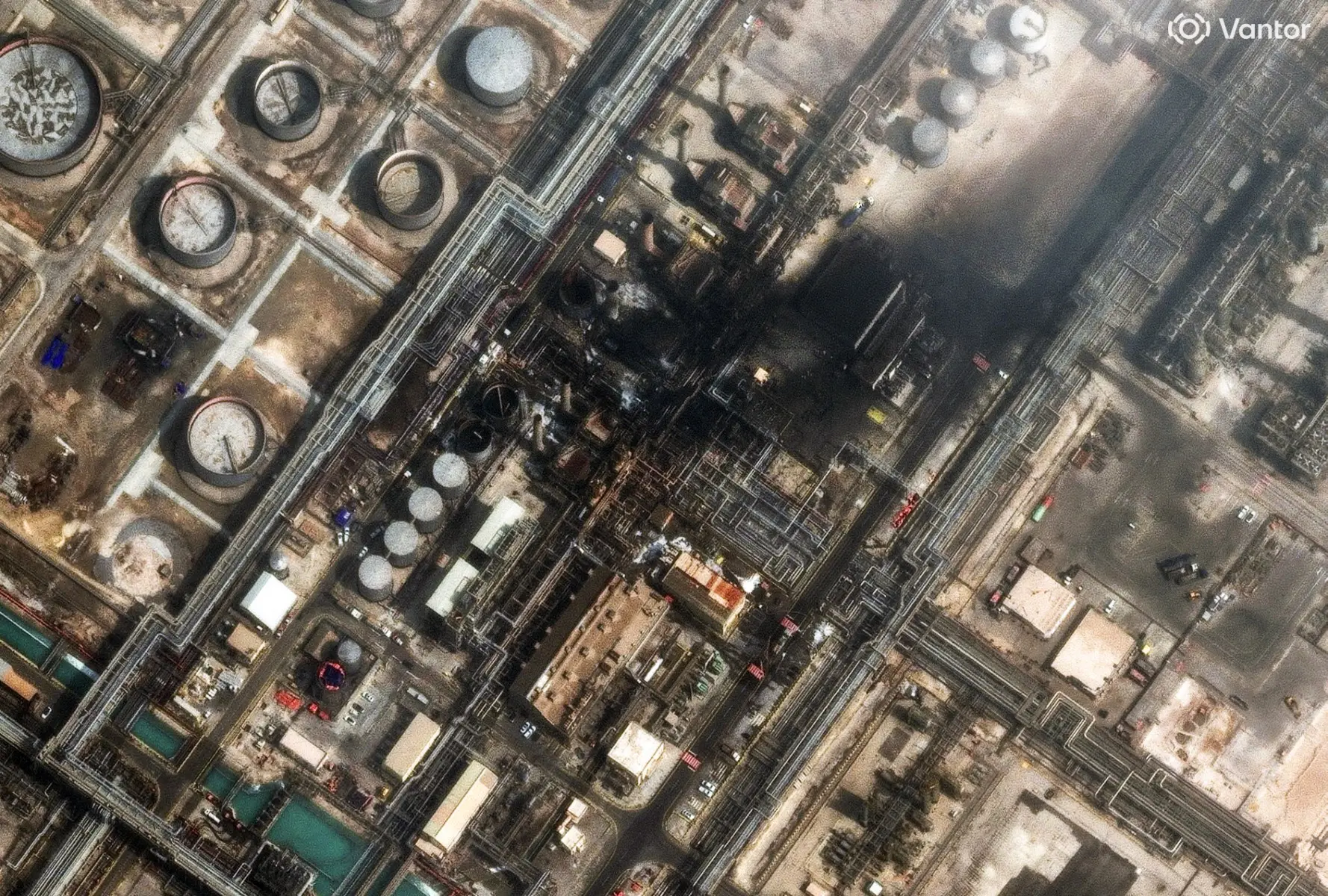
Ras Tanura
The Ras Tanura refinery, located along Saudi Arabia’s eastern Gulf coast, is one of the largest refineries in the Middle East, with a capacity of 5,50,000 barrels per day. It has been repeatedly targeted in Iranian strikes, including a drone attack that sparked a fire and forced a partial shutdown. Operations have since resumed, according to Bloomberg.
)
)
)
)
)