

&imwidth=800&imheight=600&format=webp&quality=medium "Meta Australia to ban under-16s from Facebook, Instagram: How whistleblowers and a determined government forced a Big Tech giant to act")
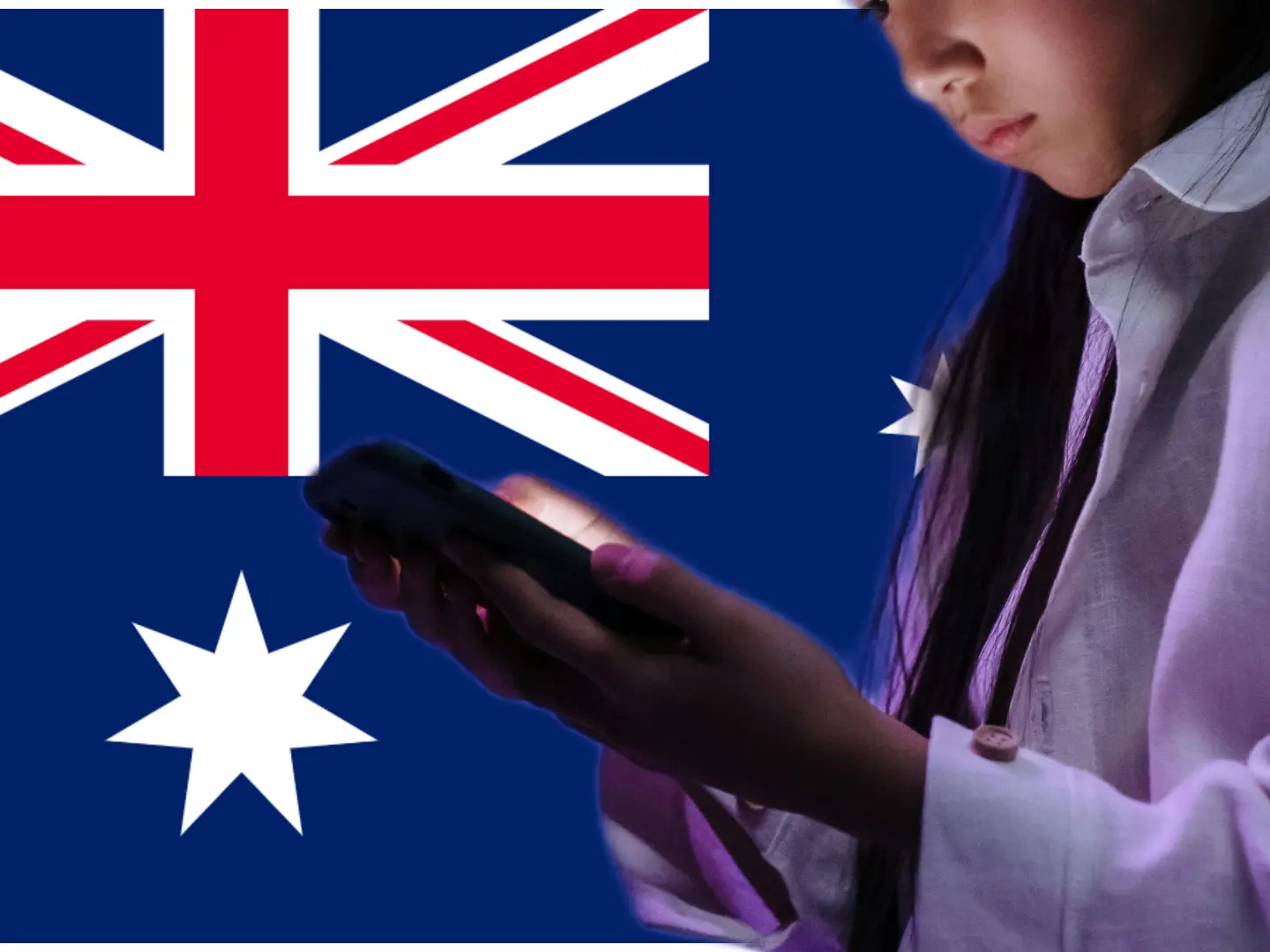
The announcement by Meta that it would ban kids aged below 16 from its massively popular social media networks, Instagram and Facebook, is a pivotal moment in addressing Big Tech influence over the lives of teens, and an example of how whistleblowers and a determined government can force these multinational firms to act. The ban will begin from December 4 this year, ahead of the law taking full effect on December 10. With this law, Australia has led the path for restrictions aimed at weaning away children from the mental-health issues linked to social media addiction. The ban is coming at the end of a long saga of whistleblower disclosures, parent complaints, government rule changes and public pressure on platform practices. Both sides of the Australian political establishment united in making one of the most powerful technology companies on the planet comply. Meta, which owns Instagram, Facebook and Threads fervently opposed the legislation until late 2024. But it will now be deactivating the accounts it had long insisted it could not reliably identify.
A platform economy built on adolescent engagement faced whistleblower pressure
The lid on Meta’s stranglehold on teen engagement was blown in 2023 and 2024, when whistleblowers from inside major social media companies stepped forward to tell the truth. They publicly described sophisticated internal systems used by these companies to estimate user ages and track behaviour patterns. The revelations showed that many social media companies have behind-the-scenes tech that actively tailors content and ads for young teens. This sharply contradicted years of claims by the tech giants that their platforms could not meaningfully detect underage users without forcing everyone to submit government IDs.
Targeted advertising is possible, but not targeted classification of users?
The claims by insiders led Australian lawmakers and child-safety advocates to ask the key question: if these platforms already have enough tech and data to identify minors for targeted advertising and safety features, why can’t they introduce similar tools to stop children from opening accounts in the first place? Amid lawmaker pressure, the government commissioned age-assurance technology trials in 2024 and 2025. These trials offered a partial vindication: even though not perfect, platforms had enough signals and data to take what the law would later describe as “reasonable steps” to address teen use of social media.
Trending Stories
&imwidth=180&imheight=135&format=webp&quality=medium)
100,000 strikes in 3 years: How October 7 redefined Israel's war
&im=FitAndFill=(700,400)&imwidth=180&imheight=135&format=webp&quality=medium)
Happy Birthday Rekha: Watch these 7 evergreen Bollywood hits on Netflix, Prime Video and more
&imwidth=180&imheight=135&format=webp&quality=medium)
‘Your people don’t even let us near it’: IAF chief’s blunt response on US F-35; India yet to decide on Russia’s Su-57
&imwidth=180&imheight=135&format=webp&quality=medium)
Real or fake? PIB fact-checks protest videos; Delhi Police clarifies on Gurdwara Bangla Sahib clip
&imwidth=180&imheight=135&format=webp&quality=medium)
Delhi on high alert for CJP protest: Delhi police to use body cams to 'prove whether we did anything’; Pink Force, RAF, 35,000 personnel deployed
&imwidth=180&imheight=135&format=webp&quality=medium)
‘Never-ending flow of cheap labour’: JD Vance hits back at Indian-origin Congresswoman over US green card curbs for major tech companies
&imwidth=180&imheight=135&format=webp&quality=medium)
Panama president declares ‘major disaster’ after powerful 7.7-magnitude earthquake; over 80 aftershocks recorded
&imwidth=180&imheight=135&format=webp&quality=medium)
Why Rajinikanth turned down Baasha 2 and Petta 2 but returned for Jailer 2
&imwidth=180&imheight=135&format=webp&quality=medium)
'Jantar Mantar not the story of India': BJP's Sambit Patra claims 'anarchists' tried to hold Delhi captive
&imwidth=180&imheight=135&format=webp&quality=medium)
BJP MP Ravi Shankar Prasad slams CJP protests, calls it 'shadow boxing for AAP'
&imwidth=180&imheight=135&format=webp&quality=medium)
US midterm elections: Why Zohran Mamdani's influence could become a headache for Democrats and Republicans
&imwidth=180&imheight=135&format=webp&quality=medium)
Riyadh airport hit in missile attack, dozens injured; 5 in intensive care
&imwidth=180&imheight=135&format=webp&quality=medium)
'Spent Rs 2,000 cr to elect Trump': Elon Musk bought US President's loyalty by writing the biggest political cheque in human history
&imwidth=180&imheight=135&format=webp&quality=medium)
Powerful 7.7 magnitude earthquake strikes Panama, tsunami warning issued
&imwidth=180&imheight=135&format=webp&quality=medium)
Elon musk & India clash over Starlink's market entry terms
&imwidth=180&imheight=135&format=webp&quality=medium)
INDIA bloc plans mega protest on Monday amid Delhi crackdown, Wangchuk's warns to launch 'padyatra'
&im=FitAndFill=(700,400)&imwidth=180&imheight=135&format=webp&quality=medium)
New Friday OTT releases (October 9, 2026): Reporting Live, Animals, Take Charge of My Heart- 6 new titles coming on Netflix, JioHotstar and more
&imwidth=180&imheight=135&format=webp&quality=medium)
'Ouch!!! That must hurt': Kangana Ranaut hails Kamal Haasan's sharp reply to Elon Musk over Starlink row
&imwidth=180&imheight=135&format=webp&quality=medium)
‘Right to protest must be protected, but...’: Delhi Police reveals why it denied CJP permission for October 10 Jantar Mantar protest
&imwidth=180&imheight=135&format=webp&quality=medium)
Hamas used double agents, deceived Israel to carry out October 7 massacre
&imwidth=180&imheight=135&format=webp&quality=medium)
NIA files FIR in Flydubai hijack attempt and attack on Smit Machchhar, probes ‘larger conspiracy’
&imwidth=180&imheight=135&format=webp&quality=medium)
Portugal Federation confirms Cristiano Ronaldo’s return to national team despite suspension
&imwidth=180&imheight=135&format=webp&quality=medium)
All 22 Indian seafarers safe in attack on Panama-flagged tanker off UAE coast
&imwidth=180&imheight=135&format=webp&quality=medium)
‘Time for Ukraine to get a new president’: Trump lashes out at Zelensky over Russia strikes
&im=FitAndFill=(700,400)&imwidth=180&imheight=135&format=webp&quality=medium)
Food shortages, suicide attempts and more: USS Abraham Lincoln returns to US after 321 day deployment — What happened aboard the US carrier?
&imwidth=180&imheight=135&format=webp&quality=medium)
Thai queen becomes first reigning monarch to fly jet solothailand #queen #wion
&imwidth=180&imheight=135&format=webp&quality=medium)
‘Every game against Liverpool is special’: Erling Haaland ahead of Anfield clash
&imwidth=180&imheight=135&format=webp&quality=medium)
Rahul Gandhi calls Modi, Shah ‘cowards’ amid CJP protest crackdown in Delhi
&imwidth=180&imheight=135&format=webp&quality=medium)
Four years, 3 licenses, zero launch: Why is Elon Musk’s Starlink still struggling to crack Indian market? EXPLAINED
&imwidth=180&imheight=135&format=webp&quality=medium)
AUS vs SA 1st Test, Day 2: Renshaw shines with 190 as Australia dominate South Africa
&imwidth=180&imheight=135&format=webp&quality=medium)
Why was CJP founder Abhijeet Dipke detained? What Delhi Police said
&imwidth=180&imheight=135&format=webp&quality=medium)
Putin conveys Iran’s proposal to Trump, offers to take Tehran’s enriched uranium
&imwidth=180&imheight=135&format=webp&quality=medium)
'It’s been 12 hours': CJP writes to Delhi Police, demands release of Dipke, Saurav Das and Ranka
Also read: From Reposts to Maps: Instagram launches new features, netizens say 'it's wannabe TikTok, X'
Australia passed a world-first law on under-16s' social media access
The pivotal moment came on 28 November 2024, when the Australian Parliament passed a world-first law. The Online Safety Amendment (Social Media Minimum Age) Bill banned users under 16 from “age-restricted” platforms. It required companies to enforce the prohibition one way or another. It went beyond so-called parental consent, which is not always practical. What made the tech giants sit up and take Australia seriously was the steep penalties for non-compliance, set at up to A$49.5 million. The law’s obligations roll out from 10 December this year, giving companies nearly a year to prepare.
In June this year, an age-assurance trial report outlined what platforms could and could not reliably detect when it comes to underage access. On July 30, new rules were published defining which services counted as “age-restricted.” On November 5, Australia’s eSafety Commissioner finalised an initial list which included Facebook, Instagram, Threads, TikTok, Snapchat, X, YouTube, Reddit and Kick, while exempting messaging and education services.
Meta eventually yields
Meta was forced to shift from criticising the Australian law as ‘ineffective’ to pledging compliance, possibly because of the financial and reputational stakes involved. Facing a parliamentary hearing in October, representatives of Meta, TikTok and Snap agreed to deactivate underage accounts. On November 16, Meta began notifying Australian users aged 13 to 15 of their upcoming account deactivation. From 4 December, Meta will start the phased shutdown of under-16 accounts. It will also block new sign-ups ahead of the 10 December enforcement deadline.
Will it end social media overuse by underage individuals?
The calls for keeping underage individuals off social media came after a series of cases involving online bullying, self-harm and even suicides. The Australian government has now forced one of the world’s largest companies to deploy technology it had long resisted or said was impossible. Will the ban reduce harm for teens? Or will they go into new, harder-to-track services? That remains to be seen, but regulators across the world are watching developments in Australia closely.

