&imwidth=800&imheight=600&format=webp&quality=medium "Iran-US peace deal: Strait of Hormuz reopening uncertain amid ‘toll vs service charge’ row, mines danger, sailor killings")
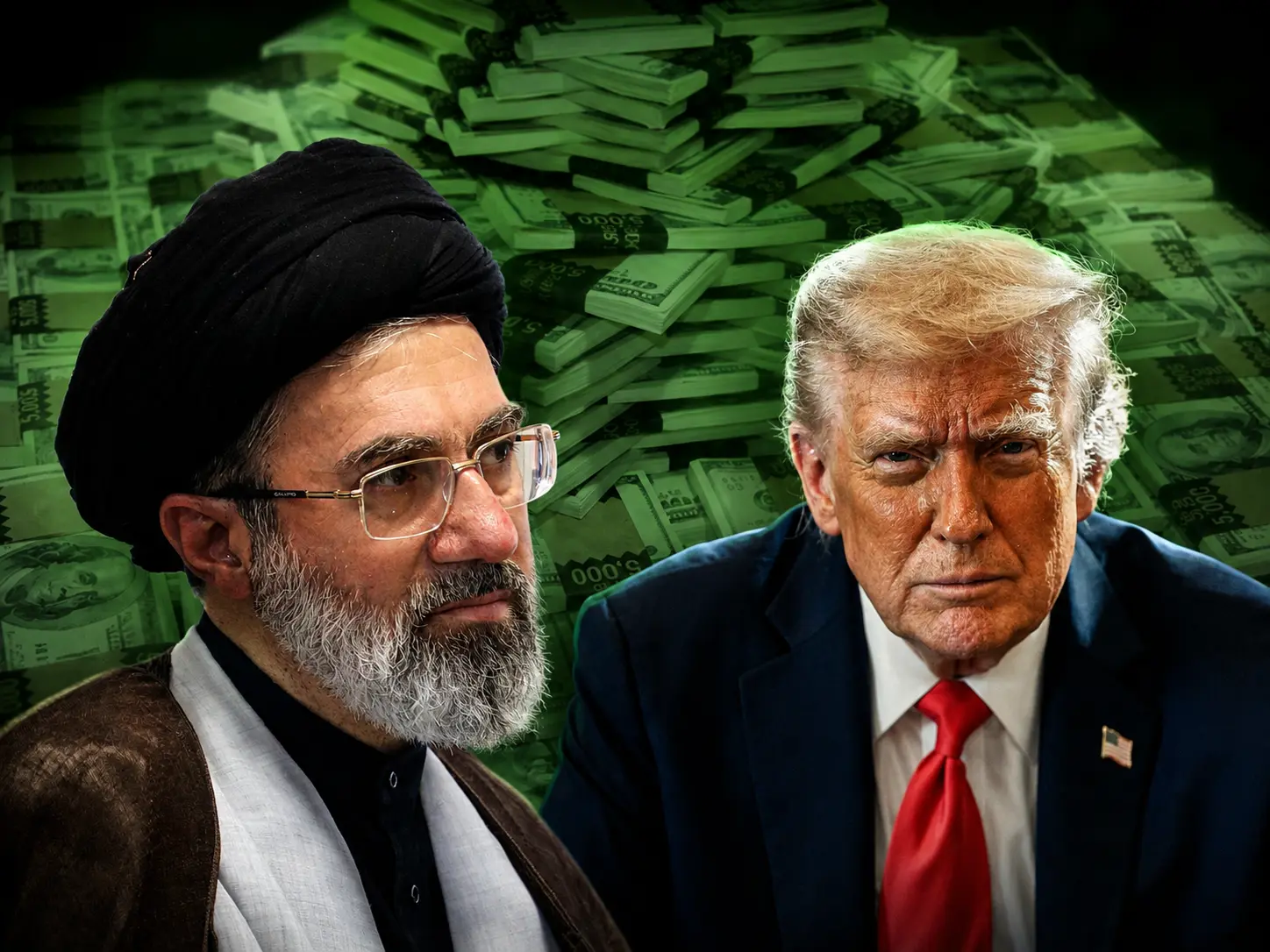
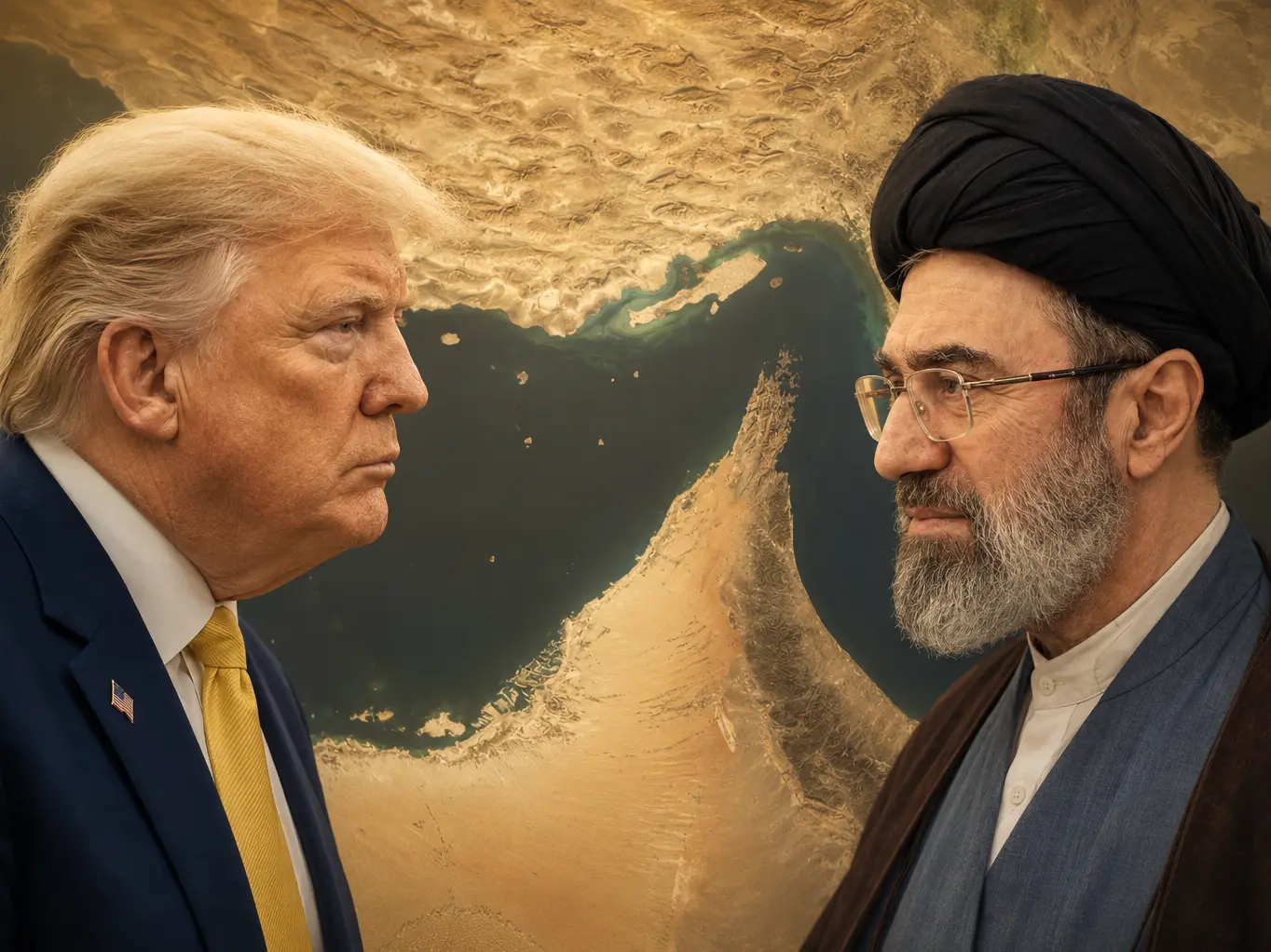
The good news is that the US and Iran on Sunday (Jun 14) reached a peace Memorandum of Understanding (MoU), to be signed on Friday. But the bad news is, there still appears to be differences over the full reopening timeline for the Strait of Hormuz. US President Donald Trump announced the immediate lifting of the US naval blockade. He said the strait will reopen on the signing of the MoU, and added it will be "permanently toll-free." The MoU reportedly covers a drawdown of US forces. But the fog of war continues.
What is the toll vs service charge row on Strait of Hormuz?
Trump and US officials are reportedly insisting on a permanent toll-free passage and immediate reopening of the strait. Iran appears to have agreed to no formal "tolls" but still seeks "service charges" or fees for navigation aid, security, and environmental services. This is not new. Iran had traditionally maintained control and management of the strait, and fees were indeed paid for transit. An Iran-Oman mechanism is currently in place under the new Persian Gulf Strait Authority, requiring vessels to apply and disclose ownership, cargo and insurance.
The US and allies are rejecting the fees as violations of international law. This is causing a nomenclature row: 'toll' or ‘service charge’?

Also read: After ceasefire, Iran reveals roadmap to final US agreement and possible $24 billion payout
Will US Navy blockade continue?
Trump authorised an immediate removal of the US naval blockade. Upon signing of the MoU, the US Navy will stand down. But this appears to be contingent on the Strait being toll-free and immediate restoration of full international access. Iran is insisting on management of the strait , with no full ceding of control over the chokepoint foreseen in the near future. Israel, the main party to the conflict, is overall sceptical of the Iranian compliance to the MoU, including on the Hormuz terms.
Trending Stories
)
Why asking questions could be more important than memorising answers
)
Did India risk its US trade deal despite softer stance at BRICS?
&im=FitAndFill=(700,400))
How 2nm technology improves iPhone performance
&im=FitAndFill=(700,400))
Shahid Kapoor to Rajkummar Rao: Actors who rule both theatres and OTT
)
BRICS Summit 2026: Trump wants to weaken BRICS, but maybe doing the opposite
&im=FitAndFill=(700,400))
Meet top 5 batters fastest to 3000 runs in T20Is
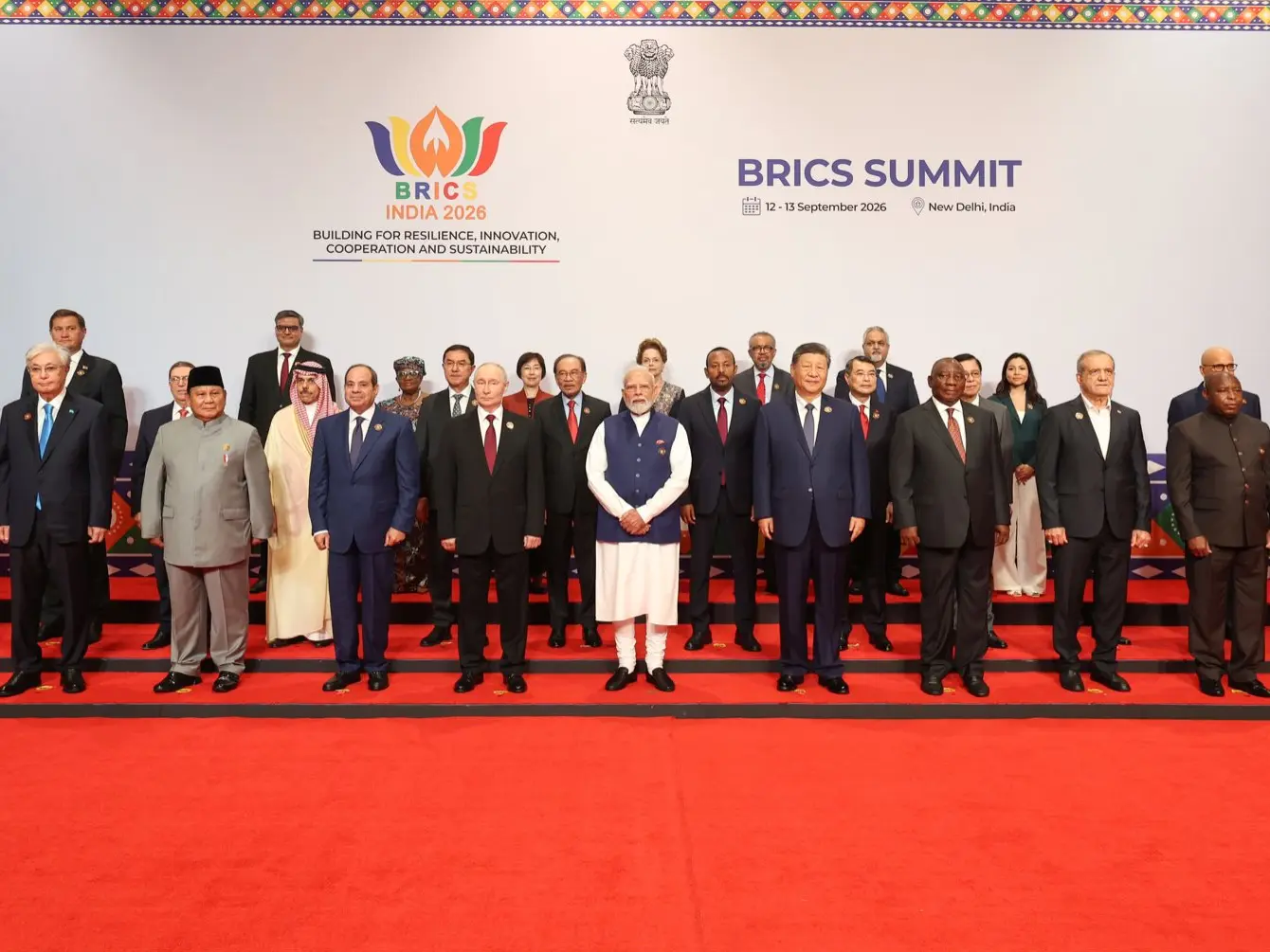)
Did BRICS Summit 2026 prove that an 11-member bloc with India and China in it can still agree on key issues?
)
Top 5 places to visit in Goa beyond its famous beaches
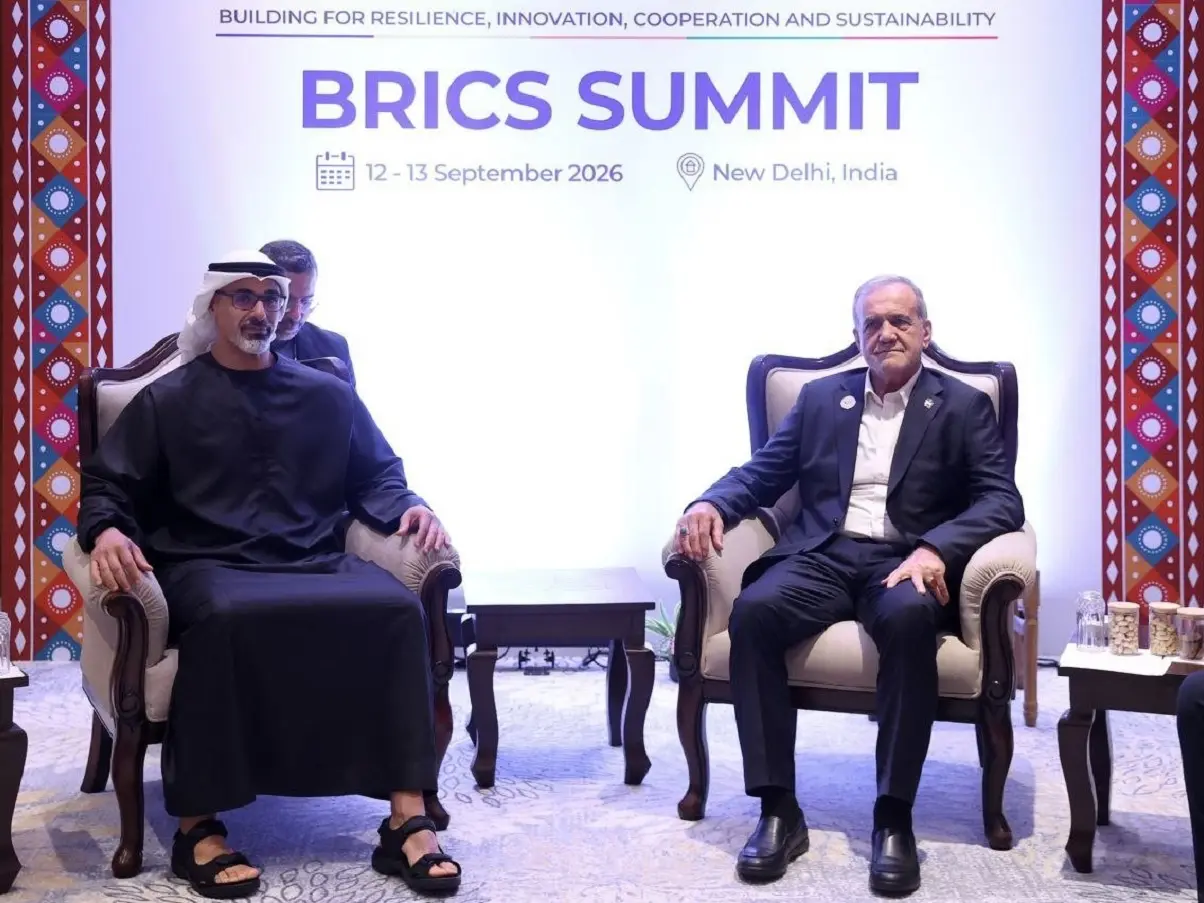)
Delhi’s balancing act: BRICS serves as a stage for West Asia diplomacy
&im=FitAndFill=(700,400))
Why European Meteor missiles use ramjet engines compared to standard US solid rockets
)
'He is popular...': Malaysian PM Anwar Ibrahim's praise for PM Modi during bilateral meeting | WATCH
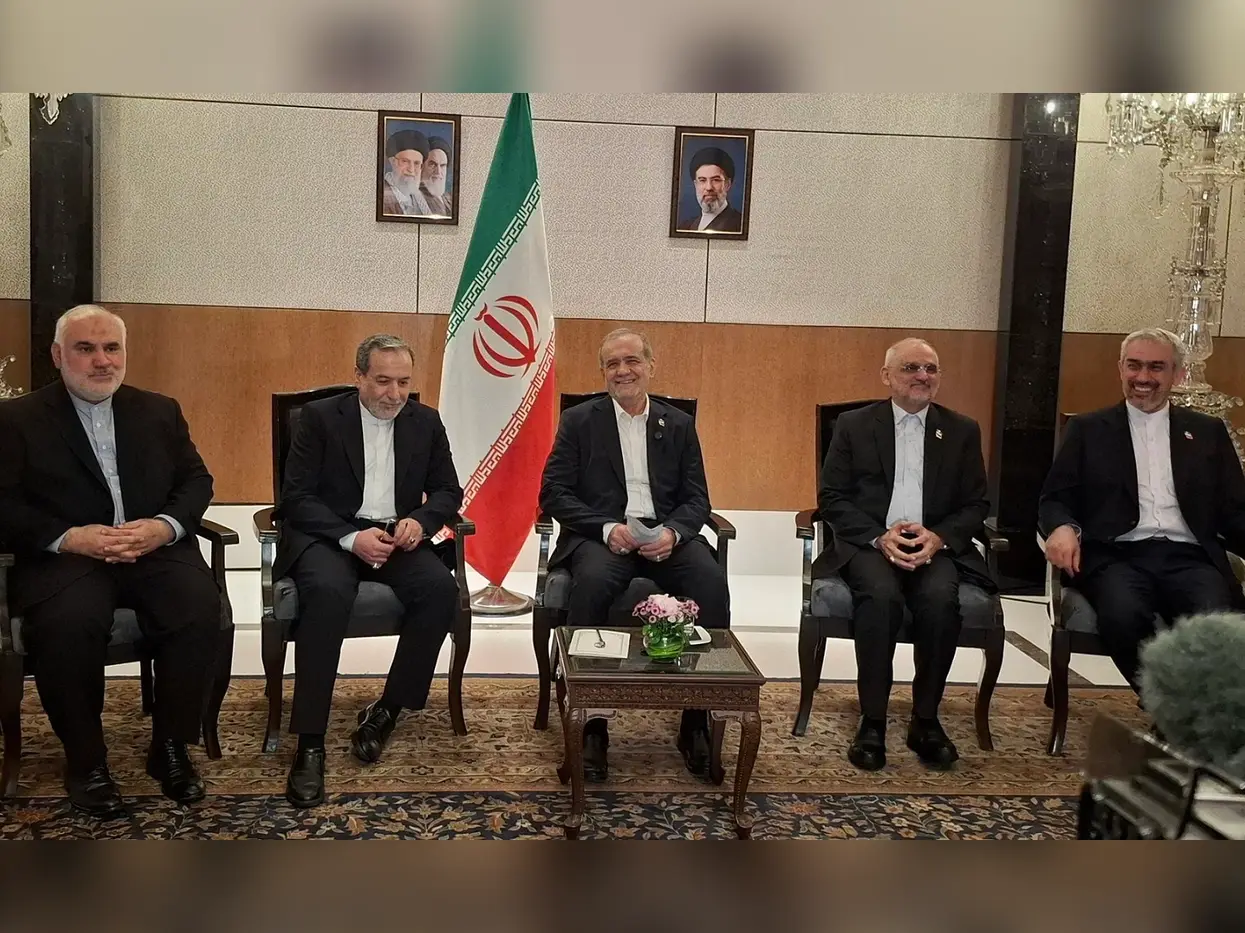)
Iran, India agree to deepen humanitarian and political ties, President Pezeshkian says
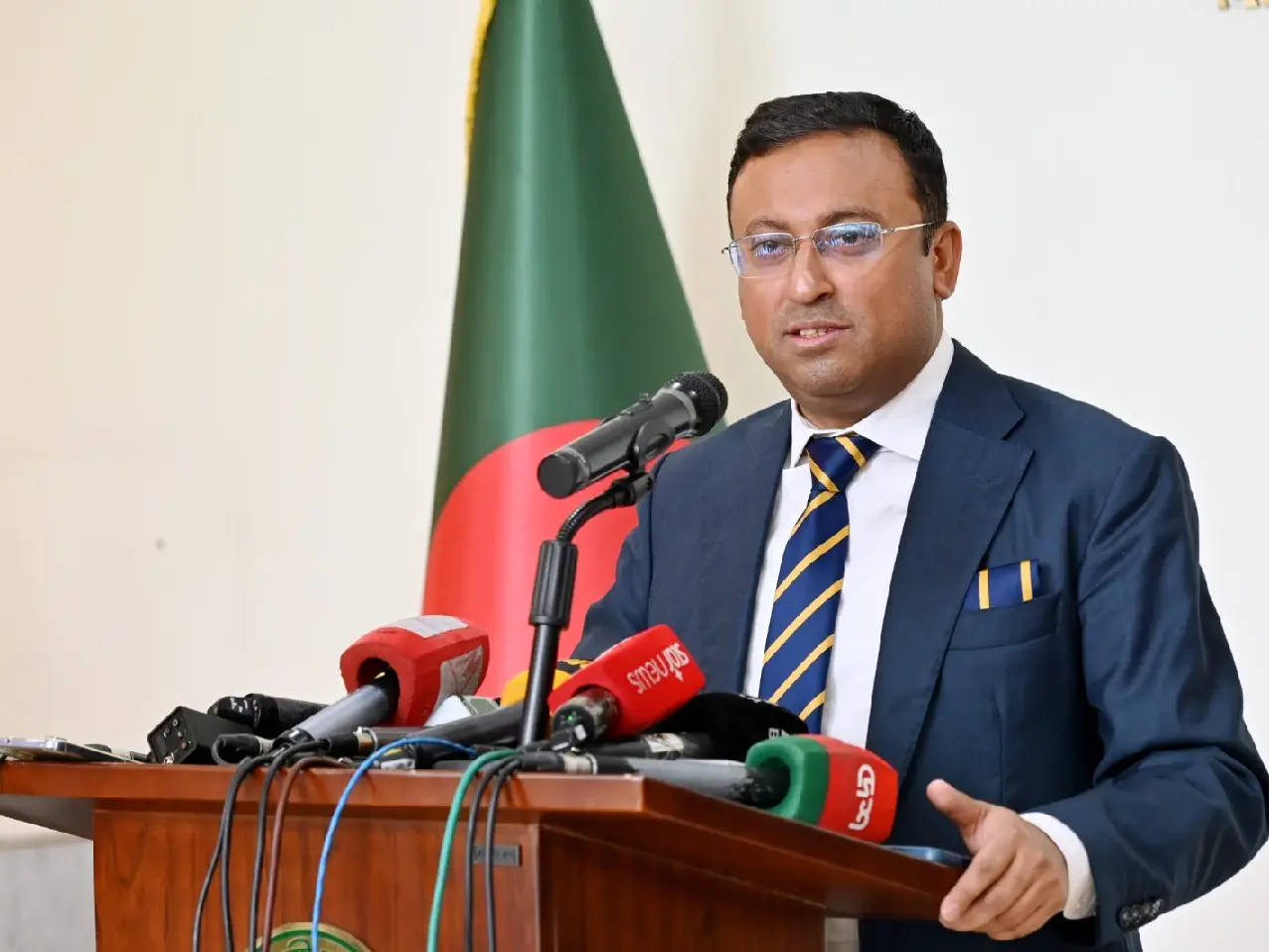)
‘Want to reset ties with India, have engagement based on mutual interests,’ says Bangladesh minister
)
BRICS Summit 2026: PM Modi, Xi reach key consensus on ties, China to assume BRICS chairmanship in 2027
)
UK breakup on the cards? Scotland, Wales and Northern Ireland push for independence
)
Russia-Ukraine-US talks in October? Kremlin says not ruling out possibility of trilateral
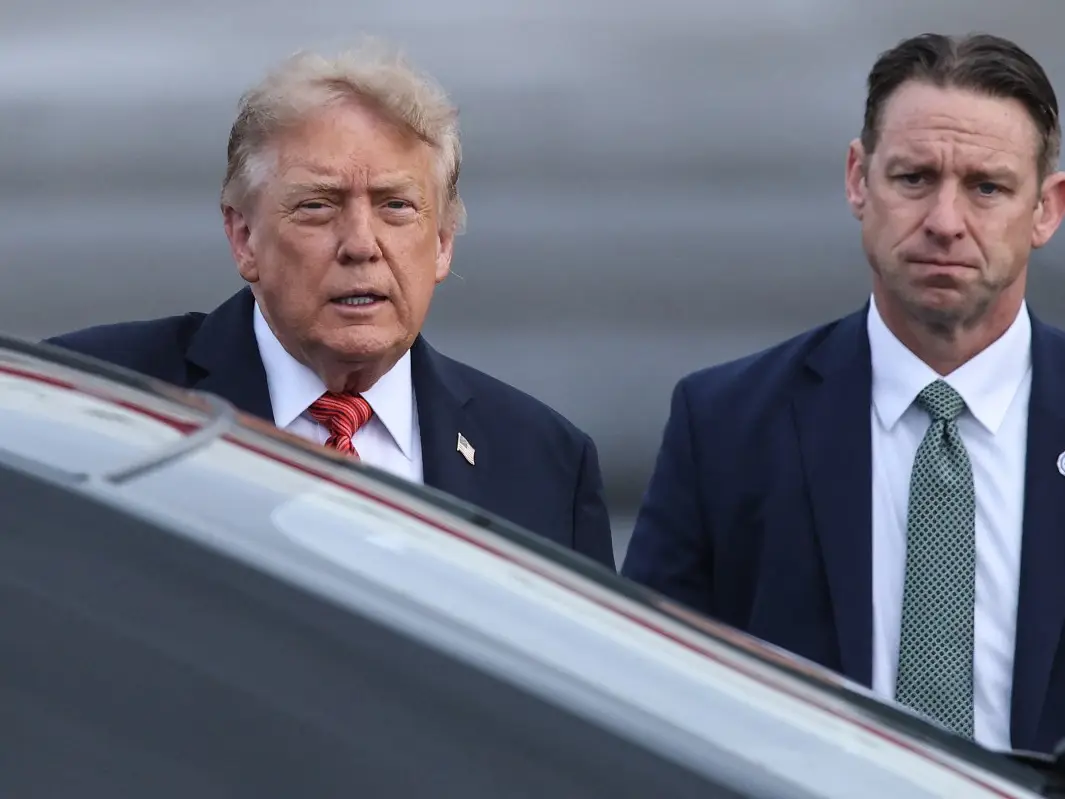)
Trump says Canada eager to reach a deal, it could come ‘fairly soon’ if Ottawa treats US farmers better
)
The Verdict | Africa is too big to remain a guest at the BRICS table
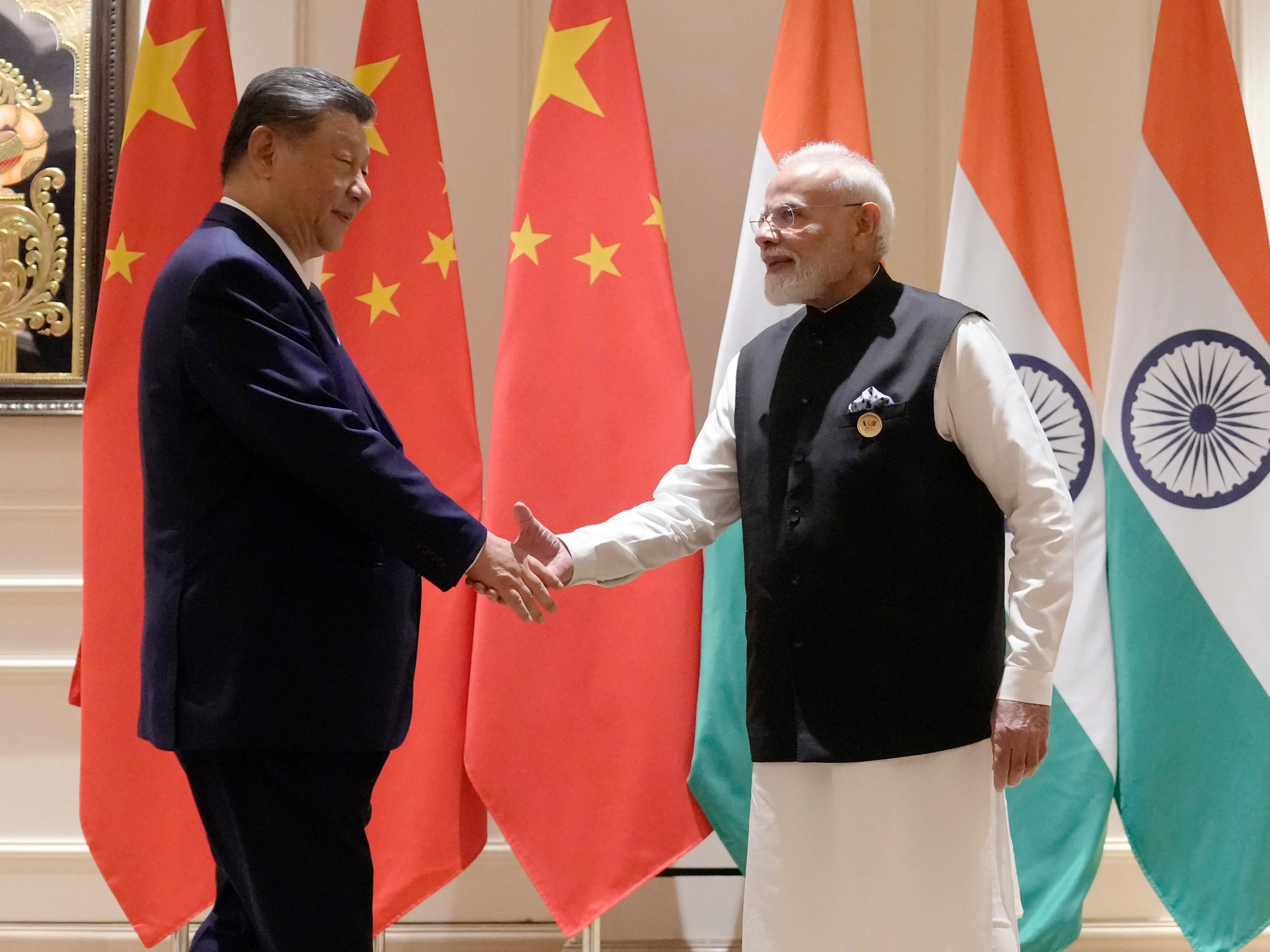)
‘Partners, not rivals’: Xi outlines four point plan for stronger India-China ties
&im=FitAndFill=(700,400))
Why Chinese PL-15 air-to-air missiles use dual-pulse motors compared to European interceptors
)
'It’s going to be a war': Ben Shelton on facing Zverev in US Open title clash
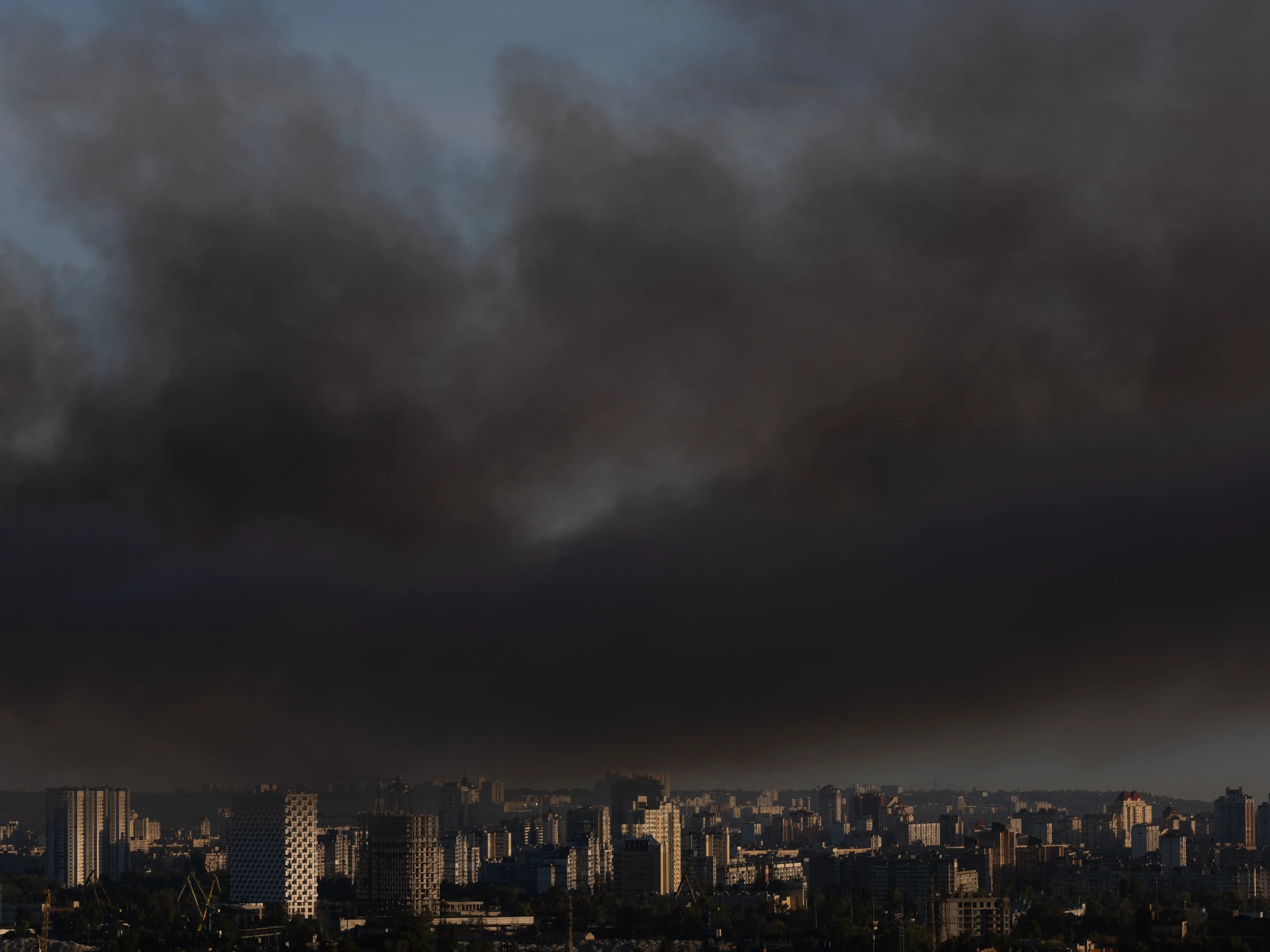)
NATO under Russian threat? Drone strikes just 2 km from Poland, narrow escape for former UK PM, CIA chief
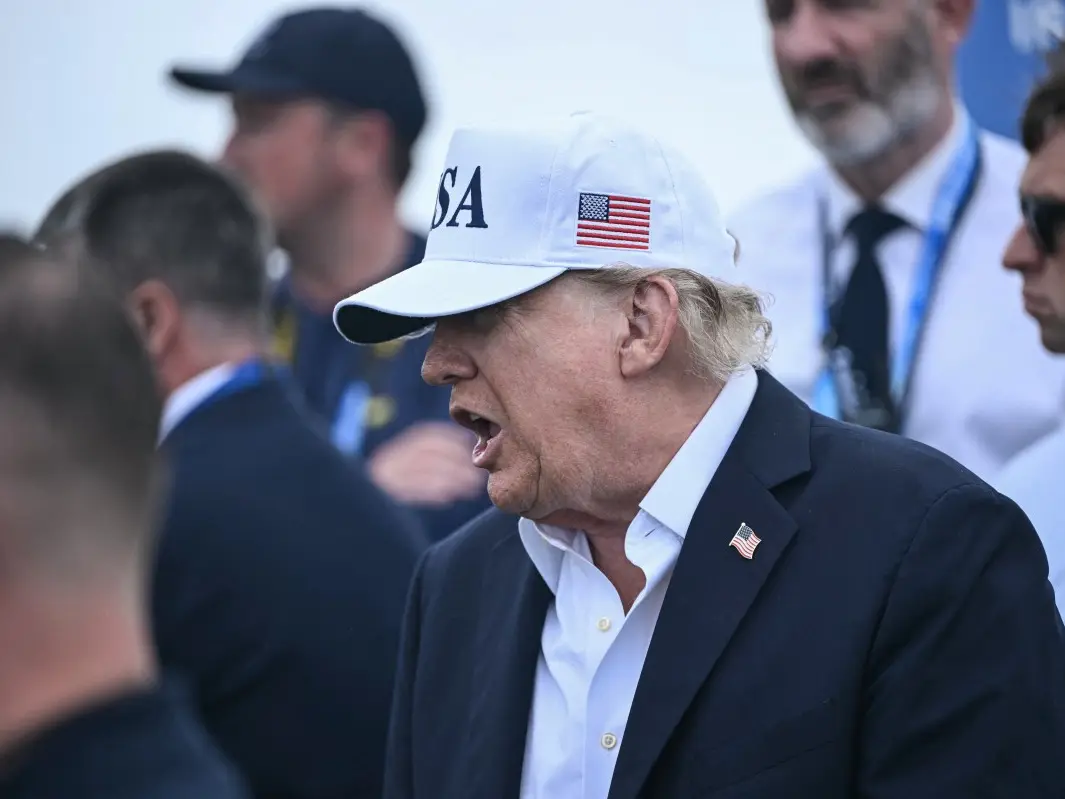)
Trump defends Lincoln Memorial pool amid NYT report blaming renovation flaws, not vandalism
)
BRICS Summit: New Delhi declaration adopted with full consensus, big diplomatic win for India
)
800 million years old - Scientists discover 'fingerprints' of supercontinent Gondwana in ancient rocks
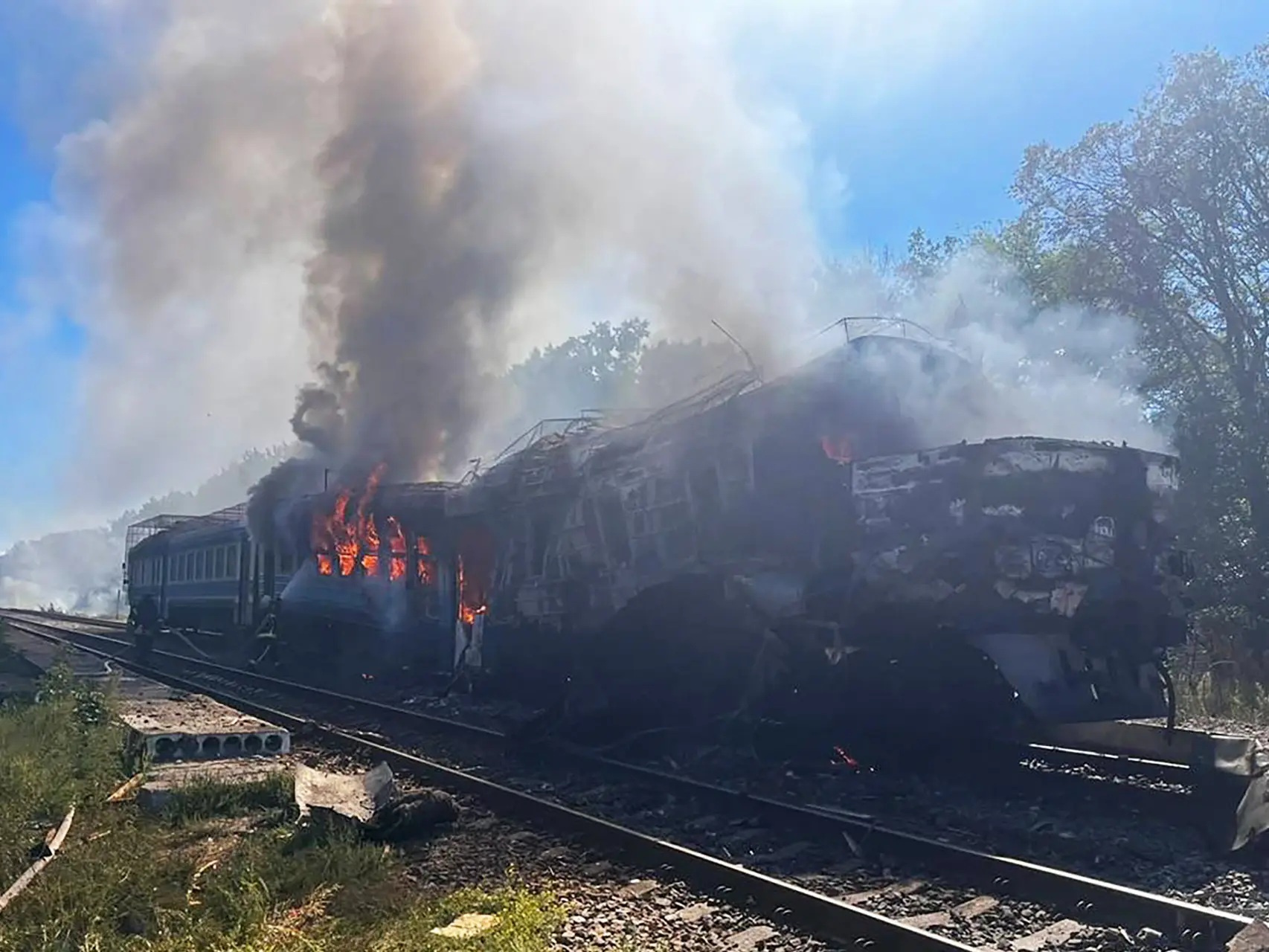)
Russian drone hits Warsaw-bound train near Polish border, Zelensky accuses Moscow of ‘deliberate’ targeting
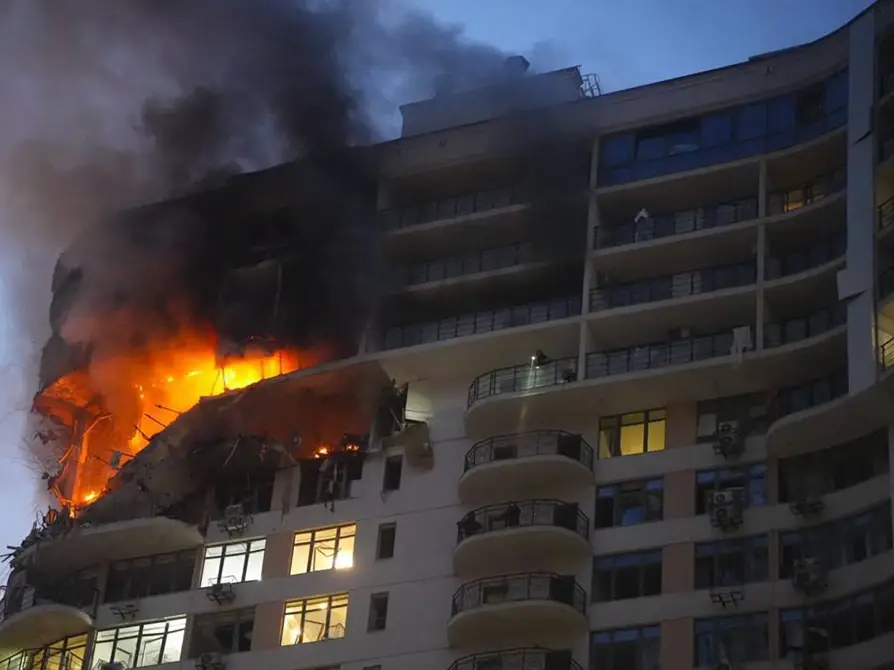)
War is making Russia stronger? How Ukraine is shaping Moscow’s next generation of weapons
)
BRICS Summit 2026: Russia-India-China grouping never formalised
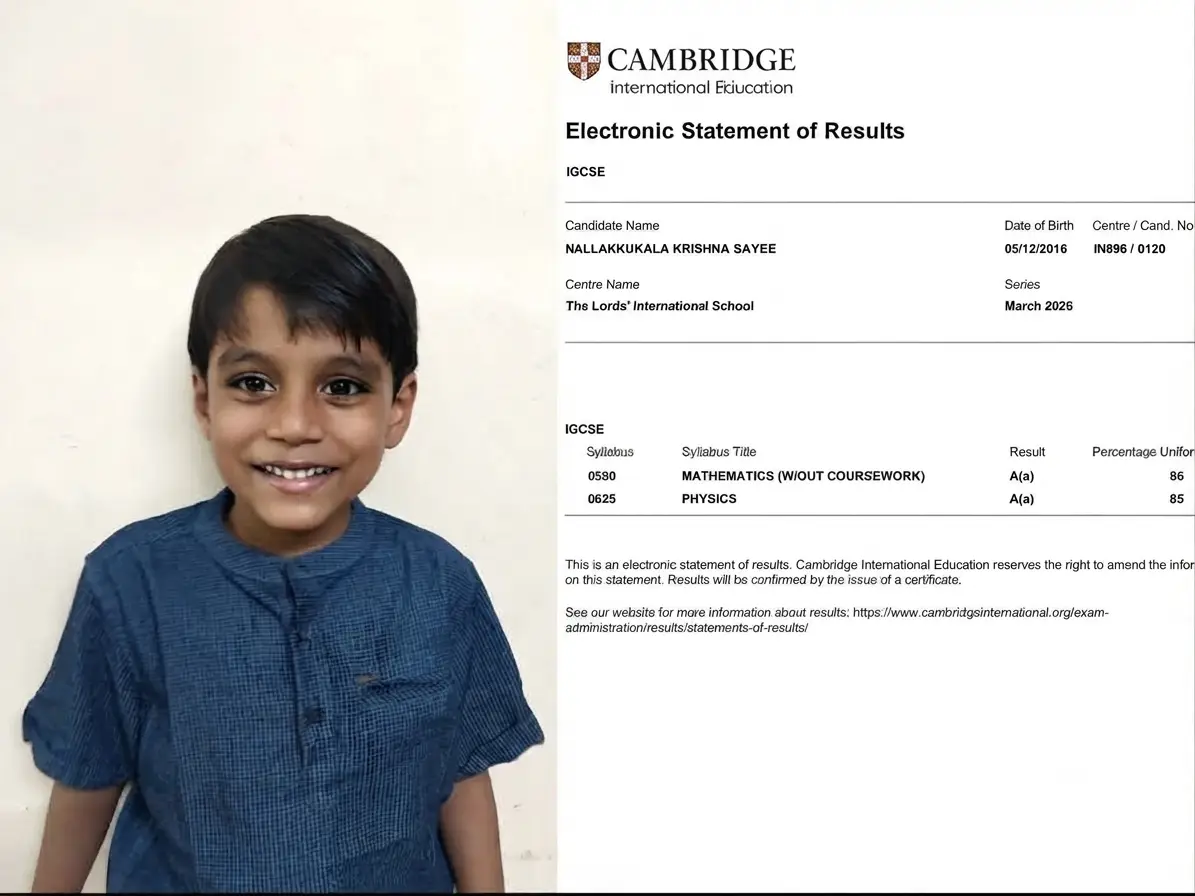)
9-year-old Chennai prodigy clears Cambridge IGCSE grade 10 exams
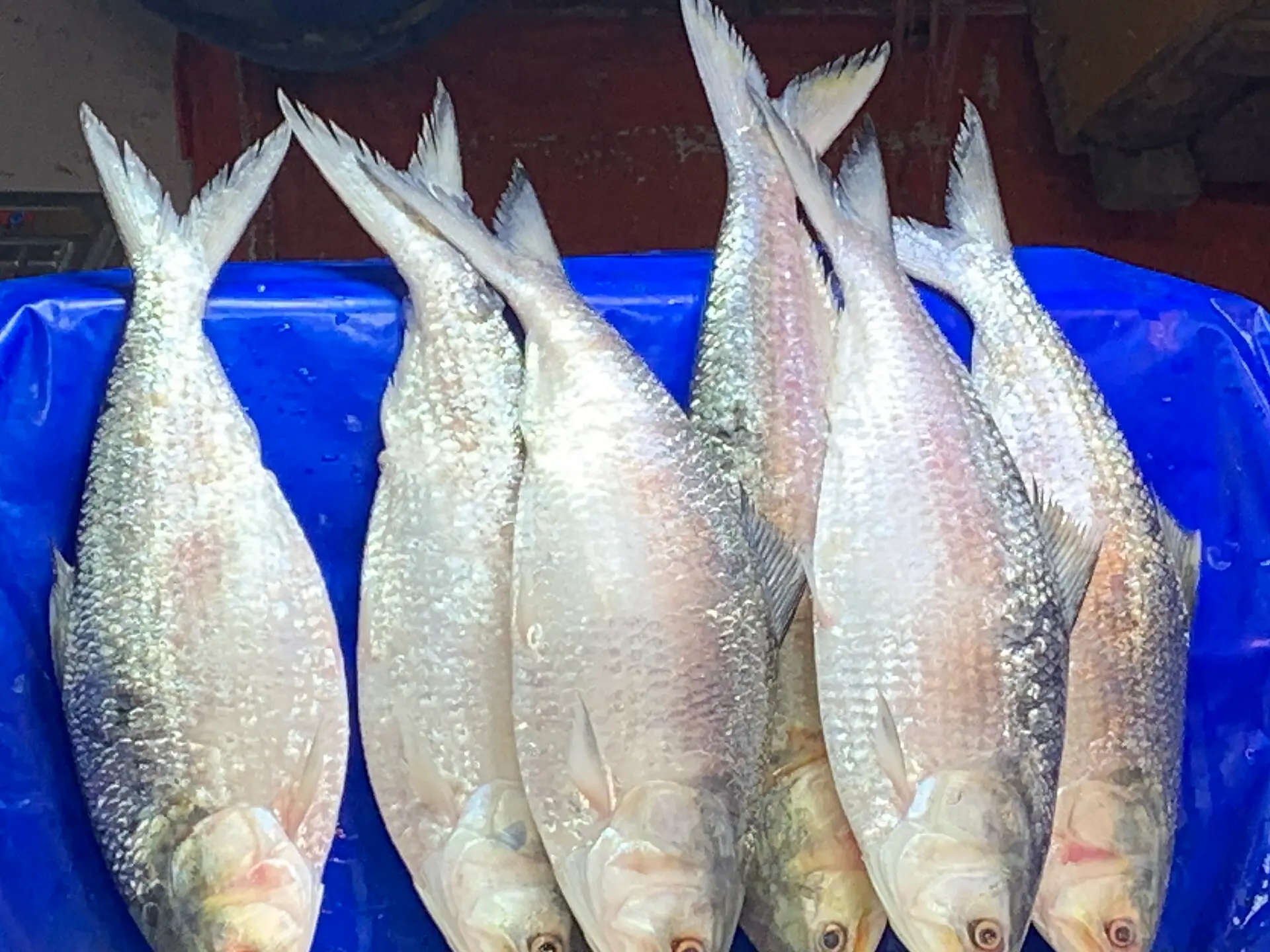)
Indian importers urge Bangladesh to lift export ban on 'Hilsa' fish ahead of Durga Puja
)
Humans may lose control of AI: Anthropic CEO calls for slowdown, Altman, Musk back him
)
US diplomat accused of possessing child abuse images secretly flown out of UK by US Marines
)
BRICS Summit 2026: Modi-Xi moment highlights India-China thaw at BRICS
)
Why does your skin need protection from UV rays?
)
PM Modi and China's Xi offered to help resolve Russia-Ukraine war: Kremlin
)
Akram, Afridi, Mushtaq tear into PCB after Pakistan’s Test series collapse in UK
Also read: China welcomes US-Iran deal to end West Asia conflict, applauds Pakistan's mediation efforts
When will ship traffic resume in Strait of Hormuz?
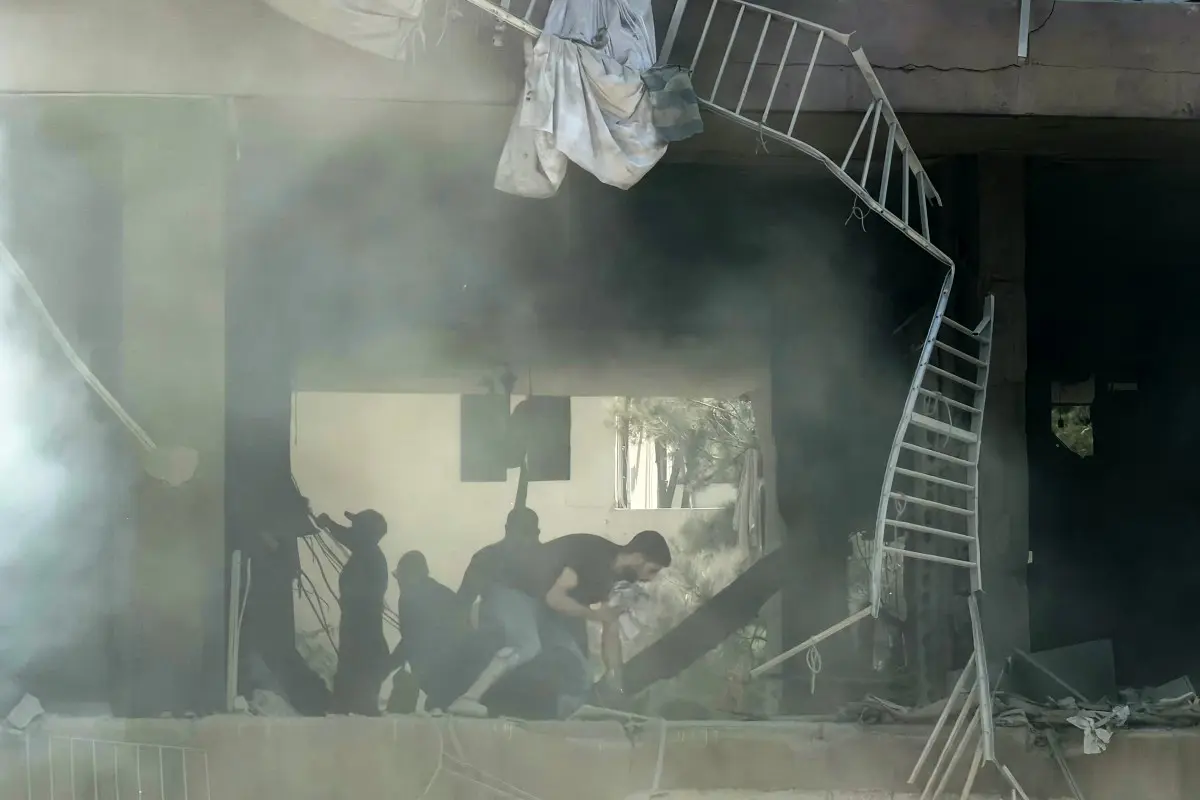
The initial reopening of the strait is likely after Friday's signing, but past days have not been hopeful. The strait was partially open to traffic, but ship firms were scared away by the bombings by the US on vessels, which left sailers inlcuidng indians dead. The mine-laying by Iran had complicated matters. Clearing the mines would take at least 30 days. Full normalisation might take another six months, as per some analyst estimates. The lingering distrust, fee disputes, and verification issues are likely to delay full normalisation.
Currently, there is a 60-day window available for the Hormuz reopening. But that will close unless deeper talks are not agreed upon, and held on other issues such as Iran's nuclear and missile programmes.
By some analyst estimates, mine clearance could take up to six months. Container traffic may reach 50 per cent of normal by July, and normalise by August. LNG carriers would be the last to normalise, with the window seen at around September.
War-risk premiums being paid by the ships, now up to 8 per cent of vessel value, will stay high until insurers see months of incident-free transits.