‘Eye in the Sky’: Which US fighter jet is most commonly used for surveillance during the Iran war?

The F-35 Lightning II has emerged as a crucial surveillance asset during the Iran conflict, using its stealth and advanced sensor fusion to track targets inside contested airspace; it provides an unmatched eye in the sky for commanders.
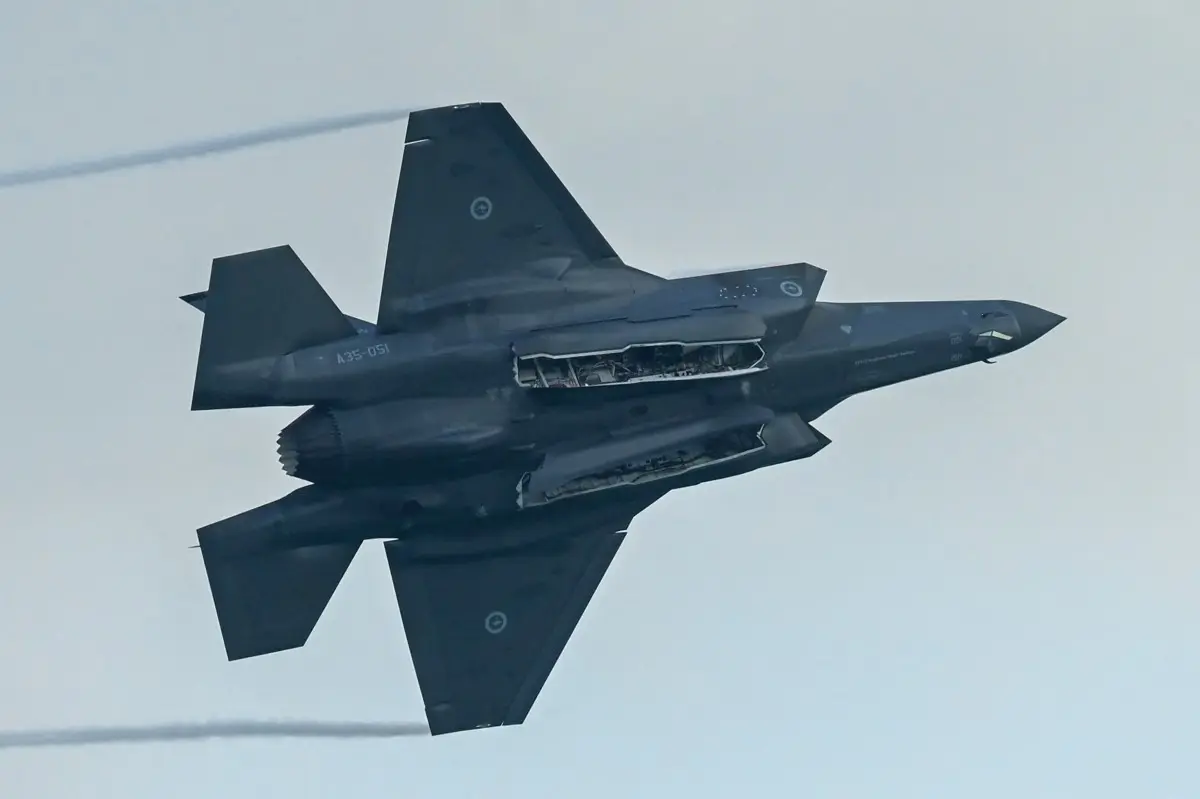
The Flying Computer
The F-35 Lightning II serves as America’s primary intelligence and surveillance asset during the ongoing Iran conflict. This fifth-generation stealth fighter excels at gathering vital battlefield data deep inside hostile territory.
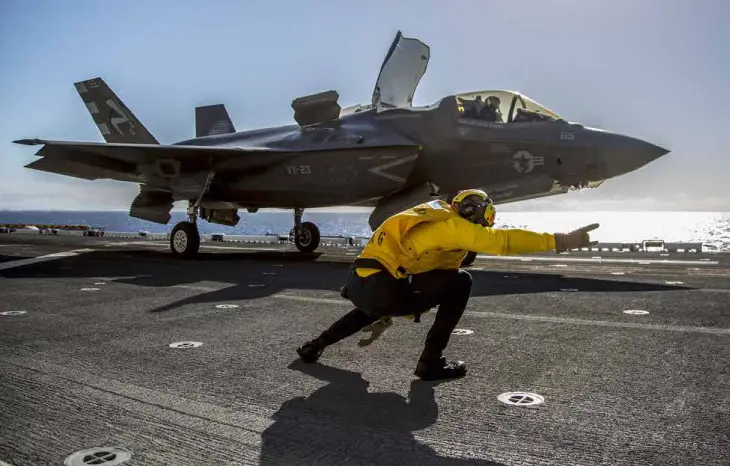
Penetrating Contested Airspace
The jet's advanced stealth capabilities allow it to operate safely within Iran’s heavily defended airspace. This unmatched survivability gives the US military a persistent eye in the sky to monitor enemy movements in real time.
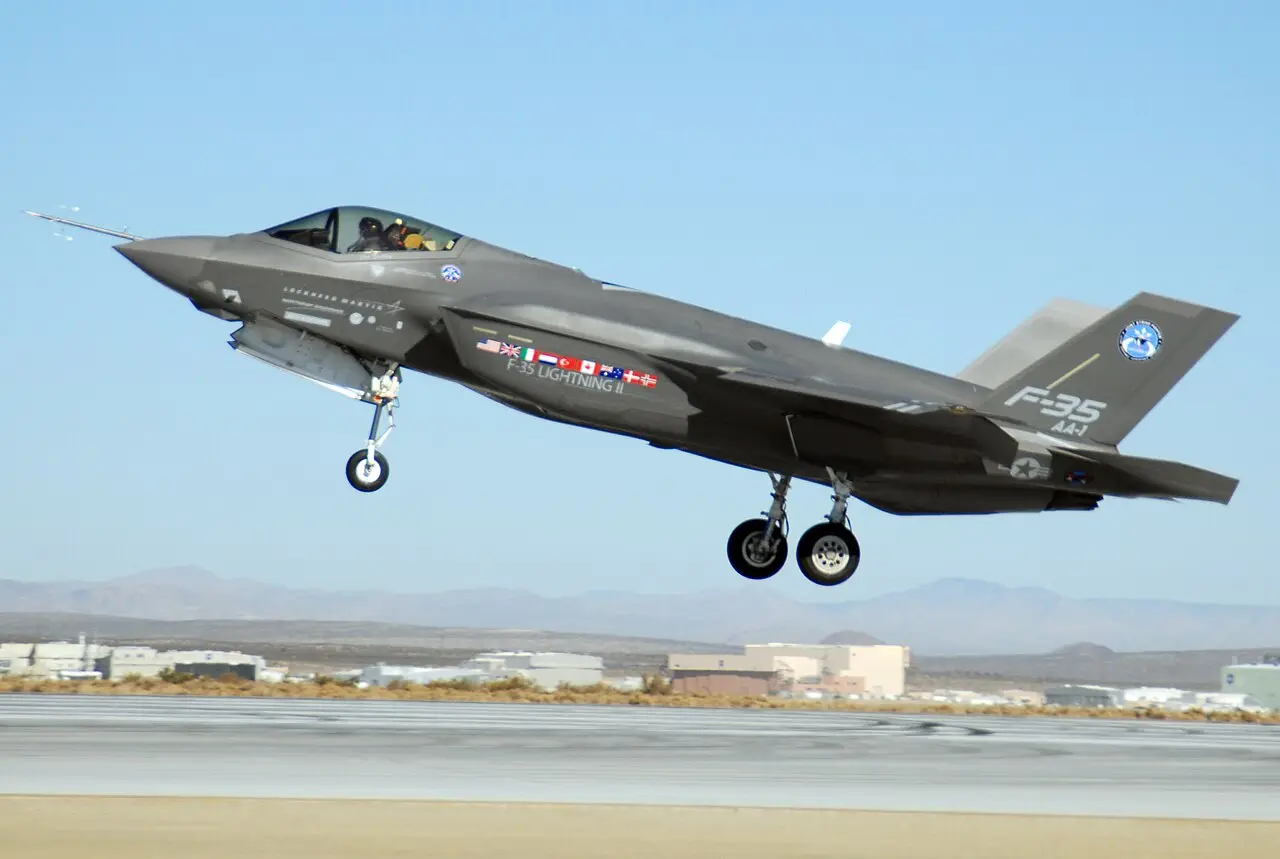
Advanced Sensor Fusion
The F-35 features a highly advanced sensor suite that seamlessly blends data from radar, infrared cameras, and electronic warfare systems. This integrated intelligence picture is instantly shared with older legacy aircraft and ground commanders.
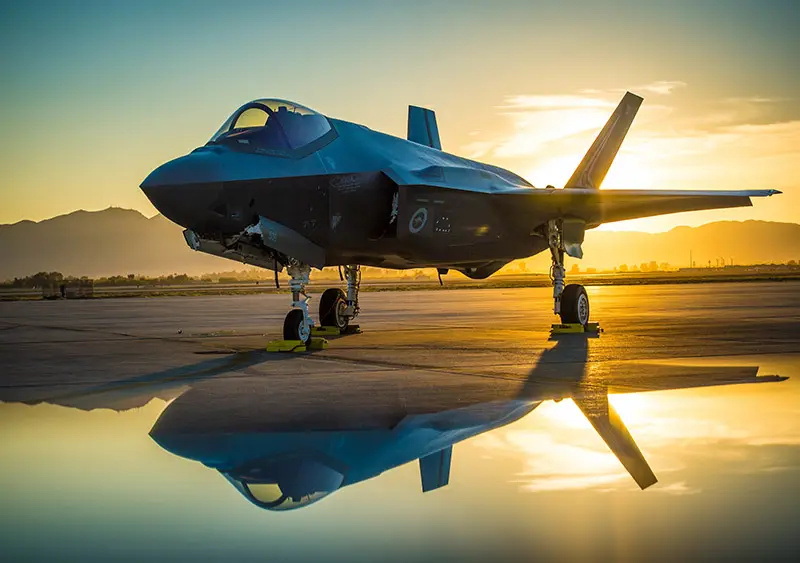
Tracking Mobile Threats
During Operation Epic Fury, the F-35 successfully identified and tracked Iran's mobile air defence networks and missile launch sites. Finding these elusive targets is essential for protecting vulnerable tanker fleets supporting the mission.
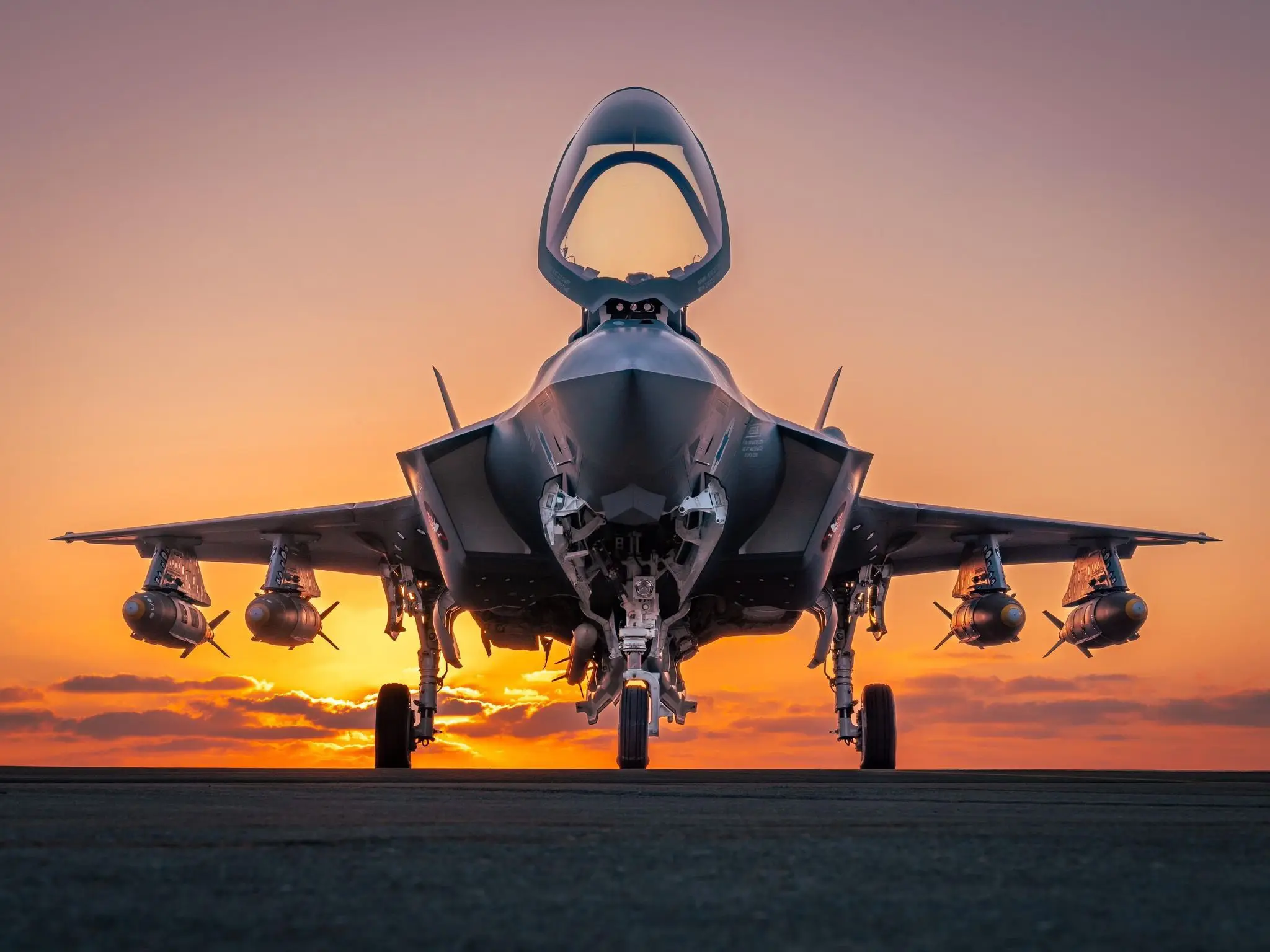
Advanced technology
Deploying this advanced technology comes at an extraordinary financial cost for the US Defence Department. The total F-35 programme is projected to exceed US$2 trillion over its lifetime, making it the most expensive weapons system in military history.
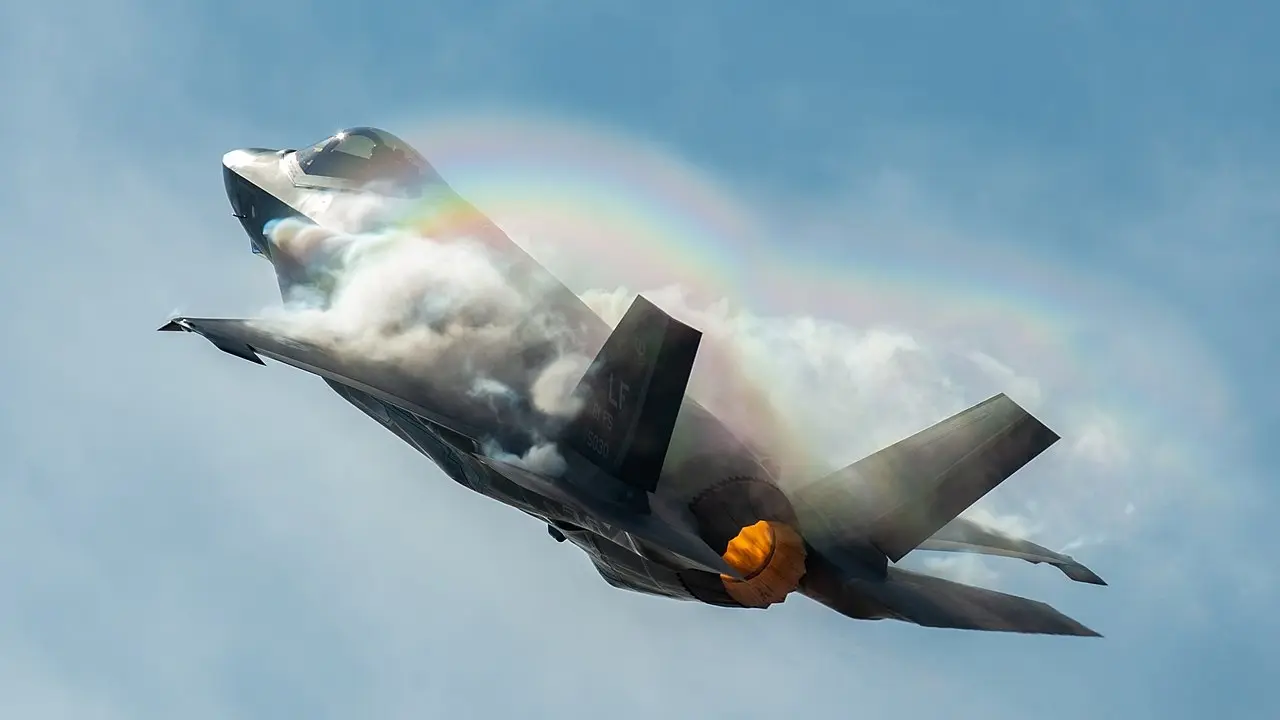
Operating Under Pressure
The harsh Middle Eastern environment places immense stress on the jet's sensitive stealth coatings and thermal management systems. At least one F-35 was forced to make an emergency landing after taking ground fire from Iranian air defence units.
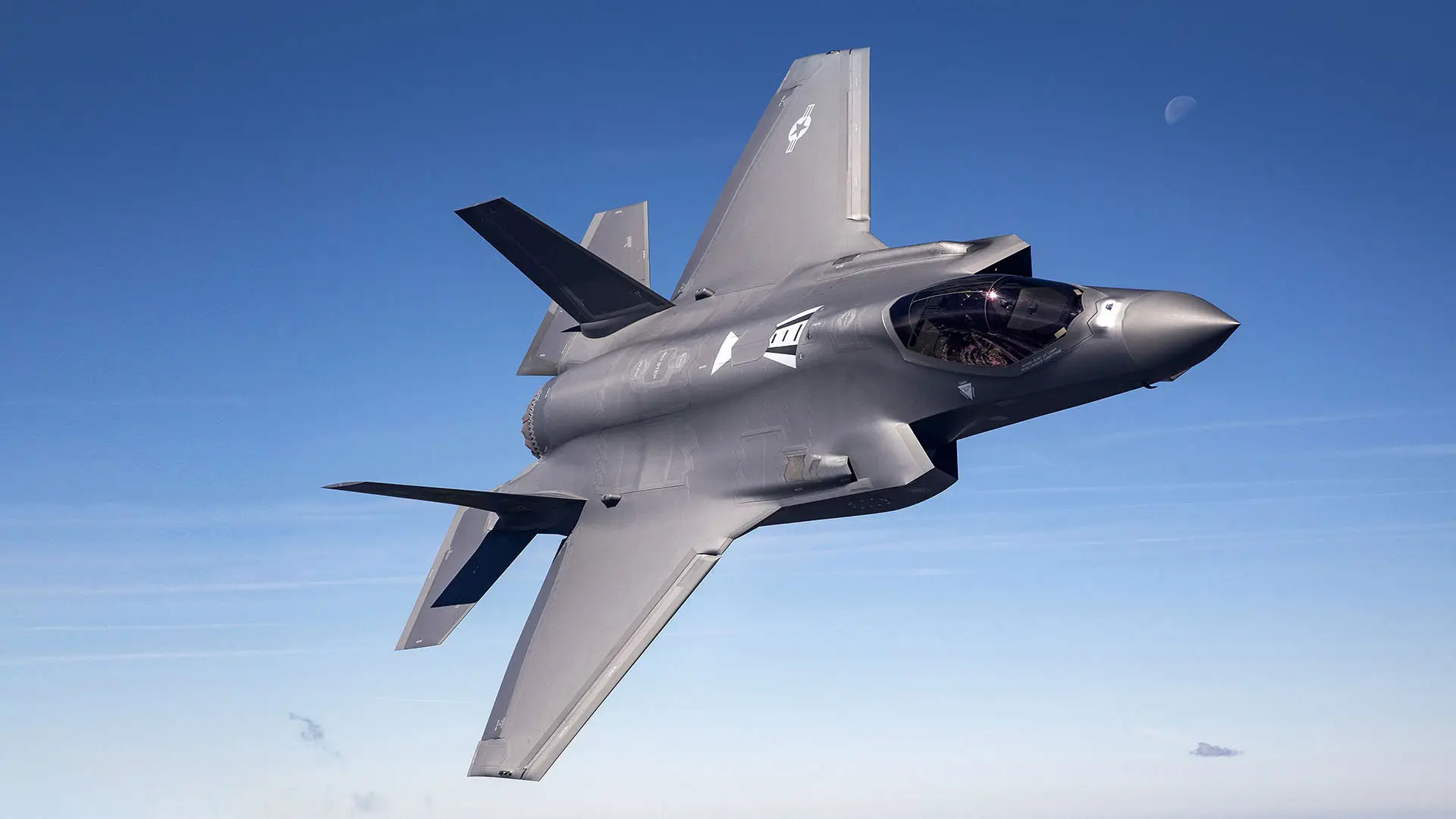
The Future of Surveillance
Military experts agree that the aircraft's performance against Iran fundamentally changes how aerial surveillance operates. However, defence planners warn against relying entirely on a single platform to handle America's global reconnaissance operations.
)
)
)
)
)