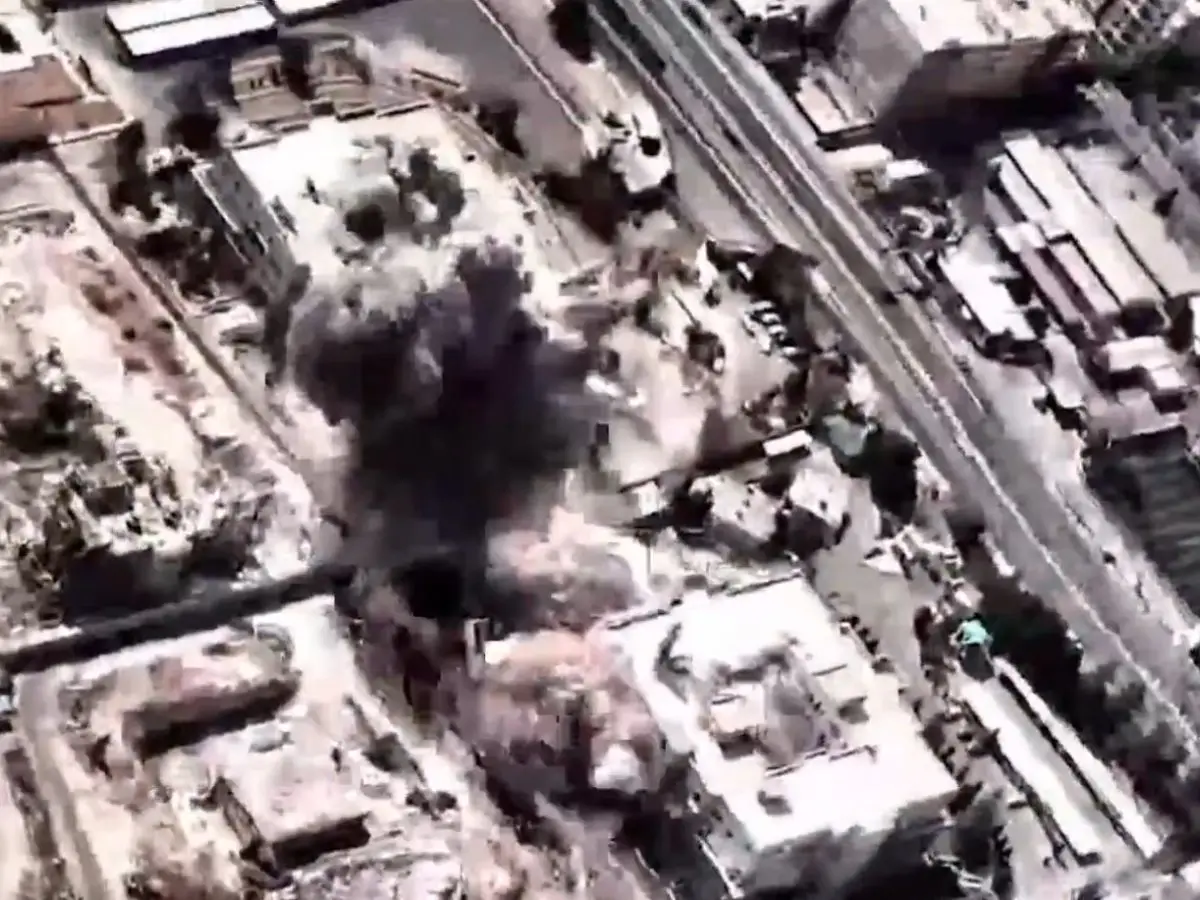
Iran hits oil tanker with 15 Indian crew members in Strait of Hormuz; 4 injured

&imwidth=600&imheight=450&format=webp&quality=medium "Iran hits oil tanker with 15 Indian crew members in Strait of Hormuz; 4 injured")
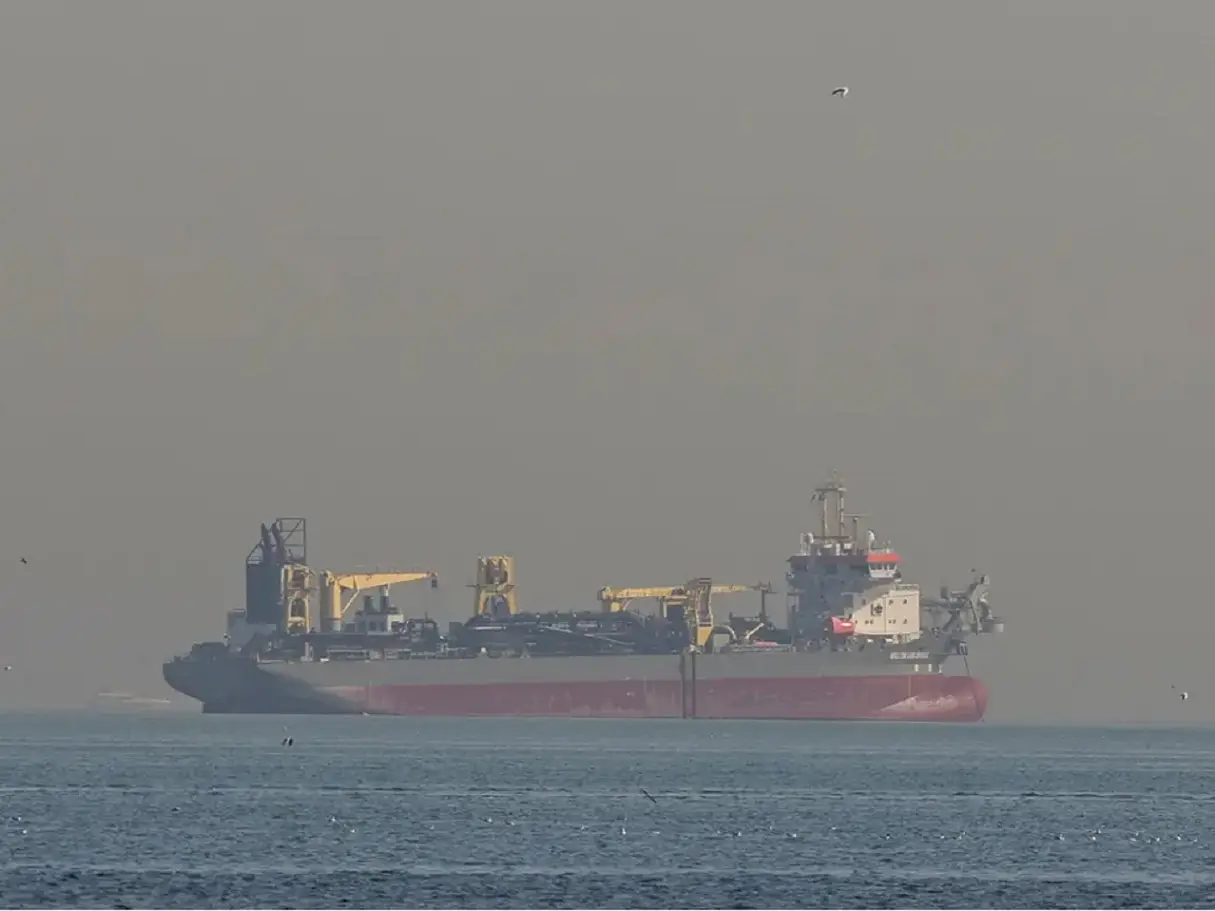
Representative image Photograph: (AFP)
Initial reports said four crew members of the oil tanker had sustained “injuries of varying severity.” The crew comprised 15 Indians and five Iranian citizens, the Oman Maritime Security Centre mentioned. The tanker had been anchored in the Musandam governorate since February 22.
An oil tanker with 15 Indian nationals among its crew was hit by Iran near Oman’s Musandam Peninsula in the strategic Strait of Hormuz on Sunday, injuring four people, as hostilities between Israel and Iran continued even after the death of Iran’s Supreme Leader Ayatollah Ali Khamenei in US-Israeli strikes on Saturday. The tanker also has five Iranians as its crew members. The Palau-flagged tanker Skylight was hit near Oman’s Musandam Peninsula. Oman’s Maritime Security Centre said in a post on X that the attack occurred about “5 nautical miles north of Musandam’s Khasab Port," after which the vessel’s 20-member crew was evacuated. It did not specify what weapon struck the tanker.
Iranian forces are retaliating to avenge the death of Khamenei.
Four crew members sustained injuries of varying severity
Initial reports said four crew members had sustained “injuries of varying severity.” The crew comprised 15 Indians and five Iranian citizens, the Oman Maritime Security Centre mentioned.
The report added that the tanker’s registered owner is Sea Force Inc., and it is managed by Red Sea Ship Management LLC. The US had sanctioned Red Sea Ship Management and the Skylight in December 2025, accusing them of operating a “shadow fleet” to transport Iranian petroleum products in the Gulf.
Trending Stories
&imwidth=280&imheight=210&format=webp&quality=medium)
&imwidth=280&imheight=210&format=webp&quality=medium)
&imwidth=280&imheight=210&format=webp&quality=medium)
&imwidth=280&imheight=210&format=webp&quality=medium)
&imwidth=280&imheight=210&format=webp&quality=medium)
&imwidth=280&imheight=210&format=webp&quality=medium)
&imwidth=280&imheight=210&format=webp&quality=medium)
&imwidth=280&imheight=210&format=webp&quality=medium)
&imwidth=280&imheight=210&format=webp&quality=medium)
&imwidth=280&imheight=210&format=webp&quality=medium)
&imwidth=280&imheight=210&format=webp&quality=medium)
&imwidth=280&imheight=210&format=webp&quality=medium)
&imwidth=280&imheight=210&format=webp&quality=medium)
&imwidth=280&imheight=210&format=webp&quality=medium)
&imwidth=280&imheight=210&format=webp&quality=medium)
&imwidth=280&imheight=210&format=webp&quality=medium)
&imwidth=280&imheight=210&format=webp&quality=medium)
&imwidth=280&imheight=210&format=webp&quality=medium)
&imwidth=280&imheight=210&format=webp&quality=medium)
&im=FitAndFill=(700,400)&imwidth=280&imheight=210&format=webp&quality=medium)
&imwidth=280&imheight=210&format=webp&quality=medium)
&imwidth=280&imheight=210&format=webp&quality=medium)
&imwidth=280&imheight=210&format=webp&quality=medium)
&imwidth=280&imheight=210&format=webp&quality=medium)
&imwidth=280&imheight=210&format=webp&quality=medium)
&imwidth=280&imheight=210&format=webp&quality=medium)
&imwidth=280&imheight=210&format=webp&quality=medium)
&imwidth=280&imheight=210&format=webp&quality=medium)
Ship-tracking service Tankertrackers.com described Skylight as a small tanker mostly used for fuelling other vessels and said it had been anchored in the Musandam governorate since February 22.
Musandam is strategically sensitive, as the peninsula shares control of the Strait of Hormuz with Iran—a key global chokepoint through which roughly one-fifth of the world’s oil supply passes.
Earlier in the day, Oman’s state news agency reported that Duqm commercial port was hit by two drones, injuring one expatriate worker. Authorities said debris from another drone fell near fuel storage tanks, though no casualties or material losses were reported in that incident.
Also Read: Burj Khalifa evacuated, The Palm hit and Dubai airport ops shut as UAE intercepts Iranian missiles
IRGC had closed Strait of Hormuz to international navigation, warned vessels
On Saturday, Iran’s Islamic Revolutionary Guard Corps (IRGC) had declared via radio transmissions that the Strait of Hormuz was closed to international navigation. Multiple vessels in the area received VHF warnings stating that “no ship is allowed to pass the Strait of Hormuz”.
The strait, which connects the Persian Gulf to the Gulf of Oman, carries roughly 20% of global oil supply and large volumes of LNG, particularly from Qatar. It is considered one of the world’s most critical maritime choke points.
Several tanker owners and oil majors have suspended crude and LNG shipments through the route. Marine insurers have halted coverage for voyages in the area, leaving operators exposed to major risk premiums.
On Sunday, an enormous explosion rocked Iran’s capital as the Israeli military said it was targeting central Tehran. Iran has responded by firing missiles and drones at Israel as well as several Gulf countries in retaliation for the killing of Supreme Leader Ayatollah Ali Khamenei.
Iran’s leadership has warned the “great crime will never go unanswered,” while US President Donald Trump cautioned Tehran against further retaliation, saying, “if they do, we will hit them with a force that has never been seen before.”
The conflict has begun disrupting regional security and aviation as strikes and interceptions have been reported across Israel and multiple Arab states, raising fears of a wider regional war.