Indian agencies uncover hawala, shell firms and fake trade used to hide illicit money, FATF says


FATF says underground banking, hawala and such unregistered services are a major tool for professional money launderers Photograph: (X)
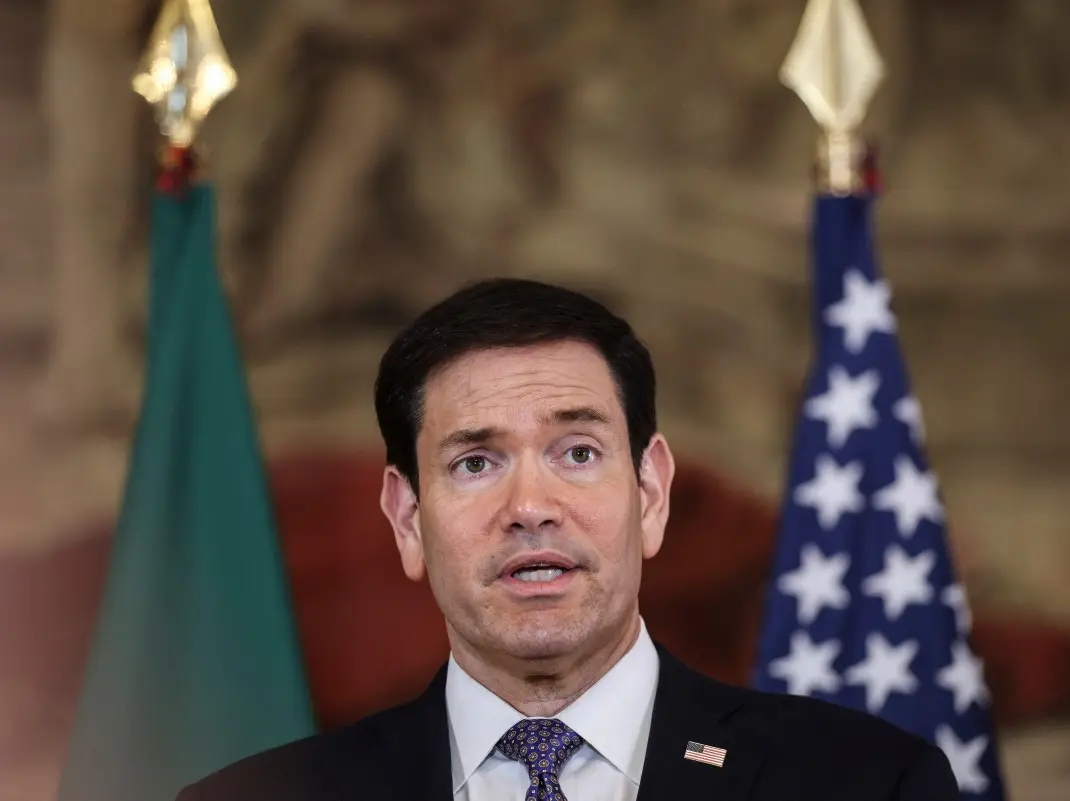
FATF President Giles Thomson warned that sophisticated, commercially run networks now act as a “serious risk multiplier”. They make it easier for criminals to hide activity that harm people and communities around the world, he said.
New Delhi: Indian investigators have shown how criminal networks use shell companies, fake trade paperwork and informal money channels to move dirty cash across borders, according to a new report by the Financial Action Task Force (FATF).
The Paris-based watchdog published the study on Thursday. It says underground banking, hawala and similar unregistered services are now a major tool for professional money launderers. More than 80% of countries that reported to the FATF listed these systems among their main money-laundering methods. Some schemes moved more than €500 million in just a few months.
India appears in two case studies. In March 2022, Indian authorities found a cross-border scheme built on shell companies with little or no real business. The firms were often set up using nominees and stolen or forged identity documents. Traders imported real goods but declared them at much lower prices, leaving an unpaid balance abroad. Domestic shell firms then used forged import papers to send extra money out of India, making the transfers look like ordinary trade payments.
The same network used circular trade. Goods were shipped to related firms in a third country. Payment was held back after fake commercial disputes. The goods were then sent on to other companies controlled by the same group. The method hid the true value and destination of the money.
A second Indian case involved an illegal online gambling site that took bets on sports, cards and other games.
Trending Stories
&imwidth=280&imheight=210&format=webp&quality=medium)
&imwidth=280&imheight=210&format=webp&quality=medium)
&imwidth=280&imheight=210&format=webp&quality=medium)
&imwidth=280&imheight=210&format=webp&quality=medium)
&imwidth=280&imheight=210&format=webp&quality=medium)
&imwidth=280&imheight=210&format=webp&quality=medium)
&imwidth=280&imheight=210&format=webp&quality=medium)
&imwidth=280&imheight=210&format=webp&quality=medium)
&imwidth=280&imheight=210&format=webp&quality=medium)
&imwidth=280&imheight=210&format=webp&quality=medium)
&imwidth=280&imheight=210&format=webp&quality=medium)
&imwidth=280&imheight=210&format=webp&quality=medium)
&imwidth=280&imheight=210&format=webp&quality=medium)
&imwidth=280&imheight=210&format=webp&quality=medium)
&imwidth=280&imheight=210&format=webp&quality=medium)
&imwidth=280&imheight=210&format=webp&quality=medium)
&imwidth=280&imheight=210&format=webp&quality=medium)
&imwidth=280&imheight=210&format=webp&quality=medium)
&imwidth=280&imheight=210&format=webp&quality=medium)
&im=FitAndFill=(700,400)&imwidth=280&imheight=210&format=webp&quality=medium)
&imwidth=280&imheight=210&format=webp&quality=medium)
&imwidth=280&imheight=210&format=webp&quality=medium)
&imwidth=280&imheight=210&format=webp&quality=medium)
&imwidth=280&imheight=210&format=webp&quality=medium)
&imwidth=280&imheight=210&format=webp&quality=medium)
&imwidth=280&imheight=210&format=webp&quality=medium)
&im=FitAndFill=(700,400)&imwidth=280&imheight=210&format=webp&quality=medium)
&imwidth=280&imheight=210&format=webp&quality=medium)
&imwidth=280&imheight=210&format=webp&quality=medium)
&imwidth=280&imheight=210&format=webp&quality=medium)
&imwidth=280&imheight=210&format=webp&quality=medium)
&im=FitAndFill=(700,400)&imwidth=280&imheight=210&format=webp&quality=medium)
&imwidth=280&imheight=210&format=webp&quality=medium)
&imwidth=280&imheight=210&format=webp&quality=medium)
The platform used a loose network of “panel operators” to collect deposits and pay winnings. Operators used UPI, internet banking, digital wallets, mule accounts and accounts opened with stolen identities. This kept the gambling site separate from the money trail. Part of the proceeds was turned into cash and sent abroad through hawala and other underground channels. The money later returned to India dressed up as foreign investment from the UAE.
The FATF says these informal systems can meet genuine remittance needs, especially for migrant workers. But in most countries, running unlicensed hawala or similar services is a crime. FATF standards require such providers to be licensed or registered.
FATF President Giles Thomson warned that sophisticated, commercially run networks now act as a “serious risk multiplier”. They make it easier for criminals to hide activity that “harm people and communities around the world,” he said. He urged governments and banks to use the report’s practical steps to break these networks.
The report notes a shift towards “digital hawala”. Operators coordinate on WhatsApp, Telegram and similar apps. Customers pay through banks, wallets or instant payment systems. Some networks settle balances with virtual assets, including stablecoins.