

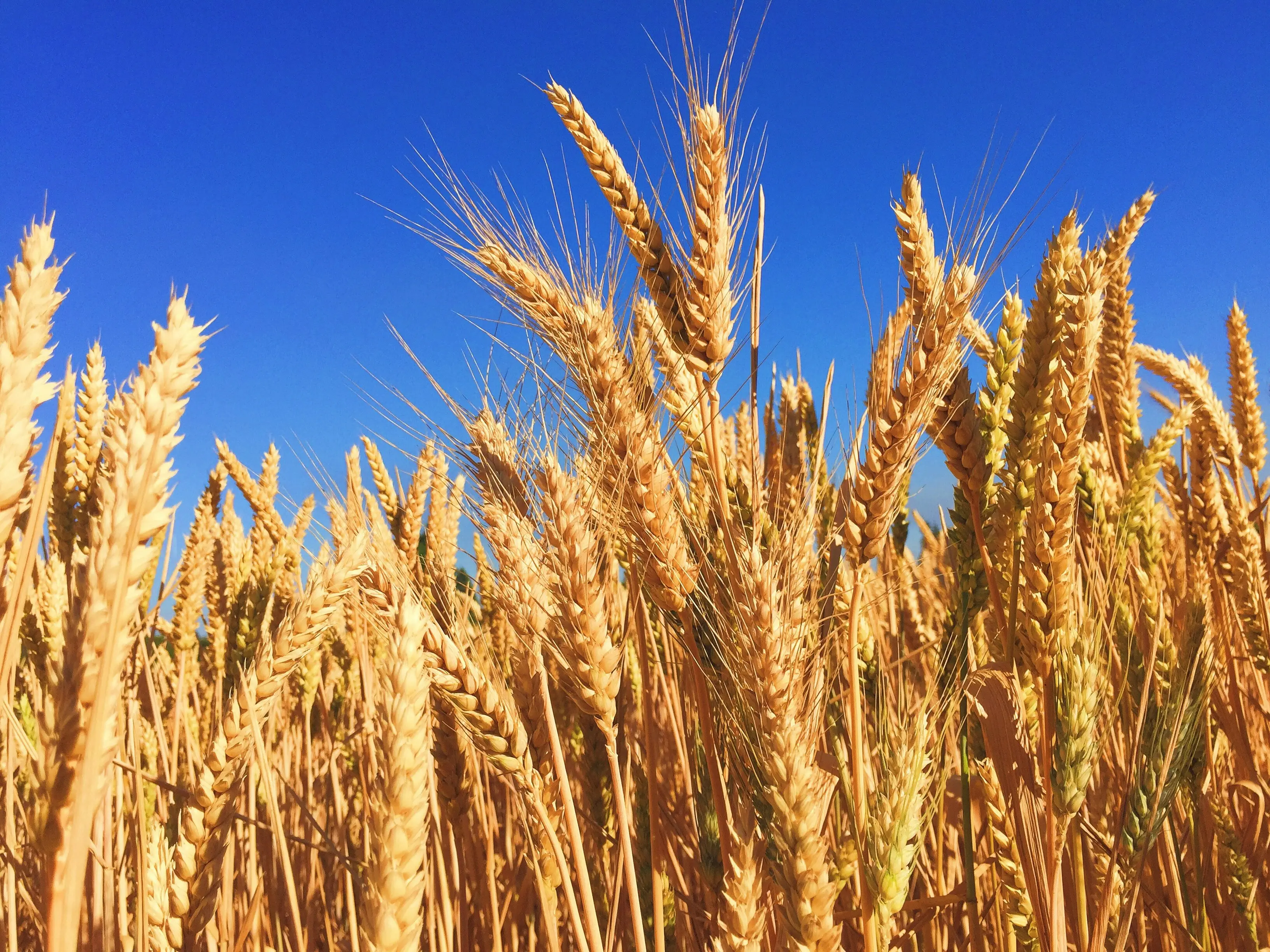
&imwidth=800&imheight=600&format=webp&quality=medium "Pakistanis are eating less. What they are eating instead is even more alarming")
Pakistanis are eating less, and increasingly, they are eating worse. Data from the Pakistan Bureau of Statistics (PBS) shows that over the past six years, food consumption has declined across both urban and rural Pakistan, with average consumption falling in almost every major food category. Families are making fewer cups of rice, serving smaller rotis, cooking meat less frequently, giving their children less milk, and even drinking fewer cups of tea each day. The one major exception is vanaspati ghee, consumption of which has surged by 81%, from 690 grams a month to 1.25 kilograms.
The shift is more than a change in eating habits. It is a warning about the quality of life and nutrition of millions of Pakistanis. The social indicators are particularly painful. The percentage of households classified as ‘moderate to severely food insecure’ has risen from 15.92 per cent in 2019 to 24.35 per cent in 2025. Over the same period, severe food insecurity increased from 2.37% of households to 5.04%. In other words, nearly a quarter of Pakistani households are now experiencing moderate to severe food insecurity, while a growing share are facing severe hunger and deprivation.
For a country that has long taken pride in being an agrarian economy, these numbers are difficult to reconcile with the national narrative. Pakistan Studies textbooks have drilled the image of a fertile, self-sufficient Pakistan into generations of students: lush green fields, abundant crops and a country capable of feeding itself. Fertiliser advertisements have reinforced that image with unusually cheerful farmers throwing urea around at sunset. The promise has been repeated for decades. When Pakistan conducted its nuclear tests, citizens were told that whatever happened, the country would not go hungry because it could produce enough food for itself. A similar reassurance surfaced during the COVID-19 pandemic, when global supply chains were disrupted and food security became a concern around the world.
But that ability to feed ourselves has been under serious strain for years. Pakistan has been a net importer of food since at least 2021. At the same time, rising food prices have steadily altered what households can afford to put on the table. This is not simply a story about people eating fewer meals or buying less food. It is about the composition of the Pakistani diet changing under economic pressure. When families cannot afford enough meat, milk, rice and other staples, they do not simply stop eating. They substitute, reduce portions and prioritise the cheapest available calories. The result can be a diet that fills the stomach without providing the nutrition required for healthy growth.
That makes the rise in vanaspati ghee particularly significant. While households are cutting back on several food categories, consumption of a cheaper source of fat has increased sharply. The numbers suggest that affordability, rather than nutritional value, is increasingly determining what ends up on the Pakistani dinner table. The consequences could extend far beyond today's household budgets. Children who receive less milk and fewer nutritious foods are at greater risk of inadequate growth and development. Adults who consume poorer-quality diets may have less energy and greater vulnerability to illness. Over time, widespread dietary deterioration can translate into lower productivity, weaker human capital and greater pressure on an already strained healthcare system.
Trending Stories
&imwidth=180&imheight=135&format=webp&quality=medium)
Pakistan to head IMF, World Bank boards after 74 years amid persistent economic crisis
&imwidth=180&imheight=135&format=webp&quality=medium)
'We are not sitting in ivory towers, we are aware': SC issues notice to Rahul Gandhi, Akhilesh Yadav
&imwidth=180&imheight=135&format=webp&quality=medium)
‘I have very severe problems’: Trump fuels health speculation during address to firefighters
&imwidth=180&imheight=135&format=webp&quality=medium)
SC panel launches portal to submit evidence of July Jantar Mantar violence
&imwidth=180&imheight=135&format=webp&quality=medium)
Trump invokes national interest to waive new Russia sanctions, tariffs; India gets relief from 100% tariff threat
&imwidth=180&imheight=135&format=webp&quality=medium)
Lizard people? Ex-US Army sniper claims soldier killed by 'reptilian beings' in battle near Area 51
&imwidth=180&imheight=135&format=webp&quality=medium)
Ankita Bhandari murder case: Parents meet CBI, seek impartial investigation
&imwidth=180&imheight=135&format=webp&quality=medium)
Bangladesh resort fire kills 10 tourists, including a 5-year-old child
&imwidth=180&imheight=135&format=webp&quality=medium)
At least 19 killed in stampede-like situation after part of Kolkata Durga Puja pandal collapses
&imwidth=180&imheight=135&format=webp&quality=medium)
IMF chief warns inflation hurts poor countries, AI optimism risks market correction
&imwidth=180&imheight=135&format=webp&quality=medium)
Iranian woman, 23, handed death sentence for ‘blasphemy’ in social media post; appeals for help
&imwidth=180&imheight=135&format=webp&quality=medium)
'Reason UN has lost credibility': Amid SIR protests India hits out at report alleging 'youth repression'
&imwidth=180&imheight=135&format=webp&quality=medium)
Rain washes out 5th T20I as India-West Indies share honours 2-2
&imwidth=180&imheight=135&format=webp&quality=medium)
Abhijeet Dipke released after fresh arrest, signs peace bond for second time
&imwidth=180&imheight=135&format=webp&quality=medium)
‘My president, I mean my husband’: Trump's new press secretary Katie Zacharia's first briefing goes off the rails in 14 minutes
&imwidth=180&imheight=135&format=webp&quality=medium)
China responds to Trump's Press Secretary Katie Zacharia after toilet remark: 'Visit China more often'
&imwidth=180&imheight=135&format=webp&quality=medium)
COVID-19 pandemic led to increase in divorce cases, observes Madras High Court
&imwidth=180&imheight=135&format=webp&quality=medium)
At least 400 arrested as protests turn violent in France; PM blames far left
&imwidth=180&imheight=135&format=webp&quality=medium)
2026 midterms, 2028 ambitions: Five politicians in focus
&imwidth=180&imheight=135&format=webp&quality=medium)
Israel examines Russia's Shahed-type drones sent by Ukraine to combat Iran | Gravitas
&imwidth=180&imheight=135&format=webp&quality=medium)
WATCH | iPhones, luxury perfumes floating in Hormuz? Iranian fishermen make bizarre discovery
&imwidth=180&imheight=135&format=webp&quality=medium)
China’s ‘dark tourism’ boom: Why are young travelers paying to experience simulated disasters?
&imwidth=180&imheight=135&format=webp&quality=medium)
WATCH | Zelensky gives cheeky response when asked if Trump is making him a scapegoat ahead of US midterms
&im=FitAndFill=(700,400)&imwidth=180&imheight=135&format=webp&quality=medium)
Durga Puja 2026: Kajol, Jaya Bachchan, Mouni Roy and other celebs bring festive glam to pandals
&imwidth=180&imheight=135&format=webp&quality=medium)
US business activity grows in June, but tariffs and inflation cloud outlook
&imwidth=180&imheight=135&format=webp&quality=medium)
No Ravindra Jadeja, Yashasvi Jaiswal in India’s 2027 ODI World Cup plans: Report
&imwidth=180&imheight=135&format=webp&quality=medium)
Kolkata Durga Puja stampede: PM Modi announces Rs 2 lakh ex-gratia for kin of dead, Amit Shah to visit injured
&im=FitAndFill=(700,400)&imwidth=180&imheight=135&format=webp&quality=medium)
Inside Tesla's Roadster: 10 features of Elon Musk's 'flying car' that push the limits of electric vehicles | In Pics
&imwidth=180&imheight=135&format=webp&quality=medium)
Anirudh Ravichander-Kavya Maran wedding: Telangana CM reveals Chennai reception date
&im=FitAndFill=(700,400)&imwidth=180&imheight=135&format=webp&quality=medium)
New Friday OTT releases (October 16, 2026): DC, Sacrifice, Aasha- 6 new movies and TV shows coming on Netflix, Zee 5, Prime Video and more
&imwidth=180&imheight=135&format=webp&quality=medium)
One species, two lineages: Why Sri Lanka’s spectacled cobra differs genetically from Indian variant
&imwidth=180&imheight=135&format=webp&quality=medium)
Oil tanker carrying over 2M barrels of crude hits mine in Strait of Hormuz, catches fire, says Iran
&imwidth=180&imheight=135&format=webp&quality=medium)
'We feel like Mr India': Gujarat’s undercover SHE team guard garba nights at Navratri

US ends automatic work permit extensions; Indian workers lose 540-day safety net: What it means
&imwidth=180&imheight=135&format=webp&quality=medium)
US lawmaker Pramila Jaypal writes to Rubio, urges to raise handling of CJP protest with India
The danger is that food insecurity can become self-reinforcing. Poor nutrition affects health and productivity; lower productivity limits household income; and lower incomes make nutritious food even harder to afford. That is why these consumption figures should not be dismissed as merely another indicator of inflation or household spending. They provide a window into how economic stress is changing everyday life. The macroeconomic picture may be bleak, but the most important story is often found at the household level: the smaller roti, the fewer glasses of milk, the less frequent meat curry and the extra spoonful of ghee. Pakistan's food problem is therefore not simply about producing enough food.
It is increasingly about whether ordinary families can afford to buy and consume enough of the right food. If the trend continues, the country could end up confronting a generation that is not only poorer, but also less healthy and less well nourished than the one before it. That would be a recipe for a much deeper social and economic crisis.

