India has 25 days of fuel stock, Japan refiners plead to open strategic reserves: Oil-importing nations scramble as Iran conflict causes supply woes

&imwidth=600&imheight=450&format=webp&quality=medium "India has 25 days of fuel stock, Japan refiners plead to open strategic reserves: Oil-importing nations scramble as Iran conflict causes supply woes")
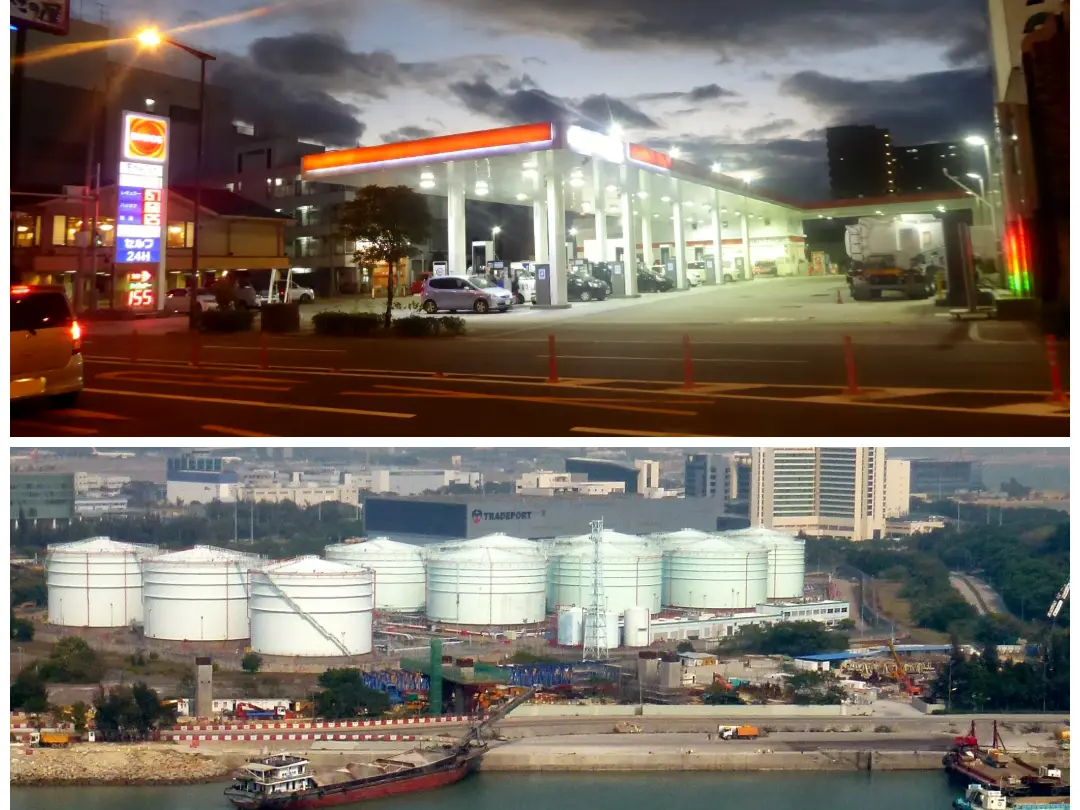
Iran conflict is hitting energy security in faraway lands, from gas stations in Japan to fuel storage in Hong Kong Photograph: (Others)
Asian refiners are scrambling for crude as the Iran-Israel-US conflict disrupts Middle East oil flows. China is halting fuel exports, Japan weighing use of strategic reserves, and India - with 25 days of stocks - seeking Russian cargoes amid Strait of Hormuz disruptions
As the Iran-Israel-US conflict escalates, refiners across oil-importing nations in Asia are rushing to secure supplies and conserve fuel amid disruptions in supply through the Strait of Hormuz. China, the world’s largest crude importer, has moved swiftly to protect domestic supply with curbs on exports. Japanese refiners are pleading with the government to open the taps of strategic oil reserves. Indian refiners are knocking on Russian supplies. And the headwinds are also felt in the Gulf nations, the epicentre of the current conflict.
China asks refiners to halt exports of diesel
Chinese authorities ordered major refiners to halt exports of gasoline and diesel and avoid signing new export contracts. Some firms are trying to cancel shipments already committed.
Chinese refiners are also cutting refinery runs, with Zhejiang Petrochemical shutting a 200,000-barrel-per-day crude unit and cutting throughput by about 20 per cent. Fujian Refining and Petrochemical closed an 80,000-barrel-per-day unit, with reports saying more cuts are expected among plants heavily dependent on Middle Eastern crude.
China has large stockpiles of Iranian and Russian crude and maintains sizeable strategic reserves, but prolonged disruption could spell trouble.
Middle East crude-dependent Japan is in a quandary
Trending Stories
&imwidth=280&imheight=210&format=webp&quality=medium)
&imwidth=280&imheight=210&format=webp&quality=medium)
&imwidth=280&imheight=210&format=webp&quality=medium)
&imwidth=280&imheight=210&format=webp&quality=medium)
&imwidth=280&imheight=210&format=webp&quality=medium)
&imwidth=280&imheight=210&format=webp&quality=medium)
&imwidth=280&imheight=210&format=webp&quality=medium)
&imwidth=280&imheight=210&format=webp&quality=medium)
&imwidth=280&imheight=210&format=webp&quality=medium)
&imwidth=280&imheight=210&format=webp&quality=medium)
&imwidth=280&imheight=210&format=webp&quality=medium)
&imwidth=280&imheight=210&format=webp&quality=medium)
&imwidth=280&imheight=210&format=webp&quality=medium)
&imwidth=280&imheight=210&format=webp&quality=medium)
&imwidth=280&imheight=210&format=webp&quality=medium)
&imwidth=280&imheight=210&format=webp&quality=medium)
&imwidth=280&imheight=210&format=webp&quality=medium)
&imwidth=280&imheight=210&format=webp&quality=medium)
&imwidth=280&imheight=210&format=webp&quality=medium)
&imwidth=280&imheight=210&format=webp&quality=medium)
&imwidth=280&imheight=210&format=webp&quality=medium)
&imwidth=280&imheight=210&format=webp&quality=medium)
&imwidth=280&imheight=210&format=webp&quality=medium)
&imwidth=280&imheight=210&format=webp&quality=medium)
&imwidth=280&imheight=210&format=webp&quality=medium)
&imwidth=280&imheight=210&format=webp&quality=medium)
&im=FitAndFill=(700,400)&imwidth=280&imheight=210&format=webp&quality=medium)
&imwidth=280&imheight=210&format=webp&quality=medium)
&imwidth=280&imheight=210&format=webp&quality=medium)
&imwidth=280&imheight=210&format=webp&quality=medium)
&imwidth=280&imheight=210&format=webp&quality=medium)
&imwidth=280&imheight=210&format=webp&quality=medium)
&imwidth=280&imheight=210&format=webp&quality=medium)
&imwidth=280&imheight=210&format=webp&quality=medium)
&imwidth=280&imheight=210&format=webp&quality=medium)
&imwidth=280&imheight=210&format=webp&quality=medium)
Japan imports more than 90 per cent of its crude from the Middle East. Refiners are monitoring crude procurement and shifting toward alternative grades such as US WTI crude. At least one Japanese refiner has cancelled fuel exports to ensure domestic supply. Shipping companies like NYK Line and Mitsui O.S.K. Lines suspended voyages through the Strait of Hormuz due to safety concerns.
Japanese refiners are asking the government to release oil from strategic petroleum reserves, which currently has 254 days of supply combining government and private stocks, according to reports.
The government has no immediate plans to tap into the reserves, even as it has formed an energy task force to tackle the situation.
Refiners in India looking for alternative supplies; strategic reserves can last 25 days
Indian media reports said its refiners are scrambling for alternative supplies as Middle Eastern flows tighten by the day. Indian Oil Corporation has started drawing on stored Russian crude. About one million barrels have already been delivered to Paradip port, with another 700,000 barrels expected at Vadinar, said the reports. Mangalore Refinery and Petrochemicals, meanwhile, halted fuel exports because of feedstock shortages linked to the conflict.
Some reports said that India’s strategic petroleum reserves cover only about 25 days of consumption. This makes it urgent to diversify supply. It is quite possible that Indian refiners would face direct competition with Chinese buyers for available cargoes.
Energy infrastructure across the Gulf hit
Saudi Aramco shut operations at the 550,000-barrel-per-day Ras Tanura refinery after an Iranian drone strike triggered a fire. QatarEnergy suspended production at its Ras Laffan refinery after earlier disruptions to its LNG operations.
In Iraq, output at the Rumaila oil field was stopped because storage tanks are full. The closure of Strait of Hormuz blocked exports and Iraq cannot store any more of crude. Meanwhile, several Kurdish oil fields have been shut for security reasons.
The disruptions are tightening global supply and pushing oil prices higher. Refiners across Asia are now racing to secure cargoes, cut exports and conserve fuel. If the conflict does not end in a few days, there would be chaos at gas stations in many countries.
Disclaimer: WION takes utmost care to accurately and responsibly report ongoing conflicts in West Asia involving Israel, Iran, US, Gulf nations and non-state actors like Hezbollah, Hamas, Houthis, Islamic State, and others. Claims and counterclaims, disinformation and misinformation are being made online and offline. Given this context, WION cannot independently verify the authenticity of all statements, social media posts, photos and videos.