How much US has spent on Iran war? Pentagon says $25bn BUT experts call it ‘narrow accounting’

&imwidth=600&imheight=450&format=webp&quality=medium "How much US has spent on Iran war? Pentagon says $25bn BUT experts call it ‘narrow accounting’")
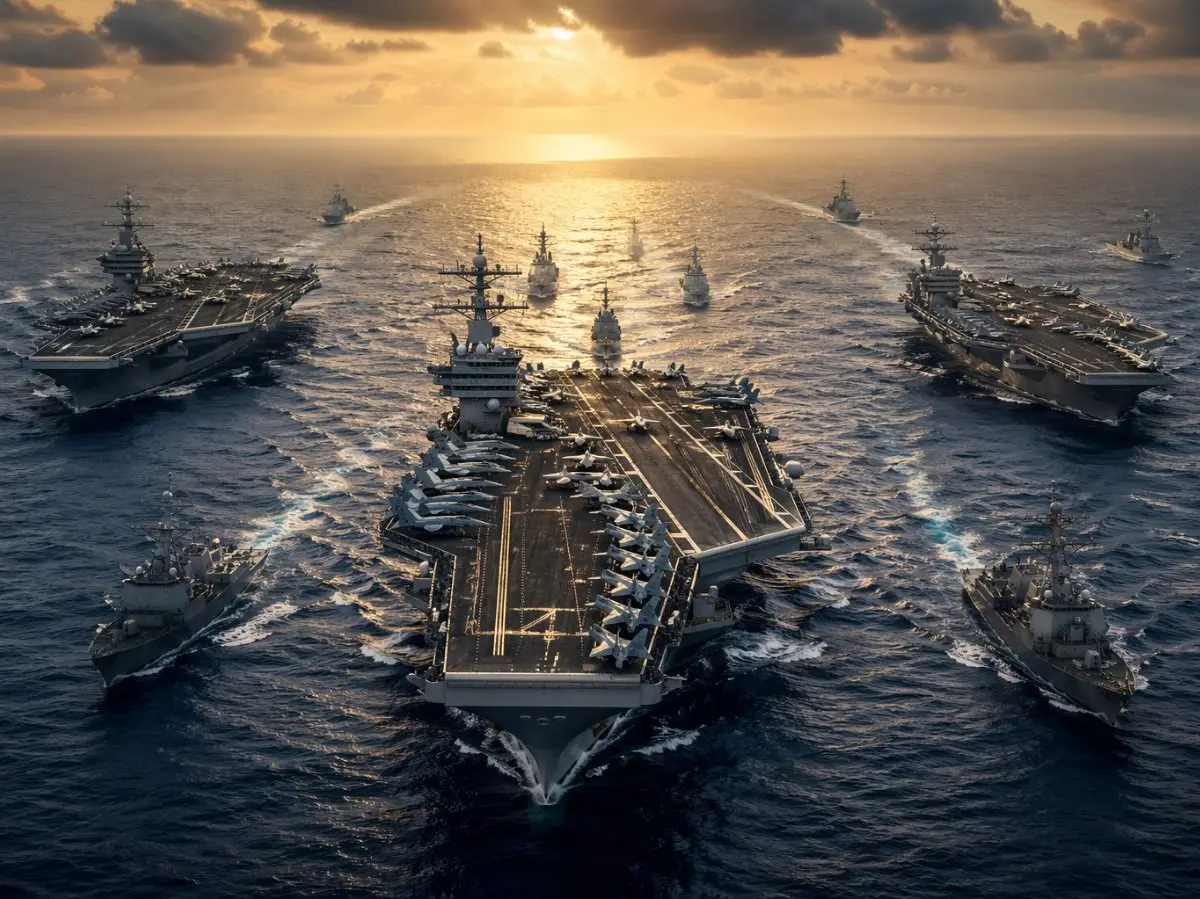
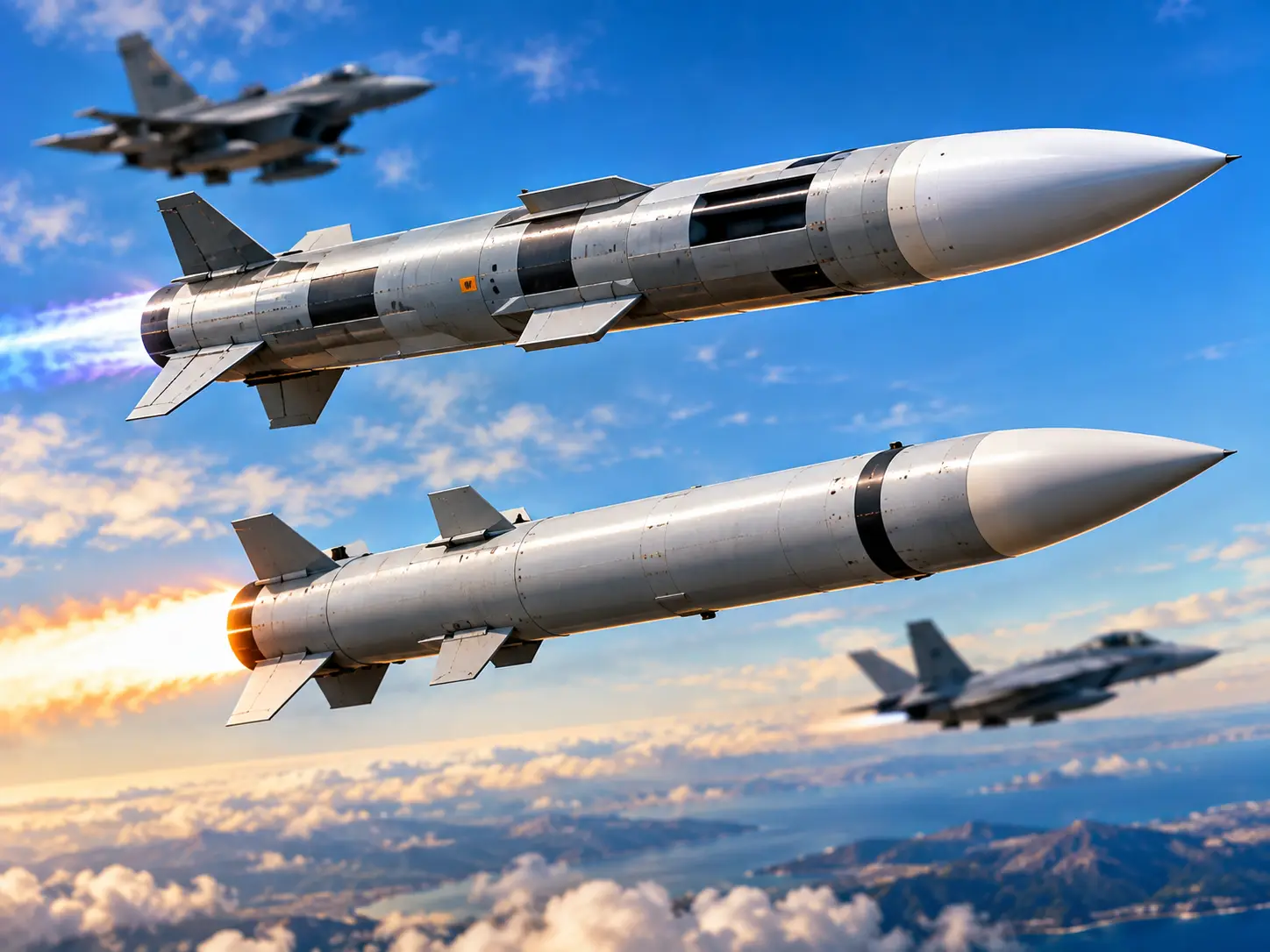
Image for representation Photograph: (AI Generated)
CENTCOM will brief President Trump on military options against Iran, including infrastructure strikes and seizing the Strait of Hormuz, as JD Vance warns of potential intelligence optimism and rising costs.
The US Department of Defence has put the cost of its ongoing war with Iran at $25 billion, but analysts and lawmakers have raised doubts about the accuracy of the figure, suggesting it may significantly underestimate the true expense.
Speaking at a congressional hearing on Wednesday, Pentagon officials said the conflict has so far cost $25 billion. However, according to a report by Bloomberg, the estimate has been met with scepticism, with experts arguing that key components of the war’s cost may have been excluded.
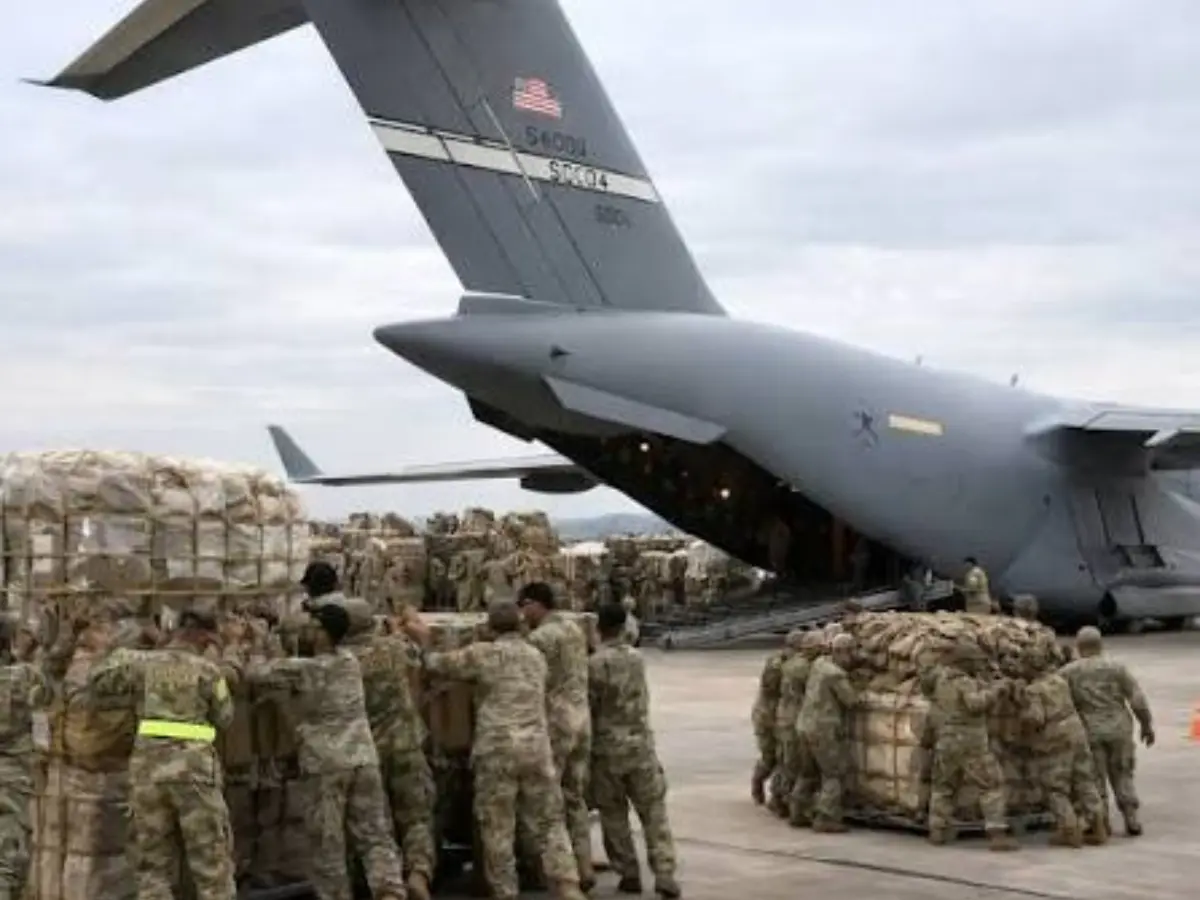
Based on Pentagon data, Bloomberg calculated that a portion of the expenses covering munitions, damaged equipment and operational costs alone could reach $14 billion. This includes roughly $8 billion for munitions, $5 billion to replace damaged aircraft and equipment, and about $1 billion for operating aircraft carriers and 16 destroyers deployed in the region since the war began on February 28.
Crucially, the Pentagon’s $25 billion estimate does not appear to include several major cost factors. These include repairs to US military facilities in West Asia that were damaged during the conflict, operational expenses incurred before February 28, and the ongoing costs of a US naval blockade in the region.
Pentagon acting comptroller Jules Hurst said the figure presented to Congress accounted for used munitions and operational costs, but he did not provide a detailed breakdown during the hearing.
Trending Stories
)
&im=FitAndFill=(700,400))
)
)
)
&im=FitAndFill=(700,400))
)
&im=FitAndFill=(700,400))
)
)
)
)
)
)
)
&im=FitAndFill=(700,400))
)
)
)
)
)
)
)
)
&im=FitAndFill=(700,400))
)
)
)
)
)
)
&im=FitAndFill=(700,400))
)
)
‘Low-ball figure’, say experts
Analysts have described the estimate as incomplete. Stimson Centre senior fellow Kelly Grieco said the figure excludes key elements such as base damage, broader operating costs and rising fuel expenses. “The Pentagon’s $25 billion figure is clearly a narrow accounting of what it cost to fight the war,” Grieco was quoted as saying by Bloomberg.
The Centre for Strategic and International Studies has suggested that the cost of munitions alone could reach $25 billion. Meanwhile, Senator Richard Blumenthal said he had previously been given estimates of $2 billion per day for the war, which he described as a “low-ball figure”.
Hegseth faces scrutiny in Congress
US Defence Secretary Pete Hegseth appeared before Congress for the first time since the war began, during a nearly six-hour hearing of the House Armed Services Committee on April 29. The session, which also focused on the Trump administration’s proposed $1.5 trillion defence budget, saw Hegseth face questions from both Democrats and some Republicans over the cost of the conflict and its impact on US munitions stockpiles.
Hegseth declined to specify how long the war could continue or how much more it might cost. He also said that a strike on an elementary school in Minab, where more than 150 children were reported killed, remains under investigation. The defence secretary is scheduled to return for a second day of hearings on Thursday (April 30).

