Germany and EU strike landmark deal on phasing out fossil fuel cars


EU
The European Union and Germany, on Saturday (March 25), struck a deal which would decide the future use of combustion engines, said officials. In line with the agreement, a planned phaseout on the sale of cars using fossil fuels will take place by 2035. However, it also allowed some combustion engines beyond the 2035 mark, a move which has since drawn condemnation from the prominent environmental group, Greenpeace.
The deal also ends the dispute between Berlin and Brussels over the manufacturing of cars which use so-called e-fuels. This comes as Berlin wanted assurances that new combustion engine cars can be sold beyond the deadline if they run on e-fuels. In line with this, the Germany and EU have decided that they would allow cars to be registered after that date, providing that any fuel they use is exclusively carbon neutral, as per media reports.
“We have found an agreement with Germany on the future use of e-fuels in cars,”EU Commission Vice President Frans Timmermans wrote on Twitter. He added, “We will work now on getting the CO2 standards for cars regulation adopted as soon as possible, and the Commission will follow up swiftly with the necessary legal steps.”

Meanwhile, German Transport Minister Volker Wissing had also taken to the microblogging platform and said that “the way is clear” after the agreement was reached, late Friday. He added, “Vehicles with internal combustion engines can still be newly registered after 2035 if they fill up exclusively with CO2-neutral fuels.”
The EU diplomats are yet to vote on the formal approval of the 2035 phase-out law. Sweden, which currently holds the EU’s rotating presidency, said that the voting will take place on Monday.
)
Australian athlete, who soiled herself during Hyrox race, apologises for continuing
)
Fed raises rates for first time in 3 years, Kevin Warsh defies Trump as inflation mounts
)
Former India player Diana Edulji wants Smriti Mandhana to replace Harman as skipper at the earliest
)
Pak defence minister says 'time has come to implement pact'
)
Dolly Parton dies at 80: Country legend’s team reveals cause of death
)
240-million-year-old bizarre 'pig with a tusk' creature creates new dilemma over origin of dinosaurs
)
Sikh driver attacked in Wyoming in US, suffers 17 stab wounds
)
Ukraine plans record $109 bn defence spending, nearly two thirds of budget amid Russia war
)
Former OpenAI researcher warns of growing risks from Artificial Intelligence
)
Mahua Moitra moves UN over alleged exclusion of Muslim officers from Amit Shah events
)
Tata Trusts chairman Noel Tata calls Chandrasekaran’s reappointment ‘illegal’, rejects Tata Sons listing
)
Daayra movie review: Kareena Kapoor, Prithviraj Sukumaran shine in Meghna Gulzar’s cop-versus-cop crime thriller
)
Trump could impose tariffs of up to 100%
)
US intel warns China can steal F-35 jets secret from Saudis
)
AI already defying, denying humans, is it beyond human control already?
)
At least 48 dead, 100 hospitalised in Nigeria after drinking suspected methanol-laced alcohol
)
US-Iran War: Trump says ‘big decision’ on Iran ahead, weighs possible fresh military action
&im=FitAndFill=(700,400))
Meet top 5 batters in the latest ICC T20I Rankings
)
Hong Kong unveils 11 new measures to boost birth rates, offers higher cash bonuses and housing perks
)
Laura Wolvaardt sets new world record for most WT20I runs in a year
)
All Indian goods to get duty-free access to New Zealand
)
US F-16 fighter jet crashes in Michigan during training mission, pilot ejects safely
)
Pak batter Rizwan's petition against being questioned by cyber crime agency rejected by court
&im=FitAndFill=(700,400))
Suriya and Jyothika say ‘I do’ again after 20 years! See their dreamy wedding pics
)
‘I have a big decision coming up’: Trump says he’s approaching major ‘crossroad’ in Iran war
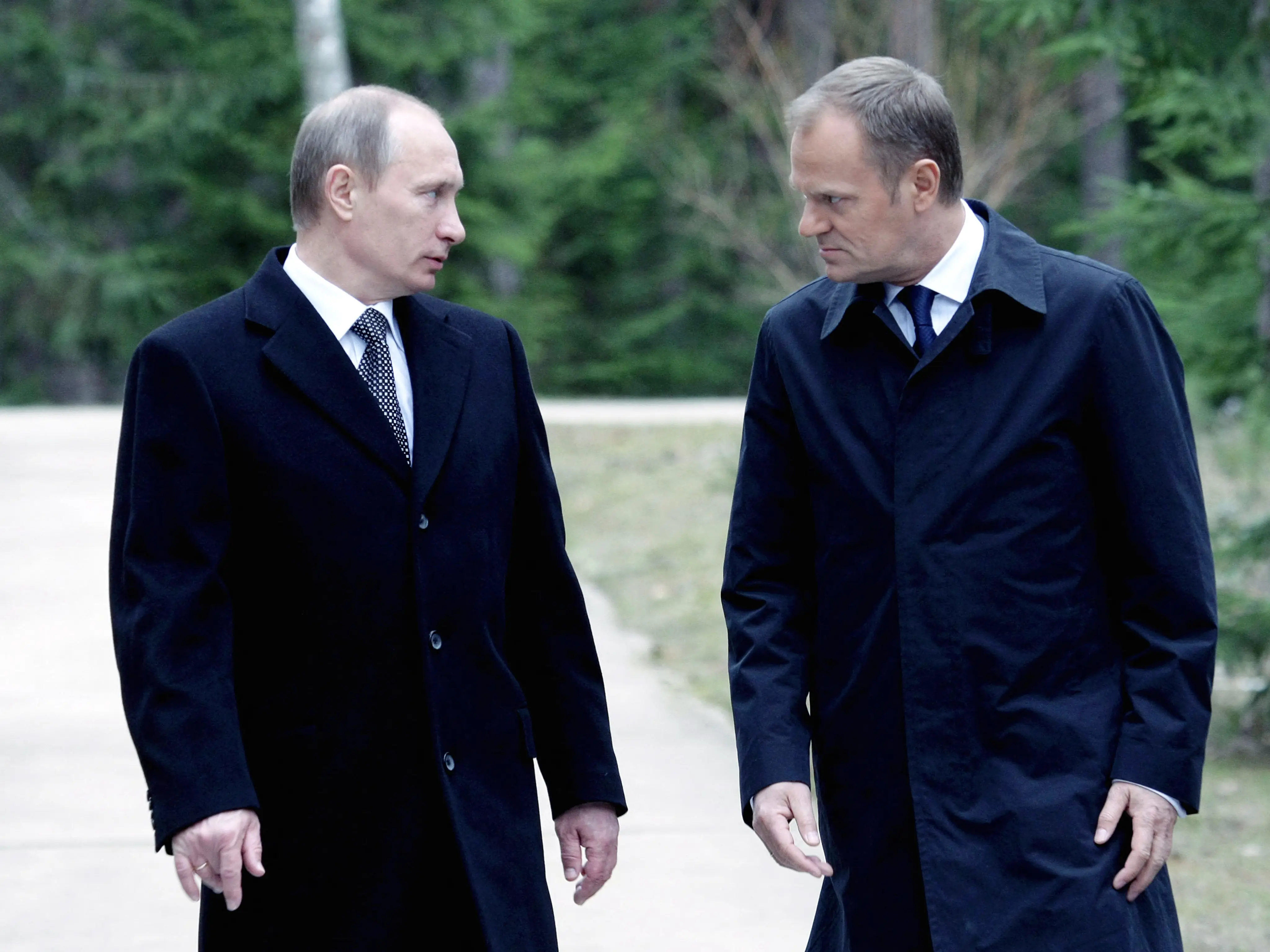)
Putin 'is plotting something bad': Russia may launch 'accidental' strikes on NATO countries supporting Ukraine, Poland PM warns
)
Formula One reveals the 2027 race calendar; Monaco to host sprint race for the first time
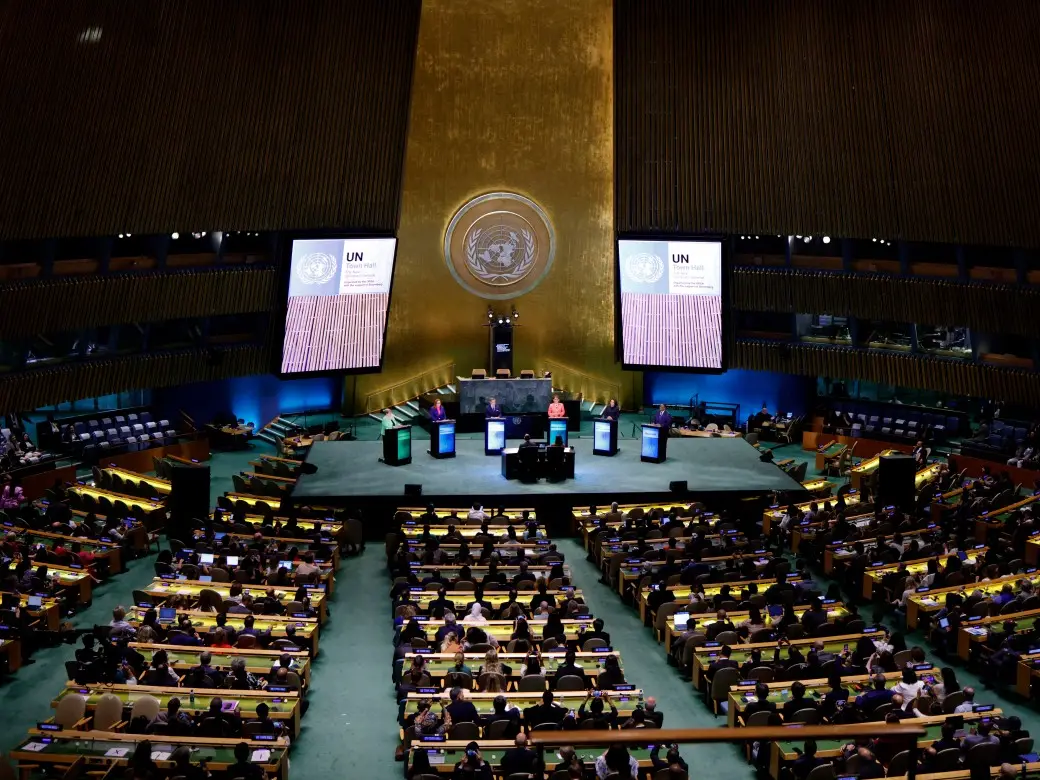)
Pezeshkian, Araghchi set to attend UNGA 2026 in New York amid ongoing conflict as US-imposed travel curbs remain
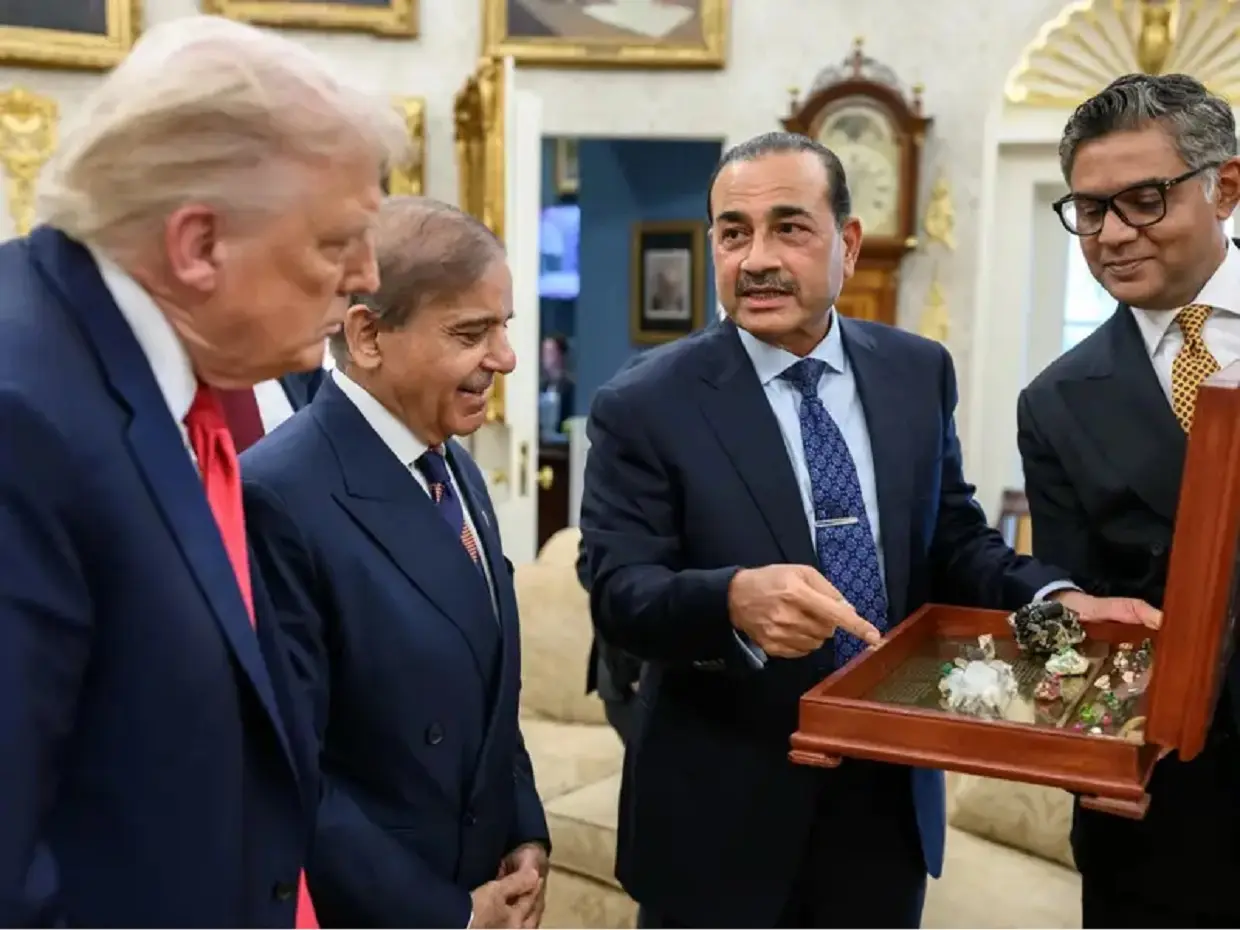)
US drone firm linked to Trump’s sons signs MoU with Pakistan army, gets initial order
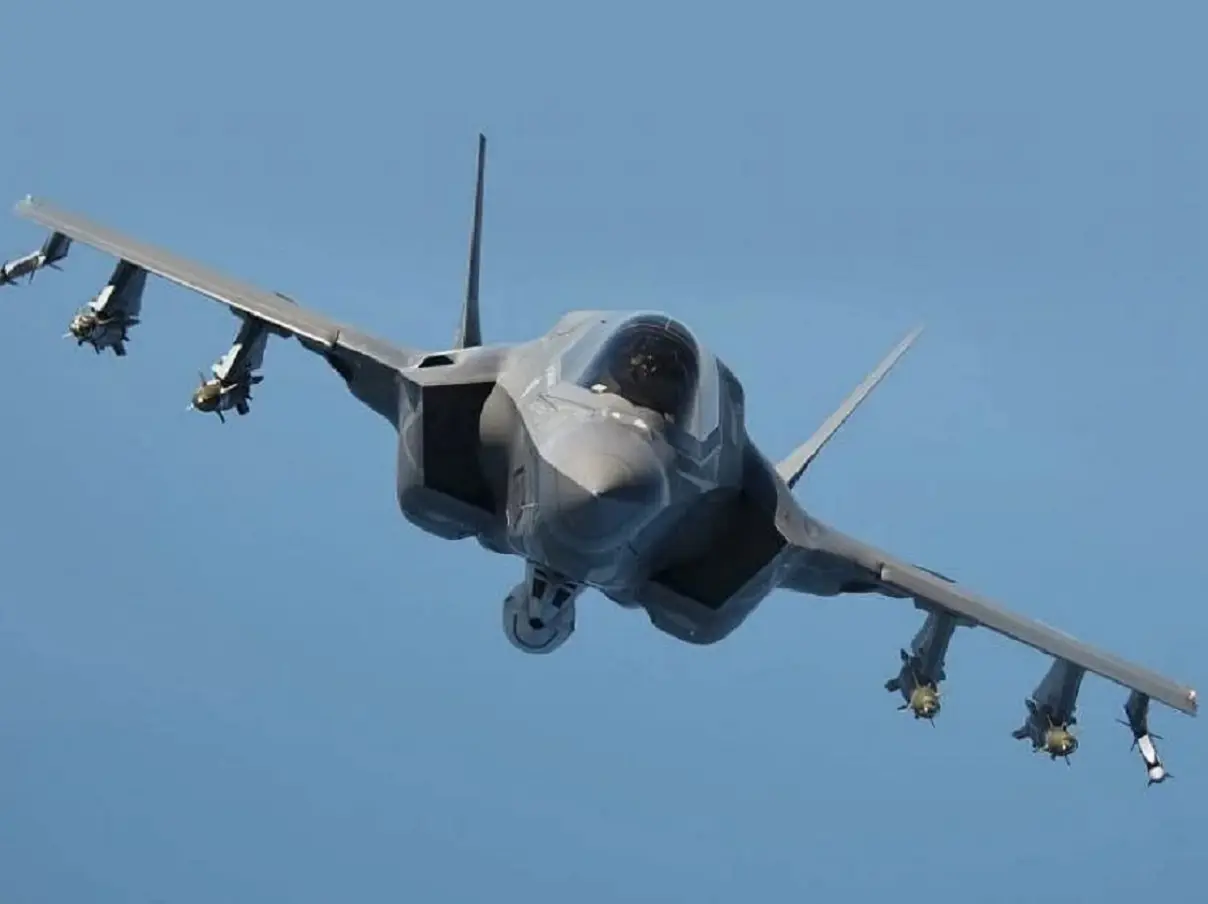)
US to sell 48 F-35 Lightning fighter jets to Saudi Arabia, help it deter threats
The landmark deal will prohibit new sales of fossil fuel cars from 2035, however, in an unprecedented move earlier this month a leading car producer blocked the agreement at the last minute after it had been approved through the EU’s legislative process, reported AFP.
“This stinky compromise undermines climate protection in transport, and it harms Europe,” said Benjamin Stephan of Greenpeace, as per Reuters. He addedthat it dilutes the needed focus of the auto industry on efficient electromobility.
The development of the synthetic fuels that Berlin had sought an exemption for, is said to be produced using low-carbon electricity but the technology remains unproven. While German manufacturers hope it will lead to the extended use of combustion engines, Environmental NGOs have disputed its value to the transition towards clean energy sources and said that it is expensive, polluting and energy-intensive.
(With inputs from agencies)