

&imwidth=800&imheight=600&format=webp&quality=medium "Gaza 'Trump peace summit' in Egypt a circus or mere show? No commitments on Palestine statehood or Hamas disarmament leaves key questions unsolved")
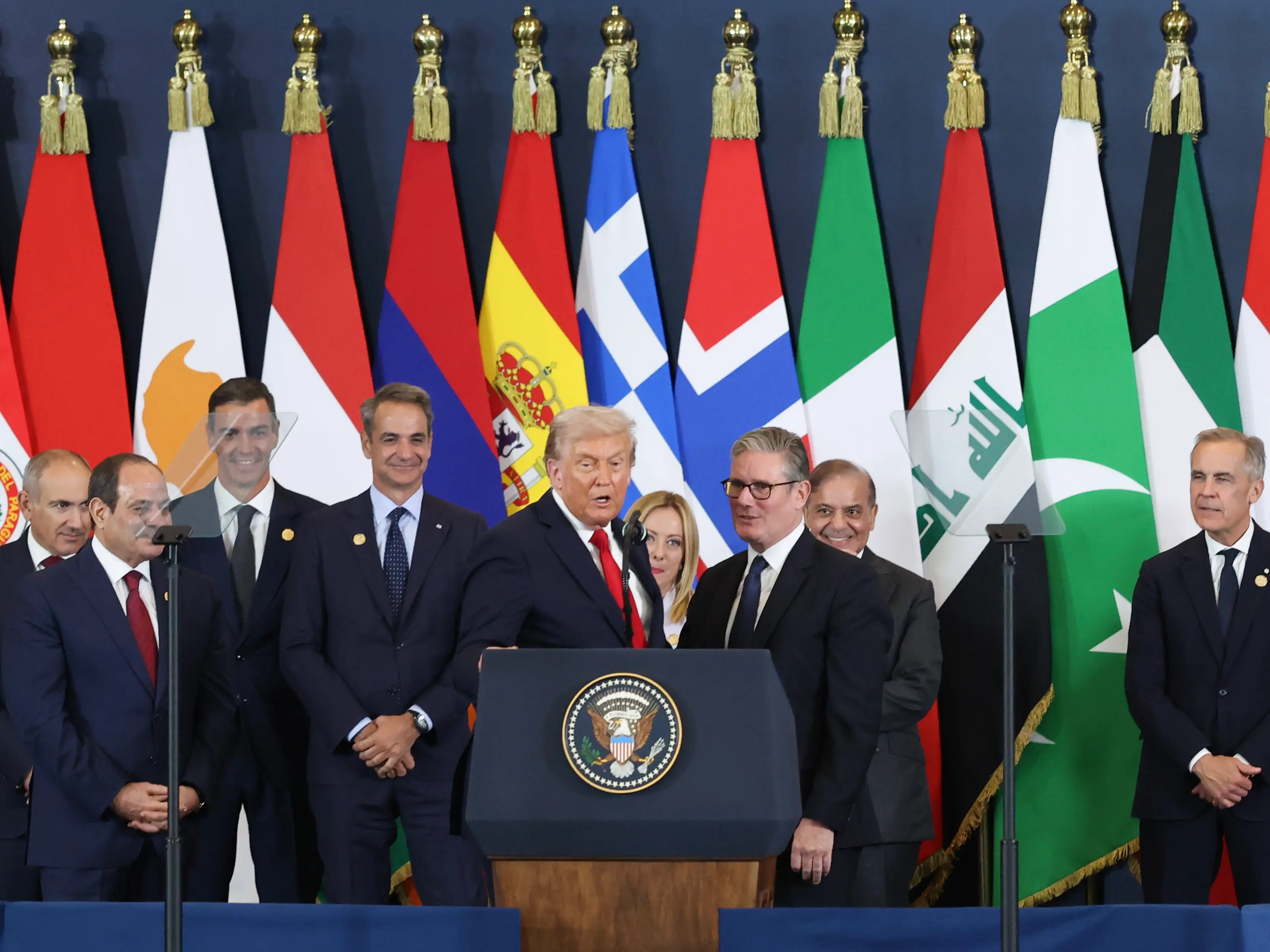
Two of the key aspects of Israel's war in Gaza were the future of Palestinian statehood and the disarming of Hamas. Neither of these were prominently mentioned at the peace summit in Egypt aimed at ending the Israel-Hamas war ongoing since 2023. This has left the core issues unresolved, leaving room for future conflicts. Much of what happened at Sharm el-Sheikh on Monday (Oct 13) was about Donald Trump. Israeli Prime Minister Benjamin Netanyahu was not present; reportedly, Turkey's Erdoğan successfully discouraged Trump from inviting him to Egypt. Palestinian Authority President Mahmoud Abbas was present, but he does not control Gaza; Hamas does. It is not clear who represented Hamas, as much of its political and military leadership was wiped out by Israel during the war.
Gaza peace summit: What happened at Sharm El-Sheikh?
The Sharm El-Sheikh Summit was co-chaired by Donald Trump and Egyptian President Abdel Fattah el-Sisi, and attended by leaders of more than 20 countries to endorse the first phase of a US-brokered Gaza ceasefire and peace plan agreed by Hamas and Israel on October 8. The summit happened even as all 20 living Israeli hostages held by Hamas were released in exchange for over 1,900 Palestinian prisoners from Israel. On record, the summit's focus was on international backing for the ceasefire, future governance of Gaza, security, and humanitarian aid.
A symbolic event without any real value?
With neither belligerent of the war fully present, the summit was mostly a symbolic signing ceremony for the initial phase of the ceasefire plan. The most important questions remained unanswered: full Israeli withdrawal, Gaza reconstruction—which is estimated to cost around $53 billion—and post-war governance. Those matters, it appears, will be tackled in future negotiations.
Trending Stories
&imwidth=180&imheight=135&format=webp&quality=medium)
'Hell of a beautiful a**': Trump compliments Nicki Minaj as rapper joins him in Michigan rally
&imwidth=180&imheight=135&format=webp&quality=medium)
'Hire the robot, fire the human': Bill Gates's words hint at a bleak future
&imwidth=180&imheight=135&format=webp&quality=medium)
'Lousy president': Trump hits back at Obama over 'cheesecake factory' White House jibe
&imwidth=180&imheight=135&format=webp&quality=medium)
Jordan strikes 'terrorist organisations' in Syria after deadly church attack as Damascus shuts main border crossing
&imwidth=180&imheight=135&format=webp&quality=medium)
Microsoft offers voluntary exit packages to 60,000 employees in India, US, UK and Canada
&imwidth=180&imheight=135&format=webp&quality=medium)
WATCH | Virat Kohli returns to training ahead of New Zealand ODI series
&imwidth=180&imheight=135&format=webp&quality=medium)
'He is a red flag': Ex-India strength and conditioning coach on Rohit's fitness regime
&imwidth=180&imheight=135&format=webp&quality=medium)
One dead, six injured in Elizabeth, New Jersey mass shooting; suspect flees
&imwidth=180&imheight=135&format=webp&quality=medium)
Maurene Comey, daughter of ex-FBI director James Comey, was unlawfully fired as federal prosecutor, judge rules
&imwidth=180&imheight=135&format=webp&quality=medium)
Hijack scare unfolds on United flight over suspicious text message. Here is what happened
&imwidth=180&imheight=135&format=webp&quality=medium)
‘That is a miss’: Ravi Ashwin questions Sooryavanshi’s demotion to No. 3 in 2nd T20I vs NZ
&imwidth=180&imheight=135&format=webp&quality=medium)
Pakistan airline PIA unveils new crew uniforms, faces online criticism
&imwidth=180&imheight=135&format=webp&quality=medium)
Police called after 3-year-old scores 10 goals in 12 minutes at Florida youth soccer game
&imwidth=180&imheight=135&format=webp&quality=medium)
Trick or Treat -Anthropic's IPO sales pitch is the perfect Halloween scare for AI enthusiasts
&im=FitAndFill=(700,400)&imwidth=180&imheight=135&format=webp&quality=medium)
New OTT releases this week (October 26-November 1, 2026): Baththa, Akka, The One About Matthew Perry- 7 titles coming on Netflix, Prime Video and more
&imwidth=180&imheight=135&format=webp&quality=medium)
Mohra re-release in 4K: Akshay Kumar, Raveena Tandon’s film to clash with Ranbir Kapoor’s Ramayana
&imwidth=180&imheight=135&format=webp&quality=medium)
IND vs NZ 3rd T20I: Abhishek Sharma equals Rohit Sharma's record of 35-ball 100
&imwidth=180&imheight=135&format=webp&quality=medium)
US Midterms 2026: Last leg polls and forecasts indicate Democratic momentum, but Senate control remains uncertain
&imwidth=180&imheight=135&format=webp&quality=medium)
'Already tired of his 9-to-5': Baby born with a moustache becomes internet sensation, video goes viral | Watch
&imwidth=180&imheight=135&format=webp&quality=medium)
Zimbabwe slips four places to 14th out of 29 in Africa’s Digital Rights and Inclusion ranking
&imwidth=180&imheight=135&format=webp&quality=medium)
Democrats allege 'desperate efforts to cover up' Trump's involvement in Jeffrey Epstein sex crimes, release 50-page report
&imwidth=180&imheight=135&format=webp&quality=medium)
'She is a beautiful woman': Trump mocks Mexican President Sheinbaum, mimics her voice at US Midterms rally
&imwidth=180&imheight=135&format=webp&quality=medium)
Uttarakhand innovator Ravi Tamta builds flying car without any formal engineering degree
&imwidth=180&imheight=135&format=webp&quality=medium)
US midterms 2026: Democrat Annie Andrews gains bipartisan backing against Trump's pick Darline Graham in South Carolina Senate race
&imwidth=180&imheight=135&format=webp&quality=medium)
Chris Brown given suspended eight-month jail term for London nightclub attack
&imwidth=180&imheight=135&format=webp&quality=medium)
Shah Rukh Khan unveils new poster of King, Internet reacts
&imwidth=180&imheight=135&format=webp&quality=medium)
'Shove that ballroom up your a**': Trump heckled at Mississippi rally over White House ballroom renovations | WATCH
&imwidth=180&imheight=135&format=webp&quality=medium)
Trump accused of 'brutal' rape by ex-Miss Switzerland; Beatrice Keul alleges 'Don's best friend' Epstein facilitated assault in 1993
&imwidth=180&imheight=135&format=webp&quality=medium)
Meta’s AI bet is getting more expensive: What its $95 billion share plan means
&imwidth=180&imheight=135&format=webp&quality=medium)
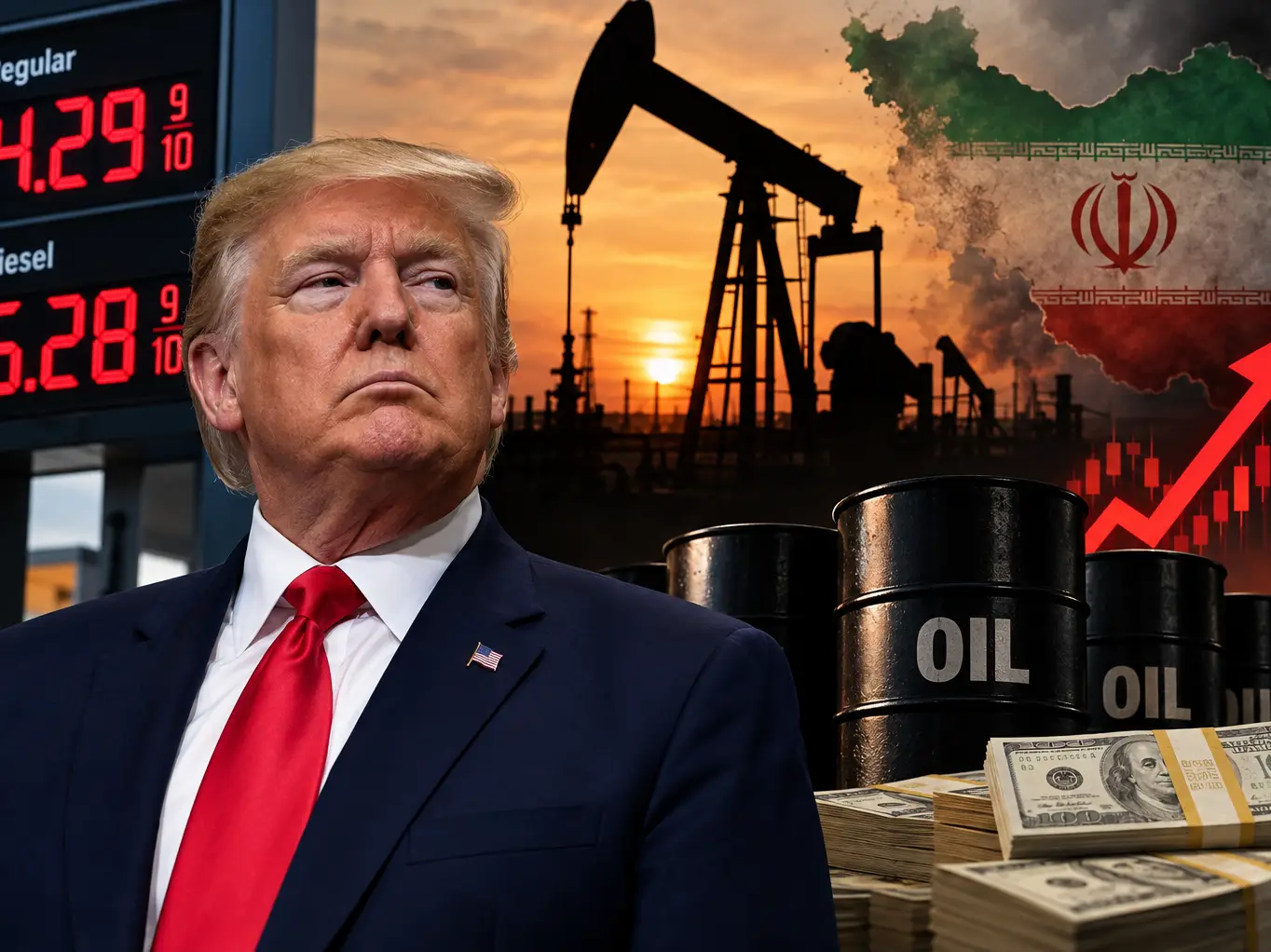
Trump’s oil and gas holdings surge to $81.6 million amid Iran war as Americans face rising fuel costs
&imwidth=180&imheight=135&format=webp&quality=medium)
'I've done my work sincerely': AR Rahman on facing backlash over Ramayana soundtrack
Gaza peace summit: Was there a final text, communiqué, resolution, or joint statement?
The summit produced two primary documents:
1. The Trump Declaration for Enduring Peace and Prosperity, which was dubbed as the "peace document" or "agreement," was signed by the US president, el-Sisi, and leaders from Qatar and Turkey. The language was broad, containing commitments to support the ceasefire and stressing regional stability, security, and economic prosperity. This largely symbolic document focused on upholding the first phase of the peace plan. It did not delve into specifics regarding Gaza's governance or the disarmament of Hamas and other armed groups.
2. A joint statement was issued by Trump, Qatar, Egypt, and Turkey. This statement was also vague about Palestinian statehood or Hamas disarmament. It stressed "equality between Israelis and Palestinians," a vision of "tolerance, dignity, and equal opportunity for every person... regardless of race, faith, or ethnicity." It also spoke of collective efforts to end the war and foster peace.
Absent from the proceedings, or documents, of the summit were any binding resolutions on the most contentious issues.
Verbal assurances and warnings on Palestinian statehood
The documents and summit discussions included indirect references to Palestinian statehood but nothing explicit. Egyptian President el-Sisi explicitly warned during the summit that "only the creation of a Palestinian state could offer a durable end to the conflict." The joint statement's stress on equality between Israelis and Palestinians was interpreted by some analysts as a subtle nod to statehood aspirations, as was the presence of Mahmoud Abbas.
Most of the summit remarks and documents prioritised cessation of hostilities over political changes on the ground for Palestinians. Implementation of the ceasefire appeared more important than addressing deeper political issues.
Was there any mention of Hamas or its disarmament?
Interestingly, the documents avoided direct mentions of Hamas by name. Thus, the main actor of the war was absent from the summit, having relied on Qatari and Egyptian mediators. There was no explicit condemnation of the 7 October 2023 terror attack by Hamas on Israel that set off the war. The signed declaration and joint statement did not mention Hamas but praised "regional leaders" (implicitly including Qatar and Egypt) for brokering the deal with Hamas and acknowledged their "very important role."
The texts did not include binding language on Hamas disarmament, which remains a sticking point earmarked for later phases of negotiations.
But prior to the Egypt summit, Hamas had outrightly rejected disarmament as "out of the question." Germany’s Foreign Minister, Annalena Baerbock, stated that some states were "exerting pressure on Hamas to disarm for further talks."
The Egypt declaration focused on "security" broadly, leaving disarmament and Hamas’s future role—such as its exclusion from Gaza governance—for future negotiation.
Also read: ‘Pakistan, India going to live very nicely together’: Trump says at Gaza peace summit in Egypt
So, what did the Egypt summit achieve?
The one clear achievement was to secure the international community's approval for the truce, with optimism that it would hold. As for the rest, it was largely a procedural and symbolic event intended for optics. While celebrating the ceasefire’s start, the summit deferred thornier issues like Palestinian statehood and Hamas disarmament to future talks, possibly to avoid derailing momentum for peace on the ground.
In short, Gaza now has a fragile peace, and the Egypt summit left several crucial questions unanswered. Let’s wait for phase two of the talks.

