Why US tanks can spin their heavy turrets much faster than Russian tanks

The US M1 Abrams uses powerful turret drives that allow a 360-degree spin in nine seconds. Russian tanks use smaller electromechanical drives to stay compact and low-profile, taking 15 seconds to rotate fully.
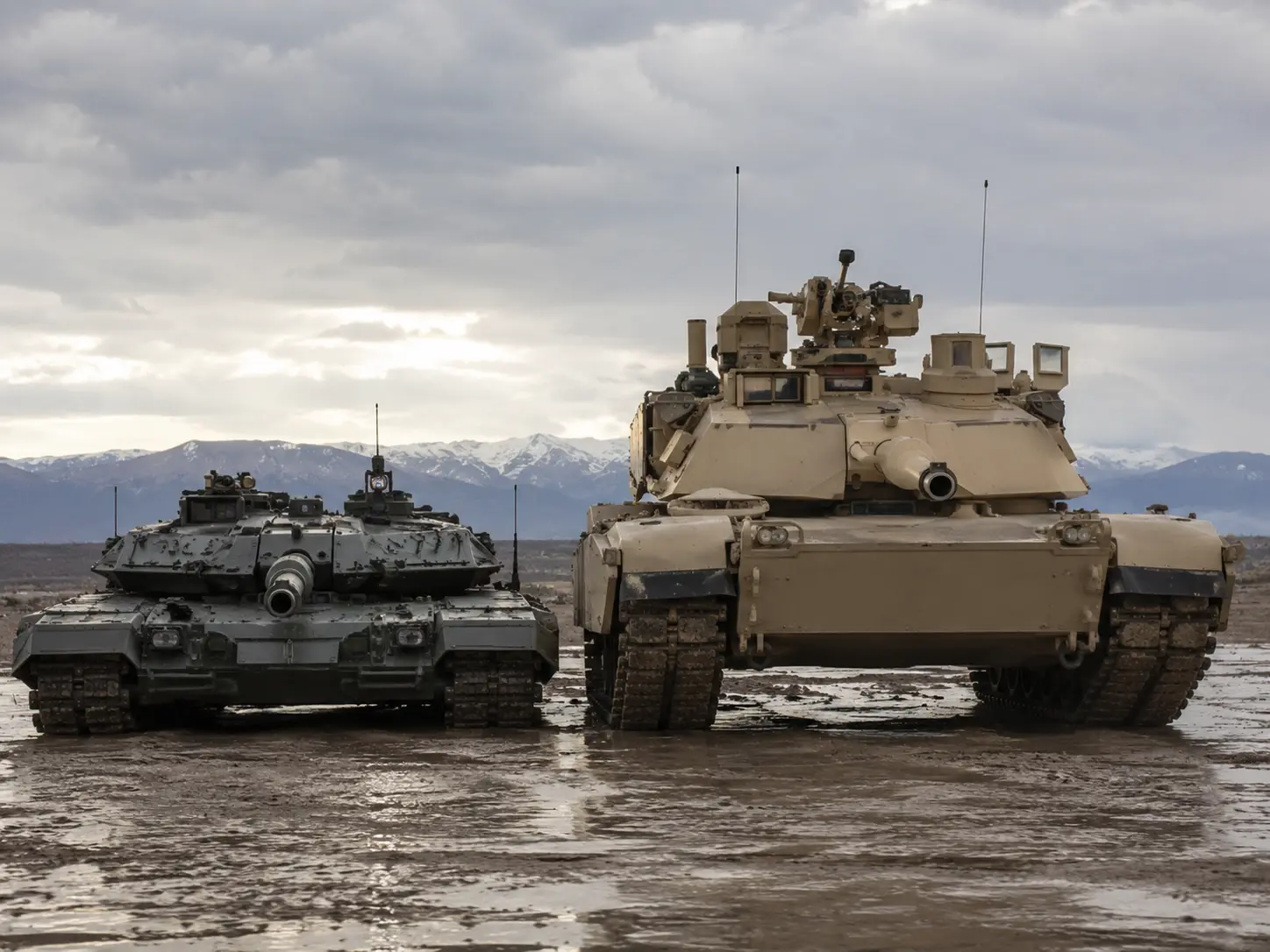
40 Degrees Per Second
The US M1 Abrams features a massive turret, yet it can complete a full 360-degree rotation in just nine seconds. This rapid traverse rate of 40 degrees per second allows American tank crews to aim their 120 mm main gun at new targets almost instantly.
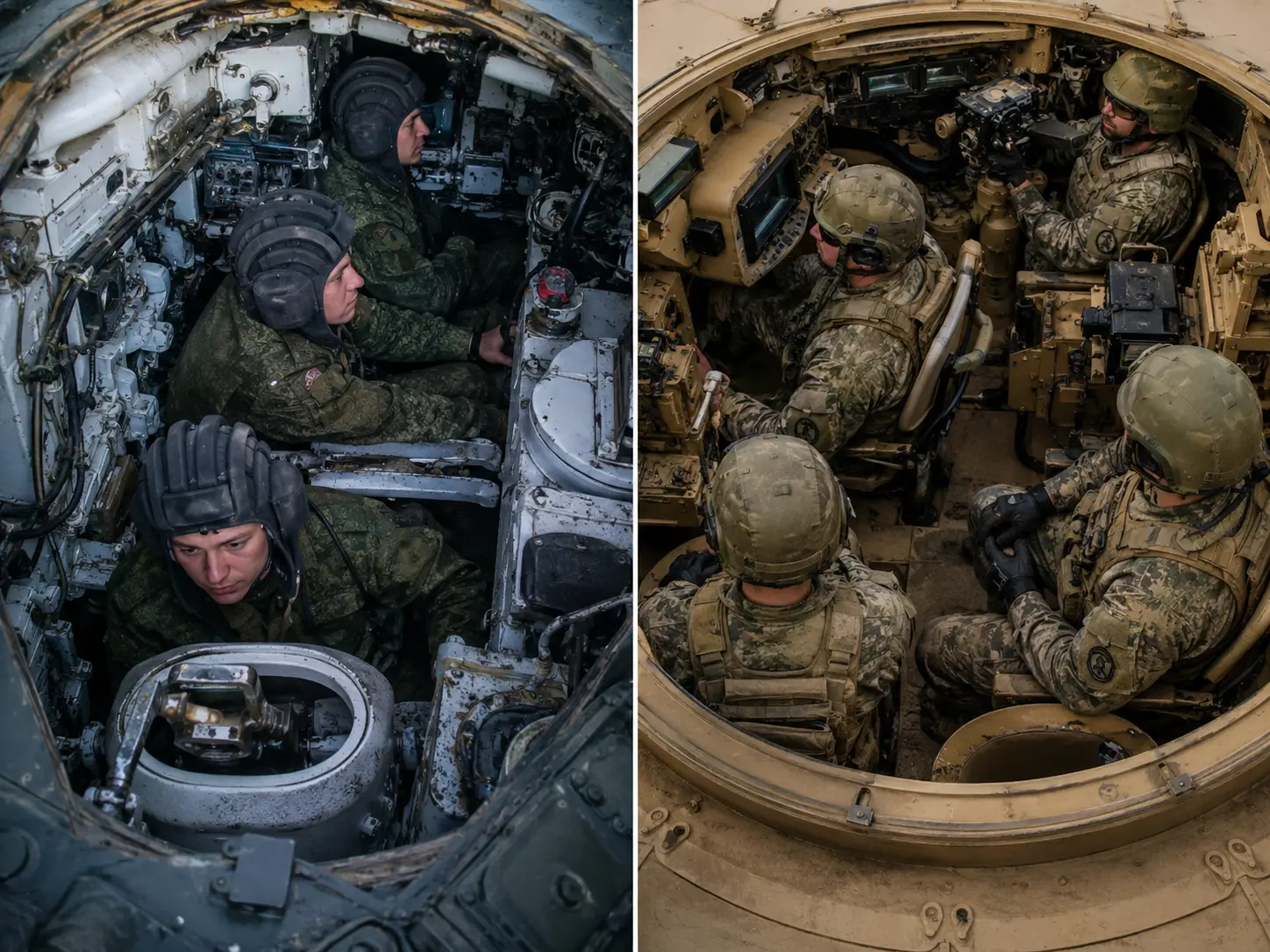
24 Degrees Per Second
Modern Russian tanks, such as the T-90 and T-72, traverse their turrets at a maximum of 24 degrees per second. It takes roughly 15 seconds for a Russian turret to complete a full 360-degree spin, a speed difference that directly affects combat reaction times.
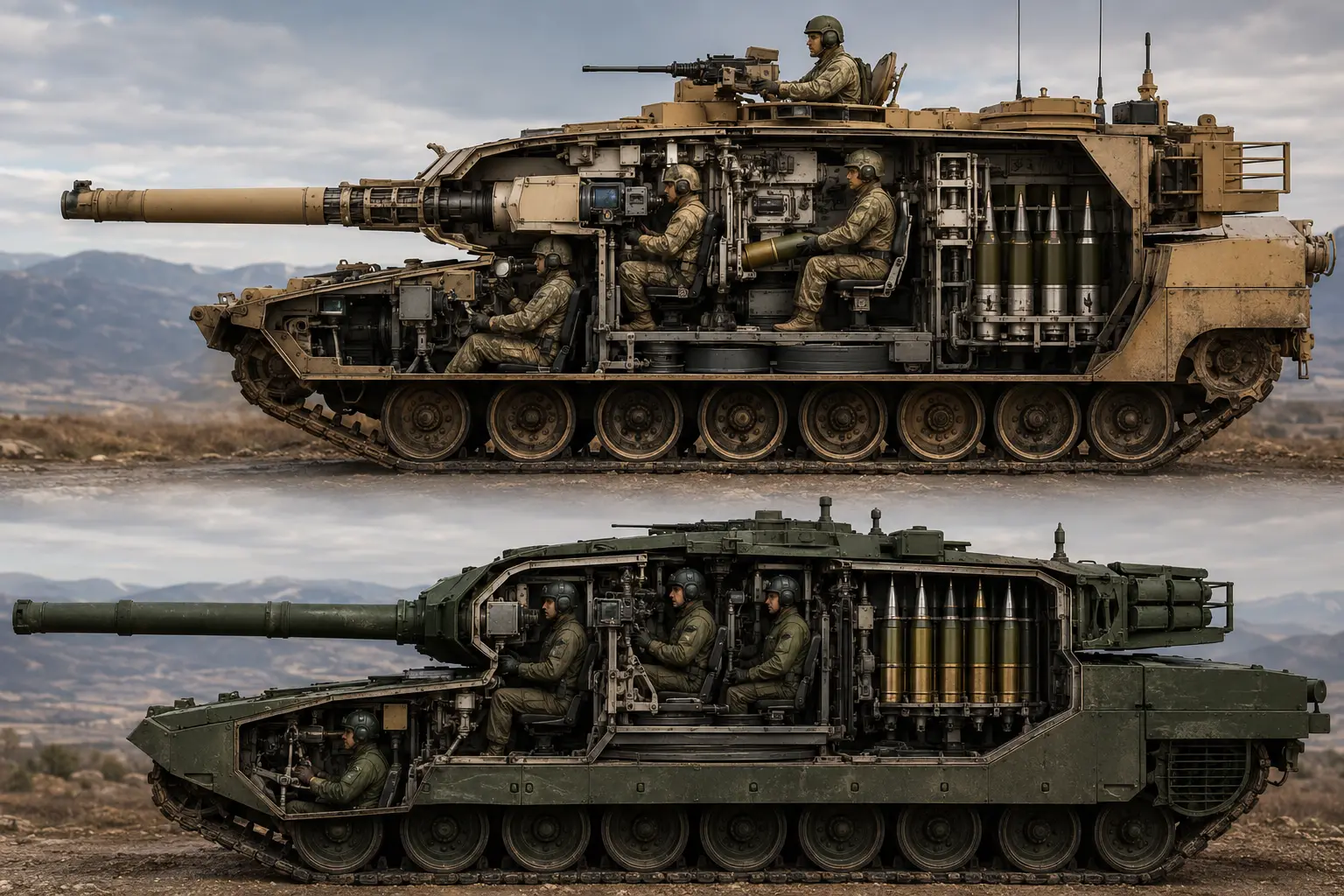
24-Tonne US Turrets
12 Tonne Russian TurretsTo move a turret weighing over 24 tonnes quickly, US engineers equip the modern Abrams with heavy-duty electric drive systems. These powerful motors consume a significant amount of interior space, but they guarantee unmatched reaction speeds during sudden engagements.
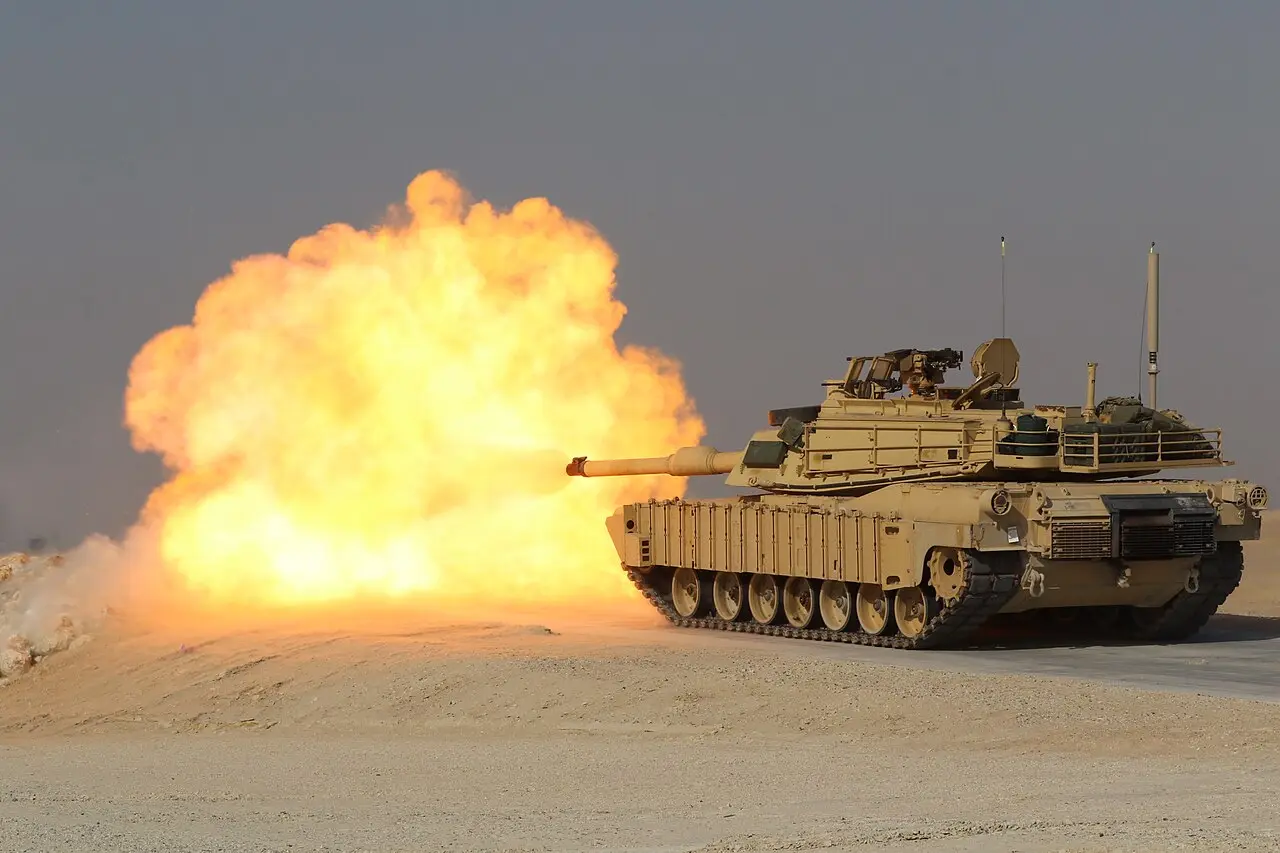
12 Tonne Russian Turrets
Russian military doctrine prioritises making tanks low-profile to avoid enemy detection, resulting in lighter turrets that weigh around 12 tonnes. Because their three-man turrets have much less internal volume, they use compact electromechanical drives that naturally output less rotational power.
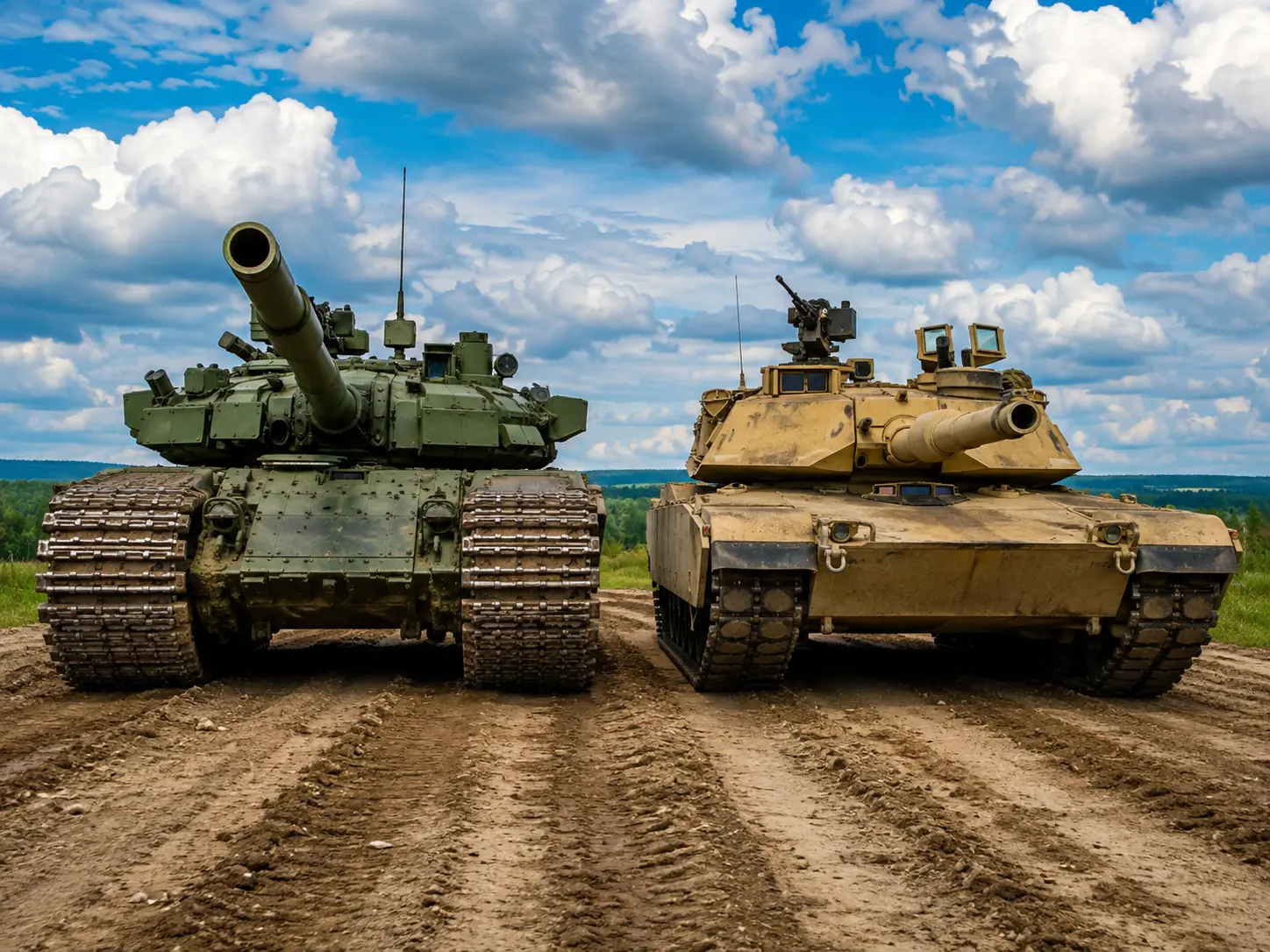
9 vs 15 Seconds
This stark difference in turret speed reflects entirely opposing combat strategies. US tank design accepts a larger, heavier vehicle to achieve a nine-second rotation for immediate targeting. Russian design accepts a 15-second rotation to maintain a smaller, harder-to-hit silhouette.
)
)
)
)
)