Why US tanks weigh over 20 tons more than Russian tanks

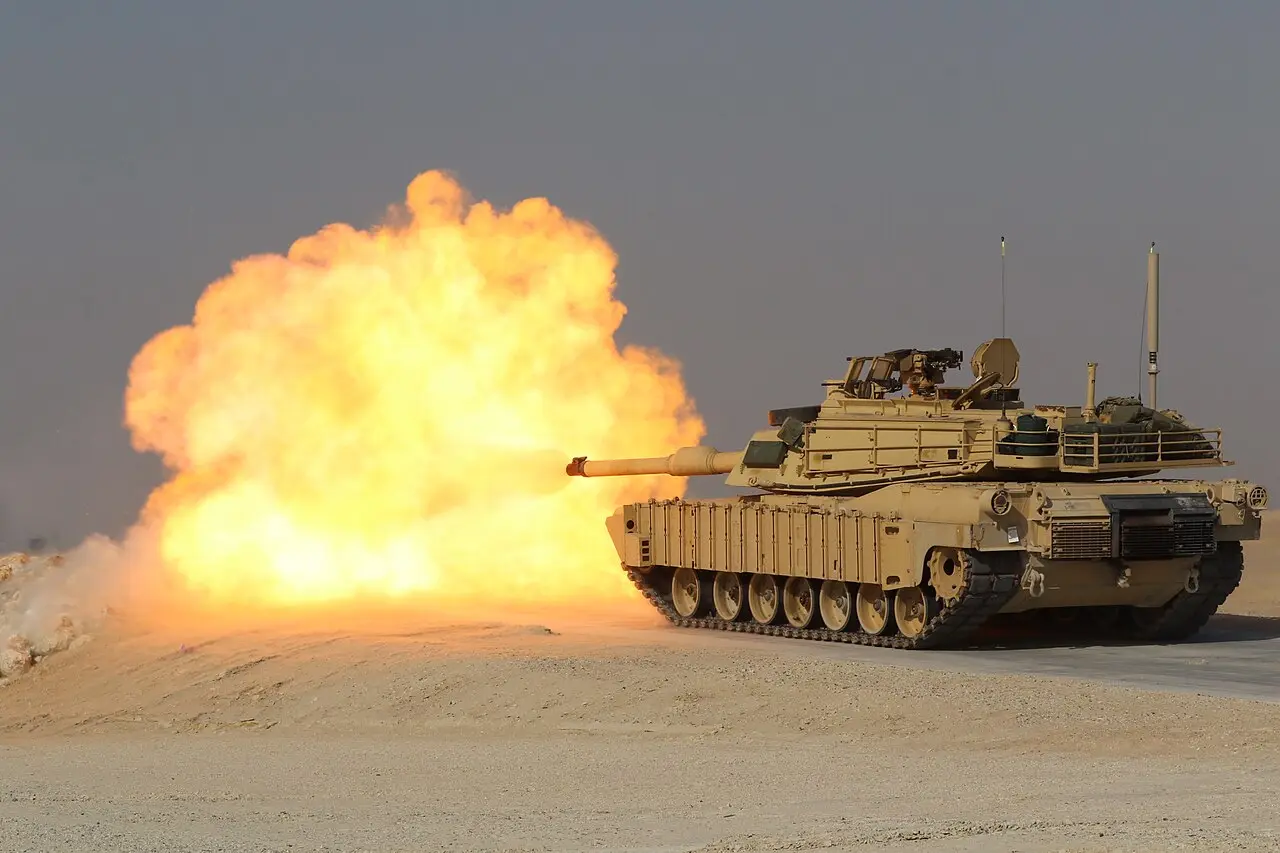
US tanks like the M1A2 Abrams weigh roughly 67 tonnes, making them almost 20 tonnes heavier than the Russian T-90. This gap exists because the US uses a four-man crew and heavy armour, while Russia uses a three-man crew and an autoloader.
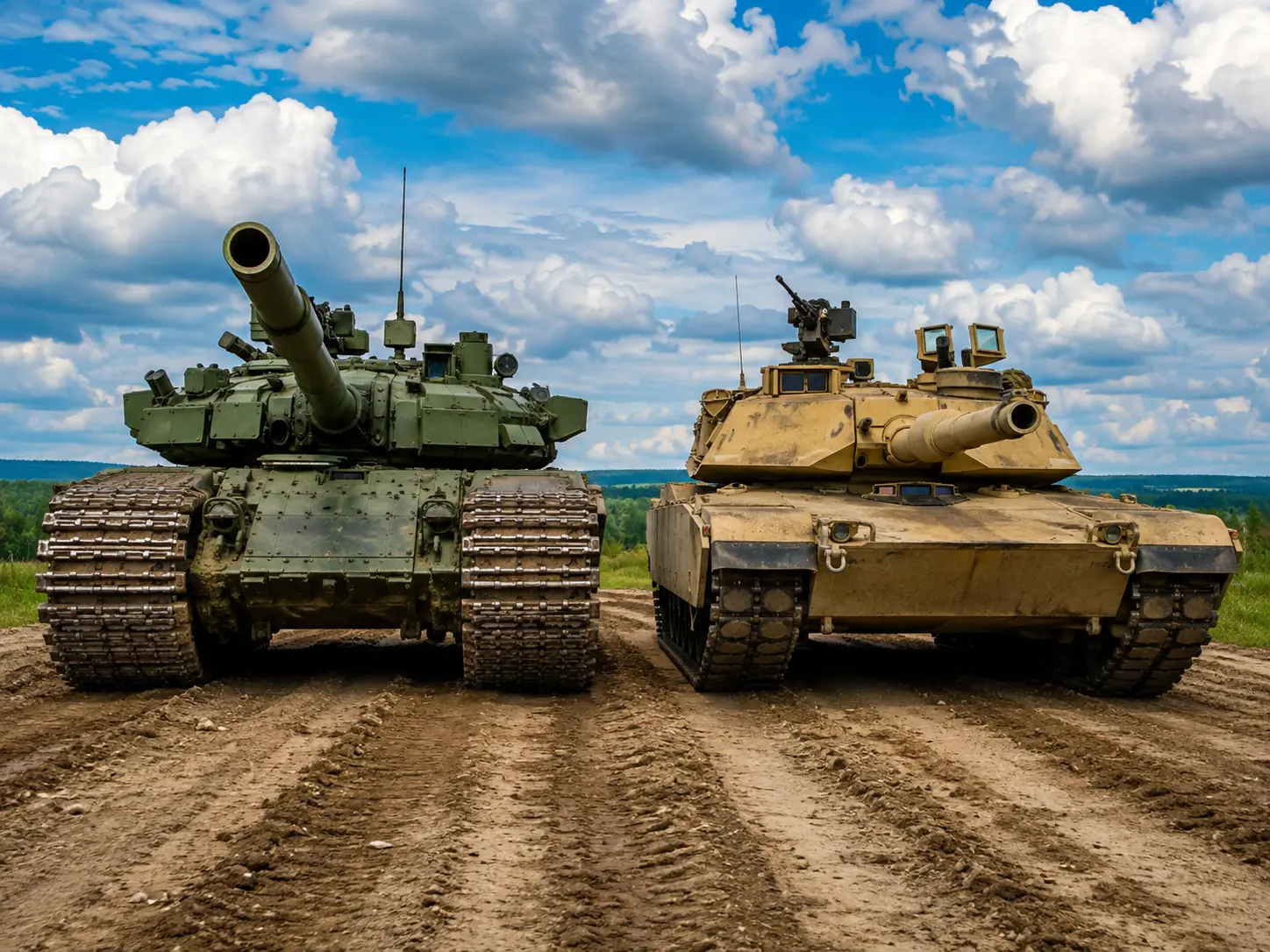
Three-Man vs Four-Man Crew
Russian tanks utilise an automatic ammunition loading system, completely removing the need for a human loader. By operating with a three-man crew instead of the four-man team required in the US Abrams, engineers drastically reduce the turret interior volume.
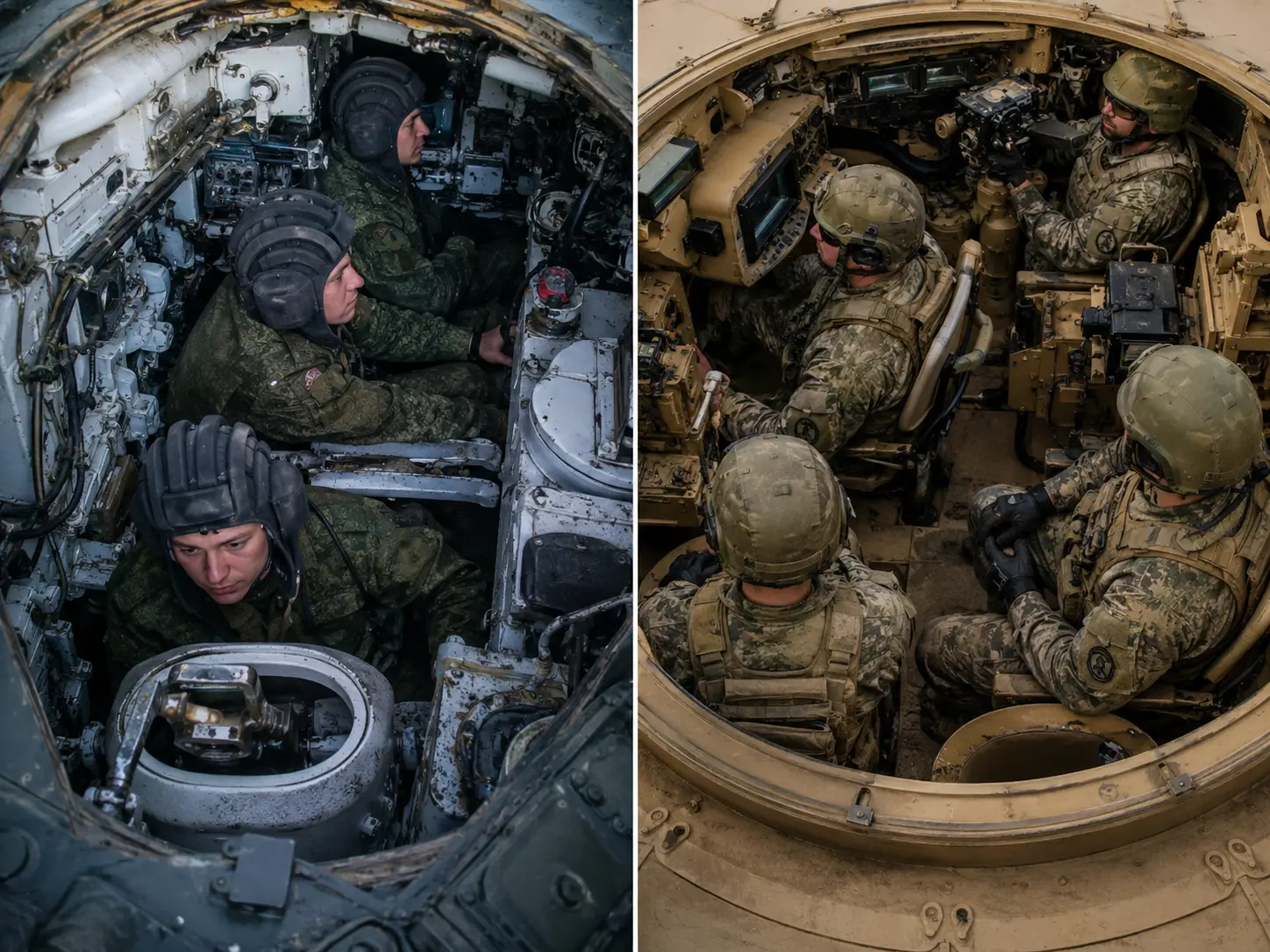
Under 2.2 Metres Tall
A reduced internal space means Russian vehicles like the T-72 and T-90 maintain a much lower vertical profile. They stand roughly 2.2 metres tall, whereas the Abrams reaches 2.4 metres. With significa
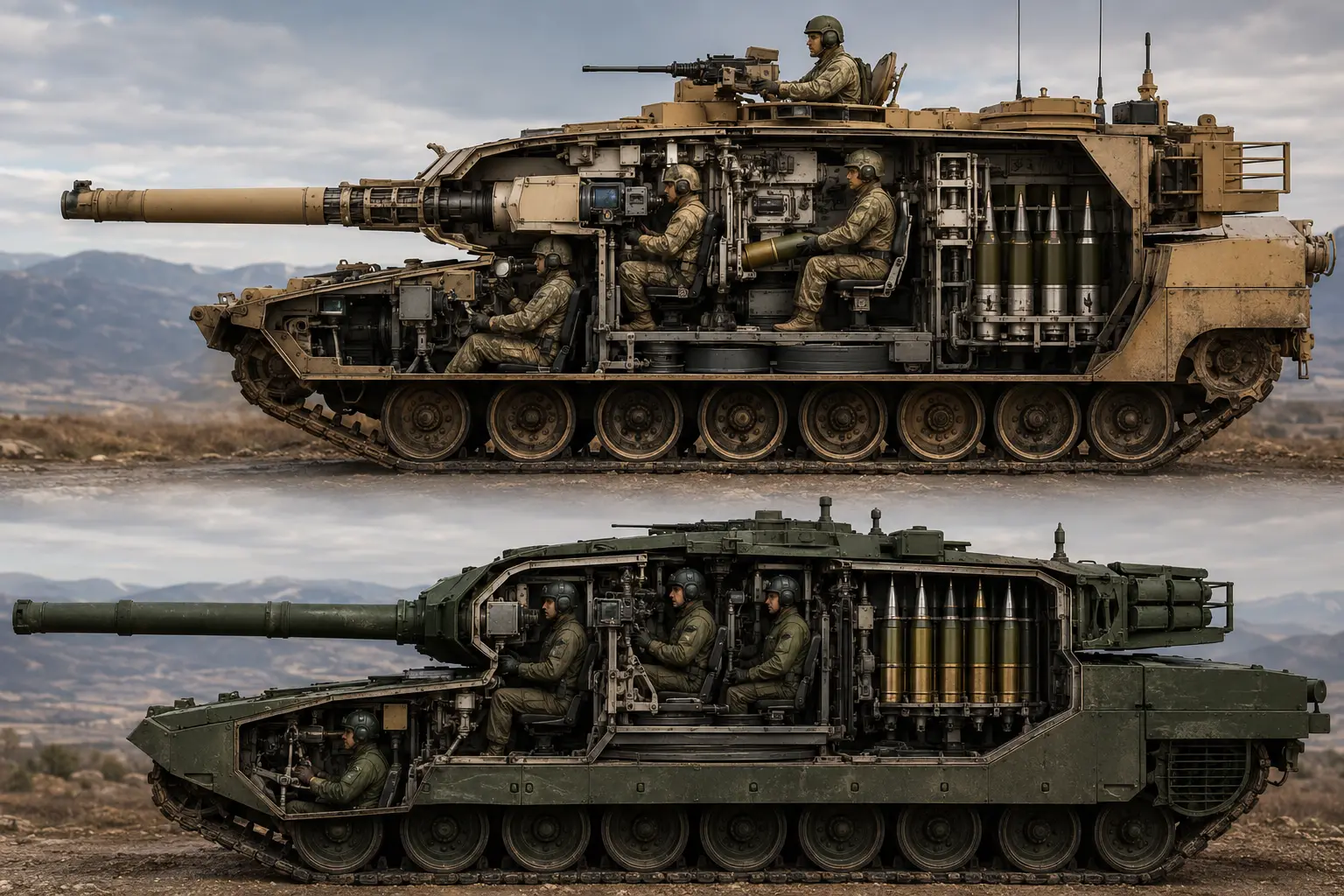
48-Tonne vs 67-Tonne Weight
The culmination of these design choices results in a substantial weight difference between the rival machines. While modern Russian variants like the T-90 weigh around 48 tonnes, the heavily armoured US M1A2 Abrams tips the scales at roughly 67 tonnes.
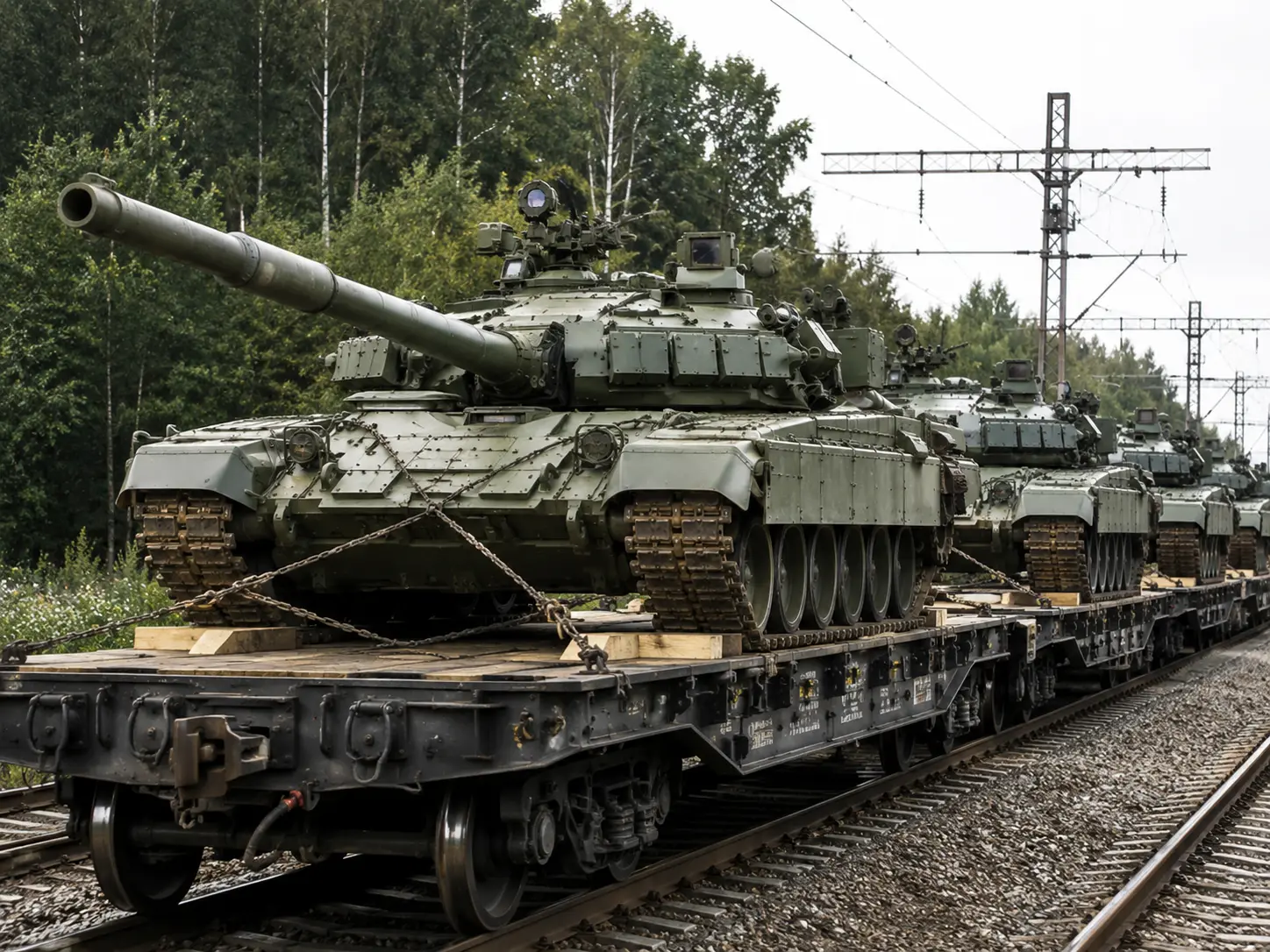
50-Tonne Bridge Limits
The lighter mass of Russian tanks perfectly aligns with infrastructure limitations across Eastern Europe. Many rural overpasses and civilian bridges are strictly rated for 50 tonnes, allowing lighter Russian vehicles to cross safely while heavier US tanks face severe mobility restrictions.
1,130 vs 1,500 Horsepower
Because they carry 20 tonnes less mass, Russian tanks can operate effectively using 1,130 horsepower diesel engines. In contrast, the heavier 67-tonne Abrams requires a powerful 1,500 horsepower gas turbine engine just to maintain its off-road mobility across the battlefield.
)
)
)
)
)