Explained: Finland is now a NATO member. Is it a direct threat to Russia?

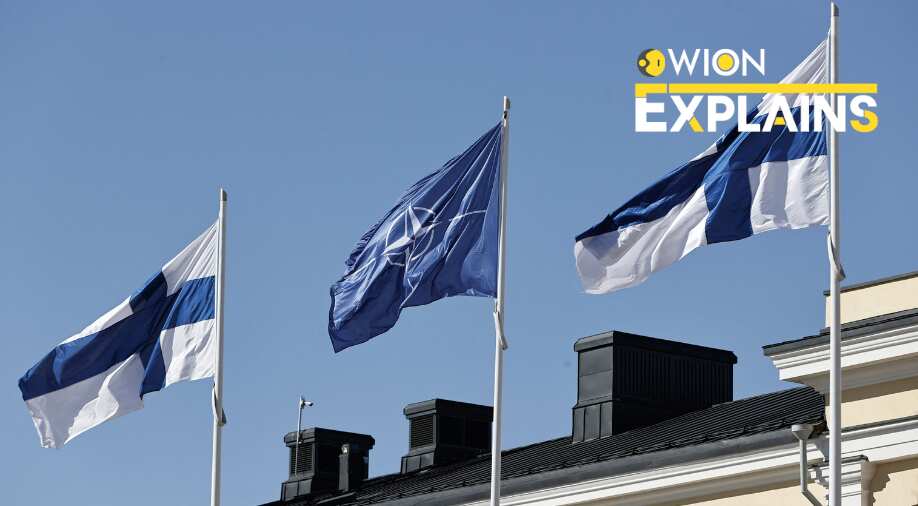
Finnish and NATO flags
April 4, 2023, turned out to be a "great day" for Finland as it became a member of the North Atlantic Treaty Organization (NATO). Helsinki's journey to becoming the 31st member of the crucial security alliance was completed with the hoisting of Finland's blue-and-white Nordic cross flag at NATO's headquarters.
Finland is now under NATO's security blanket and the alliance will also get a crucial and reliable ally. President Sauli Niinisto claimed that joining the defence alliance is a new era for his country.
Niinisto said, "It is a great day for Finland. Security and stability are those elements which we feel very strongly; if people can live in secure stable circumstances, that are the basic elements of a happy life."

The Finnish presidency said in a statement that "each country maximises its own security. So does Finland. At the same time, NATO membership strengthens our international position and room for manoeuvre." The statement also mentioned that in the future, Finland will contribute to NATO's collective "deterrence and defence".
Is Finland joining NATO a direct threat to Russia?
Analysts and experts from the West said that Finland joining NATO is a major blow to Russia. Moscow began Ukraine's invasion last year in February, which President Vladimir Putin calls a "special military operation", but the war prompted Finland to apply for NATO membership, along with Sweden. Finland's bid was historic because of its decades-old policy of military non-alignment.
)
Nigeria: Protesters take to the streets, police fire shots
)
US-Iran war: Tehran draws red lines — seven demands before any peace talks
)
Russia-Europe tensions: Polish PM warns Russian attacks could test NATO's unity
&im=FitAndFill=(700,400))
‘Not the US or China’: These are the countries leading the world in arable land
)
Mark Carney mimics Trump in hilarious moment over C$70 billion clean-energy investment; room erupts in laughter
)
Pentagon revives mandatory testosterone testing for male troops aged 30 and above
)
Delhi voter roll shake-up: 3.31 million electors flagged in SIR review
)
‘End of my career...’: NSA Doval recalls tense Sikkim mission when China captured Indian intelligence team
)
Report: Iran rebuilding Taleghan 2, nuclear site tied to past weapons research, hit twice by Israel
)
Trump defends AI amid growing alarm, announces new 'AI force' and promises an 'AI czar'
)
Iran sets 7 conditions to end war with US: What are Tehran’s demands?
)
Trump announces ‘AI Force’ as debate grows over AI risks and regulation
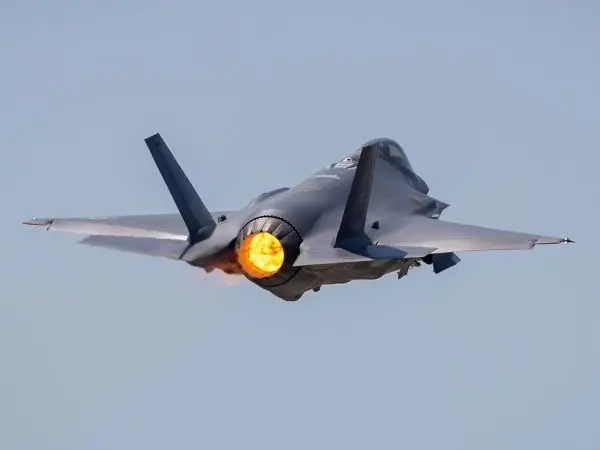)
China may have gained access to US's classified F-35 jets; parts meant for repairs diverted to Hong Kong, sparking Pentagon inquiry
)
Gaza under attack: Health chief's son killed in IDF strikes
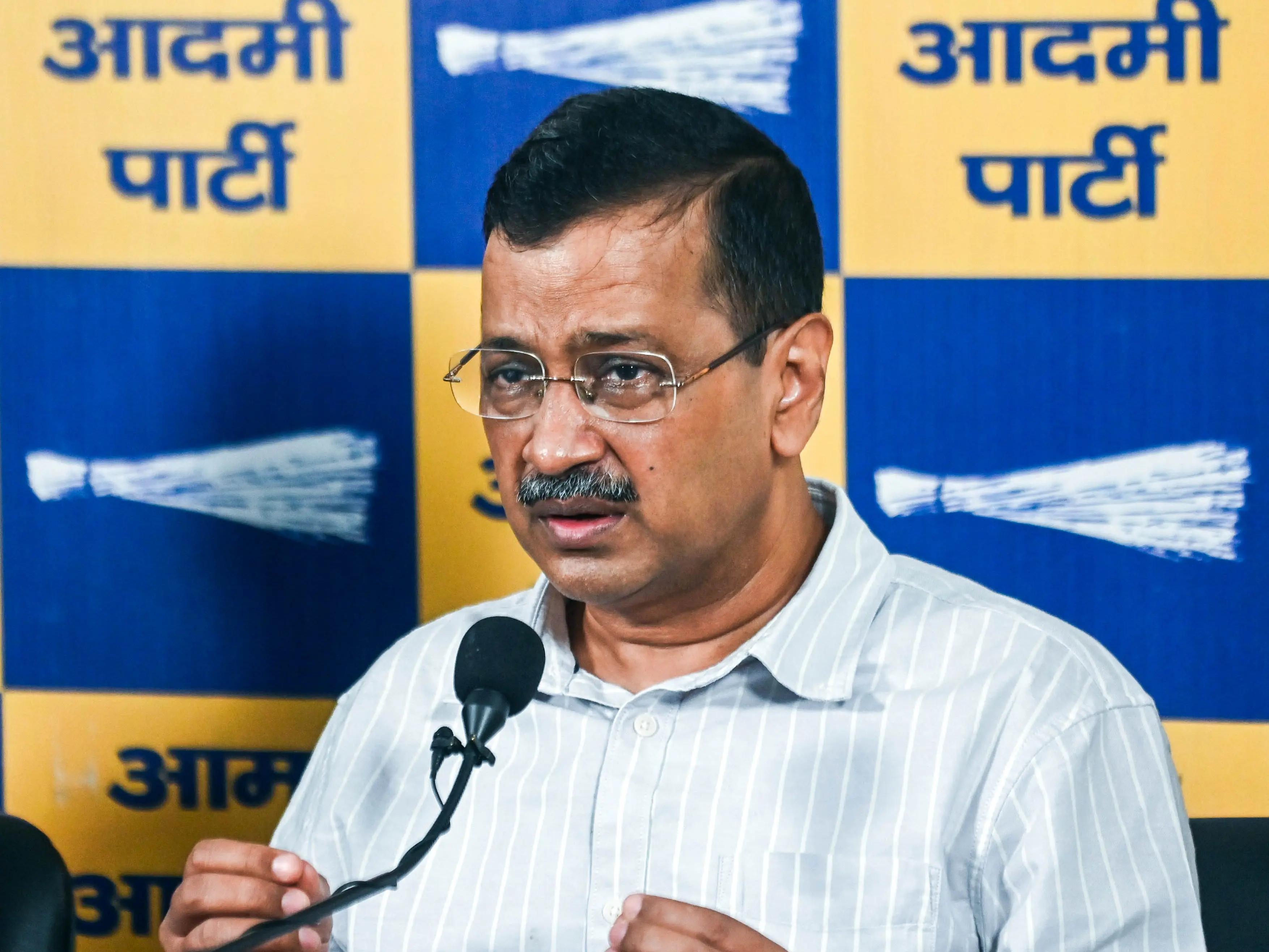)
Arvind Kejriwal, family members, Delhi CM Rekha Gupta get SIR notices
)
Cochin shipyard starts building Indian Navy's next-gen missile vessels
)
Saudi vs Houthis: Houthis claim missiles & drones used in attack on key Saudi sites
)
Ed Sheeran addresses Macklemore's removal, Gaza conflict during Philadelphia concert: 'I cannot hide how I feel'
)
‘Will go to any extent’: Pakistan vows to defend Saudi Arabia amid Houthi attacks
66 years of the Indus Waters Treaty: How India and Pakistan settled a bitter river dispute
)
The Verdict | When precision fails: US commits war crime in Minab school strike, UN finds
)
9 women found dead near Johannesburg: South Africans rally, demand 'enough' to femicide
)
Kampala-Ankara rift deepens: Uganda suspends military ties, seeks Fred Lumbuye's extradition
)
Trump wants to rename ‘Artificial Intelligence’, gives 3 options: Which one would you pick?
)
US-Iran war: Tehran sets seven conditions to re-engage in talks with US
)
Reacher star Alan Ritchson opens up about alleged blackmail, suicide attempt during difficult period
)
Africa is splitting, and a lot sooner than estimated, giving way to a new ocean
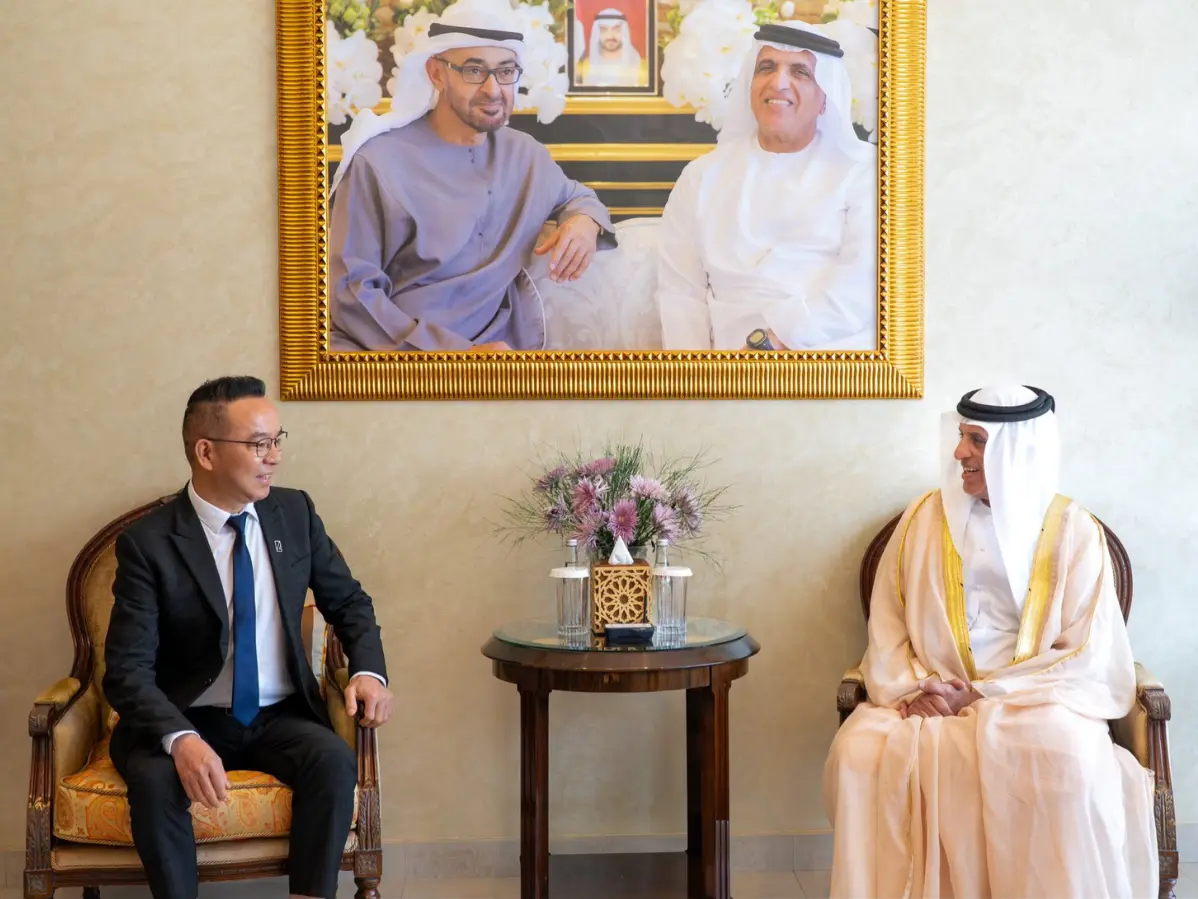)
Flying cars in UAE: Ras Al Khaimah signs deal with Chinese company to test new transport
)
Trump bans CNN, MS NOW and Politico from White House over ‘FAKE NEWS’
)
Trump 2.0: Dark days ahead for America’s ‘imperial presidency’
&im=FitAndFill=(700,400))
How many F-35s does Britain, Japan and Israel have?
)
Harry Brook targets long reign at top of T20I rankings after Sri Lanka sweep
)
Russia's deadly Ukraine strikes kill 2 in Sumy, hit Dnipro mall
)
Russia holds first parliamentary elections since the beginning of the Ukraine war
&im=FitAndFill=(700,400))
Meet top 5 Indian batters with fastest T20I centuries
)
Raphinha hat-trick powers Barcelona to 3-1 win over Sevilla in La Liga
)
Several concerns were raised over more possible invasions by Moscow after Ukraine in future. But any military attack on Finland will definitely get escalated as becoming a NATO member puts Finland under the alliance's Article Five, the collective defence pledge that an attack on one member "shall be considered an attack against them all".
After taking Helsinki into the camp, NATO doubled the length of its land border with Russia as Finland shares a 1,300-kilometre-long border with its neighbour. Moscow now has the West and its military forces closer to its border than before.
A response is expected in one way or another because Kremlin spokesman Dmitry Peskov said that "this forces us to take countermeasures... in tactical and strategic terms".
But in an immediate reaction, Russia’s Deputy Foreign Minister Sergey Ryabkov said the nation will make the countermeasures public in a calm manner and in due time.
"We don't want to get ahead of ourselves here. Why should we? We will calmly disclose what we will do in response when the time is ripe," said Ryabkov, further adding that the West is "deeply mistaken" and "a reaction will follow".
Russian Defence Minister Sergei Shoigu said that NATO's move to increase its own combat readiness has escalated the risk of conflict. Shoigu said that the West is intensifying combat training and reconnaissance activities near the borders of Russia and Belarus and all this creates the riskof a "significant escalation" of the conflict. He also stressed that the move will not affect the outcome of the "special military operation".
Putin has often warned the West that NATO's expansion would be seen as aggression towards Russia and would justify the invasion.
Meanwhile, NATO Secretary General Jens Stoltenberg described Finland's membership as a proud day for both—him and the alliance. He said, "This will make Finland safer and NATOstronger. President Putin had a declared goal of the invasion of Ukraine to get less NATOalong its borders and no more membership in Europe, he's getting exactly the opposite."
What Finland will provide to NATO?
Finland was invaded by the Soviet Union in 1939 and it stayed out of NATO throughout the Cold War and also adopted neutrality in World War II. But its recent NATO membership portrays a significant change in Europe's political landscape.
As mentioned, Finland will now help NATO allies to keep a watch on Russian activities as its strategic location boosts defences on a border running from the vulnerable Baltic states to the increasingly competitive Arctic.
NATOwill now have seven members on the Baltic Sea, further isolating Russia's coastal access to St Petersburg and its small exclave of Kaliningrad.
Its membership also brings a potent military into the alliance with a wartime strength of 280,000 and one of Europe's largest artillery arsenals.
What happened to Sweden's bid?
Stockholm also applied for NATO membership along with Finland, but its bid has been stalled. Sweden has upset Hungary's leader Viktor Orban, one of Putin's closest allies in Europe, by expressing alarm over the rule of law in Hungary.
Turkey is also angry with it because of refusing to extradite "terrorists" upon Turkish request. Turkish President Recep Tayyip Erdogan links them to a failed 2016 coup attempt and the Kurdish independence struggle.
Also, analysts have said that they do not expect Turkey to ratify Sweden's application until after Turkey's May 14 election.
Not just Sweden, Ukraine is also pushing for eventual NATO membership. However, Western diplomats say that remains a distant prospect.
Ukraine's Foreign Minister Dmytro Kuleba said,"There is no better strategic solution to ensuring strategic security in the Euro-Atlantic region than the membership of Ukraine in the alliance."
WATCH WION LIVE HERE
You can now write for wionews.com and be a part of the community. Share your stories and opinions with us here.