&imwidth=800&imheight=600&format=webp&quality=medium "Decoding Japan’s soft power and cultural influence India, others tend to overlook")
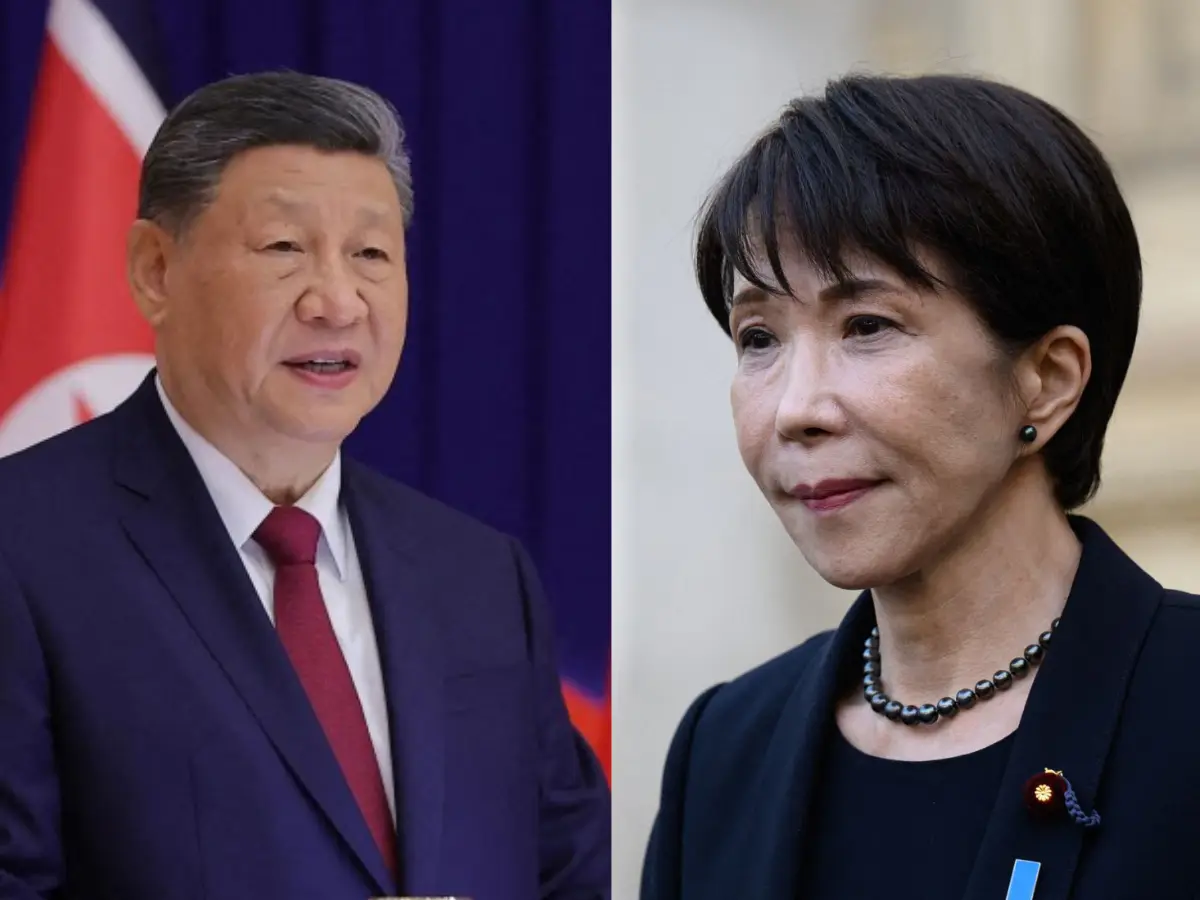
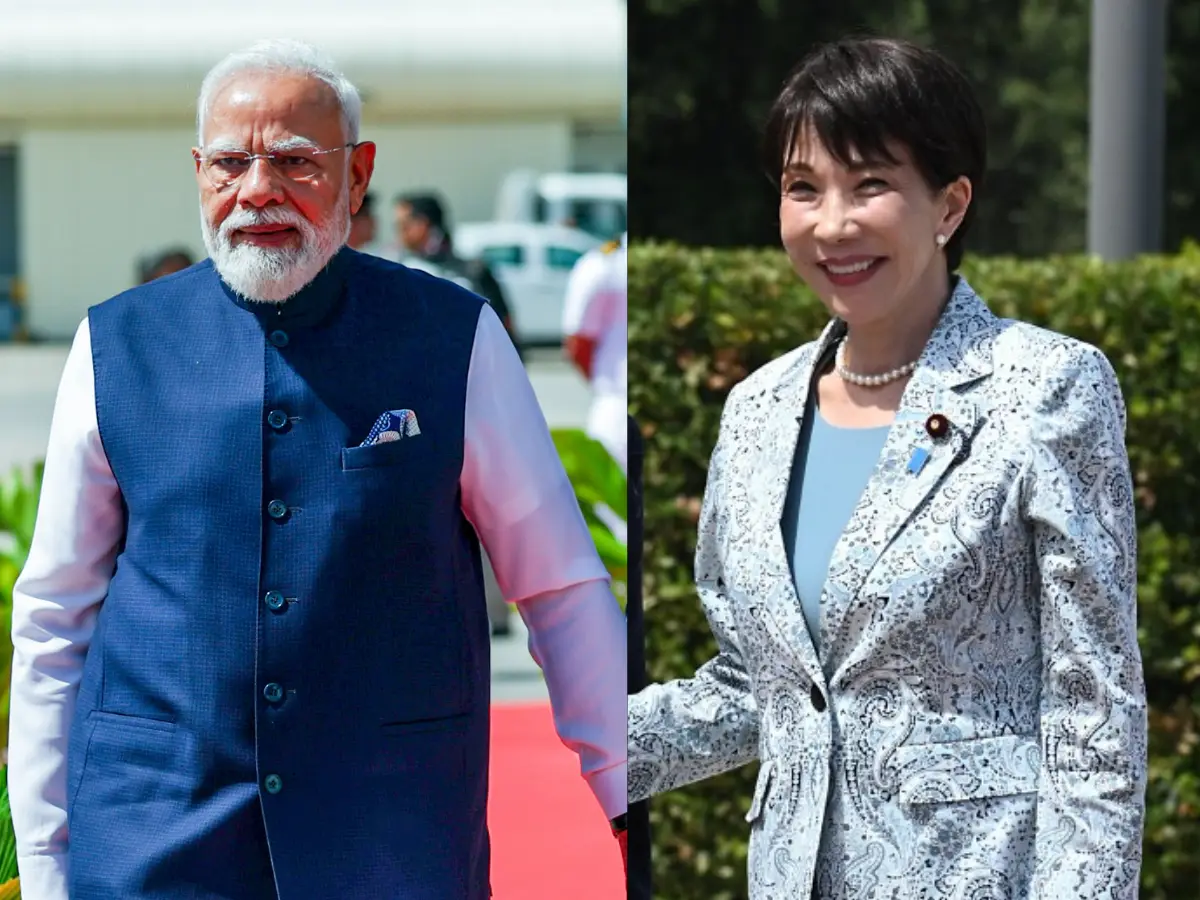
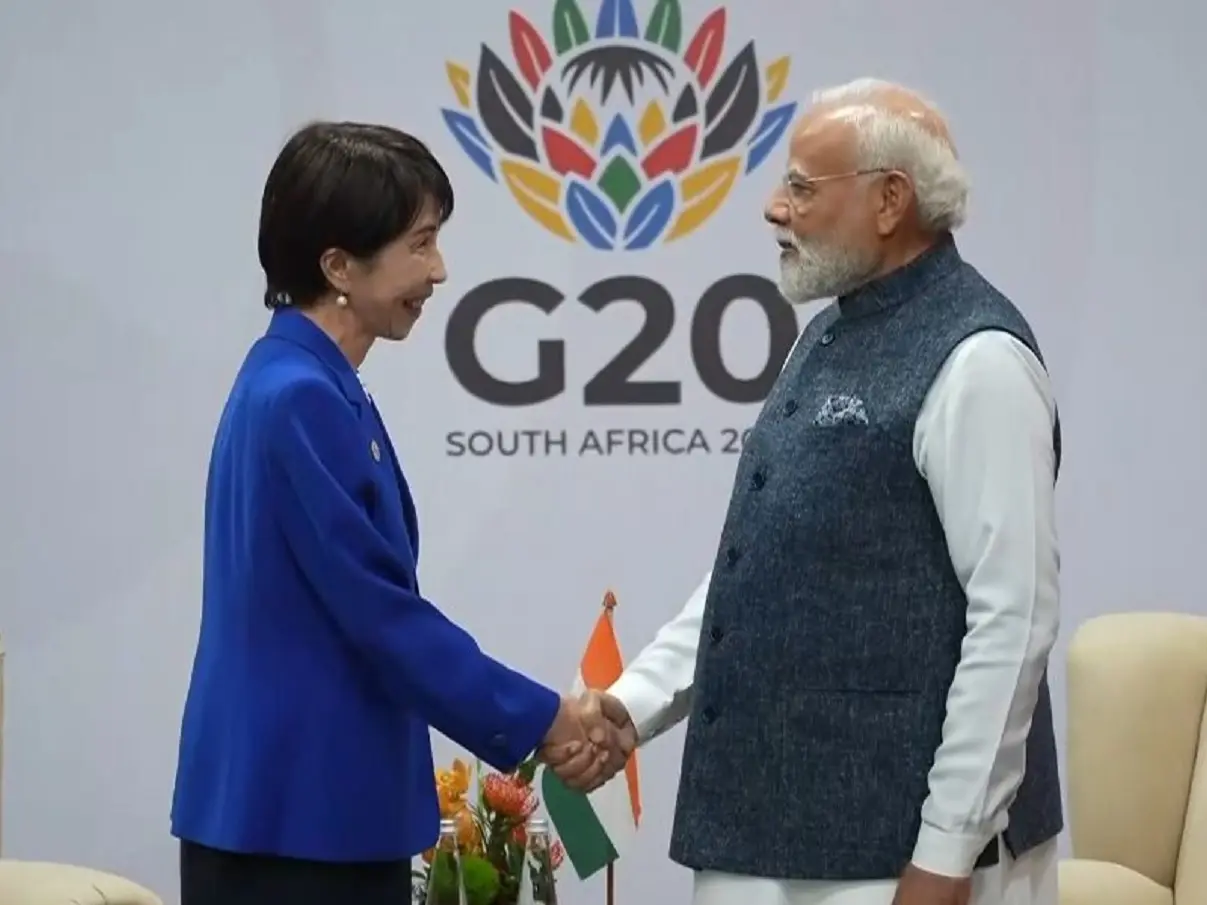
Prime Minister of Japan, Sanae Takaichi, is arriving today to attend the 16th India-Japan Annual Summit in New Delhi, her first official visit since coming to power. Her visit sparks a natural interest in the Japanese culture, cuisine and its almost mythical reputation for discipline.
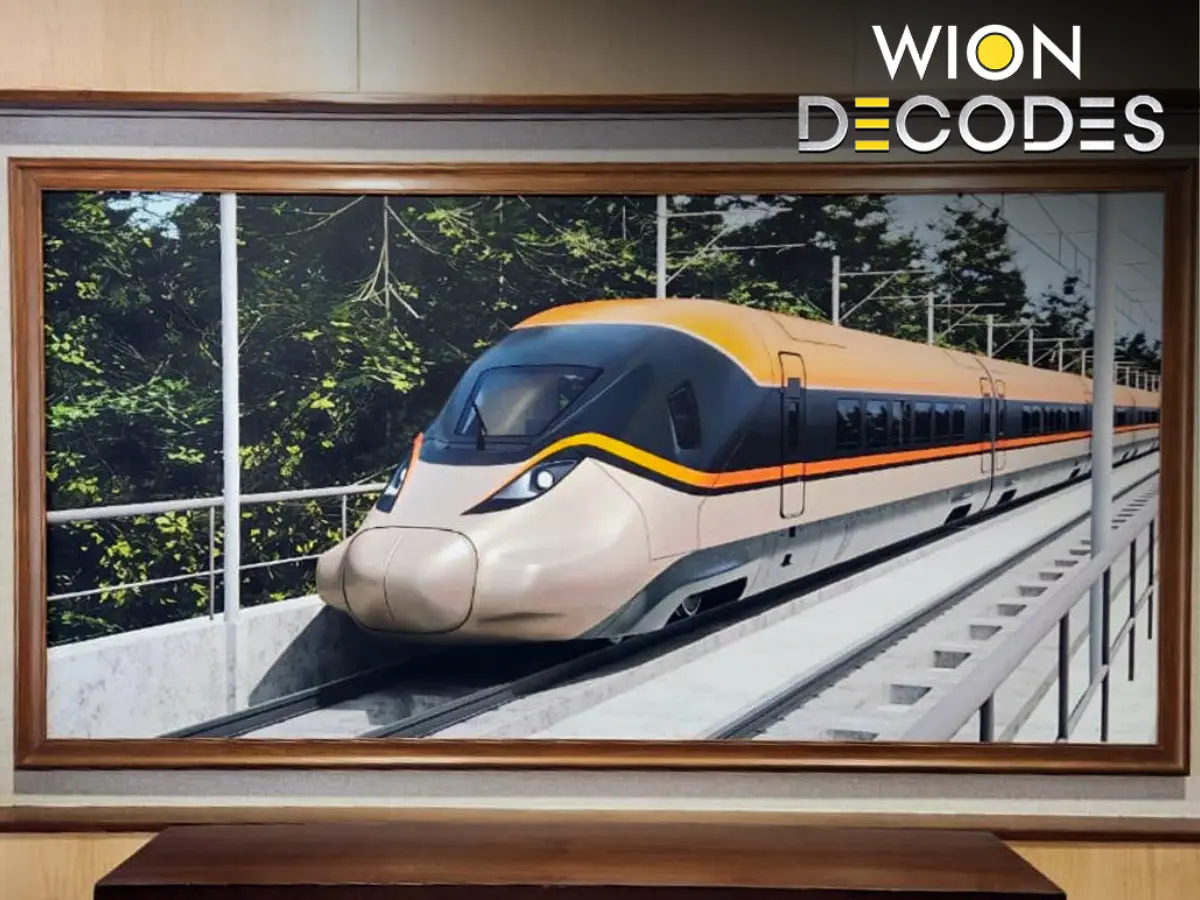
For many in India, Japan is the land of anime, sushi and bullet trains, where there is a lot of stress on discipline. These symbols have shaped Japan’s global image, but they represent only a fraction of its soft power.
As Delhi and Tokyo deepen strategic cooperation, India needs to look beyond the familiar clichés to really benefit from the partnership. Reducing a sophisticated nation to some countable symbols risks overlooking the ideas, cultural traditions and institutions that define its influence.

Soft power reflects a country’s values, culture, institutions, creativity and ability to attract and influence others without coercion.
Japan’s anime franchises such as Naruto, One Piece and Demon Slayer have millions of Indian followers. The popularity of Japanese cuisine has gone beyond restaurants in metropolitan cities, while values and practices like punctuality, cleanliness and work ethic are awe-inspiring.
However, this popular imagery tends to overshadow many important aspects and qualities. Japan is known for its design, technology, craftsmanship, education and cultural continuity.
Trending Stories
Japan’s manufacturing reputation is itself a form of soft power. Brands associated with reliability, precision and long-term quality have reinforced trust in Japanese products across sectors ranging from automobiles to consumer electronics.
India has experienced this influence firsthand over several decades now. Japanese companies operating in India have introduced workplace practices focused on continuous improvement, quality control and employee participation, concepts that have shaped segments of Indian industry.
Japan is much more than its pop culture
Japan’s cultural exports have remarkable success across India. Anime series such as Naruto, One Piece and Demon Slayer have millions of devoted Indian fans. Manga, gaming and cosplay conventions now attract growing audiences, reflecting Japan’s enduring appeal among younger Indians.
The strength of trust, reputation
Japan’s global reputation has been built over decades through quality manufacturing, design excellence, craftsmanship and technological reliability.
Japanese automobiles, precision engineering and consumer electronics established an image of trust long before anime entered mainstream global culture.
Concepts like kaizen, meaning continuous improvement, and meticulous quality control transformed many manufacturing sectors in India.
Beyond the discipline myth
Among Indians, Japan is frequently portrayed as a society where everyone follows rules, works tirelessly and prioritises the collective over the individual. There is nothing wrong in this perception, but it often overlooks the historical and social factors that shaped these behaviours.
Discipline is less of an innate national trait than the outcome of sustained social investment.
Also Read: Starmer announces extra £15bn for defence, says road and energy projects to be scrapped for funds
Where tradition meets innovation
Japan’s greatest soft-power achievement perhaps lies in its ability to preserve tradition while embracing technological change. Ancient practices like tea ceremonies, calligraphy, pottery, ikebana and traditional theatre continue to flourish alongside robotics, artificial intelligence, advanced manufacturing and cutting-edge medical research. This coexistence of heritage and innovation is a defining feature of Japan’s image.
The country’s literary influence is equally significant as contemporary writers like Haruki Murakami have introduced global audiences to modern Japanese society through narratives that blend urban life, memory and imagination.
Japanese architecture and minimalist design continue to inspire professionals worldwide, influencing everything from interior design to product development.
How have India-Japan ties been?
India’s partnership with Japan has grown rapidly over the past decade. Japanese investments have supported metro rail systems, industrial corridors, manufacturing projects and the Mumbai-Ahmedabad High-Speed Rail project. PM Takaichi’s visit will further boost collaboration in semiconductors, clean energy, digital technologies and resilient supply chains as well.