&imwidth=800&imheight=600&format=webp&quality=medium "Cuba turns capitalist? PM Manuel Marrero unveils biggest ever free market reforms amid US pressure")
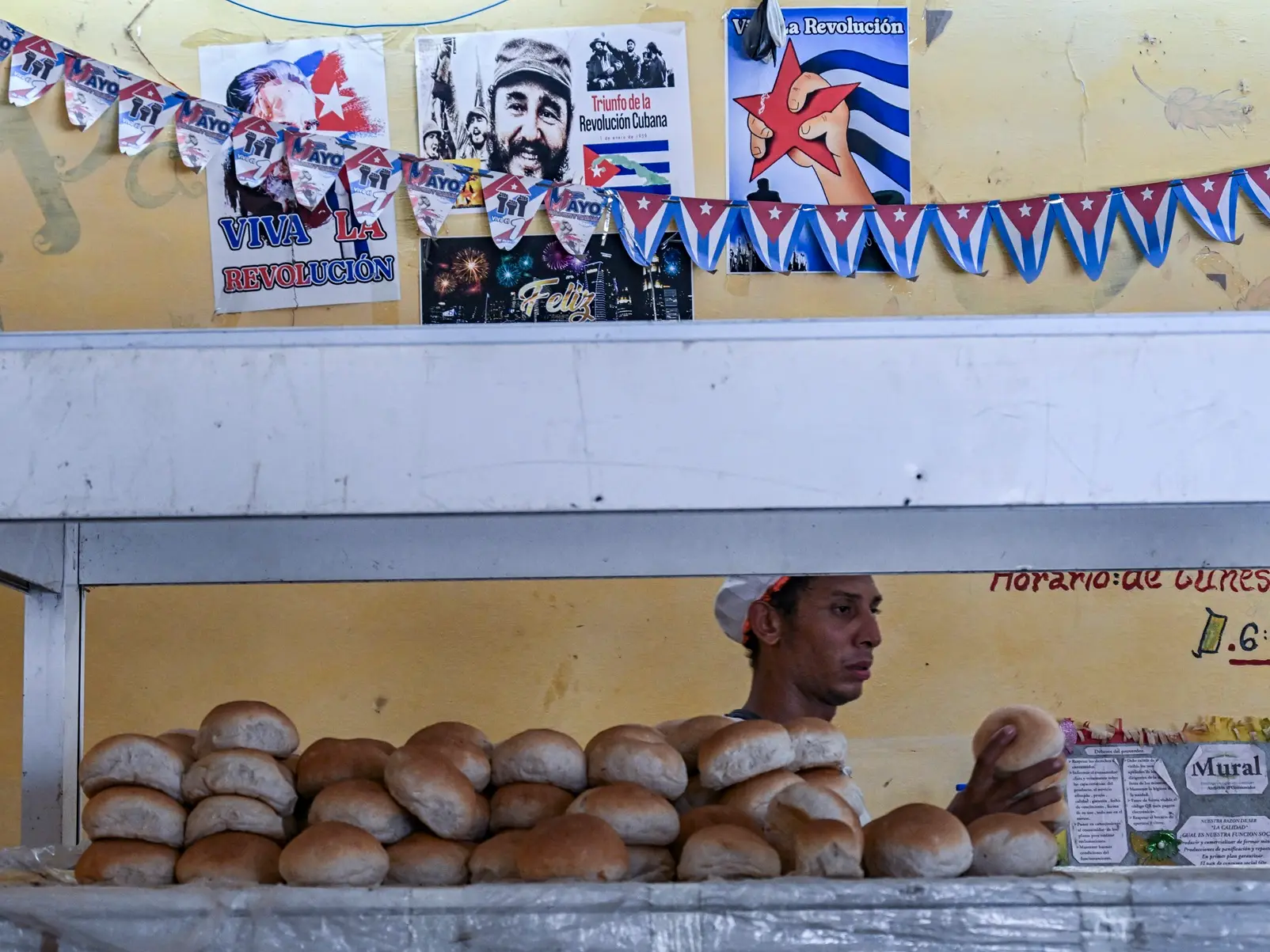
Cuban Prime Minister Manuel Marrero on Thursday presented lawmakers with a broad package of economic reforms backed by the Communist Party and former leader Raúl Castro, as the island seeks to cope with mounting pressure from US sanctions and a fuel blockade.
The proposals, which still require approval from the National Assembly, would significantly expand private-sector participation in the economy by allowing private real estate projects, permitting private banks to operate, and converting state-owned enterprises into commercial entities with equity stakes.
During a two-hour address to the National Assembly, Marrero outlined 176 reforms covering banking, wages, business ownership, foreign investment and agriculture.

Cuban President Miguel Diaz-Canel had called for "urgent changes" to prevent economic collapse amid growing pressure from the United States.
The reform package, endorsed by the Communist Party, would introduce major changes to the role of private enterprise. For the first time, companies employing more than 100 workers would be allowed. Citizens would be permitted to own more than one business, while foreign investment in privately owned firms would also be authorised.
Trending Stories
)
Trump says Russia has ‘lost control’ of its diesel industry, calls for end to ‘ridiculous, never-ending’ war
)
Asian Games: Indian women's hockey team thrash Indonesia 17-1, blasts 36 goals in 2 matches
)
Putin's United Russia party wins 355 seats in Duma election; 4 other parties cross threshold to enter parliament
)
AI kill switch explained: Why shutting down a dangerous AI may not be as simple as pressing a button
)
Delhi Air pollution: Strict crackdown on waste burning
)
'I never imagined…': Bihar-born Japan cricketer Abhishek Anand on historic India clash
)
‘0% chance’: Nvidia CEO Jensen Huang dismisses AI extinction fears by 2030
)
Samay Raina-Mukesh Chhabra controversy explained: What happened over girlfriend joke on India's Got Latent?
)
SNL UK takes aim at Ed Sheeran with AI Princess Diana sketch
)
Russia-Ukraine war: Russian strikes knock out three of Ukraine's largest steel plants
)
Four decades after leaving Kolkata, the Birlas may be coming back for more
)
Glitch in the matrix caught on camera: Woman vanishes after talking to reporter
)
Samsung raises Galaxy S26 prices by Rs 20,000: Here’s what each model now costs
)
IIT Bombay tensions ease after three-hour open house; director’s assurances pacify students
)
J&K Assembly Session begins amid chaos: BJP, ruling alliance clash as statehood demand dominates
)
Bessent meets China’s He Lifeng to prepare for Trump-Xi summit
)
US and China vie for AI dominance as calls grow for regulation | Gravitas
)
The Verdict | The Mecca Agreement is under scrutiny as Houthis attack Saudis
)
Saudi Arabia exits China-led mBridge digital currency platform amid Saudi-Houthi conflict
)
Maharashtra TET paper leak: Chargesheet reveals papers smuggled in shoe insoles for Rs 8,000
)
'Lot of things to learn from experienced players': Jayasuriya backs Rohit, Virat for 2027 ODI World Cup
)
Taylor Swift has a 'proud wife' moment as Travis Kelce scores first touchdown of season: 'That’s my husband!'
)
Chancellor Friedrich Merz vows to stay on as exit polls signal major poll setback
)
North Korea's nuclear tests triggered 1,399 earthquakes: Earth is still shaking | Gravitas
)
Mahabharat actor Saurav Gurjar arrested in Hyderabad, sent to 14-day judicial custody in sexual exploitation case
&im=FitAndFill=(700,400))
New OTT releases this week (September 21-27, 2026): Shaque: Trust No One, Hunkkaar, Don’t Be Shy- 5 new titles coming to Netflix, Prime Video and more
)
WATCH | Mysterious lights over Tehran caught on video. Drone, aircraft or something else?
)
What is Yom Kippur and why is it celebrated? All you need to know about the Jewish Day of Atonement
)
White House TV pool halts Trump coverage after CNN barred from UNGA events
)
Iranian airlines to shut worldwide on Sept 23, Bessent warns of US banking ban
)
China expels top generals Zhang Youxia, Liu Zhenli over ‘disloyalty’, corruption
)
Pilot recreates Mona Lisa in sky over Oklahoma and Arkansas in four-hour flight: VIDEO
)
Fitna Al-Khawarij: Decoding biggest security threat to Pakistan | Gravitas
)
Jailer 2: Vidya Balan joins Rajinikanth's upcoming film as Kantha | Watch
)
Microsoft executive called AI training the ‘largest theft of labour in human history’
)
40-foot waves crash into cruise ship in dangerous stretch near Antarctica. Watch
)
Explainer: Why rare-earth export licences and Board of Trade are US priorities ahead of Trump-Xi summit
)
BTS fans mock iHeartRadio’s day 2 turnout after short set controversy
)
The Scandal: Why so scandalous? Ji Chang Wook leaves you gasping for air
Marrero said tourism, agriculture and the currency market would be opened to both domestic and international private investors. He did not provide a timeline for implementing the measures, although Diaz Canel urged party members not to delay difficult decisions.
While Cuban authorities have often linked the country's economic challenges to the long-standing US trade embargo and more recent restrictions, Diaz Canel acknowledged the existence of "obstacles that don't come from outside, nor the blockade."
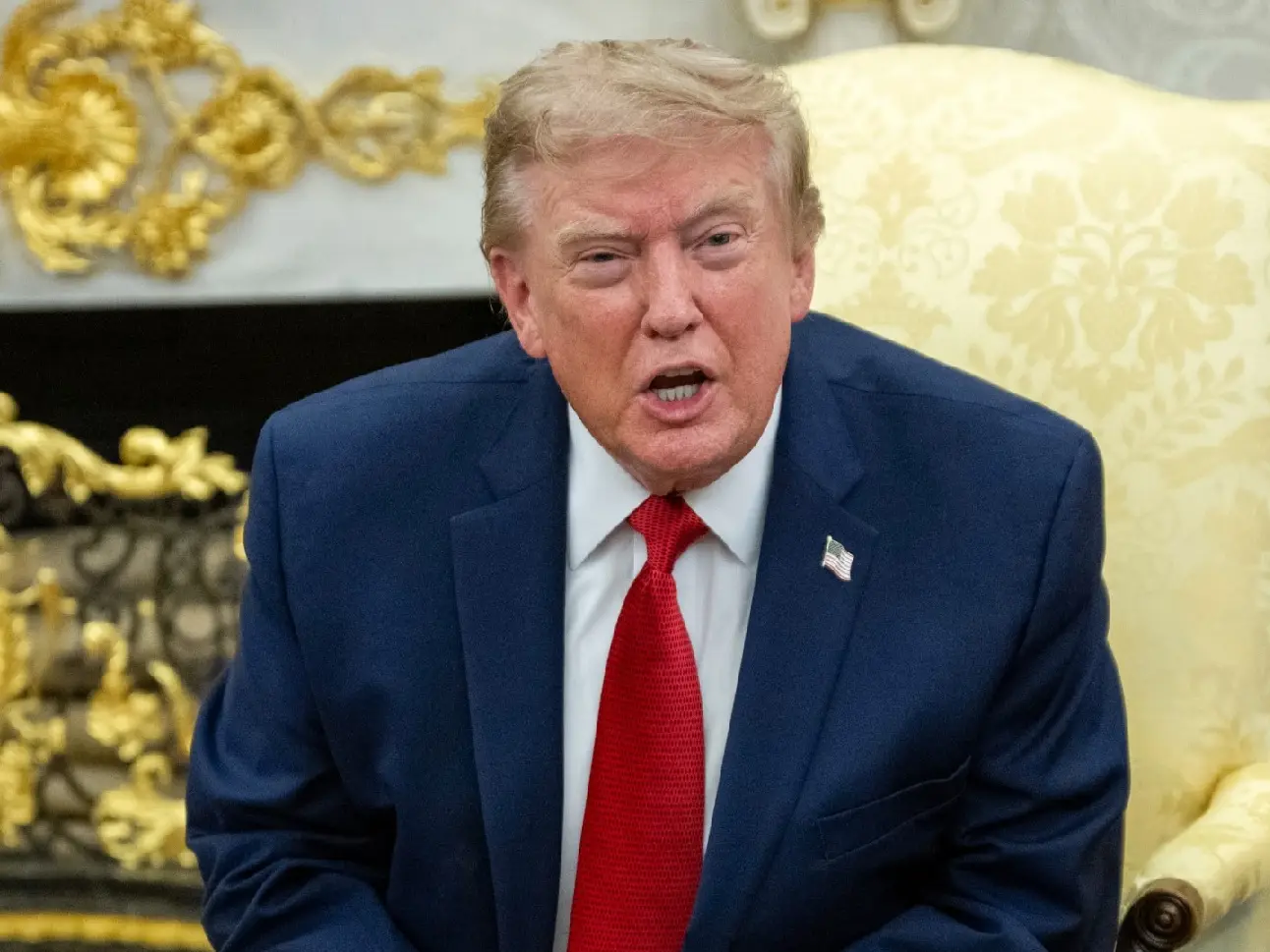
The oil blockade imposed by President Donald Trump in January has pushed Cuba's already weakened economy closer to collapse, resulting in power cuts that can last more than 30 hours and shortages of food, fuel, drinking water and medicine.
Commenting on the scale of the reforms, London-based economist Daniel Torralbas described them as "the most profound economic reform program... since the 1959 revolution" of Fidel Castro. He added, "It represents a significant shift in the country's economic development model."