Colorado Judge rules Trump can stay on presidential primary ballot despite Capitol attack incitement


trump
Donald Trump has been given the green light to remain on the state's presidential primary ballot. On Friday, judge Sarah Wallace ruled this despite allegations that the ex-president incited political violence during the January 6, 2021, attack on the US Capitol.
Trump on the ballot
As the election season in the US unfolds, Donald Trump, as per AFP, is yet to beremoved from a single ballot.
The Colorado Judge's decision comes after similar rulings in several other states — including Colorado, Michigan, Minnesota, and New Hampshire.

Also read |Trump civil fraud trial: Ex-president launches tirade against clerk soon after gag order paused
Wallace on Friday acknowledged Donald Trump's role in inciting supporters who stormed the US Capitol to disrupt the certification of Joe Biden's election victory.
Citing Section 3, she concluded "that Trump acted with the specific intent to incite political violence and direct it at the Capitolto halt the transfer of power to Biden."
)
Nigeria: Protesters take to the streets, police fire shots
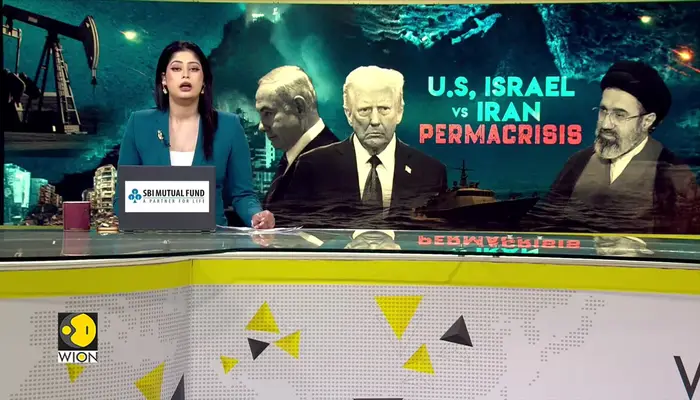)
US-Iran war: Tehran draws red lines — seven demands before any peace talks
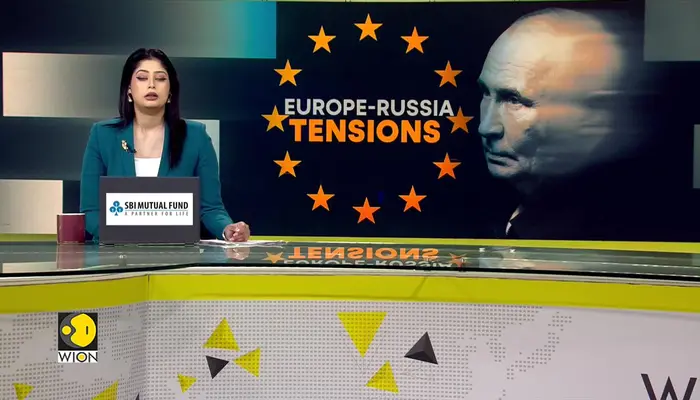)
Russia-Europe tensions: Polish PM warns Russian attacks could test NATO's unity
&im=FitAndFill=(700,400))
‘Not the US or China’: These are the countries leading the world in arable land
)
EXCLUSIVE | Singer Hanita Bhambri on her Toxic debut, working with Vishal Mishra and more
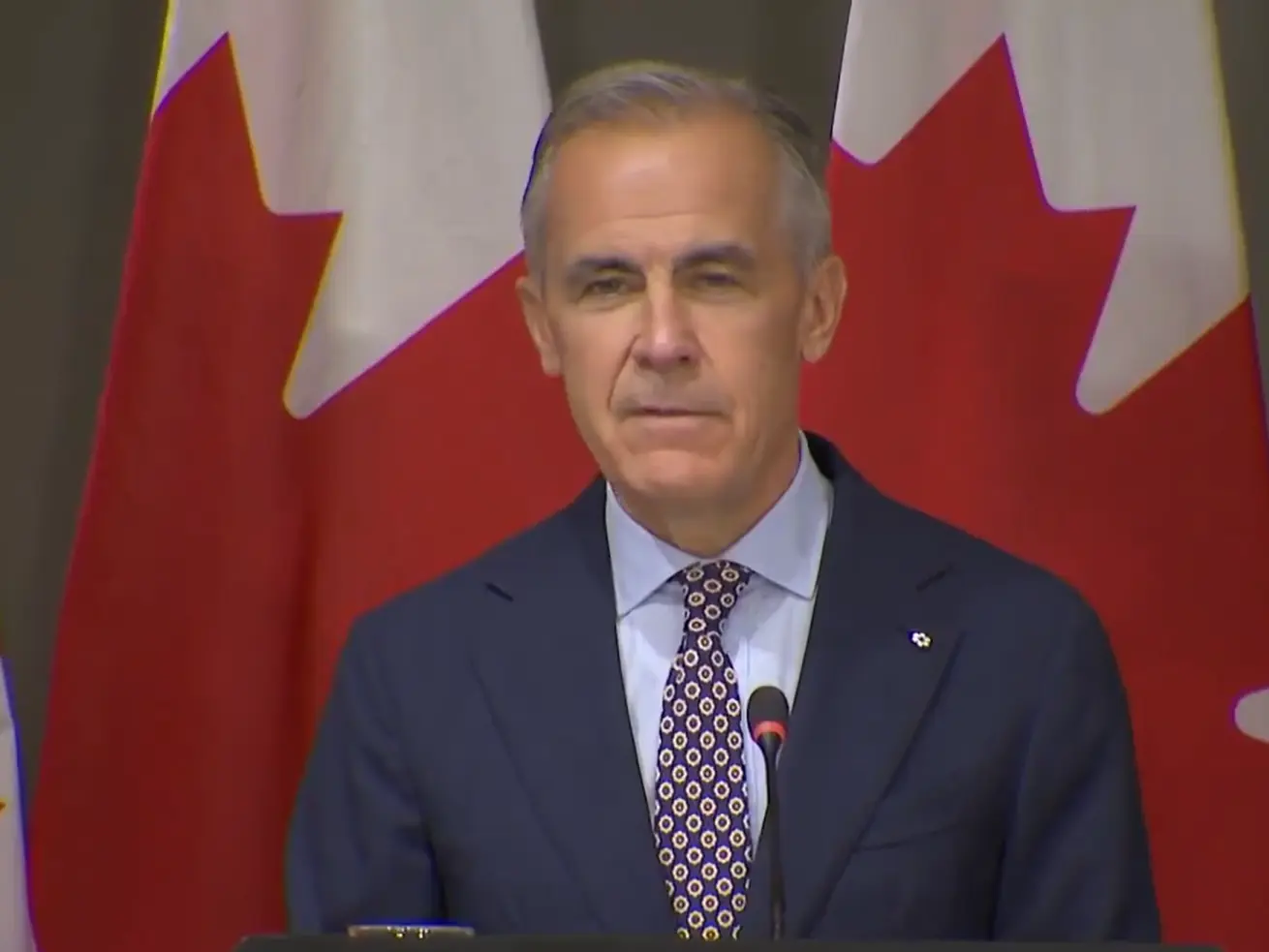)
Mark Carney mimics Trump in hilarious moment over C$70 billion clean-energy investment; room erupts in laughter
)
Delhi voter roll shake-up: 3.31 million electors flagged in SIR review
)
Aravana prasadam shortage at Sabarimala temple in Kerala triggers protests, TDB questioned
)
‘End of my career...’: NSA Doval recalls tense Sikkim mission when China captured Indian intelligence team
)
Report: Iran rebuilding Taleghan 2, nuclear site tied to past weapons research, hit twice by Israel
)
Trump defends AI amid growing alarm, announces new 'AI force' and promises an 'AI czar'
)
Iran sets 7 conditions to end war with US: What are Tehran’s demands?
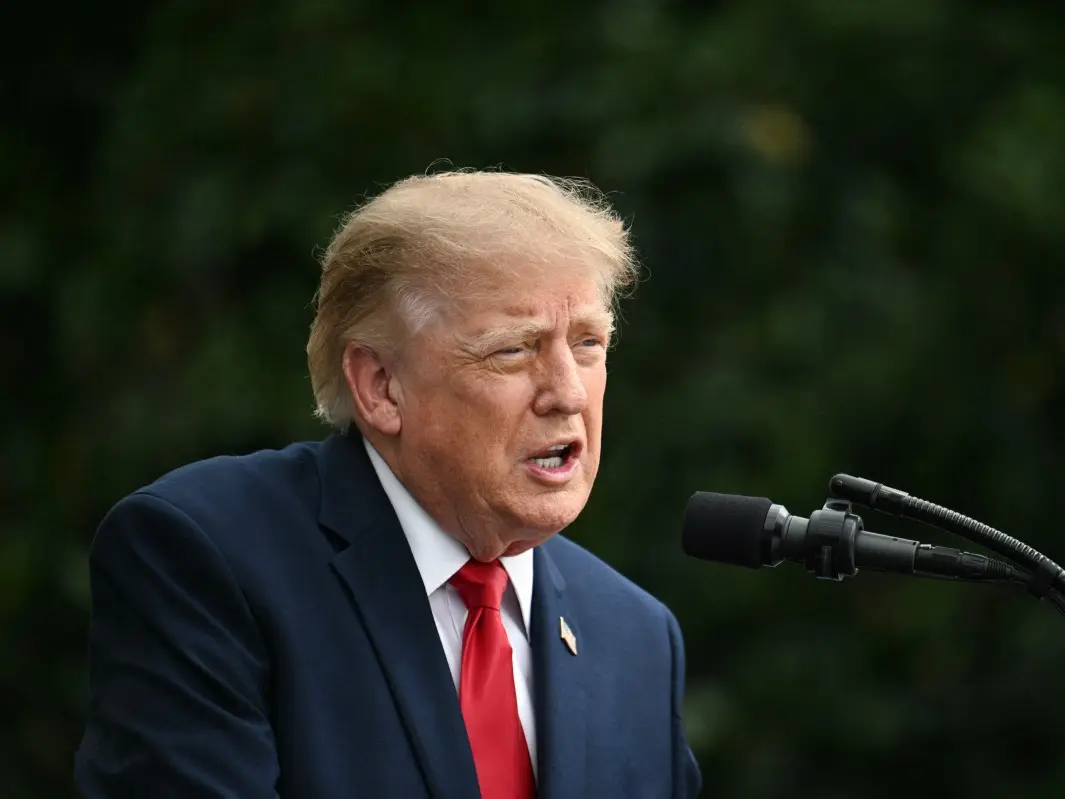)
Trump announces ‘AI Force’ as debate grows over AI risks and regulation
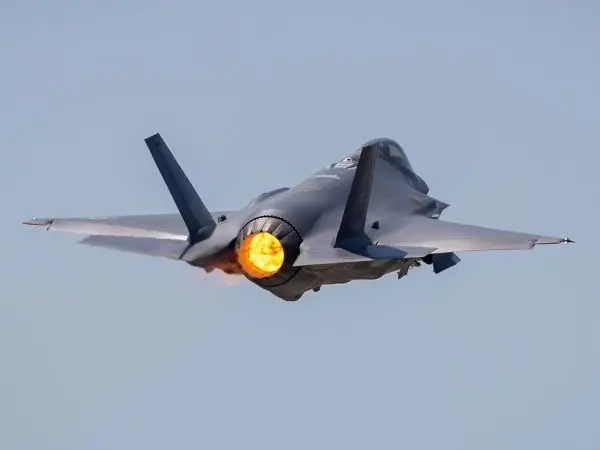)
China may have gained access to US's classified F-35 jets; parts meant for repairs diverted to Hong Kong, sparking Pentagon inquiry
)
Gaza under attack: Health chief's son killed in IDF strikes
)
Man breaks open wall hiding hundreds of books since 15 years
)
Arvind Kejriwal, family members, Delhi CM Rekha Gupta get SIR notices
)
AI actress Tilly Norwood glitches mid-interview, switches from English to Chinese | Watch
)
Saudi vs Houthis: Houthis claim missiles & drones used in attack on key Saudi sites
)
Ed Sheeran addresses Macklemore's removal, Gaza conflict during Philadelphia concert: 'I cannot hide how I feel'
)
Nepal forms 7-member panel to probe August 26 Bhotekoshi flood from source to downstream
)
‘Will go to any extent’: Pakistan vows to defend Saudi Arabia amid Houthi attacks
66 years of the Indus Waters Treaty: How India and Pakistan settled a bitter river dispute
)
The Verdict | When precision fails: US commits war crime in Minab school strike, UN finds
)
9 women found dead near Johannesburg: South Africans rally, demand 'enough' to femicide
)
Kampala-Ankara rift deepens: Uganda suspends military ties, seeks Fred Lumbuye's extradition
)
Several petrol pumps, other businesses to refuse UPI payments above Rs 2,000 from Oct 16: Is it legal?
)
US-Iran war: Tehran sets seven conditions to re-engage in talks with US
)
Reacher star Alan Ritchson opens up about alleged blackmail, suicide attempt during difficult period
)
Africa is splitting, and a lot sooner than estimated, giving way to a new ocean
)
Flying cars in UAE: Ras Al Khaimah signs deal with Chinese company to test new transport
)
West Indies Squad for India Series: Hetmyer included for T20Is, Holder rested
)
Trump bans CNN, MS NOW and Politico from White House over ‘FAKE NEWS’
)
Trump 2.0: Dark days ahead for America’s ‘imperial presidency’
&im=FitAndFill=(700,400))
How many F-35s does Britain, Japan and Israel have?
)
Harry Brook targets long reign at top of T20I rankings after Sri Lanka sweep
)
Russia's deadly Ukraine strikes kill 2 in Sumy, hit Dnipro mall
)
Russia holds first parliamentary elections since the beginning of the Ukraine war
&im=FitAndFill=(700,400))
Meet top 5 Indian batters with fastest T20I centuries
)
What is section 3?
Section 3 of the 14th Amendment of US constitution bars individuals from holding public office if they engaged in "insurrection or rebellion" after pledging to support the Constitution.
Recognising the ambiguity of the 14th Amendment's language, Judge Wallace said that "it appears to the court that for whatever reason the drafters of Section Three did not intend to include a person who had only taken the Presidential Oath".
Also read |Trump mocks Biden for gaffes, but makes the same 'senile' blunders. Kettle calling pot black?
In Colorado, the lawsuit against Trump, as per AFP, was filed by Citizens for Responsibility and Ethics (CREW), a watchdog group based in Washington. It sought to prevent Trump from running for the presidency again.
Celebrating the Colorado court's decision, the Trump campaign hailed it as "another nail in the coffin of the un-American ballot challenges."
Donald Trump's spokesperson Steven Cheung, in a statement, announced victoriously, "Challenges have now been defeated in Colorado, Michigan, Minnesota and New Hampshire."
WhileTrump has secured a victory in Colorado, similar legal challenges in other states can still potentiallyelevate the issue to the US Supreme Court.
(With inputs from agencies)

