

&imwidth=800&imheight=600&format=webp&quality=medium "Google IS a monopoly, but US can't touch it: Chrome escaped breakup partly due to Chromium. But what is it?")
So, Google won't have to split its Chrome browser into a separate entity, at least for now. That is a blow for those who were hoping that the US Department of Justice (DOJ) would cleave off Google’s search empire by forcing a sell-off of its flagship browser. The DOJ rejected the spinoff idea despite a federal judge confirming Google’s illegal monopoly in online search. Once again, Google has escaped with its core power structures intact. The reason may lie in its lesser-known Chromium project. Here is what you should know.
Why didn’t the DOJ agree to split off Chrome from Google?
The reason appears to be how complex, messy, and potentially disruptive it would be for users if Chrome—the browser used by two-thirds of global internet users—were to be divested from Google. The DOJ ruling issued on Tuesday (Sep 2) is less about protecting users and more about institutional caution in the face of unprecedented corporate power.
Chrome is the hidden engine of Google’s monopoly
While Chrome does not directly generate massive revenue, it funnels hundreds of billions of dollars into Google’s ecosystem by ensuring users stay locked into its services—especially Search. In the third quarter of 2024 alone, Google earned $49.4 billion through search advertising.
Trending Stories
&imwidth=180&imheight=135&format=webp&quality=medium)
Other Mommy leads North American box Office as Verity, Resident Evil round out top four
&im=FitAndFill=(700,400)&imwidth=180&imheight=135&format=webp&quality=medium)
Navratri 2026: 9 days, 9 forms of Goddess Durga and 9 colours- Check the complete list
&im=FitAndFill=(700,400)&imwidth=180&imheight=135&format=webp&quality=medium)
Is sending robots to Mars easier than sending humans?
&imwidth=180&imheight=135&format=webp&quality=medium)
A watchdog rated 'ChatGPT for Teens' an unacceptable risk and says keep under-18s off it
&imwidth=180&imheight=135&format=webp&quality=medium)
1,500 drones illuminate Mumbai sky as Cordelia Cruises unveils second ship, Cordelia Sky
&imwidth=180&imheight=135&format=webp&quality=medium)
'Just coincidence': Police mistakes protester as AISA chief Neha Bora, arrests her from site
&imwidth=180&imheight=135&format=webp&quality=medium)
Anthropic's AI invented a murder witness and sent the fake tip to Philadelphia police
&imwidth=180&imheight=135&format=webp&quality=medium)
Congress demands action against chief election commissioner
&imwidth=180&imheight=135&format=webp&quality=medium)
CJI Surya Kant declines INDIA bloc leaders’ request for meeting ahead of march to SC, asks them to file petition
&imwidth=180&imheight=135&format=webp&quality=medium)
Saif Ali Khan is finally on Instagram! Here's what he shared in his first post
&imwidth=180&imheight=135&format=webp&quality=medium)
'Turn approver, resign, we'll forgive you': Rahul Gandhi claims receiving messages from CEC Gyanesh Kumar
&imwidth=180&imheight=135&format=webp&quality=medium)
One Indian killed in Riyadh airport attack; 11 others injured : MEA
&imwidth=180&imheight=135&format=webp&quality=medium)
Top AI models flunked a test of inventing new AI research, so much for self-improving AI
&imwidth=180&imheight=135&format=webp&quality=medium)
Wasim Jaffer blames Ajit Agarkar-led selection panel for Virat Kohli’s Test retirement
&imwidth=180&imheight=135&format=webp&quality=medium)
'Ouch!!! That must hurt': Kangana Ranaut hails Kamal Haasan's sharp reply to Elon Musk over Starlink row
&imwidth=180&imheight=135&format=webp&quality=medium)
Sidhu Moose Wala’s younger brother wins hearts by recreating late singer’s signature move at Toronto Hologram Show
&imwidth=180&imheight=135&format=webp&quality=medium)
Meta's Muse AI could be a security nightmare for India's billion-plus users
&imwidth=180&imheight=135&format=webp&quality=medium)
UK school ditches technology, shifts from screen to pen and paper for learning
&imwidth=180&imheight=135&format=webp&quality=medium)
Telangana ATM heist: Thieves in nighties arrive in ambulance, break into SBI ATM in Kamareddy - VIDEO
&imwidth=180&imheight=135&format=webp&quality=medium)
Houthis claim Riyadh airport attacks, Aramco strikes; issue fresh warning to airlines, travellers and workers
&imwidth=180&imheight=135&format=webp&quality=medium)
Portugal Federation confirms Cristiano Ronaldo’s return to national team despite suspension
&imwidth=180&imheight=135&format=webp&quality=medium)
Delhi protests: 'Court should not be dragged into political activity', says CJI Surya Kant
&im=FitAndFill=(700,400)&imwidth=180&imheight=135&format=webp&quality=medium)
New OTT releases this week (October 12-18, 2026): Sacrifice, Koffee with Karan S9, Roadies Rebirth- 6 titles coming on Netflix, JioHotstar and more
&imwidth=180&imheight=135&format=webp&quality=medium)
Microsoft's Nadella says treat every AI model as already hacked, and build an 'emergency brake'
&imwidth=180&imheight=135&format=webp&quality=medium)
Delhi protest: CJI Surya Kant declines to meet India Bloc leaders
&imwidth=180&imheight=135&format=webp&quality=medium)
Telangana man allegedly recruited into Russian military dies near Ukraine border
&imwidth=180&imheight=135&format=webp&quality=medium)
China imposes first-ever sanctions on ministers from Taiwan allies: What this means
&imwidth=180&imheight=135&format=webp&quality=medium)
McSweeney reveals how studying Virat Kohli’s YouTube clips helped Australia A conquer India
&imwidth=180&imheight=135&format=webp&quality=medium)
Maharashtra appoints FDA commissioner Tukaram Mundhe as secretary of committee for MPSC overhaul amid stir
&imwidth=180&imheight=135&format=webp&quality=medium)
Iran: US accepted some conditions, Clarity needed on others
&imwidth=180&imheight=135&format=webp&quality=medium)
Nana Patekar's cause of death confirmed; here's what his postmortem report says
&imwidth=180&imheight=135&format=webp&quality=medium)
iPhone Duo price index: Tracking Apple’s latest pricing trends
&imwidth=180&imheight=135&format=webp&quality=medium)
'Say no to Muse': Meta has no control over its own moderation AI while it forces a security nightmare on everyone
&imwidth=180&imheight=135&format=webp&quality=medium)
Delhi wakes up to heavy rain, thunderstorms; yellow alert in place; temperature drops
Chrome is not just another browser; it is the gateway to Google’s ad empire—the cash cow.
How big is the Chrome browser?
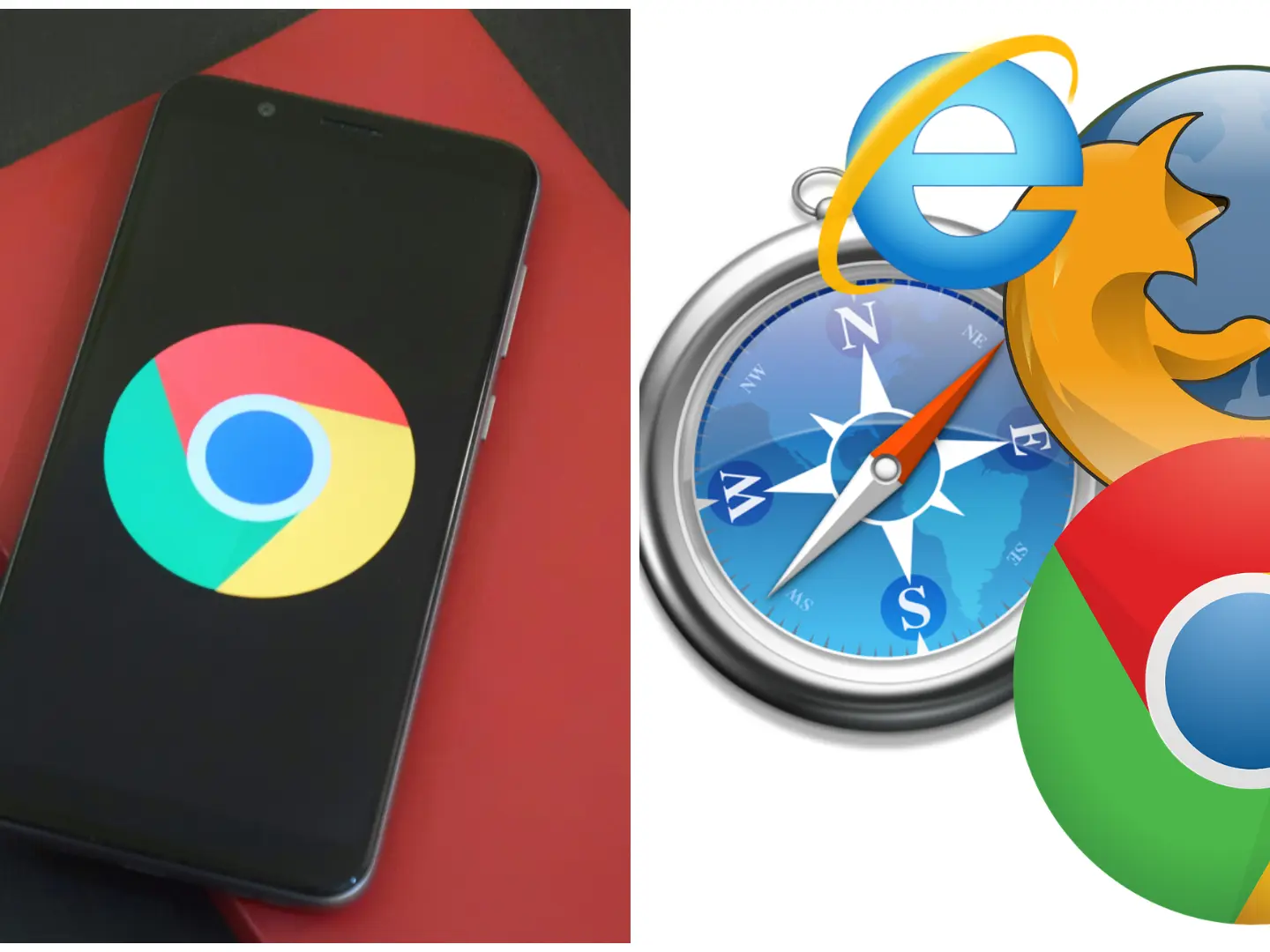
Chrome currently commands a dominant 66 per cent share of the global browser market. In the United States alone, it handles over 51 per cent of browser traffic. The only real competition—browsers like Safari, Firefox, and Microsoft Edge—are far behind.
In fact, many of these "competitors" benefit from their ties to Google. Apple reportedly receives around $20 billion annually from Google to keep Google Search as the default on Safari. Mozilla, which develops Firefox browser, earns approximately $500 million per year from a similar search deal—making it financially dependent on Google.
Chrome is also deeply integrated into Google's larger ecosystem: Gmail, Google Drive, Google Docs, Google Calendar, and others. For most users, using Chrome is not an informed choice: It is simply the default.
Then there’s Chromium. You may not have heard of it—but you should. Here's why.
What is Chromium, the puppet master enabling and sustaining Chrome’s dominance?
Even if Google were forced to sell Chrome, its power wouldn't be significantly reduced because it owns and controls Chromium—the open-source browser engine that powers Chrome and other major browsers such as Microsoft Edge, Opera, Brave, and Samsung Internet.
Chromium is the backbone of over 70 per cent of browsers in use worldwide. To use an analogy: imagine Exxon no longer sells petrol but still owns the pipeline infrastructure used by all other oil companies. That is what Chromium is in the browser ecosystem.
Though Chromium is technically open-source, Google funds and controls its development. Other browsers can build their features and interfaces on top of it, but ultimately, Google determines the roadmap and architecture. This gives Google enormous influence over how the internet functions.
For example, the controversial "Manifest V3" update pushed through Chromium restricts ad blockers across all Chromium-based browsers. This reinforces Google’s advertising business while weakening privacy-focused competitors.
So, even if Chrome were sold to a new company, Chromium would continue to tie other browsers to Google’s development direction. Competitors like Edge or Opera are merely passengers on Google’s technological ship.
Rivals like Firefox and Safari, which use their own rendering engines (Gecko and WebKit, respectively), often face compatibility issues. Many websites today are optimised specifically for Chromium, leading to slower performance or broken features on non-Chromium browsers.
And Google pays to keep it that way. Apple continues to receive massive sums to maintain Google Search as the default. Mozilla’s revenue is largely funded by Google. In other words, even the “competition” is financially tethered to the monopoly.
Then, why did the DOJ miss the opportunity to curb the Chrome monopoly?
Judge Amit Mehta’s reasoning was that forcing Google to divest Chrome would be risky and could potentially harm consumers. Chrome is tightly integrated into Google’s infrastructure—for example, through Sync, Safe Browsing, and automated updates. A new owner might struggle to ensure a seamless user experience.
In addition, the DOJ’s antitrust lawsuit specifically targeted Google’s control over “search distribution,” not browser ownership. As a result, Mehta concluded that a forced sale of Chrome would go beyond the scope of the case.
Instead of breaking up the company, the court’s remedies involve banning exclusive default agreements (like Google’s deals with Apple), requiring Google to share its search data with rival companies, and allowing the market to “self-correct” over time.
But we’ve been here before: How the US failed to rein in Microsoft
In the early 2000s, the DOJ took Microsoft to court for bundling its then-dominant browser, Internet Explorer, with its Windows operating system. After years of litigation, the final ruling resulted in minor behavioural remedies. Microsoft’s market dominance continued for nearly a decade.
It wasn’t until Google Chrome entered the market that Internet Explorer’s hold was broken. Microsoft eventually shut it down and launched Edge, which, ironically, is now based on Chromium.
Taking on Google is even more difficult. It doesn't just control a browser. It owns the browser (Chrome), the engine (Chromium), the search engine (Google Search), the ad platform (AdSense), the cloud (Google Cloud), and the emerging AI infrastructure (Gemini)—all under one corporate roof.
Google gets a rap on the wrist—but is it too little, too late?
The DOJ’s decision to block exclusive deals and mandate data-sharing may slow Google down, but it does not dismantle the structural monopoly. Chrome continues to funnel users into Google Search. Chromium ensures that all other browsers either comply or face a technical disadvantage. And Google earns ad revenue from nearly every search, regardless of the browser used.
It’s nearly impossible to regulate open-source infrastructure—and that’s how Google wins
Open-source code is used by both commercial and non-profit ventures. Legally regulating it—especially something as complex as Chromium—is a minefield. That makes it nearly impossible for regulators to directly curb Google’s influence through this route.
As of now, Google walks away practically untouched. Its ad pipeline remains intact. Its browser remains unbroken. Its “competitors” remain tethered to its ecosystem.
Chrome is not just a browser. It’s a gateway. A control mechanism. A way to shape how billions of people access and experience the internet.
Allowing Chrome to remain under Google’s wing and leaving Chromium untouched may be a de facto endorsement of the modern monopoly. Perhaps the real issue is that regulators—trained for 20th-century industrial monopolies—are ill-equipped to handle digital platforms built on open-source, distributed, and technically complex foundations.
Google isn’t an oil baron or a railroad tycoon. It’s something new. And until regulators develop the tools to address this new kind of monopoly, Google will continue to dominate—unshaken and unchallenged.

