

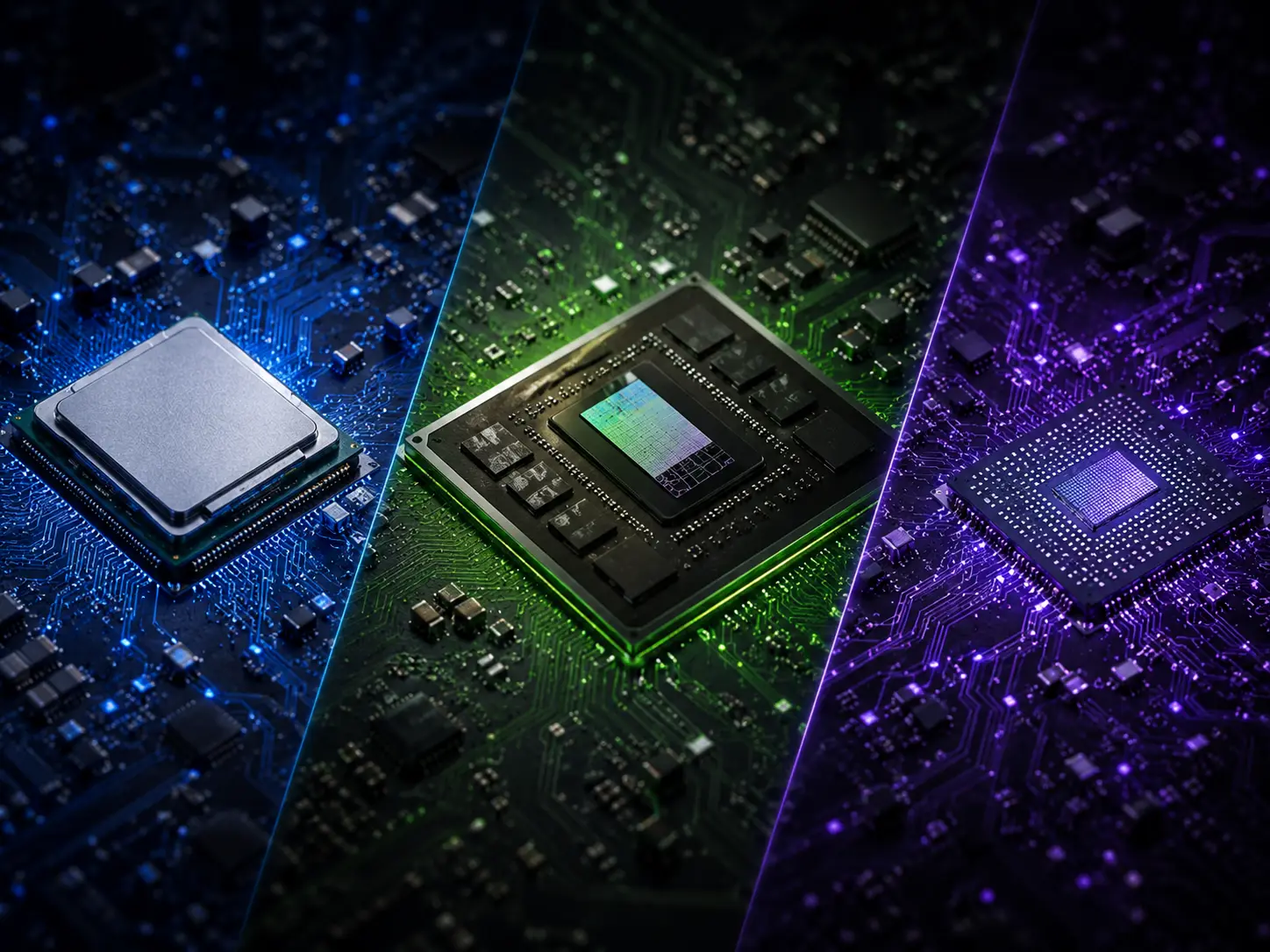
&imwidth=800&imheight=600&format=webp&quality=medium "Chip wars: Bill moved in US to ban AI chip sales to China over national security")
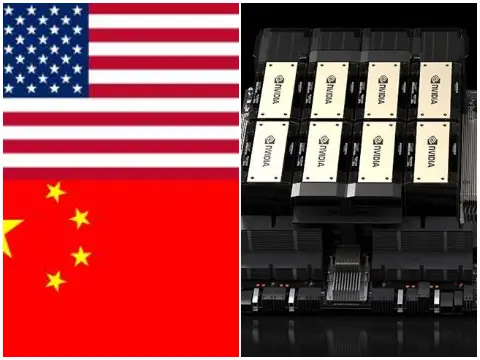
House Democrats on Thursday (Dec 18) moved a bill that seeks to ban the sale of advanced AI chips to China on national security grounds, marking another potential escalation in the ongoing chip war between the US and China. The bill was introduced by Representative Gregory W Meeks, the Ranking Member of the House Foreign Affairs Committee. Here is what you should know.
What is the US bill on banning AI chip sales to China?
The bill is known as the RESTRICT Act, short for the Restoring Export and Security Trade Restrictions for Integrated Circuit Technologies Act. It aims to restrict the export of advanced US artificial intelligence technologies to China and other countries viewed as security risks. Joined by 13 House Democrats, Meeks presented the measure as legislation designed to protect US national security and preserve American leadership in artificial intelligence.
What will the RESTRICT Act prohibit if it is passed?
The bill proposes to ban the sale of the most advanced US-made AI chips, including Nvidia’s H200, to China and other “countries of concern”, defined as nations subject to a US arms embargo as of 1 January 2025. Export licence applications for advanced integrated circuits destined for these countries would be denied by the US Department of Commerce.
Trending Stories
&imwidth=180&imheight=135&format=webp&quality=medium)
Other Mommy leads North American box Office as Verity, Resident Evil round out top four
&im=FitAndFill=(700,400)&imwidth=180&imheight=135&format=webp&quality=medium)
Navratri 2026: 9 days, 9 forms of Goddess Durga and 9 colours- Check the complete list
&im=FitAndFill=(700,400)&imwidth=180&imheight=135&format=webp&quality=medium)
Is sending robots to Mars easier than sending humans?
&imwidth=180&imheight=135&format=webp&quality=medium)
A watchdog rated 'ChatGPT for Teens' an unacceptable risk and says keep under-18s off it
&imwidth=180&imheight=135&format=webp&quality=medium)
1,500 drones illuminate Mumbai sky as Cordelia Cruises unveils second ship, Cordelia Sky
&imwidth=180&imheight=135&format=webp&quality=medium)
'Just coincidence': Police mistakes protester as AISA chief Neha Bora, arrests her from site
&imwidth=180&imheight=135&format=webp&quality=medium)
Anthropic's AI invented a murder witness and sent the fake tip to Philadelphia police
&imwidth=180&imheight=135&format=webp&quality=medium)
Congress demands action against chief election commissioner
&imwidth=180&imheight=135&format=webp&quality=medium)
CJI Surya Kant declines INDIA bloc leaders’ request for meeting ahead of march to SC, asks them to file petition
&imwidth=180&imheight=135&format=webp&quality=medium)
Saif Ali Khan is finally on Instagram! Here's what he shared in his first post
&imwidth=180&imheight=135&format=webp&quality=medium)
'Turn approver, resign, we'll forgive you': Rahul Gandhi claims receiving messages from CEC Gyanesh Kumar
&imwidth=180&imheight=135&format=webp&quality=medium)
One Indian killed in Riyadh airport attack; 11 others injured : MEA
&imwidth=180&imheight=135&format=webp&quality=medium)
Top AI models flunked a test of inventing new AI research, so much for self-improving AI
&imwidth=180&imheight=135&format=webp&quality=medium)
Wasim Jaffer blames Ajit Agarkar-led selection panel for Virat Kohli’s Test retirement
&imwidth=180&imheight=135&format=webp&quality=medium)
'Ouch!!! That must hurt': Kangana Ranaut hails Kamal Haasan's sharp reply to Elon Musk over Starlink row
&imwidth=180&imheight=135&format=webp&quality=medium)
Sidhu Moose Wala’s younger brother wins hearts by recreating late singer’s signature move at Toronto Hologram Show
&imwidth=180&imheight=135&format=webp&quality=medium)
Meta's Muse AI could be a security nightmare for India's billion-plus users
&imwidth=180&imheight=135&format=webp&quality=medium)
UK school ditches technology, shifts from screen to pen and paper for learning
&imwidth=180&imheight=135&format=webp&quality=medium)
Telangana ATM heist: Thieves in nighties arrive in ambulance, break into SBI ATM in Kamareddy - VIDEO
&imwidth=180&imheight=135&format=webp&quality=medium)
Houthis claim Riyadh airport attacks, Aramco strikes; issue fresh warning to airlines, travellers and workers
&imwidth=180&imheight=135&format=webp&quality=medium)
Portugal Federation confirms Cristiano Ronaldo’s return to national team despite suspension
&imwidth=180&imheight=135&format=webp&quality=medium)
Delhi protests: 'Court should not be dragged into political activity', says CJI Surya Kant
&im=FitAndFill=(700,400)&imwidth=180&imheight=135&format=webp&quality=medium)
New OTT releases this week (October 12-18, 2026): Sacrifice, Koffee with Karan S9, Roadies Rebirth- 6 titles coming on Netflix, JioHotstar and more
&imwidth=180&imheight=135&format=webp&quality=medium)
Microsoft's Nadella says treat every AI model as already hacked, and build an 'emergency brake'
&imwidth=180&imheight=135&format=webp&quality=medium)
Delhi protest: CJI Surya Kant declines to meet India Bloc leaders
&imwidth=180&imheight=135&format=webp&quality=medium)
Telangana man allegedly recruited into Russian military dies near Ukraine border
&imwidth=180&imheight=135&format=webp&quality=medium)
China imposes first-ever sanctions on ministers from Taiwan allies: What this means
&imwidth=180&imheight=135&format=webp&quality=medium)
McSweeney reveals how studying Virat Kohli’s YouTube clips helped Australia A conquer India
&imwidth=180&imheight=135&format=webp&quality=medium)
Maharashtra appoints FDA commissioner Tukaram Mundhe as secretary of committee for MPSC overhaul amid stir
&imwidth=180&imheight=135&format=webp&quality=medium)
Iran: US accepted some conditions, Clarity needed on others
&imwidth=180&imheight=135&format=webp&quality=medium)
Nana Patekar's cause of death confirmed; here's what his postmortem report says
&imwidth=180&imheight=135&format=webp&quality=medium)
iPhone Duo price index: Tracking Apple’s latest pricing trends
&imwidth=180&imheight=135&format=webp&quality=medium)
'Say no to Muse': Meta has no control over its own moderation AI while it forces a security nightmare on everyone
&imwidth=180&imheight=135&format=webp&quality=medium)
Delhi wakes up to heavy rain, thunderstorms; yellow alert in place; temperature drops
Criticism of Trump’s plan to allow H200 AI chip sales to China
While introducing the bill, Meeks criticised President Donald Trump’s decision to allow the sale of H200 chips to China, arguing that it puts national security at risk and undermines US dominance in the global AI race. He said that providing advanced AI capabilities to a ‘chief strategic competitor’ could strengthen China’s military and malign influence capabilities. Meeks added that the legislation would block such sales while supporting American companies in competing globally across the AI technology stack.
The RESTRICT Act does not introduce new export controls
The Act does not create new export controls but instead codifies existing restrictions on advanced integrated circuits and related products. Its stated aim is to provide clarity and consistency in export policy while reinforcing national security safeguards.
The bill would also establish a secure, licence-free export pathway for trusted American companies operating data centres abroad. The Commerce Department would be required to publish rules covering physical security, cyber security, remote access security and other requirements that firms must meet to qualify for licence-free transfers. Eligibility would be limited to US-owned facilities located outside countries of concern.
After two years, the definition of an “advanced integrated circuit or product” could be revised, provided Congress is certified that any changes would not harm US national security.
The ongoing chip war between the US and China
The bill comes amid an intensifying technology rivalry - known as chip war - between the US and China. The US has imposed controls on the export of advanced semiconductors, chipmaking equipment and related technologies to China, fearing that these could be used by its military and threaten US national security. In response, China introduced its own controls on critical materials like rare earth elements. China is racing to build semiconductor making capabilities domestically. There have been a series of bans, tighter regulations and policy revisions over chips in the recent years.

