'Nvidia, TSMC and more': 5 reasons why China wants Taiwan for its AI chip goldmine

A brief summary of strategic and industrial motivations, based on publicly known facts about the semiconductor supply chain, AI hardware, and TSMC’s global role. It does not speculate about military intentions.
1. Taiwan Controls the World’s Most Advanced Chipmaker: TSMC
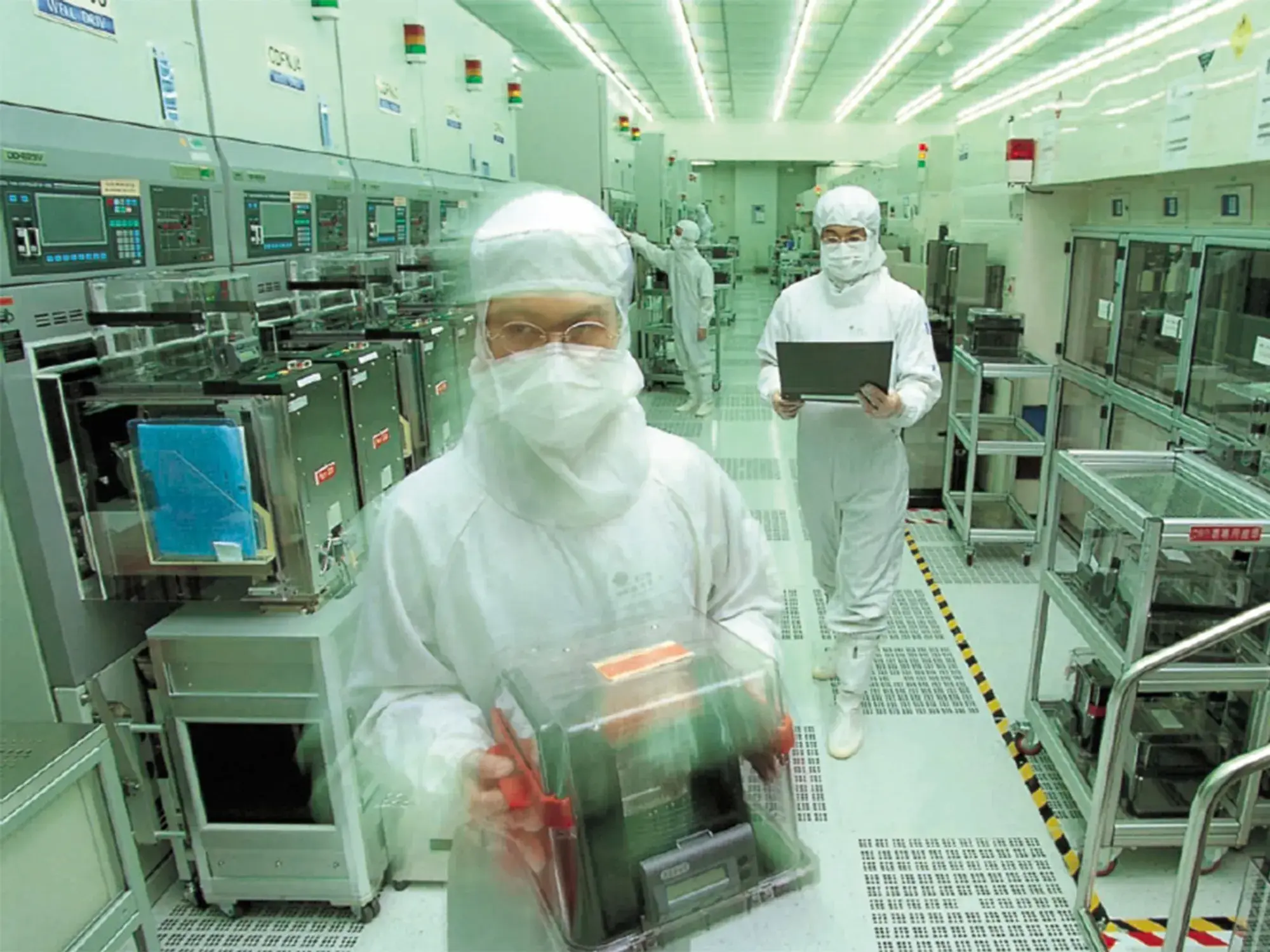
Taiwan is home to TSMC, the company that manufactures over 90 per cent of the world’s cutting-edge chips (5nm, 3nm and next-gen nodes). China has no comparable foundry. TSMC’s technological lead makes Taiwan the single most valuable semiconductor hub in the world, and a critical bottleneck for AI, defence, and consumer electronics.
2. TSMC Manufactures NVIDIA’s Most Powerful AI Chips
NVIDIA designs its GPUs, but TSMC builds them, including H100, H200, and Blackwell B100/B200 chips. These GPUs power global AI models, defence systems, cloud computing and supercomputers. China is blocked by US export controls from buying top-end NVIDIA chips, making Taiwan the only realistic source of such advanced silicon.
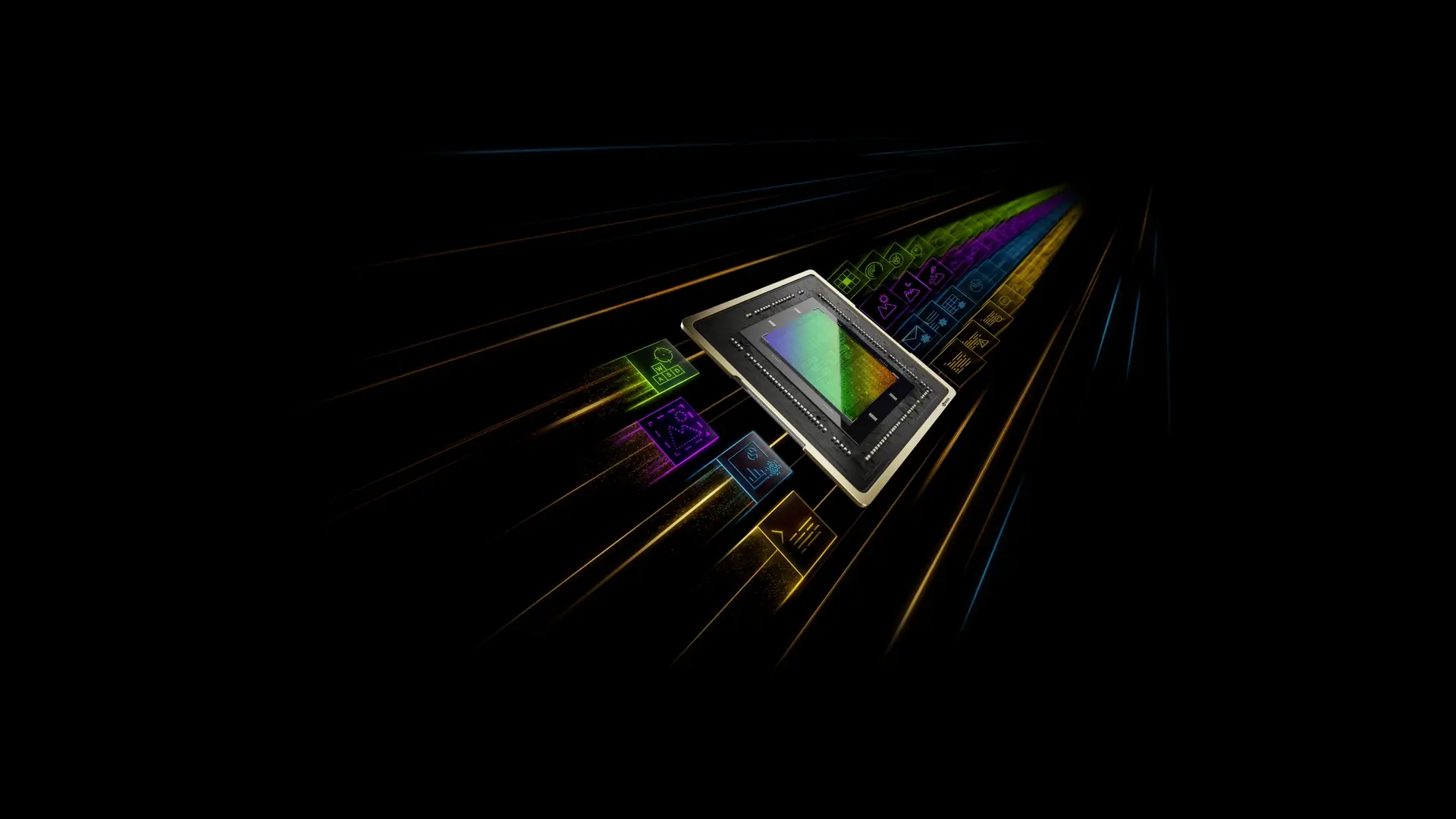
3. Taiwan Dominates Advanced Packaging (CoWoS), a Critical Step for AI Chips
Advanced packaging, especially CoWoS, is needed to assemble high-bandwidth AI processors. TSMC has the largest and most advanced CoWoS capacity globally. NVIDIA relies heavily on this technology. China lacks equivalent packaging tech, making Taiwan a near-monopoly player in the highest-end AI hardware assembly pipeline.
4. Taiwan’s Semiconductor Ecosystem Powers China’s Own Tech Industries
China depends on Taiwan for a wide range of chips used in smartphones, EVs, telecom equipment, servers, and industrial systems. Companies like Huawei, BYD, Xiaomi, Baidu and Alibaba rely on Taiwan’s 7nm–16nm chips for production. Losing access would shock China’s entire tech and manufacturing ecosystem.
5. Control Over Taiwan Would Give China Influence Over Global AI Supply Chains
As of 2025, global AI relies on Taiwanese fabs and packaging lines. If China had control, directly or indirectly, over Taiwan’s semiconductor supply, it would gain unprecedented leverage in the global technology race. Taiwan’s output is the foundation of AI computing worldwide, from GPUs to data-center accelerators.
6. China’s Domestic Semiconductor Industry Lags Behind by 5–10 Years
Despite heavy investment, China’s fabs are still stuck at older nodes (28nm, 14nm, experimental 7nm). It cannot yet mass-produce advanced AI chips. Taiwan’s foundries and packaging tech are the exact missing link China needs to catch up in AI, defence computing, and autonomous systems.
7. Taiwan Is the Strategic Tech Barrier Preventing China From AI Superpower Status
From a geopolitical standpoint, Taiwan represents a gatekeeper to the world’s most advanced semiconductor technology. Without Taiwan, China faces export bans, limited chip access, and technological bottlenecks. With Taiwan, China would instantly gain control of the crown jewel of global AI manufacturing, fundamentally altering the balance of technological power.
)
)

)
)